
 Business License
Best Plastic for Outdoor Use: A Guide to Weather-Resistant Engineering Plastics
Elena Vasquez, a product designer at a Barcelona-based lighting manufacturer, learned a harsh lesson in material selection during the summer of 2024. Her team had specified a general-purpose ABS grade for a new line of garden luminaires based on excellent processing behavior and surface gloss. The prototypes looked perfect.
Within 8 months of outdoor installation across southern Europe, every housing had developed microcracks, surface chalking, and visible yellowing. Warranty claims mounted. The product line was recalled.
The replacement material, a UV-stabilized PC grade, cost 15% more per kilogram. It saved the company approximately €180,000 in avoided warranty exposure.
Outdoor environments are unforgiving. Ultraviolet radiation, thermal cycling, moisture, ozone, and airborne pollutants degrade plastics through mechanisms that indoor applications rarely face. A material that performs flawlessly in controlled factory conditions can fail catastrophically when exposed to years of sun, rain, and temperature extremes.
This guide evaluates the best plastic for outdoor use across common engineering grades. You will learn which polymers resist UV degradation, how stabilization packages extend service life, and how to match material properties to specific outdoor applications. Whether you are designing solar panel housings, agricultural equipment, outdoor furniture, or architectural lighting, the material selection framework here will help you avoid the mistakes that cost Elena her product line.
Why Plastics Fail Outdoors: The Degradation Mechanisms
Understanding outdoor failure modes is essential before selecting any material. Four primary mechanisms drive plastic degradation in exterior environments.
UV Photodegradation is the most aggressive and best understood. Solar radiation in the 290-400 nanometer range carries sufficient energy to break chemical bonds in polymer backbones and side chains. Polypropylene, polystyrene, and unprotected ABS are particularly vulnerable. The process generates free radicals that initiate chain reactions, leading to embrittlement, discoloration, and surface cracking.
Thermal Oxidation accelerates at elevated temperatures. Dark-colored parts in direct sunlight can reach surface temperatures 20-40°C above ambient air temperature. At these temperatures, oxidative degradation proceeds faster, shortening the induction period before visible failure occurs.
Hydrolysis affects condensation polymers such as PA66, PBT, and PC. While these materials resist UV better than polyolefins, moisture absorption at high temperatures can reduce molecular weight and mechanical properties over time. For outdoor electrical enclosures or components in humid tropical climates, this mechanism deserves attention.
Mechanical Stress Cracking often results from the combination of chemical exposure and residual molded-in stress. Detergents, pesticides, automotive fluids, and atmospheric pollutants can initiate cracks in stressed regions of a part, particularly in amorphous polymers like PC and PMMA.
The cumulative effect is rarely a single mechanism. UV radiation weakens the surface. Thermal cycling induces stress. Moisture penetrates microcracks.
Chemicals accelerate crack growth. The result is a part that appears functional until it fractures without warning.
Technical Note: Always verify outdoor performance data against the specific climate zone of your end-use environment. A material rated for 5 years in northern European conditions may last only 18 months in subtropical or desert climates with higher UV intensity and temperature extremes.
Polypropylene: The Cost-Effective Workhorse
Polypropylene dominates outdoor applications where cost, chemical resistance, and processability matter more than structural loads. Its crystalline structure provides inherent resistance to moisture, acids, and alkalis. Without stabilization, however, PP degrades rapidly in sunlight.
UV-Stabilized PP Grades incorporate hindered amine light stabilizers (HALS) and UV absorbers that scavenge free radicals and screen damaging wavelengths. Properly stabilized PP can achieve 5-10 years of outdoor service life in moderate climates. For demanding applications, carbon black loading at 2-3% provides excellent UV protection through physical light screening.
Typical outdoor applications include garden furniture, automotive exterior trim, battery cases, irrigation components, and outdoor storage containers. UV-stabilized copolymer PP offers superior low-temperature impact resistance for applications in cold climates.
Limitations are mechanical. PP has lower stiffness and heat resistance than engineering grades. Continuous outdoor temperatures above 80°C accelerate degradation even in stabilized grades. For load-bearing outdoor structural components, glass-filled PP (GF20-GF30) improves stiffness while retaining cost advantages.
A Turkish manufacturer of agricultural irrigation fittings switched from un-stabilized PP to a UV-stabilized copolymer grade with carbon black in 2022. Field exposure tests across three growing seasons showed zero surface degradation in the stabilized grade, while the original material became brittle and leaked after a single season. The material cost increase of 8% eliminated replacement part logistics entirely.
When evaluating PP grades for outdoor applications, verify that the supplier specifies the HALS type and concentration. Not all UV-stabilized grades are equal, and stabilization packages vary significantly in performance and longevity.
Polycarbonate: Impact Resistance and Transparency
Polycarbonate offers a rare combination for outdoor use: exceptional impact strength, optical clarity, and moderate UV resistance in its native state. Unstabilized PC absorbs UV-B radiation but degrades slowly compared to polyolefins. The primary failure mode is yellowing and loss of optical clarity rather than catastrophic embrittlement.
UV-Stabilized PC Grades extend service life dramatically. Co-extruded UV-protective layers, UV absorber additives, and specialized stabilization packages maintain optical properties and mechanical performance for 10+ years in architectural and lighting applications.
Typical outdoor applications include greenhouses and skylights, safety equipment visors, electrical meter housings, solar panel junction boxes, and LED street lighting diffusers. PC's combination of transparency and toughness makes it the default choice for applications where both properties are required.
Key considerations for outdoor PC use include:
Scratch sensitivity: PC surfaces scratch more easily than PMMA or glass. Hard coatings improve abrasion resistance for long-term optical performance.
Chemical resistance: Certain cleaning agents, pesticides, and solvents can stress-crack PC. Specify chemical compatibility for the intended environment.
Yellowing: Even UV-stabilized PC exhibits gradual yellowing over extended exposure. For color-critical applications, specify grades with enhanced optical stability.
A solar panel manufacturer in Jiangsu selected UV-stabilized PC for junction box housings after testing showed the material maintained dielectric strength and impact resistance after 3,000 hours of accelerated weathering per IEC 61215 standards. The material had to survive 25 years of field exposure in desert, tropical, and temperate installations. PC grades with enhanced UV stabilization provided the required longevity without the weight and machining cost of aluminum alternatives.
PMMA: Optical Clarity and Weatherability
Polymethyl methacrylate, commonly known as acrylic, is the material of choice when optical clarity and long-term weatherability must coexist. PMMA transmits approximately 92% of visible light, comparable to glass, while offering significantly better impact resistance and design flexibility.
Inherent UV Resistance sets PMMA apart from most transparent polymers. Acrylic absorbs UV radiation in the 290-360 nanometer range, protecting underlying components and maintaining optical clarity. Unlike PC, PMMA does not require UV stabilizers for moderate outdoor service life, though specialized grades with enhanced UV packages extend performance for demanding applications.
Typical outdoor applications include architectural glazing, automotive tail light lenses, signage and display faces, marine windows, lighting diffusers, and solar concentrator panels. PMMA's excellent weatherability and color stability make it preferred for applications where appearance matters over decades.
Limitations include lower impact strength than PC and sensitivity to certain solvents and stress-cracking agents. PMMA also has a lower heat deflection temperature (approximately 95°C for general grades), which can be relevant for dark-colored parts in hot climates. High-impact PMMA grades improve toughness at modest cost to optical clarity.
For outdoor lighting and display applications where both optical performance and durability matter, PMMA grades with UV-enhanced formulations offer service lives exceeding 20 years in European and North American climates.
Polyamide 66: Structural Performance in Harsh Environments
When outdoor applications demand structural load bearing combined with heat and chemical resistance, PA66 becomes a strong candidate. Automotive under-hood components, outdoor electrical connectors, and industrial enclosures in harsh environments frequently specify glass-filled PA66 grades.
UV-Stabilized PA66 requires careful specification. Unprotected PA66 yellows and embrittles in sunlight. Heat-stabilized and UV-stabilized grades incorporate carbon black or specialized stabilizer packages. Carbon black-filled PA66 GF30 is common for outdoor structural parts because the carbon black provides both UV protection and a degree of electrical conductivity that reduces static buildup.
Moisture absorption remains the critical consideration for outdoor PA66. The material absorbs approximately 2.5% moisture at saturation, which plasticizes the polymer and reduces stiffness. In humid outdoor environments, designers must account for equilibrium moisture content in structural calculations.
Typical outdoor applications include automotive exterior and under-hood components, electrical connector housings, cable ties and fastening systems, pump and valve housings, and power tool housings.
A German manufacturer of outdoor electrical distribution boxes specified UV-stabilized, glass-filled PA66 after a field failure analysis revealed that the original ABS housings cracked at mounting bosses within 3 years of alpine exposure. The PA66 GF30 replacement grade with carbon black stabilization showed no degradation after 5 years of continuous exposure at elevations above 1,500 meters, where UV intensity exceeds sea-level benchmarks by approximately 20%.
Polyethylene: The Forgotten Contender
High-density polyethylene (HDPE) rarely receives the attention of engineering grades, yet it offers one of the best cost-to-durability ratios for long-term outdoor exposure. HDPE's crystalline structure provides excellent chemical resistance, low moisture absorption, and good fatigue performance.
UV-Stabilized HDPE grades, typically stabilized with carbon black or HALS packages, achieve service lives of 10-20 years in piping, geomembrane, and outdoor furniture applications. Carbon black loading at 2-3% is standard for PE pipe and conduit exposed to sunlight.
Typical outdoor applications include water and gas distribution pipes, geomembranes and pond liners, outdoor furniture and decking, marine docks and fenders, playground equipment, and agricultural tanks.
Limitations are primarily mechanical. HDPE has lower stiffness and heat resistance than engineering plastics. Creep under sustained load must be considered in structural design. For applications requiring higher stiffness, cross-linked polyethylene (PEX) or HDPE with mineral fillers provides improvement.
The global infrastructure market consumes millions of tons of UV-stabilized HDPE annually for buried and exposed piping systems. The material's proven track record in buried service, combined with carbon black stabilization for exposed sections, makes it a reliable if unspectacular choice for non-structural outdoor components.
Material Comparison and Selection Framework
Selecting the best plastic for outdoor use requires balancing multiple properties against application requirements. The following framework organizes the decision process.
Step 1: Define the Environmental Load
Document the specific stresses your part will face:
UV exposure: Hours of direct sunlight per day, latitude, elevation
Temperature range: Minimum and maximum operating temperatures, thermal cycling frequency
Moisture exposure: Rain, humidity, condensation, submersion
Chemical exposure: Cleaners, fuels, pesticides, salts, industrial pollutants
Mechanical loads: Static, dynamic, impact, creep requirements
Step 2: Match Material to Requirements
Use this matrix as a starting point for grade selection:
| Material | UV Resistance | Impact Strength | Stiffness | Heat Resistance | Cost |
|---|---|---|---|---|---|
| UV-PP | Good | Moderate | Low | Moderate | Low |
| UV-PC | Very Good | Excellent | Moderate | Good | Moderate |
| PMMA | Excellent | Moderate | Moderate | Moderate | Moderate |
| UV-PA66 GF30 | Good | Good | High | Very Good | High |
| UV-HDPE | Very Good | Good | Low | Moderate | Very Low |
Step 3: Verify with Testing
Never rely solely on datasheets for outdoor applications. Implement a testing protocol:
Accelerated weathering: QUV or Xenon Arc per ASTM G154 or ISO 4892
Thermal aging: Oven exposure at maximum service temperature
Mechanical retention: Tensile, flexural, and impact testing after aging
Field exposure: Real-world samples at representative sites for minimum 12 months
Step 4: Validate Stabilization Package
Confirm with your supplier that the stabilization package matches your service life target. Specify:
HALS type and concentration for polyolefins
UV absorber type for transparent grades
Carbon black loading where applicable
Expected service life in the target climate zone
A procurement manager at a Dutch outdoor furniture company used this framework to consolidate from seven different materials across their product line to three UV-stabilized grades: PP for non-structural components, PA66 GF30 for load-bearing frames, and PMMA for decorative accent panels. The consolidation reduced inventory complexity by 60% while improving average warranty performance.
Common Mistakes in Outdoor Plastic Selection
Even experienced designers make predictable errors when specifying plastics for outdoor use.
Using Indoor Grades Outdoors is the most frequent and expensive mistake. General-purpose ABS, unstabilized PP, and standard PC yellow and embrittle within months. The cost savings from specifying a cheaper indoor grade disappear when replacement, warranty, and reputation costs accumulate.
Ignoring Color Effects creates unexpected failures. Dark colors absorb more solar radiation, raising part surface temperatures and accelerating thermal oxidation. Black ABS in direct sunlight can reach 80-90°C surface temperatures, far exceeding its thermal stability threshold. Light colors and reflective formulations reduce thermal load and extend service life.
Neglecting Regional Climate Variation leads to under-specification. A material rated for 10 years in Germany may fail in 3 years in Arizona or Queensland due to higher UV intensity and temperature extremes. Always specify for the worst-case installation environment.
Overlooking Design Stress magnifies degradation effects. Sharp corners, press-fit assemblies, and molded-in stresses create stress concentration points where chemical attack and crack initiation begin. Stress-free design combined with proper material selection provides the best longevity.
Failing to Document Stabilization Requirements in procurement specifications invites substitution with inferior grades. Unstabilized PP and stabilized PP are visually identical as pellets. Without explicit COA requirements, suppliers may deliver non-compliant material that passes incoming inspection but fails in service.
Conclusion
The best plastic for outdoor use is not a single material. It is the material whose specific grade, stabilization package, and design integration match your application's environmental load, mechanical requirements, and service life target.
Key takeaways:
UV stabilization is non-negotiable for any polymer in direct sunlight.
PP offers the best cost-performance for non-structural outdoor components.
PC and PMMA dominate transparent and impact-resistant applications.
PA66 GF30 provides structural performance where heat and load demand it.
HDPE remains the reliable, low-cost choice for chemical-resistant outdoor parts.
Always verify with accelerated and real-world testing before committing to production.
At Shanghai Wenqin Plastics, we supply UV-stabilized PP, PC, PMMA, PA66, and HDPE grades with complete technical documentation and weathering data. Our technical team supports material selection for outdoor applications, from stabilization package recommendations to processing guidance for UV-sensitive grades. Request a quotation or contact our team to discuss your outdoor application requirements and material qualification needs.
Recently Posted
-
Plastic Waste Solutions: A Manufacturing Guide to Recycled and Circular Materials
June 8, 2026Every year, global manufacturing generates over 400 million metric tons of plastic waste. Less than 10% of that material returns t Read More
 -
Sustainable Plastic Materials: A Practical Guide for Engineering Applications
June 8, 2026By 2030, the global market for recycled engineering plastics is projected to reach $47 billion, yet many manufacturers still hesit Read More
 -
Best Eco-Friendly Alternatives to Plastic: A Manufacturer's Guide to Sustainable Material Selection
June 8, 2026In March 2025, a product manager at a European appliance manufacturer received an ultimatum from his largest retail partner. By Q4 Read More
 -
Plastic Recycling Process: A Complete Guide for Manufacturers and Material Buyers
June 5, 2026Over 400 million metric tons of plastic produced annually worldwide, according to the OECD Global Plastics Outlook. Only about 9%
Read More

Contact Us
Recommended Products
-
 POM GF-10 Glass-Fiber Reinforced Resin Pellets for Industrial GearsNegotiableMOQ: 1 Kilogram
 -
Duracon POM SW-01 Granules - High-Performance Copolymer Resin for Industrial UseNegotiableMOQ: 1000 Kilograms
-
Basel Origin PP 4160/HP500N General Purpose Injection Molding Homopolymer Polypropylene PP PelletsNegotiableMOQ: 1000 Kilograms
-
Chimei ABS Resin D-1200 for Electronic Enclosures With Flame Retardant PropertiesNegotiableMOQ: 1 Kilogram
-
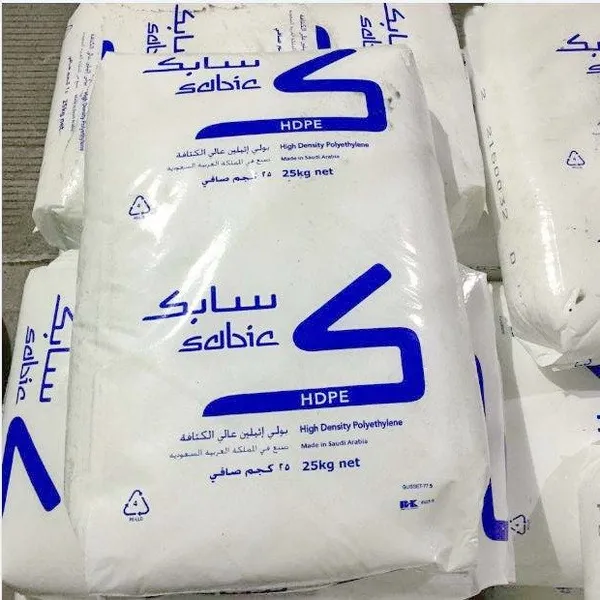
HDPE Film Grade Hta-001 Injection for High Strength ToughnessNegotiableMOQ: 1 Kilogram
-
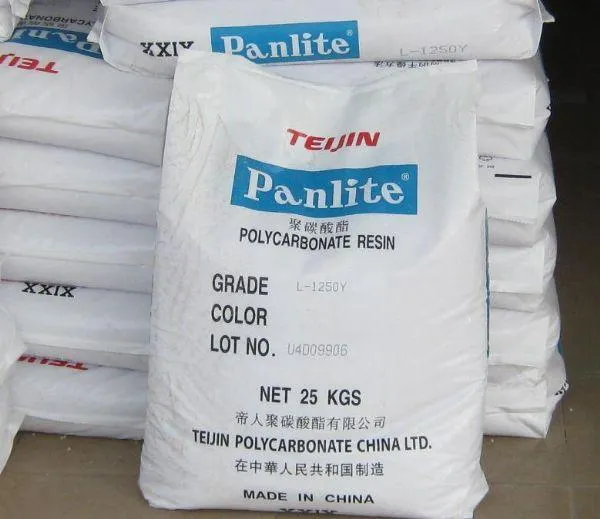
High‑Heat‑Resistant Optical‑Grade Polycarbonate PC Resin Teijin SP‑1516 for Camera Lens ManufacturingNegotiableMOQ: 1 Kilogram
-
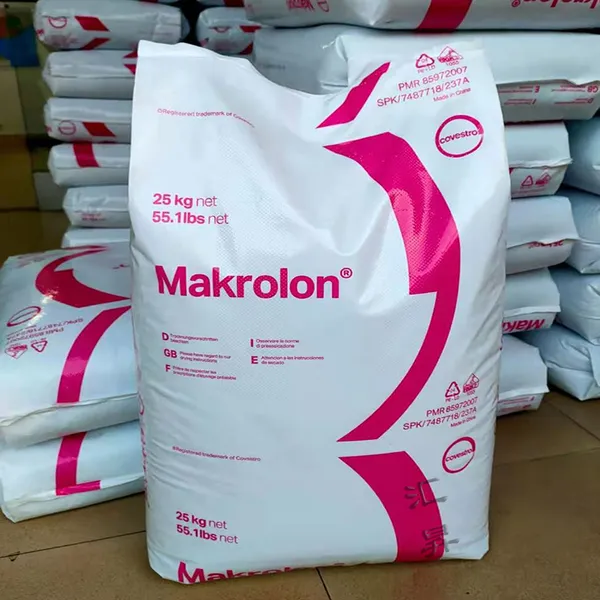
PC Resin Covestro 1803 With High Impact Resistance for Automotive PartsNegotiableMOQ: 25 Kilograms
-
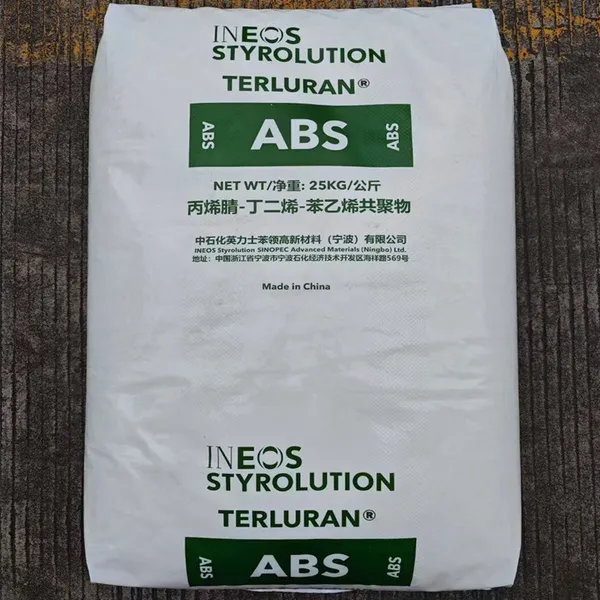
General Purpose ABS GP-22 From Ineos Ideal for Daily Consumer Goods and Common Injection PartsNegotiableMOQ: 1 Kilogram
-
Celanese DuPont Precision XGC-25 DuPont Injection Molding Plastic Products POMNegotiableMOQ: 1 Kilogram
-
High Impact ABS Plastic Granules HI-121H Industrial Raw MaterialNegotiableMOQ: 1 Kilogram

-
Sinopec PP N-T30S Virgin Wire Drawing Grade Polypropylene GranulesNegotiableMOQ: 1 Kilogram
-
POM F10-03H With High Impact Resistance for Automotive Fuel System ComponentsNegotiableMOQ: 1 Kilogram
-
General Impact Grade ABS PA 737 Fit for Mass Production Daily Plastic and Office Supply PartsNegotiableMOQ: 1 Kilogram
-
366-5 PP Resin Granules With High Impact Strength for Industrial UseNegotiableMOQ: 1 Kilogram
-
PP Granules 3009 - Flame Retardant PP Compound for Electrical Components, UL94 V-2 RatedNegotiableMOQ: 1 Kilogram
-
PC-115P Polycarbonate Resin for 3D Printing Filaments With Low WarpageNegotiableMOQ: 1 Kilogram
-
Low‑Temperature Impact PP Pellets K4750 Modified Copolymer for Automotive BumpersNegotiableMOQ: 1 Kilogram
-
Chimei ABS Resin D-2200 for Luggage and Travel Cases With High RigidityNegotiableMOQ: 1 Kilogram
-
Natural Color Delrin POM M90NAT Celanese DuPont Virgin Resin Raw MaterialNegotiableMOQ: 1 Kilogram
-
FMA016 HDPE Grade for Large-Diameter Corrugated Pipe ProductionNegotiableMOQ: 1 Kilogram