
 Business License
Types of Plastic Packaging Materials: A Technical Guide to Selection and Specification
Maria Santos, a packaging engineer for a food processing company in Lisbon, received an urgent call from quality control. A shipment of olive oil bottles had developed microcracks during a summer heatwave. The bottles were made from recycled PET, and the supplier had changed resin sources without notification.
The batch failed internal pressure testing at 45°C. Twelve thousand liters of product were at risk.
The root cause was a mismatch between the packaging material and the thermal demands of the supply chain. Maria had specified PET based on cost and transparency. She had not accounted for the crystallinity variation between the original and replacement resin grades. A simple material qualification gap turned into a $28,000 recall.
You have probably faced a version of this dilemma. Plastic packaging dominates global material flows for good reason. It is lightweight, cost-effective, moldable into complex shapes, and can be engineered with precise barrier properties.
But the term "plastic packaging" covers dozens of polymer families, each with distinct mechanical, thermal, and chemical behaviors. Selecting the wrong type for your product, distribution environment, or regulatory requirements creates exactly the kind of failure Maria experienced.
This guide examines the major types of plastic packaging materials used in commercial and industrial applications. You will learn how polyethylene, polypropylene, PET, polystyrene, and PVC compare in barrier performance, processing characteristics, and total cost of ownership. Whether you are specifying materials for food packaging, industrial containers, or protective transit packaging, the framework here will help you make informed decisions.
Why Plastic Packaging Material Selection Matters
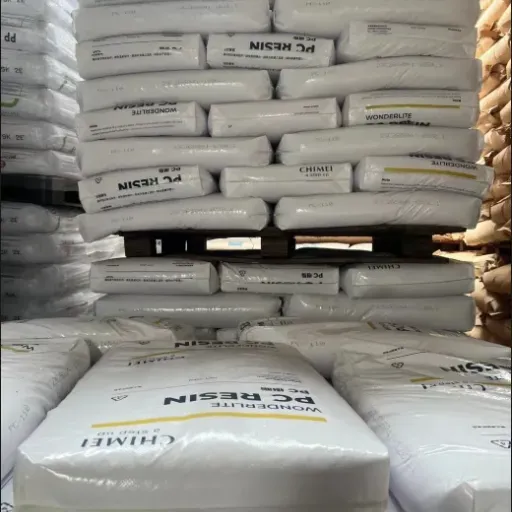
Plastic packaging serves functions that paper, metal, and glass cannot match at equivalent cost. Flexible films extend shelf life through controlled gas permeability. Rigid containers provide structural protection during distribution.
Foams cushion fragile products against impact. Barrier layers prevent moisture, oxygen, and light from degrading contents.
The consequences of poor material selection extend beyond immediate product failure. Incompatible plastics can leach additives into food or pharmaceutical products, creating regulatory violations. Inadequate barrier properties shorten shelf life and increase waste. Mechanical failures in transit generate returns, replacements, and damaged customer relationships.
At the same time, the right plastic packaging material delivers measurable advantages. High-density polyethylene drums resist chemical attack that would corrode metal alternatives. Polypropylene crates withstand repeated steam sterilization in closed-loop distribution systems. PET bottles provide glass-like clarity at one-tenth the weight, reducing transportation emissions.
The key is matching the polymer family, grade, and construction to the specific functional, regulatory, and economic demands of the application. Generic "plastic packaging" without qualification is a recipe for the failures Maria encountered.
Technical Note: Always request material data sheets specifying melt flow index, density, and additive packages for any plastic packaging material. Food-contact applications require explicit migration testing data and regulatory compliance statements (FDA, EU 10/2011, or equivalent).
Polyethylene: The Foundation of Flexible and Rigid Packaging
Polyethylene dominates global plastic packaging consumption by volume. Its low cost, chemical inertness, and broad processability make it the default choice for films, bottles, drums, and flexible containers across virtually every industry.
LDPE, LLDPE, and HDPE: Three Grades, Three Applications
Polyethylene packaging materials divide into three primary density grades, each with distinct property profiles.
Low-Density Polyethylene (LDPE) offers flexibility, clarity, and ease of sealing. Its branched molecular structure prevents tight crystalline packing, resulting in a soft, pliable material. LDPE dominates shrink wrap, stretch film, squeeze bottles, and bag applications where conformability matters more than stiffness.
Linear Low-Density Polyethylene (LLDPE) combines the flexibility of LDPE with improved tensile strength and puncture resistance. The linear polymer chains with short side branches create stronger intermolecular forces without sacrificing processability. LLDPE has largely replaced LDPE in stretch film and heavy-duty bag applications where load containment and durability are critical.
High-Density Polyethylene (HDPE) packs polymer chains more tightly, producing a rigid, strong material with excellent chemical resistance. HDPE bottles resist permeation by oils and solvents that would degrade other plastics. HDPE drums and intermediate bulk containers (IBCs) handle aggressive chemicals, food ingredients, and pharmaceuticals. The material's stiffness also supports thin-wall designs that reduce material consumption.
Barrier Properties and Limitations
Polyethylene provides moderate moisture barrier but poor oxygen barrier. This makes PE suitable for water-based products, detergents, and short-shelf-life foods. For oxygen-sensitive products like cooking oils, wine, or pharmaceutical preparations, PE requires co-extruded barrier layers (typically EVOH or PA) or metallization.
HDPE's chemical resistance is a double-edged advantage. It resists most acids, bases, and solvents. But its non-polar surface accepts printing and adhesives poorly without corona treatment or primer coatings. Label adhesion and decorative quality require process attention.
A logistics coordinator in Rotterdam learned this lesson when switching to HDPE shipping containers for a specialty chemical. The new containers reduced shipping weight by 40% compared to steel drums. However, the labels kept peeling during ocean transit through humid conditions.
The solution was a combination of corona surface treatment and solvent-based acrylic adhesives. The containers then outperformed steel in every metric: weight, corrosion resistance, and handling efficiency. For industrial packaging requiring HDPE's combination of strength and chemical resistance, proper surface preparation and adhesive selection complete the specification.
Polypropylene: Rigid Packaging and High-Temperature Performance
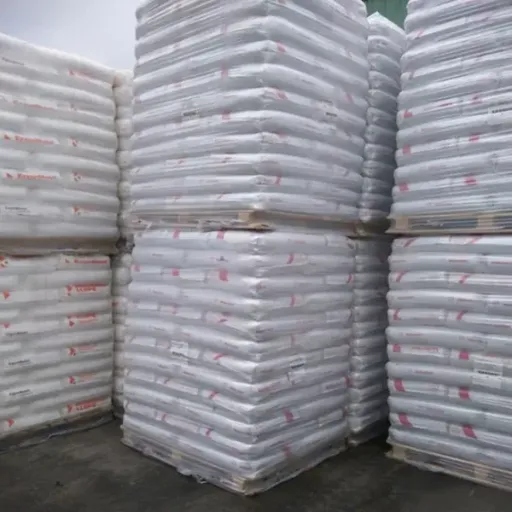
Polypropylene occupies a unique position among packaging plastics. It offers the highest heat deflection temperature of the commodity packaging polymers, excellent chemical resistance, and the lowest density of any major packaging plastic. These properties make PP the material of choice for hot-fill applications, retort pouches, microwaveable containers, and reusable transit packaging.
Homopolymer vs. Copolymer PP
Polypropylene homopolymer provides maximum stiffness, heat resistance, and chemical resistance. It is the default choice for rigid containers, caps and closures, and thin-wall packaging where dimensional stability matters. Homopolymer PP achieves heat deflection temperatures around 100°C, enabling hot-fill processing and steam sterilization.
Polypropylene copolymer incorporates ethylene to improve impact resistance at low temperatures. Random copolymers enhance clarity for transparent containers. Block copolymers improve toughness for cold-chain packaging and outdoor applications. The trade-off is slightly reduced stiffness and heat resistance compared to homopolymer grades.
Applications Where PP Outperforms PE
PP's higher melting point (160-170°C vs. 120-130°C for PE) enables applications that would destroy polyethylene packaging. Yogurt cups undergo hot-fill at 80-90°C. Ready-meal trays survive retort sterilization at 121°C.
Pharmaceutical vials endure autoclave cycles.
PP also offers superior transparency in clarified grades. Random copolymer PP achieves haze levels below 5%, approaching PET clarity at lower cost for containers where oxygen barrier is less critical.
The material's low density (0.90 g/cm³ vs. 0.95 for HDPE) means more containers per kilogram of resin. For high-volume packaging operations, this density advantage compounds into significant material cost savings over annual production.
A contract packager in Istanbul switched from PS to clarified PP for dessert cup packaging in 2023. The change eliminated the brittleness that had caused 3% breakage during automated filling. The PP cups withstood drop tests from 1.2 meters without cracking.
They also tolerated microwave reheating, opening a new product line the PS version could not support. The density advantage reduced material usage by 8% per cup. For food and consumer packaging requiring clarified polypropylene with heat and impact performance, PP homopolymer and copolymer grades provide a versatile specification base.
PET: Clarity, Barrier, and the Circular Economy
Polyethylene Terephthalate (PET) has become synonymous with beverage packaging. Its combination of glass-like clarity, good oxygen barrier, and recyclability makes it the dominant material for bottled water, carbonated drinks, juices, and personal care products.
Bottle-Grade PET and Processing
Packaging PET is produced through solid-state polymerization to achieve the intrinsic viscosity (IV) required for stretch blow molding. Standard bottle-grade PET has an IV of 0.72-0.82 dL/g. Lower IV grades suit thermoformed trays and sheet applications.
Stretch blow molding orientates the polymer chains biaxially, dramatically improving mechanical strength and barrier properties. A properly oriented PET bottle achieves tensile strengths exceeding 200 MPa in the hoop direction. This orientation also reduces gas permeability by creating a more tortuous diffusion path for oxygen and carbon dioxide.
Barrier Enhancement for Sensitive Products
Standard PET provides adequate barrier for carbonated beverages with 3-6 month shelf life. For oxygen-sensitive products like beer, wine, and certain pharmaceuticals, barrier enhancement is essential.
Multilayer co-injection sandwiches barrier materials (MXD6 nylon or EVOH) between PET layers. This maintains PET's recyclability while extending shelf life to 12+ months.
Oxygen scavengers blended into PET react with permeating oxygen before it reaches the product. These additives are particularly effective for beer and juice packaging.
Plasma coatings deposit thin silicon oxide or carbon layers on the bottle interior. These coatings provide near-glass barrier performance without significant weight increase or recyclability compromise.
Recycled Content and rPET
Post-consumer recycled PET (rPET) is increasingly mandated by corporate sustainability commitments and regulatory requirements. The EU Single-Use Plastics Directive requires 25% recycled content in PET bottles by 2025, increasing to 30% by 2030.
rPET processing requires careful quality control. Contaminants, IV degradation from previous heat histories, and color variation all affect performance. Food-contact rPET must be produced through super-clean recycling processes or mechanical recycling with extensive sorting and washing.
Maria's olive oil failure stemmed from exactly these variables. The replacement rPET had lower IV and higher acetaldehyde content from inconsistent recycling input streams. A simple incoming inspection program testing IV and contaminant levels would have flagged the issue before production.
Polystyrene: Foam Protection and Rigid Clarity
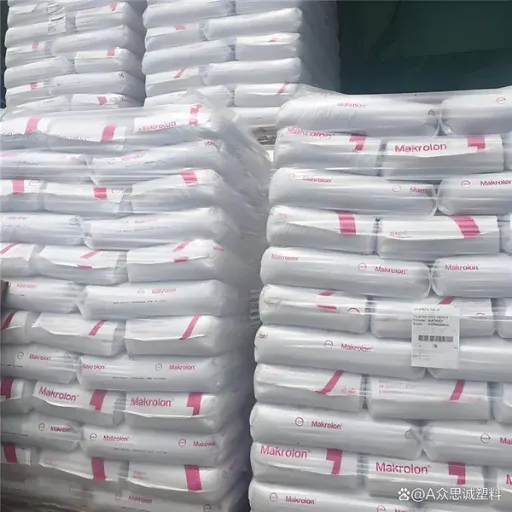
Polystyrene serves two distinct packaging roles. Expanded Polystyrene (EPS) foam provides cushioning and thermal insulation for temperature-sensitive shipments. General Purpose Polystyrene (GPPS) and High Impact Polystyrene (HIPS) provide rigid clarity and printability for display packaging.
EPS Foam Packaging
EPS is manufactured by expanding polystyrene beads with pentane blowing agents, then molding into blocks or shaped forms. The resulting foam is 95-98% air by volume, providing exceptional cushioning at very low weight.
EPS dominates protective packaging for electronics, appliances, and temperature-sensitive pharmaceuticals. Its thermal insulation maintains cold chain integrity for vaccines, biologics, and fresh food shipments. However, EPS's bulk-to-weight ratio creates logistical challenges for recycling, and many jurisdictions have restricted or banned EPS food packaging.
GPPS and HIPS for Rigid Packaging
General Purpose Polystyrene offers excellent clarity and rigidity at low cost. It is used for blister packs, clamshells, and display packaging where product visibility drives purchasing decisions. GPPS is brittle, limiting its use in applications with impact risk.
High Impact Polystyrene incorporates polybutadiene rubber to improve toughness. HIPS replaces GPPS in dairy containers, refrigerator liners, and packaging for heavier products. The trade-off is reduced clarity and surface gloss.
Both GPPS and HIPS process easily through thermoforming and injection molding. Their amorphous structure provides excellent dimensional stability and low mold shrinkage, simplifying tight-tolerance tooling.
PVC: Barrier Films and Blister Packs
PVC retains a specialized but significant role in packaging despite environmental scrutiny. Its excellent oxygen barrier, clarity, and thermoformability make it irreplaceable for certain pharmaceutical and medical packaging applications.
Pharmaceutical Blister Packaging
PVC forms the base film for most pharmaceutical blister packs. The thermoformed cavities hold individual tablets or capsules, while lidding foil provides child resistance, moisture barrier, and tamper evidence. PVC's clarity enables automated vision inspection of contents, and its stiffness supports push-through dispensing.
PVDC-coated PVC multiplies moisture and oxygen barrier performance. This coated film extends shelf life for hygroscopic drugs from months to years. The coating adds cost but is essential for moisture-sensitive formulations.
Shrink Film and Sleeves
PVC shrink film provides 360-degree label coverage for bottles and containers. The film's high shrink percentage (up to 60%) and low shrink temperature enable full-body decorative sleeves that conform to complex contours. However, PET-G and OPS films are increasingly replacing PVC in shrink sleeve applications due to recycling compatibility concerns.
Material Comparison and Selection Framework
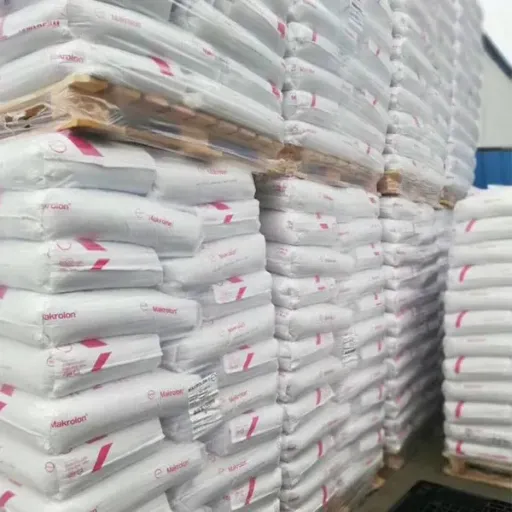
Selecting the right plastic packaging material requires systematic evaluation of product requirements, distribution conditions, and regulatory constraints.
Step 1: Define Functional Requirements
Document the specific demands of the packaging application:
Product compatibility: Chemical interaction between contents and container material
Barrier requirements: Oxygen, moisture, light, and odor transmission limits
Mechanical loads: Stack height, drop height, compression during transit
Temperature exposure: Filling temperature, storage conditions, end-use heating or freezing
Shelf life target: Months or years of protection required
Regulatory compliance: Food contact, pharmaceutical, medical device, or hazardous material requirements
Step 2: Match Material to Requirements
Use this matrix as a starting point for material selection:
| Material | Clarity | Oxygen Barrier | Moisture Barrier | Heat Resistance | Cost |
|---|---|---|---|---|---|
| LDPE/LLDPE | Low | Poor | Good | Low | Very Low |
| HDPE | Opaque | Poor | Excellent | Moderate | Low |
| PP Homopolymer | Moderate | Poor | Good | High | Low |
| PP Copolymer | High | Poor | Good | Moderate | Low-Moderate |
| PET | Excellent | Good | Moderate | Moderate | Moderate |
| PS (GPPS) | Excellent | Poor | Moderate | Low | Very Low |
| PS (HIPS) | Opaque | Poor | Moderate | Low | Low |
| PVC | Good | Good | Moderate (uncoated) | Low | Moderate |
Step 3: Validate and Test
Request and verify critical data from resin suppliers:
Migration testing data for food-contact or pharmaceutical applications
Barrier test data at relevant temperature and humidity conditions
Mechanical properties after thermal and UV aging
Recyclability and recycled content certifications where required
Regulatory compliance statements (FDA, EU, or national equivalents)
Lot-to-lot consistency data for ongoing production
A procurement manager for a pharmaceutical company in Mumbai followed this framework when evaluating blister packaging materials. The initial specification used standard PVC for cost reasons. After testing revealed inadequate moisture protection for the active ingredient, the specification moved to PVDC-coated PVC.
The material cost increased by 18%, but product shelf life extended from 18 months to 36 months. The total cost of ownership improved because reduced expiry waste and fewer production batches offset the higher material price.
Sustainability Considerations in Packaging Material Selection
Sustainability now influences packaging material selection as heavily as functional performance. Regulatory mandates, corporate commitments, and consumer expectations all drive demand for lower-impact packaging solutions.
Recyclability by Material
PET enjoys the most mature recycling infrastructure globally. Clear PET bottles achieve recycling rates above 50% in markets with deposit schemes. rPET quality is well-established, and food-contact approval processes are standardized.
HDPE also recycles effectively, particularly for bottles and rigid containers. Natural and white HDPE commands premium prices in recycling markets because it can be recompounded into any color.
PP recycling is growing but less developed than PET and HDPE. The variety of PP grades (homopolymer, copolymer, filled, talc-modified) complicates sorting and reprocessing. However, PP's low density means less material per package, reducing overall polymer consumption.
PS recycling remains limited due to low collection volumes and contamination challenges. EPS foam recycling is geographically patchy, and many markets lack infrastructure.
PVC recycling faces structural challenges. Chlorine content complicates reprocessing, and PVC contamination can degrade entire batches of other recycled plastics. Many brands have committed to PVC elimination timelines.
Lightweighting and Source Reduction
The most effective sustainability strategy is using less material per package. Thin-wall injection molding, downgauged films, and optimized structural design reduce polymer consumption without compromising protection. A 10% reduction in packaging weight across a billion-unit production saves 1,000 metric tons of plastic resin.
Biobased and Biodegradable Alternatives
Biobased PE and PP (produced from sugarcane ethanol rather than petroleum) offer identical performance with reduced fossil carbon footprint. These materials are chemically identical to conventional PE and PP, so they process, perform, and recycle the same way.
Biodegradable plastics like PLA serve niche applications but rarely match the barrier, heat resistance, or processing efficiency of conventional packaging polymers. They require industrial composting facilities that are not universally available.
Common Specification Mistakes
Even experienced packaging engineers make predictable errors with plastic material selection.
Specifying Clarity When Barrier Matters is a frequent oversight. A transparent container looks appealing on shelf but fails functionally if oxygen or moisture permeation degrades the product. Always verify barrier requirements before selecting a material for its appearance.
Ignoring Thermal Expansion in Closure Design causes leakers and cap failures. Different plastics expand at different rates. A PP cap on a PET bottle may loosen during temperature cycling because PP's thermal expansion coefficient is higher. Thread design and torque specifications must account for differential expansion.
Selecting on Upfront Cost Alone ignores total cost of ownership. The cheapest material often creates downstream costs: shorter shelf life, higher damage rates, or regulatory non-compliance. HDPE drums cost more than steel upfront but eliminate corrosion, reduce shipping weight, and require no internal coatings.
Overlooking Additive Migration in food and pharmaceutical applications can create regulatory violations. Plasticizers, antioxidants, and colorants can migrate into product contents. Always verify migration testing data against the specific food type or pharmaceutical formulation being packaged.
Conclusion
Types of plastic packaging materials span a spectrum from flexible LDPE films to rigid PET bottles to protective EPS foam. Each polymer family offers distinct advantages in barrier performance, mechanical strength, heat resistance, and cost. The right selection depends on matching material properties to product requirements, distribution conditions, and regulatory constraints.
Key takeaways:
Polyethylene dominates flexible packaging and chemical containers due to low cost and chemical resistance.
Polypropylene excels in hot-fill, retort, and reusable packaging where heat resistance matters.
PET provides the best combination of clarity, barrier, and recyclability for beverage and personal care packaging.
Polystyrene serves specialized roles in protective foam and display packaging.
PVC remains essential for pharmaceutical blister packs despite sustainability pressures.
Sustainability considerations now influence material selection as heavily as functional performance.
Always validate barrier data, migration testing, and regulatory compliance before production commitment.
At Shanghai Wenqin Plastics, we supply polyethylene and polypropylene grades for packaging applications, backed by complete technical documentation, batch consistency data, and application engineering support. We also provide engineering plastics including PC, ABS, and PMMA for specialized functional packaging, medical device housings, and protective transit solutions. Request a quotation or contact our technical team to discuss your packaging material requirements, processing parameters, and performance specifications.
Recently Posted
-
Plastic Waste Solutions: A Manufacturing Guide to Recycled and Circular Materials
June 8, 2026Every year, global manufacturing generates over 400 million metric tons of plastic waste. Less than 10% of that material returns t Read More
 -
Sustainable Plastic Materials: A Practical Guide for Engineering Applications
June 8, 2026By 2030, the global market for recycled engineering plastics is projected to reach $47 billion, yet many manufacturers still hesit Read More
 -
Best Eco-Friendly Alternatives to Plastic: A Manufacturer's Guide to Sustainable Material Selection
June 8, 2026In March 2025, a product manager at a European appliance manufacturer received an ultimatum from his largest retail partner. By Q4 Read More
 -
Plastic Recycling Process: A Complete Guide for Manufacturers and Material Buyers
June 5, 2026Over 400 million metric tons of plastic produced annually worldwide, according to the OECD Global Plastics Outlook. Only about 9%
Read More

Contact Us
Recommended Products
-
 POM GF-10 Glass-Fiber Reinforced Resin Pellets for Industrial GearsNegotiableMOQ: 1 Kilogram
 -
Duracon POM SW-01 Granules - High-Performance Copolymer Resin for Industrial UseNegotiableMOQ: 1000 Kilograms
-
Basel Origin PP 4160/HP500N General Purpose Injection Molding Homopolymer Polypropylene PP PelletsNegotiableMOQ: 1000 Kilograms
-
Chimei ABS Resin D-1200 for Electronic Enclosures With Flame Retardant PropertiesNegotiableMOQ: 1 Kilogram
-
HDPE Film Grade Hta-001 Injection for High Strength ToughnessNegotiableMOQ: 1 Kilogram
-
High‑Heat‑Resistant Optical‑Grade Polycarbonate PC Resin Teijin SP‑1516 for Camera Lens ManufacturingNegotiableMOQ: 1 Kilogram
-
PC Resin Covestro 1803 With High Impact Resistance for Automotive PartsNegotiableMOQ: 25 Kilograms
-
General Purpose ABS GP-22 From Ineos Ideal for Daily Consumer Goods and Common Injection PartsNegotiableMOQ: 1 Kilogram
-
Celanese DuPont Precision XGC-25 DuPont Injection Molding Plastic Products POMNegotiableMOQ: 1 Kilogram
-
High Impact ABS Plastic Granules HI-121H Industrial Raw MaterialNegotiableMOQ: 1 Kilogram

-
Sinopec PP N-T30S Virgin Wire Drawing Grade Polypropylene GranulesNegotiableMOQ: 1 Kilogram
-
POM F10-03H With High Impact Resistance for Automotive Fuel System ComponentsNegotiableMOQ: 1 Kilogram
-
General Impact Grade ABS PA 737 Fit for Mass Production Daily Plastic and Office Supply PartsNegotiableMOQ: 1 Kilogram
-
366-5 PP Resin Granules With High Impact Strength for Industrial UseNegotiableMOQ: 1 Kilogram
-
PP Granules 3009 - Flame Retardant PP Compound for Electrical Components, UL94 V-2 RatedNegotiableMOQ: 1 Kilogram
-
PC-115P Polycarbonate Resin for 3D Printing Filaments With Low WarpageNegotiableMOQ: 1 Kilogram
-
Low‑Temperature Impact PP Pellets K4750 Modified Copolymer for Automotive BumpersNegotiableMOQ: 1 Kilogram
-
Chimei ABS Resin D-2200 for Luggage and Travel Cases With High RigidityNegotiableMOQ: 1 Kilogram
-
Natural Color Delrin POM M90NAT Celanese DuPont Virgin Resin Raw MaterialNegotiableMOQ: 1 Kilogram
-
FMA016 HDPE Grade for Large-Diameter Corrugated Pipe ProductionNegotiableMOQ: 1 Kilogram