
 Business License
Best Eco-Friendly Alternatives to Plastic: A Manufacturer's Guide to Sustainable Material Selection
In March 2025, a product manager at a European appliance manufacturer received an ultimatum from his largest retail partner. By Q4, all packaging and non-structural components had to use either recycled content or certified biodegradable materials.
The company's engineering team had spent fifteen years optimizing their product around ABS housings and PP internal brackets. Suddenly, sustainability wasn't a marketing angle. It was a supply chain requirement with a hard deadline.
His situation is increasingly common. Whether driven by customer mandates, regulatory pressure, or internal sustainability targets, manufacturers across automotive, electronics, and appliance sectors are actively evaluating eco-friendly alternatives to plastic.
The challenge isn't finding alternatives. It's finding alternatives that perform reliably at scale without compromising the mechanical, thermal, and chemical properties their applications demand.
This guide examines the most viable eco-friendly alternatives to plastic for manufacturing applications. You'll learn which materials match specific performance requirements, where they fall short, and how to evaluate trade-offs between sustainability credentials and functional performance.
Why Manufacturers Are Replacing Conventional Plastics
The shift away from virgin petroleum-based plastics is accelerating across multiple fronts. Understanding the drivers helps manufacturers anticipate which requirements will affect their specific industry and timeline.
Regulatory Pressure
The European Union's Packaging and Packaging Waste Regulation mandates minimum recycled content percentages in plastic packaging. Extended Producer Responsibility schemes in multiple jurisdictions place end-of-life costs on manufacturers. The EU's proposed End-of-Life Vehicle directive targets 25% recycled plastic content in new vehicles by 2030.
Customer and Retailer Mandates
Major retailers and OEMs are setting their own sustainability requirements. Automotive OEMs request recycled content declarations. Electronics brands specify halogen-free, recyclable housings. Appliance manufacturers face retailer packaging requirements that exclude virgin petroleum-based materials.
Internal Sustainability Targets
Many manufacturers have committed to Science Based Targets or net-zero roadmaps. For companies in this position, material selection becomes a lever for reducing Scope 3 emissions and demonstrating progress to stakeholders.
Want to understand how recycled content grades perform in demanding applications? Explore our engineering plastics portfolio including grades suitable for post-industrial recycled content compounds.
Bio-Based Polymers: Plastics from Renewable Sources
Bio-based polymers use renewable feedstocks rather than petroleum. The key distinction: bio-based refers to origin, not necessarily biodegradability. Some bio-based polymers behave like conventional plastics in end-of-life scenarios.
PLA (Polylactic Acid)
PLA is the most widely produced bio-based plastic. It's derived from corn starch or sugarcane and offers good stiffness and clarity comparable to PET.
Properties:
Tensile strength: 50-70 MPa (comparable to general-purpose PET)
Heat deflection temperature: 55-60°C (unfilled)
Transparency: Excellent
Processability: Injection molding and extrusion compatible
Best applications: Food packaging, disposable cutlery, cosmetic containers, non-structural transparent parts.
Limitations: Low heat resistance restricts use in applications above 60°C. Poor impact resistance compared to ABS or PC. Limited chemical resistance to solvents and oils.
Manufacturing consideration: PLA requires controlled humidity storage. It hydrolyzes at elevated temperatures and moisture levels, degrading mechanical properties before processing.
Bio-Based PE and Bio-Based PP
These materials are chemically identical to conventional polyethylene and polypropylene but produced from ethanol derived from sugarcane or other biomass.
Properties: Identical to fossil-based PE and PP in mechanical, thermal, and processing behavior.
Best applications: Any application where conventional PE or PP performs adequately but sustainability credentials matter. Packaging films, bottles, non-structural molded components.
Limitations: The material itself is not biodegradable or more recyclable than conventional PE/PP. The sustainability benefit is purely in the renewable feedstock. Carbon footprint reduction varies by study but typically ranges from 30-70% compared to fossil-based equivalents.
Manufacturing consideration: Drop-in replacement for conventional PE/PP. No equipment or process parameter changes required.
Bio-Based PA (Polyamide)
Several producers now offer PA11 and partially bio-based PA610 derived from castor oil. These materials offer genuine performance advantages in specific applications.
Properties:
PA11: Lower moisture absorption than PA6 or PA66, excellent chemical resistance
PA610: Better dimensional stability than standard nylons due to lower moisture uptake
Best applications: Fuel lines, pneumatic tubing, oil-contact components, automotive under-hood applications.
Limitations: Higher cost than conventional PA6 and PA66. Limited global production capacity compared to petroleum-based nylons.
Recycled and Recyclable Materials
For many applications, the most practical near-term alternative to virgin plastic is recycled plastic. The performance gap between virgin and recycled engineering plastics continues to narrow, and that's good news for manufacturers under pressure to meet recycled content targets.
Post-Industrial Recycled Engineering Plastics
Post-industrial scrap from manufacturing processes offers the highest quality recycled material. Sprues, runners, and off-spec parts from injection molding are clean, well-characterized, and mechanically similar to virgin material.
When Sarah, a sourcing manager at an automotive Tier-2 supplier, switched from virgin PA66 GF30 to a 30% post-industrial recycled compound for a non-structural bracket, she expected processing challenges. Instead, her molder reported nearly identical melt flow behavior. The recycled grade cost 12% less and carried a recycled content certification that satisfied her customer's sustainability audit. The bracket's application didn't demand maximum mechanical performance, so the slight reduction in tensile strength had no functional impact.
Best applications: Interior automotive trim, non-structural brackets, packaging components, appliance housings where maximum mechanical properties are not critical.
Limitations: Each reprocessing cycle degrades polymer chains. Glass fiber length shortens during recycling, reducing stiffness. Color matching can be challenging with mixed feedstock sources.
rPET (Recycled Polyethylene Terephthalate)
rPET from beverage bottle recycling has established supply chains and competitive pricing. Food-grade rPET is widely available.
Properties: Similar to virgin PET, with slight reductions in intrinsic viscosity affecting processing behavior.
Best applications: Packaging, fiber, non-food containers, sheet applications.
Manufacturing consideration: rPET typically requires slightly higher processing temperatures and may need IV enhancement for demanding applications.
Recycled PC, ABS, and PA66
Post-industrial recycling of engineering plastics is more advanced than many manufacturers realize. Clean PC scrap from optical disc manufacturing, ABS from appliance production, and PA66 from automotive molding all enter recycling streams.
Shanghai Wenqin Plastics can supply modified compounds incorporating post-industrial recycled content for customers seeking to meet recycled content targets while maintaining processing consistency. Contact our technical team to discuss recycled content grades for your application.
Non-Polymer Alternatives
For some applications, materials outside the polymer family offer viable substitutes for conventional plastics.
Aluminum and Magnesium Alloys
Lightweight metals can replace plastic in structural applications where heat resistance, stiffness, or EMI shielding matter.
Advantages: Excellent recyclability (aluminum recycles indefinitely without property loss), high stiffness, good heat dissipation.
Limitations: Higher material and processing costs. Heavier than most plastics for equivalent volumes. Complex geometries require die casting or machining rather than injection molding.
Best applications: Heat sinks, structural frames, enclosures requiring EMI shielding, components exposed to sustained high temperatures.
Glass and Ceramics
For premium consumer products and specific industrial applications, glass and ceramics replace plastic in housings and containers.
Advantages: Excellent chemical resistance, infinite recyclability, premium perception.
Limitations: Fragility, weight, limited design flexibility, higher manufacturing costs.
Best applications: Cosmetic packaging, premium food containers, laboratory equipment, high-temperature applications.
Paper and Molded Fiber
For packaging applications, molded fiber and advanced paper composites are displacing expanded polystyrene and rigid plastic trays.
Advantages: Renewable feedstock, widely recyclable, compostable in many formulations.
Limitations: Poor moisture resistance without coating. Limited structural strength compared to plastic. Lower precision in molding.
Best applications: Protective packaging, food service containers, disposable trays, e-commerce shipping materials.
Natural Fiber Composites
Composites combining PP, PLA, or bio-based resins with flax, hemp, or jute fibers offer reduced carbon footprint and unique aesthetic properties.
Advantages: Lower density than glass-filled plastics, renewable fiber content, distinctive appearance.
Limitations: Higher moisture absorption than synthetic fiber composites. Variable fiber quality affects consistency. Limited availability of automotive-grade formulations.
Best applications: Interior automotive panels, consumer goods housings, furniture components, decorative trim.
Material Selection Framework for Sustainable Alternatives
Selecting an eco-friendly alternative requires systematic evaluation across multiple dimensions. Use this framework to avoid common mistakes.
Step 1: Define the Sustainability Objective
Different alternatives address different sustainability goals:
Reduce carbon footprint → Bio-based polymers, recycled content materials
Improve end-of-life recyclability → Single-material designs, materials with established recycling infrastructure
Enable biodegradability or compostability → PLA, PHA, paper-based materials
Reduce dependence on fossil fuels → Bio-based feedstocks
Without clear objectives, manufacturers risk selecting materials that score well on one metric but perform poorly on the dimensions that matter for their specific application. Don't let a single sustainability metric drive a decision that ignores functional requirements.
Step 2: Match Material Properties to Application Requirements
Create a requirements matrix comparing your application's needs against candidate materials:
| Requirement | Virgin ABS | Recycled ABS | PLA | Bio-PA | Aluminum |
|---|---|---|---|---|---|
| Heat resistance | Good | Good | Poor | Good | Excellent |
| Impact strength | Excellent | Good | Poor | Good | N/A |
| Chemical resistance | Good | Good | Limited | Excellent | Excellent |
| Cost | Baseline | -10-15% | Similar | +30-50% | +100%+ |
| Recycled content | 0% | 30-100% | 0% | 0% | 50-95% |
| Processing ease | Excellent | Excellent | Moderate | Good | N/A |
Step 3: Evaluate Supply Chain Maturity
Emerging sustainable materials often face supply constraints. Before specifying a material, verify:
Production capacity globally and in your region
Lead times compared to conventional materials
Quality consistency across batches
Documentation availability (TDS, MSDS, compliance certificates)
Technical support from the supplier for processing guidance
Step 4: Validate Processing and Performance
Don't switch materials based on datasheet comparisons alone. Implement a qualification protocol:
Request samples from multiple suppliers
Conduct processing trials under your standard parameters
Test molded parts for all critical properties
Evaluate appearance, dimensional stability, and long-term aging
Verify compliance with relevant standards (UL, automotive, food contact)
When a German electronics manufacturer decided to replace virgin PC/ABS housings with a 50% recycled content grade, their qualification process revealed a subtle color shift under UV aging that hadn't appeared in virgin material. The issue was solvable with a UV stabilizer adjustment, but only because they caught it during qualification rather than in production.
When Engineering Plastics Remain the Best Choice
A balanced perspective on sustainability acknowledges that replacing plastic isn't always the right decision. In many engineering applications, conventional or recycled engineering plastics outperform alternatives on lifecycle metrics.
Lightweighting and Fuel Efficiency
In automotive applications, replacing metal with plastic reduces vehicle weight. The fuel savings over the vehicle's life often outweigh the environmental impact of plastic production. PA66 GF30 engine covers, POM fuel system components, and PP bumper fascias all contribute to efficiency gains that benefit overall lifecycle emissions.
Durability and Product Lifespan
A plastic component that lasts ten years may have lower lifecycle impact than a biodegradable alternative that requires replacement every two years. Durability matters in sustainability calculations.
Recycled Content Grades
For manufacturers committed to sustainability but unable to sacrifice performance, recycled content engineering plastics offer a middle path. Post-industrial recycled ABS, PC, and PA66 compounds maintain adequate properties for many applications while meeting recycled content requirements.
Need guidance on selecting the right material for your sustainability requirements? Request a technical consultation to discuss whether recycled content grades, bio-based options, or conventional engineering plastics best serve your application.
Practical Steps for Implementation
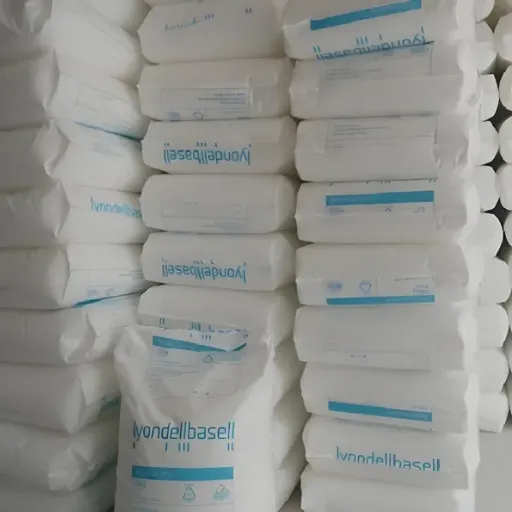
For manufacturers ready to incorporate sustainable materials, here is a practical roadmap:
Start with non-critical applications. Packaging, internal brackets, and non-structural housings offer lower risk for material transitions than load-bearing or safety-critical components.
Qualify thoroughly. Sustainable materials often have narrower processing windows than their conventional counterparts. Invest in proper molding trials and long-term testing.
Document everything. Sustainability claims require substantiation. Maintain records of material sources, recycled content percentages, and compliance certificates.
Plan for scale. A material that works in pilot production may face supply constraints at volume. Confirm supply agreements before committing to specification changes.
Monitor regulations. The regulatory landscape is evolving rapidly. Materials that comply today may need reformulation as standards tighten.
Consider the full lifecycle. A material with renewable feedstock but poor recyclability may not outperform a durable, recyclable conventional plastic on overall environmental impact. Lifecycle assessment provides the complete picture.
Conclusion
The best eco-friendly alternative to plastic depends entirely on your application requirements, sustainability objectives, and supply chain constraints. Bio-based polymers like PLA and bio-PE offer renewable feedstocks for appropriate applications. Recycled content engineering plastics provide near-term performance with reduced environmental impact. Non-polymer alternatives serve niche applications where metals, glass, or fiber composites offer genuine advantages.
For manufacturers, the practical path forward is not an all-or-nothing replacement of plastic. It is a strategic evaluation of where alternatives add value, where recycled content grades meet requirements, and where conventional engineering plastics continue to offer the best lifecycle performance.
Shanghai Wenqin Plastics supplies ABS, PC, PA6, PA66, POM, PP, PE, PBT, and PMMA grades, including modified compounds that can incorporate recycled content for customers with sustainability targets. Our technical team helps evaluate material options that balance environmental requirements with mechanical performance, processing behavior, and cost constraints. Contact our material selection team or request a technical data sheet to explore options for your next project.
Recently Posted
-
Plastic Waste Solutions: A Manufacturing Guide to Recycled and Circular Materials
June 8, 2026Every year, global manufacturing generates over 400 million metric tons of plastic waste. Less than 10% of that material returns t Read More
 -
Sustainable Plastic Materials: A Practical Guide for Engineering Applications
June 8, 2026By 2030, the global market for recycled engineering plastics is projected to reach $47 billion, yet many manufacturers still hesit Read More
 -
Plastic Recycling Process: A Complete Guide for Manufacturers and Material Buyers
June 5, 2026Over 400 million metric tons of plastic produced annually worldwide, according to the OECD Global Plastics Outlook. Only about 9%
Read More -
Is Plastic Recyclable? What Every Manufacturer Needs to Know
June 5, 2026Last quarter, a procurement manager at a mid-sized automotive supplier in Ohio faced an unexpected problem. Her company had just l Read More

Contact Us
Recommended Products
-
 POM GF-10 Glass-Fiber Reinforced Resin Pellets for Industrial GearsNegotiableMOQ: 1 Kilogram
 -
Duracon POM SW-01 Granules - High-Performance Copolymer Resin for Industrial UseNegotiableMOQ: 1000 Kilograms
-
Basel Origin PP 4160/HP500N General Purpose Injection Molding Homopolymer Polypropylene PP PelletsNegotiableMOQ: 1000 Kilograms
-
Chimei ABS Resin D-1200 for Electronic Enclosures With Flame Retardant PropertiesNegotiableMOQ: 1 Kilogram
-
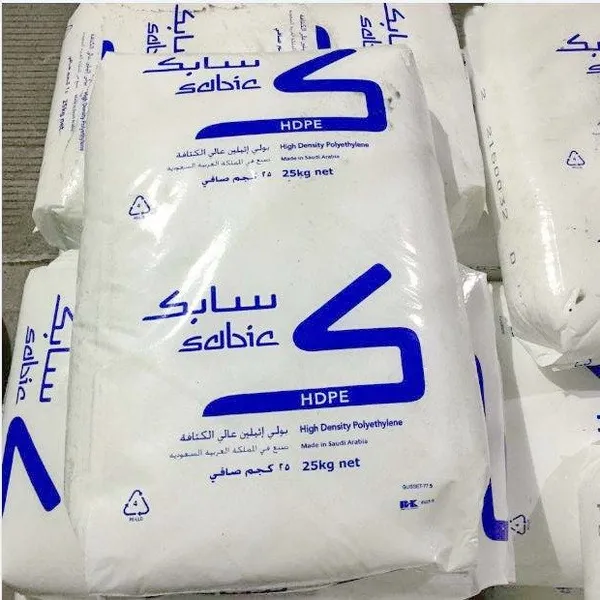
HDPE Film Grade Hta-001 Injection for High Strength ToughnessNegotiableMOQ: 1 Kilogram
-
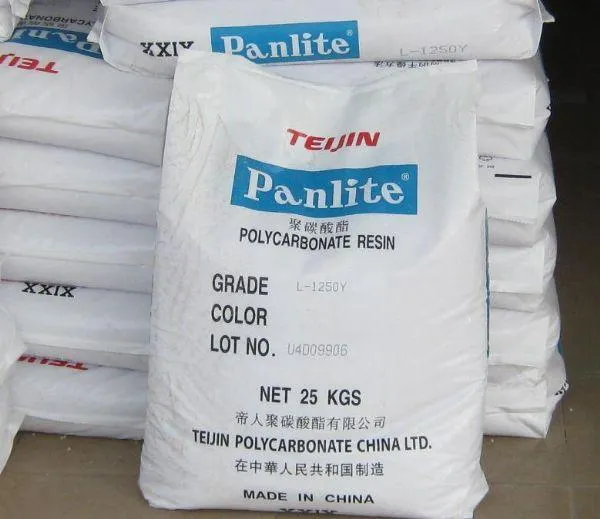
High‑Heat‑Resistant Optical‑Grade Polycarbonate PC Resin Teijin SP‑1516 for Camera Lens ManufacturingNegotiableMOQ: 1 Kilogram
-
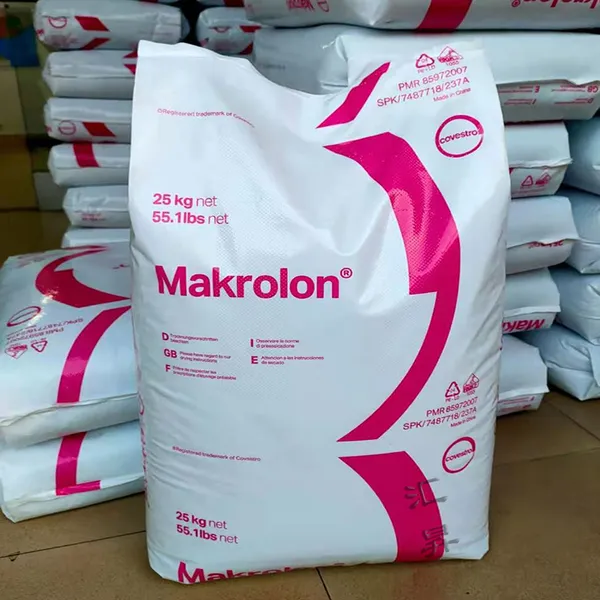
PC Resin Covestro 1803 With High Impact Resistance for Automotive PartsNegotiableMOQ: 25 Kilograms
-
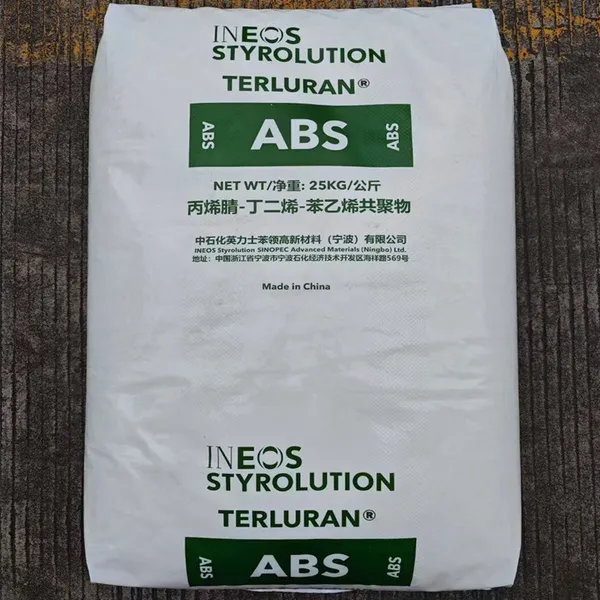
General Purpose ABS GP-22 From Ineos Ideal for Daily Consumer Goods and Common Injection PartsNegotiableMOQ: 1 Kilogram
-
Celanese DuPont Precision XGC-25 DuPont Injection Molding Plastic Products POMNegotiableMOQ: 1 Kilogram
-
High Impact ABS Plastic Granules HI-121H Industrial Raw MaterialNegotiableMOQ: 1 Kilogram

-
Sinopec PP N-T30S Virgin Wire Drawing Grade Polypropylene GranulesNegotiableMOQ: 1 Kilogram
-
POM F10-03H With High Impact Resistance for Automotive Fuel System ComponentsNegotiableMOQ: 1 Kilogram
-
General Impact Grade ABS PA 737 Fit for Mass Production Daily Plastic and Office Supply PartsNegotiableMOQ: 1 Kilogram
-
366-5 PP Resin Granules With High Impact Strength for Industrial UseNegotiableMOQ: 1 Kilogram
-
PP Granules 3009 - Flame Retardant PP Compound for Electrical Components, UL94 V-2 RatedNegotiableMOQ: 1 Kilogram
-
PC-115P Polycarbonate Resin for 3D Printing Filaments With Low WarpageNegotiableMOQ: 1 Kilogram
-
Low‑Temperature Impact PP Pellets K4750 Modified Copolymer for Automotive BumpersNegotiableMOQ: 1 Kilogram
-
Chimei ABS Resin D-2200 for Luggage and Travel Cases With High RigidityNegotiableMOQ: 1 Kilogram
-
Natural Color Delrin POM M90NAT Celanese DuPont Virgin Resin Raw MaterialNegotiableMOQ: 1 Kilogram
-
FMA016 HDPE Grade for Large-Diameter Corrugated Pipe ProductionNegotiableMOQ: 1 Kilogram