

 Business License
Engineering Plastics Used in Construction: Applications and Selection Guide
In 2019, contractors on a new sports arena project in Dubai faced a critical deadline. The original glass roofing specification would have required steel reinforcement so heavy that the supporting structure needed expensive redesign. Their materials consultant proposed a switch to UV-stabilized polycarbonate panels. The result: a 40% reduction in structural load, faster installation, and a finished roof that has withstood sandstorms and extreme temperatures for six years without failure.
That project illustrates a shift that has reshaped modern construction. Plastics used in construction are no longer secondary materials selected purely for cost. They are engineered solutions that solve structural, thermal, and durability challenges that traditional materials struggle to address. Whether you are specifying piping for a commercial development, selecting glazing for a facade, or sourcing materials for infrastructure rehabilitation, understanding the capabilities and limitations of construction-grade plastics directly affects project outcomes.
This guide examines the most important plastics used in construction today, from commodity polyolefins to high-performance engineering grades. You will learn which materials suit specific building applications, how to evaluate quality and compliance requirements, and what to prioritize when sourcing construction plastics for demanding environments.
Why Plastics Have Become Essential in Modern Construction
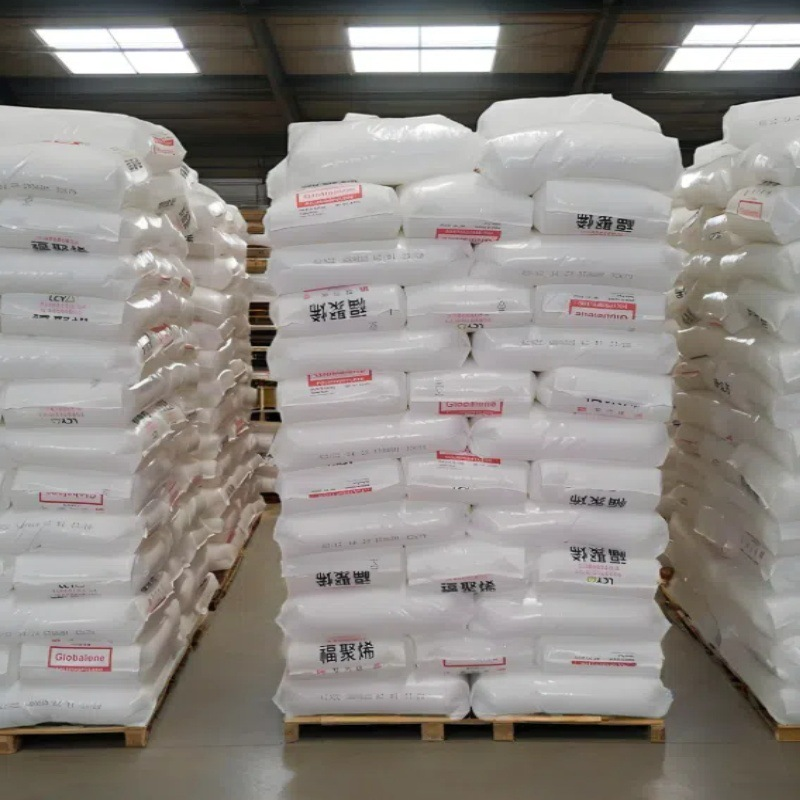
The global construction industry consumes approximately 20% of all plastics produced annually, and that share continues to grow. Several converging factors explain this trend.
Weight reduction ranks among the most compelling advantages. A polycarbonate glazing panel weighs roughly half as much as an equivalent glass pane. PVC piping systems weigh significantly less than metal alternatives. These savings translate directly into reduced structural requirements, lower transportation costs, and faster installation.
Corrosion resistance gives plastics a decisive edge in infrastructure applications. Buried water mains, sewage systems, and chemical drainage lines all face environments that degrade metals over time. PVC, PE, and PP piping systems routinely achieve service lives exceeding 50 years in aggressive soil and chemical environments.
Design flexibility enables shapes and configurations that metal, concrete, or glass cannot replicate. Complex ducting profiles, integrated sealing features, and custom-colored facade panels are all achievable through extrusion and injection molding of thermoplastic materials.
Thermal and acoustic insulation properties of plastics like expanded polystyrene and polyurethane foam have made them foundational to energy-efficient building envelopes. Modern building codes increasingly mandate insulation performance that would be impractical without plastic-based materials.
When Marcus Chen, a procurement manager for a Southeast Asian construction firm, evaluated materials for a hospital renovation in 2023, he initially specified aluminum ducting and glass skylights. After reviewing lifecycle costs, he switched to PP ducting and polycarbonate panels. The hospital reduced material costs by 23%, accelerated the construction schedule by three weeks, and achieved better thermal performance in the process. His decision was about matching material properties to application requirements, not cutting corners.
Want to explore which engineering plastics suit your construction application? Browse our polycarbonate and PMMA grades for glazing and lighting solutions, or contact our technical team for material selection guidance.
PVC and Polyolefins: The Backbone of Construction Infrastructure
PVC in Piping and Drainage Systems
Polyvinyl chloride (PVC) remains the dominant material for residential and commercial piping, accounting for the majority of plastic pipe installations worldwide. Its combination of chemical resistance, rigidity, and cost-effectiveness makes it the default choice for water supply, drainage, and sewage systems.
Unplasticized PVC (uPVC) offers high stiffness and strength for pressure piping and window profiles. Plasticized PVC formulations provide flexibility for cable insulation and flexible ducting. Chlorinated PVC (CPVC) extends the temperature range, enabling hot water distribution systems that standard PVC cannot handle.
Key selection factors for PVC in construction include:
Pressure rating: PVC pipes are classified by standard dimension ratio (SDR) and pressure class. Exceeding rated pressure causes catastrophic failure.
Temperature limits: Standard PVC softens above 60°C. CPVC extends this to approximately 95°C for hot water applications.
Impact resistance: uPVC becomes brittle at low temperatures. Cold-climate installations require impact-modified grades or protective measures.
PE and PP in Infrastructure and Geotechnical Applications
High-density polyethylene (HDPE) dominates large-diameter water and gas distribution piping. Its flexibility, toughness, and resistance to slow-crack growth enable trenchless installation methods like directional drilling and pipe bursting that minimize surface disruption.
When Elena Rodriguez specified standard HDPE pipe for a municipal hot water distribution pilot project in Spain, she encountered early failures at joint locations. The material's lower temperature limit, around 80°C under pressure, was insufficient for the 85°C operating temperature.
She corrected the specification by switching to PE-RT (polyethylene of raised temperature resistance) for the hot water segments while retaining HDPE for cold water mains. The revised system has operated without incident for four years, demonstrating that even within a material family, grade selection must match service conditions precisely.
Polypropylene (PP) piping systems, particularly PP-R (random copolymer polypropylene), have gained significant market share in building plumbing and heating systems. PP-R offers excellent chemical resistance, lightweight installation, and fusion welding that creates leak-free joint systems. PP grades with glass fiber reinforcement are also used in structural applications where higher stiffness and heat deflection temperature are required.
Polycarbonate and PMMA: Glazing, Lighting, and Architectural Features
Polycarbonate for Durable Transparent Construction
Polycarbonate (PC) has transformed architectural glazing, roofing, and safety applications. Its impact resistance exceeds glass by a factor of 250, making it the material of choice for skylights, greenhouses, machine guards, and ballistic-resistant barriers.
Construction-grade polycarbonate is typically supplied as multi-wall sheets, solid sheets, or corrugated panels. Multi-wall configurations create insulating air layers that improve thermal performance while reducing weight. UV-stabilized coatings prevent yellowing and surface degradation from solar exposure.
Key properties that drive polycarbonate selection in construction include:
Impact strength: Virtually unbreakable under normal construction and service conditions
Light transmission: Up to 90% in optical grades, comparable to glass
Weight: Approximately half the density of glass, reducing structural loads
Formability: Cold bending capabilities enable curved roofing and facade designs
For applications requiring the highest optical clarity and surface hardness, PMMA (acrylic) offers superior transparency and scratch resistance. PMMA achieves light transmission of 92%, slightly exceeding polycarbonate, and resists scratching better than most thermoplastics. It suits display panels, decorative lighting fixtures, and architectural features where clarity and surface aesthetics are paramount.
The trade-off is reduced impact resistance. PMMA is significantly more brittle than polycarbonate. Specifying PMMA for high-impact zones like safety barriers or sports facilities would be a material selection error. Understanding this distinction ensures appropriate grade selection for each construction application.
Engineering Plastics in Building Envelopes and Structural Components
Beyond piping and glazing, engineering plastics increasingly appear in structural and semi-structural building components. Glass-filled nylon (PA66 GF30) and PBT compounds serve in electrical junction boxes, cable management systems, and connector housings that must withstand temperature cycling and mechanical loading.
Modified plastic compounds enable construction components with tailored properties:
Flame-retardant grades: Electrical enclosures and interior components require UL94-rated materials that inhibit flame propagation
UV-stabilized formulations: Exterior components exposed to direct sunlight need stabilized grades to prevent embrittlement and discoloration
Glass-reinforced compounds: Structural brackets, mounting hardware, and support components benefit from the stiffness and strength that glass fiber reinforcement provides
Modified plastics allow manufacturers to customize properties for specific construction requirements. A building facade bracket might require UV stabilization, flame retardancy, and high stiffness in a single compound. Custom compounding addresses these multi-property requirements without forcing compromises on individual performance characteristics.
Material Selection Criteria for Construction Applications
Selecting plastics used in construction requires systematic evaluation of application demands. The following framework guides specification decisions:
Mechanical Requirements
Identify the loads, stresses, and impact conditions the component will experience. A drainage pipe buried under road loading faces entirely different mechanical demands than a decorative interior panel. Glass-filled grades provide higher stiffness for structural applications, while unfilled grades offer better impact resistance for applications where toughness matters more than rigidity.
Thermal Environment
Establish the full temperature range including peak operating temperatures and seasonal extremes. PVC softens at relatively low temperatures, and standard ABS loses stiffness above 90°C.
PA66 and PBT handle higher temperatures but absorb moisture that affects dimensions. Match the material's heat deflection temperature and long-term thermal stability to actual service conditions.
Chemical Exposure
Assess contact with cleaning agents, soil chemistry, atmospheric pollutants, and process fluids. Polyolefins resist most aqueous chemicals but suffer swelling in hydrocarbons. Nylon grades resist oils and greases but degrade in strong acids. Specifying a material without verifying chemical compatibility invites premature failure.
Weathering and UV Exposure
Exterior applications require UV-stabilized grades. Unstabilized plastics exposed to sunlight undergo chain scission reactions that cause surface cracking, discoloration, and embrittlement.
Polycarbonate without UV coating yellows within months. ABS without UV stabilization becomes brittle and chalks. Always specify stabilized grades for outdoor construction applications.
Regulatory and Code Compliance
Construction materials must satisfy building codes, fire safety regulations, and environmental standards. Verify that selected grades meet:
Local building code requirements for flame spread and smoke development
Electrical safety standards for conductive or insulating properties
Environmental regulations such as RoHS and REACH for specified applications
NSF or equivalent potable water approvals for plumbing applications
Quality and Compliance Considerations for Construction Plastics
Consistent material quality matters in construction perhaps more than in any other plastics market. A defective batch of consumer product resin causes product returns. A defective batch of pressure pipe resin can cause flooding, property damage, or structural failure.
Construction-grade plastics should be sourced from suppliers who demonstrate:
Lot-to-lot consistency: Each production batch should match declared technical specifications within tight tolerances. Certificate of analysis (COA) documentation provides batch-specific test results for verification.
Complete technical documentation: Technical Data Sheets (TDS) with ASTM or ISO test methods, Material Safety Data Sheets (MSDS/SDS), and compliance certificates support quality audits and regulatory submissions.
Traceability: Lot numbering systems should connect finished products back to raw material batches and production parameters. This traceability enables root cause analysis if quality issues arise during installation or service.
Application expertise: Suppliers who understand construction industry requirements can recommend appropriate grades and warn against common specification errors. A supplier who asks about your installation environment, load conditions, and code requirements demonstrates technical engagement that reduces specification risk.
At Shanghai Wenqin Plastics, we supply polycarbonate, PMMA, polypropylene, polyethylene, and modified compounds suitable for construction applications worldwide. Our technical team provides material selection support to ensure specified grades match application demands, processing methods, and regulatory requirements.
Ready to source construction-grade plastics with reliable quality and documentation? Request a quotation for your project requirements, or speak to our technical team about material selection for your specific construction application.
Common Mistakes to Avoid When Specifying Construction Plastics
Selecting on initial cost alone: The cheapest grade often carries hidden lifecycle costs. A lower-grade PVC pipe that fails after 15 years requires excavation and replacement that far exceeds the initial savings. Evaluate total cost of ownership including installation, expected service life, and maintenance.
Ignoring thermal expansion: Plastics expand and contract significantly more than metals or concrete. Piping systems and facade panels require expansion joints, flexible connections, or sliding supports. Designs that constrain thermal movement develop stress cracks.
Specifying indoor grades for outdoor exposure: Standard ABS and unstabilized polycarbonate degrade rapidly in sunlight. Exterior applications require UV-stabilized formulations explicitly rated for outdoor service.
Overlooking chemical compatibility: Drainage systems conveying cleaning chemicals, industrial waste, or de-icing salts require materials verified for resistance to those specific fluids. Generic chemical resistance claims may not cover your application's exposure profile.
Neglecting installation requirements: Plastic piping systems require specific jointing techniques, bedding materials, and backfill procedures. Improper installation causes failures that are incorrectly blamed on material quality.
Conclusion
Plastics used in construction have evolved from cost-saving substitutes to engineered materials that enable designs impossible with traditional alternatives. From corrosion-resistant piping systems that outlast metal by decades, to lightweight polycarbonate glazing that reduces structural loads while maintaining transparency, the right plastic specification solves real construction challenges.
Success depends on matching material properties to application demands. Temperature limits, mechanical loads, chemical exposure, UV radiation, and regulatory requirements all filter the acceptable material options. Working with suppliers who provide consistent quality, complete documentation, and informed technical support reduces specification risk and supports long-term project performance.
Key takeaways for construction plastics selection:
Match temperature capabilities to actual service conditions, including peak and seasonal extremes
Verify chemical compatibility for all fluids and environmental exposures
Specify UV-stabilized grades for all outdoor and sun-exposed applications
Evaluate total lifecycle cost, not just initial material price
Require complete documentation (TDS, MSDS, compliance certificates) from your supplier
Shanghai Wenqin Plastics supplies a comprehensive range of engineering plastics and modified compounds for construction and industrial applications. With sufficient inventory in Shanghai and established export logistics worldwide, we provide stable quality, technical documentation, and responsive material selection support. Contact us today to discuss your construction project requirements or request a sample for evaluation.
Recently Posted
-
What Is PVC Material? Properties, Types, and Industrial Applications
May 14, 2026Walk through any construction site, hospital, or electronics factory, and you will encounter polyvinyl chloride within minutes. Dr Read More
 -
What Is Polypropylene Used For? A Complete Applications Guide
May 12, 2026Global production of polypropylene now exceeds 80 million metric tons per year, a volume that places it second only to polyethylen Read More
 -
UV Resistant Plastic Materials: A Guide for Outdoor and High-Exposure Applications
May 9, 2026Three months after installation across a vineyard in South Australia, the wireless sensor housings began showing surface cracks. T Read More
 -
Plastic Density Chart: Complete Guide to Engineering Plastic Densities
May 9, 2026Chen Wei, a procurement manager at a Guangdong injection molding company, stared at two quotations for the same part. One supplier Read More

Contact Us
Recommended Products
-
 Duracon POM SW-01 Granules - High-Performance Copolymer Resin for Industrial UseNegotiableMOQ: 1000 Kilograms
 -
Basel Origin PP 4160/HP500N General Purpose Injection Molding Homopolymer Polypropylene PP PelletsNegotiableMOQ: 1000 Kilograms
-
Chimei ABS Resin D-1200 for Electronic Enclosures With Flame Retardant PropertiesNegotiableMOQ: 1 Kilogram
-
General Purpose ABS GP-22 From Ineos Ideal for Daily Consumer Goods and Common Injection PartsNegotiableMOQ: 1 Kilogram
-
POM GF-10 Glass-Fiber Reinforced Resin Pellets for Industrial GearsNegotiableMOQ: 1 Kilogram
-
Celanese DuPont Precision XGC-25 DuPont Injection Molding Plastic Products POMNegotiableMOQ: 1 Kilogram
-
POM F10-03H With High Impact Resistance for Automotive Fuel System ComponentsNegotiableMOQ: 1 Kilogram
-
High Impact ABS Plastic Granules HI-121H Industrial Raw MaterialNegotiableMOQ: 1 Kilogram
-
Sinopec PP N-T30S Virgin Wire Drawing Grade Polypropylene GranulesNegotiableMOQ: 1 Kilogram
-
General Impact Grade ABS PA 737 Fit for Mass Production Daily Plastic and Office Supply PartsNegotiableMOQ: 1 Kilogram
-
366-5 PP Resin Granules With High Impact Strength for Industrial UseNegotiableMOQ: 1 Kilogram
-
ABS Granules HI-130 High Gloss Grade for Appliance HousingNegotiableMOQ: 1 Kilogram
-
PC-115 Polycarbonate Resin for Safety Glasses With Optical ClarityNegotiableMOQ: 1 Kilogram
-
PC-115P Polycarbonate Resin for 3D Printing Filaments With Low WarpageNegotiableMOQ: 1 Kilogram
-
PC-110U Polycarbonate Resin for Optical Lenses With UV ResistanceNegotiableMOQ: 1 Kilogram
-
PC-6710VT Polycarbonate Resin for Greenhouse Panels With Weather ResistanceNegotiableMOQ: 1 Kilogram
-
Polycarbonate PC-6610 Resin for LED Light Covers With High TransparencyNegotiableMOQ: 1 Kilogram
-
Polycarbonate PC-110 Resin With High Impact Strength for Automotive ComponentsNegotiableMOQ: 1 Kilogram
-
Polycarbonate PC-6710 Resin for Electrical Enclosures With Flame Retardant PropertiesNegotiableMOQ: 1 Kilogram
-
PC-122 Polycarbonate Resin for Medical Devices With FDA ComplianceNegotiableMOQ: 1 Kilogram
