
 Business License
HDPE vs PP: Selecting the Right Polyolefin for Your Application
When the engineering team at a Turkish packaging manufacturer received complaints about cracked detergent containers during winter shipping, their initial assumption blamed the molding process. A deeper analysis revealed the real culprit: they had specified HDPE for a thin-wall design that required the higher stiffness and detergent resistance of PP. Switching to a copolymer PP grade eliminated the failures, reduced wall thickness by 10%, and cut material costs per container.
This scenario illustrates why the HDPE vs PP decision matters far more than many procurement teams assume. Both materials belong to the polyolefin family, both offer excellent chemical resistance and processability, and both compete as cost-effective solutions for injection molding, blow molding, and extrusion. Yet their differences in stiffness, heat resistance, and environmental stress cracking can make or break an application.
This guide provides a direct technical comparison of HDPE vs PP for industrial applications. You'll learn the mechanical, thermal, and chemical differences that drive material selection, understand how processing parameters vary between the two, and see when to specify each material for packaging, automotive, appliance, and industrial uses.
Understanding HDPE and PP at the Molecular Level
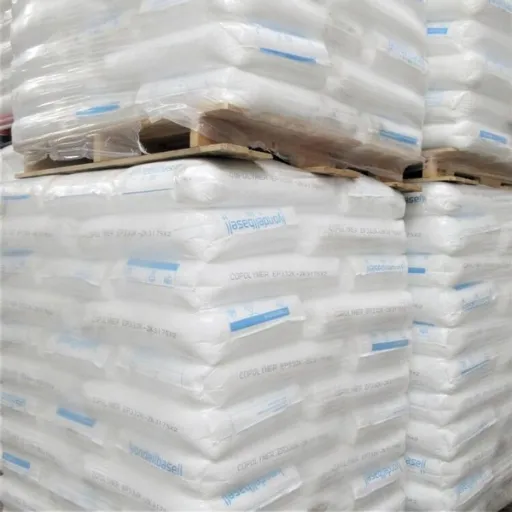
HDPE (high-density polyethylene) and PP (polypropylene) share a hydrocarbon backbone, but subtle structural differences create substantially different performance profiles. Understanding these distinctions explains the practical differences engineers encounter during material qualification and processing.
HDPE Molecular Structure
HDPE consists of linear ethylene chains with minimal branching. This regular structure allows tight molecular packing and crystallinity levels up to 80%. Density ranges from 0.941 to 0.965 g/cm³.
The linear chains give HDPE excellent chemical resistance and good impact strength, particularly at low temperatures. However, the same crystallinity makes HDPE susceptible to environmental stress cracking when subjected to sustained mechanical stress in contact with detergents, surfactants, or certain organic chemicals.
PP Molecular Structure
PP uses propylene monomers with a methyl side group on every other carbon. The most common industrial form, isotactic PP, aligns all methyl groups on one side of the chain. This permits crystallinity of 50-70% and produces a stiffer, stronger material than HDPE.
PP's lower density (0.900-0.910 g/cm³ for homopolymer) means more parts per kilogram, an advantage in high-volume production. The methyl side groups restrict chain mobility, giving PP higher heat resistance but also making it more brittle at low temperatures than HDPE.
Why Molecular Structure Drives Application Performance
The structural difference between HDPE and PP directly impacts four critical selection criteria:
Stiffness: PP's regular chain structure delivers higher flexural modulus
Heat resistance: PP tolerates significantly higher service temperatures
Low-temperature toughness: HDPE maintains flexibility well below freezing
Environmental stress cracking: PP resists surfactant-induced cracking better than HDPE
For molders, these differences translate to different shrinkage rates, melt flow characteristics, and mold temperature requirements.
Mechanical Properties: Stiffness, Strength, and Durability
When evaluating HDPE vs PP for structural parts, mechanical properties often determine the final specification. The materials occupy different positions on the stiffness-toughness spectrum.
Tensile Strength and Flexural Modulus
PP homopolymer typically delivers tensile strength of 30-35 MPa and flexural modulus of 1,300-1,800 MPa. Copolymer PP grades, which incorporate ethylene segments for improved toughness, show slightly lower values: 25-30 MPa tensile strength and 1,000-1,400 MPa flexural modulus.
HDPE offers comparable tensile strength at 25-35 MPa but significantly lower stiffness, with flexural modulus ranging from 800-1,200 MPa. This stiffness gap makes PP preferable for parts requiring dimensional stability under load, thin-wall containers, and structural components.
Reinforcement changes the equation substantially. Talc-filled PP (20-40% mineral filler) achieves flexural modulus of 2,500-4,500 MPa. Glass-filled PP (20-30% glass fiber) reaches 4,000-7,000 MPa. Filled HDPE grades exist but achieve lower maximum stiffness due to weaker filler-matrix adhesion.
Impact Resistance and Low-Temperature Behavior
HDPE outperforms PP in low-temperature toughness. HDPE maintains useful impact resistance down to -50°C, while PP homopolymer becomes brittle below 0°C. This limitation drove the development of copolymer and impact-modified PP grades, which extend useful temperature ranges to -20°C or -30°C.
For cold-chain packaging, outdoor containers, and arctic-exposed components, HDPE's inherent low-temperature performance provides a clear advantage. PP requires impact modification or copolymer formulation to compete in these environments.
Wear and Environmental Stress Cracking
Both materials offer low coefficient of friction, but PP generally shows better wear resistance in sliding applications. More critically, PP demonstrates superior resistance to environmental stress cracking, particularly in detergent and surfactant environments.
When Lin's procurement team at a Chinese appliance manufacturer evaluated materials for a new washing machine drum in 2024, they tested both HDPE and PP for mechanical stability during spin cycles and resistance to laundry detergent exposure. PP copolymer won based on superior stress-crack resistance and 12% lower material cost per part due to lower density.
Thermal Properties: Heat Resistance and Processing Windows
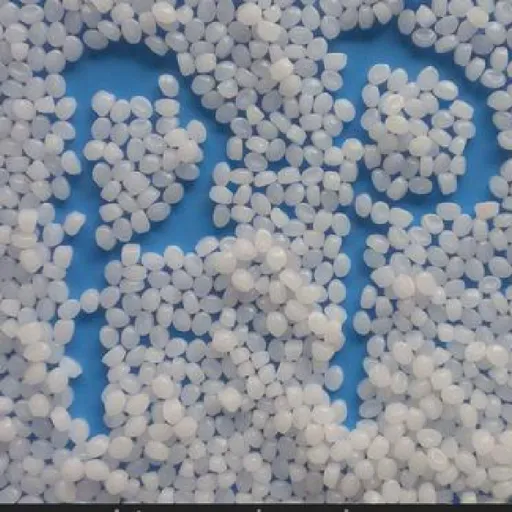
Temperature performance represents one of the most significant differences between HDPE and PP, and it often drives material selection in appliance and automotive applications.
Heat Deflection Temperature and Service Limits
PP homopolymer achieves Vicat softening temperatures of 150-160°C and heat deflection temperatures (HDT) of 100-110°C at 0.45 MPa. This thermal performance supports dishwasher tubs, appliance components, and hot-fill packaging applications.
HDPE offers substantially lower heat resistance, with Vicat temperatures of 120-130°C and HDT values around 70-80°C at 0.45 MPa. Sustained exposure above 80°C causes HDPE to lose stiffness rapidly, limiting its use in hot-fill packaging and appliance parts near heating elements.
For higher temperature requirements, mineral-filled PP grades push HDT to 120-140°C, and glass-filled PP achieves 140-160°C. These reinforced grades compete with engineering plastics in cost-sensitive applications.
Melting and Processing Temperatures
PP processes at higher temperatures than HDPE, reflecting its higher melting point:
PP melting range: 160-170°C
HDPE melting range: 130-137°C
Typical injection molding melt temperatures are 200-260°C for PP and 180-280°C for HDPE. PP's narrower processing window demands tighter temperature control, but both materials process readily on standard injection molding equipment.
Thermal Expansion and Shrinkage
PP exhibits higher mold shrinkage than HDPE, typically 1.0-2.5% for PP versus 1.5-3.0% for HDPE, depending on grade and processing conditions. The anisotropic shrinkage of PP can cause warping in large, flat parts. Mold design strategies including uniform wall thickness and balanced gating minimize this issue.
Chemical Resistance and Environmental Compatibility
Both HDPE and PP demonstrate excellent chemical resistance to aqueous solutions, acids, and alkalis. However, differences in resistance to specific chemicals influence material selection.
Organic Chemical Resistance
HDPE generally outperforms PP in resistance to non-oxidizing acids, alcohols, and glycols. For chemical storage tanks and piping systems, HDPE remains a default choice due to broad solvent resistance.
PP shows superior resistance to aromatic amines and certain chlorinated hydrocarbons. In detergent environments, PP's stress-crack resistance often proves superior to HDPE, which is prone to environmental stress cracking under sustained load in contact with surfactants.
Moisture and Water Absorption
Both materials are hydrophobic, with water absorption below 0.01% for HDPE and 0.01-0.03% for PP. Unlike PA6 or PA66, neither requires drying before processing under normal storage conditions. This processing convenience reduces equipment costs and cycle time.
UV and Weathering Resistance
Unstabilized PP degrades rapidly under UV exposure due to tertiary carbon atoms that readily form free radicals. UV-stabilized PP grades incorporate hindered amine light stabilizers (HALS) that extend outdoor service life.
HDPE shows somewhat better inherent UV resistance than PP, though outdoor applications still require stabilization. Carbon black loading (2-3%) provides cost-effective UV protection for both materials.
Processing Parameters for Injection Molding
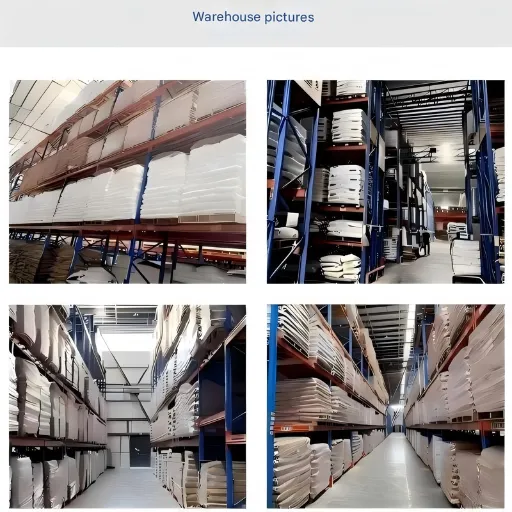
For molders evaluating HDPE vs PP, processing behavior directly affects cycle time, part quality, and tooling requirements.
Drying Requirements
Neither HDPE nor PP is hygroscopic under normal conditions. Both can be processed directly from sealed packaging without drying. If stored in humid conditions, surface moisture may cause cosmetic defects. A brief drying cycle at 70-80°C for 1-2 hours eliminates this risk.
Melt Temperature and Mold Temperature
| Parameter | PP Homopolymer | PP Copolymer | HDPE |
|---|---|---|---|
| Melt Temperature | 200-240°C | 200-260°C | 180-280°C |
| Mold Temperature | 20-80°C | 20-60°C | 20-95°C |
| Injection Pressure | 70-120 MPa | 70-120 MPa | 70-120 MPa |
| Shrinkage | 1.0-2.5% | 1.0-2.5% | 1.5-3.0% |
PP benefits from higher mold temperatures (40-60°C) to improve surface gloss and dimensional stability. HDPE processes successfully over a wider temperature range, which simplifies machine setup but demands attention to prevent thermal degradation at the upper end.
Shrinkage and Warping Control
PP's crystallization behavior produces higher and more directional shrinkage than HDPE. In copolymer PP, the ethylene content reduces crystallinity and shrinkage, making these grades preferable for large parts with tight tolerances.
HDPE's lower and more uniform shrinkage can simplify mold design for certain geometries, though its higher overall shrinkage range still requires attention in tight-tolerance applications.
Recycling and Regrind Usage
Both HDPE and PP tolerate high levels of regrind, typically 20-30% without significant property loss. However, each regrind cycle causes some molecular weight degradation. For appearance-critical parts, limiting regrind to 10-15% maintains consistent surface quality.
Application-Specific Selection Guidelines
The ultimate test of any material comparison is real-world application performance. The following guidelines reflect industry-standard practices for selecting between HDPE and PP.
Packaging and Industrial Containers
HDPE dominates the rigid packaging industry. Its stiffness, chemical resistance, and processability make it ideal for milk jugs, chemical containers, drums, and detergent bottles. HDPE's excellent low-temperature toughness prevents cracking during cold storage and transport.
PP packaging applications capitalize on higher heat resistance for hot-fill applications, lower density for reduced shipping costs, and superior stress-crack resistance. PP is increasingly displacing PS in food packaging due to better environmental profile and microwave suitability.
When a Vietnamese food packaging company switched from HDPE to PP for their hot-fill sauce containers in 2024, they gained the ability to fill at 95°C without container deformation, eliminated stress-cracking failures, and reduced material weight by 8%. The change required tighter processing control but delivered measurable quality improvements.
Appliance and Home Goods
PP is generally preferred for:
Dishwasher tubs and racks (detergent and heat resistance)
Washing machine drums and pump housings
Refrigerator liners and door seals
Microwave-safe containers and trays
Vacuum cleaner bodies
HDPE remains competitive for:
Laundry detergent bottles and caps
Storage containers and bins
Trash cans and outdoor furniture
Coolers and ice chests
Automotive Applications
PP dominates automotive interior applications due to its balance of stiffness, heat resistance, and cost. Talc-filled PP offers dimensional stability for dashboard components and door panels. Glass-filled PP achieves heat resistance for under-hood components.
HDPE sees limited automotive use due to lower heat resistance and painting challenges. Some fuel tank applications use HDPE blow-molded tanks with fluorination treatment.
Piping and Construction
HDPE dominates water and gas piping due to excellent long-term hydrostatic strength, flexibility, and fusion welding capabilities. Cross-linked PE (PEX) has largely replaced copper in residential plumbing.
PP finds use in chemical drainage systems, ventilation ducting, and geotextiles. The material's resistance to acids and alkalis suits aggressive chemical environments where metal pipes corrode.
Cost Considerations and Supply Economics
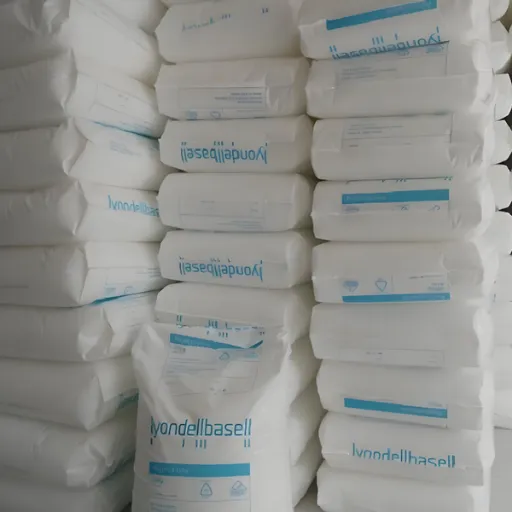
For procurement managers, material cost per part, not cost per kilogram, drives purchasing decisions. PP's lower density (0.90 g/cm³ vs. 0.95 g/cm³ for HDPE) means more parts per kilogram, partially offsetting any price premium.
As of early 2026, commodity-grade PP and HDPE pricing typically falls within similar ranges, with specific premiums depending on grade, regional supply-demand balance, and feedstock costs. Copolymer PP commands a modest premium over homopolymer grades, while specialized grades carry significant markups over base resins.
Global supply chains for both materials are well-established, with production capacity concentrated in Asia, the Middle East, and North America. Shanghai Wenqin Plastics maintains inventory of standard PP and HDPE grades to support customers' production schedules with predictable lead times.
Sourcing HDPE and PP Resins: Key Supplier Considerations
Whether you specify HDPE or PP, supplier selection affects material quality consistency, documentation availability, and supply reliability.
Lot-to-lot consistency: Request certificates of analysis (COA) documenting melt flow index (MFI), density, and mechanical properties for each batch. Consistent MFI ensures stable processing parameters and reduces machine setup time between lots.
Technical documentation: Complete Technical Data Sheets (TDS), Material Safety Data Sheets (MSDS/SDS), and compliance certificates (RoHS, REACH, FDA where applicable) support quality audits and regulatory requirements.
Grade availability: A supplier offering homopolymer PP, copolymer PP, HDPE, and modified grades simplifies procurement and provides flexibility if application requirements change.
Technical support: Suppliers with application expertise can guide grade selection, troubleshoot processing issues, and recommend fillers or additives when standard grades don't meet requirements.
At Shanghai Wenqin Plastics, we supply PP and HDPE grades for injection molding, blow molding, and extrusion applications. Our technical team provides material selection guidance to match resin properties to your processing method and end-use requirements. [Explore our PP and PE product range] or [contact us for a tailored quotation].
Conclusion
The HDPE vs PP decision ultimately comes down to application-specific requirements. PP offers higher stiffness, better heat resistance, and superior performance in detergent and hot-fill applications. HDPE delivers better low-temperature toughness, broader chemical resistance, and simpler processing for certain geometries.
For appliance components, hot-fill packaging, and applications requiring dimensional stability under load, PP typically provides the optimal balance of properties and cost. For chemical containers, cold-temperature applications, and flexible packaging, HDPE remains the logical choice.
The selection process doesn't end with resin type. Grade specifics, filler content, stabilization packages, and processing parameters all contribute to successful implementation. Working with a supplier that provides technical documentation, batch consistency, and application support reduces risk and accelerates production timelines.
Key takeaways:
PP delivers higher stiffness and heat resistance than HDPE; select PP when these properties matter
HDPE outperforms PP in low-temperature toughness and broad chemical resistance; select HDPE for cold environments
Copolymer PP bridges the gap for applications requiring both stiffness and impact resistance
Neither material requires drying before processing, simplifying production logistics
Evaluate cost per part, not cost per kilogram, due to PP's lower density
At Shanghai Wenqin Plastics, we supply PP and HDPE grades for injection molding, extrusion, and blow molding applications worldwide. Our technical team provides material selection guidance, processing recommendations, and complete documentation. [Request a quotation] or [contact our technical team] to discuss your specific requirements.
Recently Posted
-
How to Choose the Right Engineering Plastics Distributor for Your Manufacturing Supply Chain
June 12, 2026When a production line at a German automotive tier-1 supplier ground to a halt last year, the cause was not equipment failure or l Read More
 -
The Plastic Extrusion Process: A Complete Technical Guide for Manufacturers
June 12, 2026When the quality team at a window profile plant in Poland measured wall thickness drift on their PVC line last spring, the culprit Read More
 -
How to Choose an Engineering Plastics Supplier That Protects Your Production Line
June 10, 2026Last March, a tier-2 automotive supplier in Stuttgart received a shipment of PA66 GF30 that looked identical to every batch before Read More
 -
How Long Does Plastic Last? A Materials Engineer's Guide to Polymer Lifespan
June 10, 2026A single polyethylene grocery bag can persist in a landfill for 500 years, yet the same material inside your refrigerator's in Read More

Contact Us
Recommended Products
-
 POM GF-10 Glass-Fiber Reinforced Resin Pellets for Industrial GearsNegotiableMOQ: 1 Kilogram
 -
Duracon POM SW-01 Granules - High-Performance Copolymer Resin for Industrial UseNegotiableMOQ: 1000 Kilograms
-
Basel Origin PP 4160/HP500N General Purpose Injection Molding Homopolymer Polypropylene PP PelletsNegotiableMOQ: 1000 Kilograms
-
Chimei ABS Resin D-1200 for Electronic Enclosures With Flame Retardant PropertiesNegotiableMOQ: 1 Kilogram
-
HDPE Film Grade Hta-001 Injection for High Strength ToughnessNegotiableMOQ: 1 Kilogram
-
High‑Heat‑Resistant Optical‑Grade Polycarbonate PC Resin Teijin SP‑1516 for Camera Lens ManufacturingNegotiableMOQ: 1 Kilogram
-
PC Resin Covestro 1803 With High Impact Resistance for Automotive PartsNegotiableMOQ: 25 Kilograms
-
General Purpose ABS GP-22 From Ineos Ideal for Daily Consumer Goods and Common Injection PartsNegotiableMOQ: 1 Kilogram
-
Celanese DuPont Precision XGC-25 DuPont Injection Molding Plastic Products POMNegotiableMOQ: 1 Kilogram
-
High Impact ABS Plastic Granules HI-121H Industrial Raw MaterialNegotiableMOQ: 1 Kilogram

-
Sinopec PP N-T30S Virgin Wire Drawing Grade Polypropylene GranulesNegotiableMOQ: 1 Kilogram
-
POM F10-03H With High Impact Resistance for Automotive Fuel System ComponentsNegotiableMOQ: 1 Kilogram
-
General Impact Grade ABS PA 737 Fit for Mass Production Daily Plastic and Office Supply PartsNegotiableMOQ: 1 Kilogram
-
366-5 PP Resin Granules With High Impact Strength for Industrial UseNegotiableMOQ: 1 Kilogram
-
PP Granules 3009 - Flame Retardant PP Compound for Electrical Components, UL94 V-2 RatedNegotiableMOQ: 1 Kilogram
-
PC-115P Polycarbonate Resin for 3D Printing Filaments With Low WarpageNegotiableMOQ: 1 Kilogram
-
Low‑Temperature Impact PP Pellets K4750 Modified Copolymer for Automotive BumpersNegotiableMOQ: 1 Kilogram
-
Chimei ABS Resin D-2200 for Luggage and Travel Cases With High RigidityNegotiableMOQ: 1 Kilogram
-
Natural Color Delrin POM M90NAT Celanese DuPont Virgin Resin Raw MaterialNegotiableMOQ: 1 Kilogram
-
FMA016 HDPE Grade for Large-Diameter Corrugated Pipe ProductionNegotiableMOQ: 1 Kilogram