
 Business License

Polyethylene Properties: A Complete Technical Guide for Engineers and Buyers
Maria Chen reviewed the third failed batch of industrial containers in as many weeks. Each time, the walls bowed under load well below the rated capacity. The culprit wasn't mold design or processing, it was a basic mismatch between the polyethylene properties she assumed she had and the grade her supplier actually delivered.
When she finally pulled the Technical Data Sheet and compared melt flow index and density values, the discrepancy was obvious. Her application demanded the stiffness of high-density polyethylene (HDPE), but the supplier had shipped a lower-density material optimized for film extrusion instead.
This scenario plays out more often than most procurement professionals care to admit. Polyethylene is the most widely produced thermoplastic globally, yet the term masks enormous variation in mechanical, thermal, and processing behavior. Understanding polyethylene properties across the major grade categories, HDPE, LDPE, and LLDPE, is essential for specifying the right material, qualifying suppliers, and avoiding costly production failures.
This guide provides a comprehensive technical overview of polyethylene properties, with specific data points, application guidance, and selection criteria that engineers and buyers can apply immediately. Whether you are sourcing PE resin for blow-molded containers, injection-molded fittings, or extruded film, the information here will support confident material decisions.
Want to evaluate specific PE grades for your application? [Explore our polyethylene portfolio] to review available HDPE, LDPE, and LLDPE grades with complete technical documentation.
Understanding Polyethylene: Structure Defines Properties
Polyethylene (PE) is a semi-crystalline thermoplastic polymer produced by polymerizing ethylene monomer. The degree of crystallinity, molecular weight, and branching structure determine whether the resulting material behaves like a flexible film resin or a rigid structural plastic.
HDPE: High Density, High Rigidity
HDPE contains minimal branching, allowing polymer chains to pack tightly into crystalline regions. This structure produces:
Density: 0.941–0.965 g/cm³
Tensile strength: 20–37 MPa
Flexural modulus: 0.8–1.4 GPa
Melting point: 130–137°C
The high crystallinity of HDPE delivers superior stiffness, chemical resistance, and barrier properties compared to other PE types. It is the default choice for rigid containers, piping, and structural components where dimensional stability matters.
LDPE: Low Density, High Flexibility
LDPE features significant long-chain branching, which prevents tight chain packing and reduces crystallinity. Key properties include:
Density: 0.910–0.925 g/cm³
Tensile strength: 8–10 MPa
Flexural modulus: 0.15–0.25 GPa
Melting point: 105–115°C
The branched structure makes LDPE softer, more flexible, and more transparent than HDPE. It excels in film applications, squeeze bottles, and any product requiring flexibility and stress-crack resistance.
LLDPE: Linear Structure with Controlled Flexibility
Linear Low-Density Polyethylene (LLDPE) combines a linear backbone with short-chain branching introduced through co-monomers such as butene, hexene, or octene. This architecture delivers:
Density: 0.915–0.925 g/cm³
Tensile strength: 20–30 MPa
Flexural modulus: 0.2–0.4 GPa
Melting point: 120–125°C
LLDPE offers higher puncture resistance and tensile strength than LDPE, making it the preferred material for stretch film, heavy-duty bags, and certain rotational molding applications.
Technical Note: Density is the single most reliable predictor of polyethylene properties within each category. A shift from 0.950 g/cm³ to 0.960 g/cm³ HDPE significantly increases stiffness but reduces impact resistance. Always verify density specifications against application requirements.
Mechanical Properties of Polyethylene Grades
Mechanical performance varies widely across the polyethylene family. Selecting the right grade requires matching specific properties to functional demands.
Tensile Strength and Elongation
HDPE offers the highest tensile strength among standard PE grades, typically 20–37 MPa depending on melt flow index and density. Injection molding grades with lower melt flow (higher molecular weight) achieve the upper end of this range. LDPE measures considerably lower at 8–10 MPa, reflecting its amorphous-dominated structure.
Elongation at break tells a different story. LDPE stretches 500–600% before failure, while HDPE typically reaches 50–100%. For applications requiring energy absorption or conformability, such as shrink film or snap-fit closures, LDPE or LLDPE outperforms HDPE despite lower strength.
Impact Resistance
Impact strength in polyethylene is strongly temperature-dependent. At room temperature, all PE grades exhibit excellent toughness due to their semi-crystalline nature. However, as temperatures drop below 0°C, HDPE becomes increasingly brittle while LDPE maintains flexibility.
For cold-environment applications such as outdoor storage containers or refrigerated packaging, LDPE or impact-modified HDPE grades are preferable to standard HDPE. LLDPE occupies a middle ground, offering better low-temperature toughness than HDPE with greater puncture resistance than LDPE.
Stiffness and Hardness
Flexural modulus directly correlates with density in polyethylene. Rigid HDPE grades achieve 1.4 GPa, comparable to unfilled PP homopolymer. This stiffness supports self-supporting structures like crates, pallets, and chemical tanks without additional reinforcement.
At the opposite end, LDPE's modulus of 0.15–0.25 GPa produces a soft, pliable feel ideal for flexible tubing, gaskets, and film. When engineers mistakenly specify LDPE for a structural application, the result is excessive deflection under load, exactly the failure Maria Chen encountered.
Environmental Stress-Crack Resistance (ESCR)
ESCR measures a material's ability to resist brittle cracking under mechanical stress in the presence of surfactants, oils, or certain chemicals. This property is inversely related to density and crystallinity.
LDPE: Excellent ESCR due to low crystallinity
LLDPE: Very good ESCR, superior to LDPE in many formulations
HDPE: Standard grades show moderate ESCR; improved grades use broader molecular weight distribution or co-monomer incorporation
For detergent bottles, chemical containers, and pipe applications, ESCR often determines service life more than tensile strength. Specifying HDPE with published ESCR values (tested per ASTM D1693 or ISO 4599) prevents premature field failures.
Need help matching mechanical requirements to the right PE grade? [Contact our technical team] for material selection support tailored to your application.
Thermal Properties and Service Temperature
Polyethylene thermal performance is modest compared to engineering plastics like PA66 or PBT, but adequate for many commodity and industrial applications.
Melting Behavior
HDPE melts at 130–137°C, LDPE at 105–115°C, and LLDPE at 120–125°C. These relatively low melting points enable energy-efficient processing but limit continuous service temperatures.
Heat Deflection Temperature
Under 0.45 MPa load, HDPE achieves HDT values of 80–90°C. At 1.8 MPa, this drops to 50–70°C. LDPE and LLDPE show even lower values. For applications experiencing sustained loads above 60°C, PE is generally unsuitable unless the design minimizes mechanical stress.
Continuous Service Temperature
Most polyethylene grades operate continuously at 60–80°C. Short-term excursions to 100°C are possible for HDPE, but prolonged exposure causes oxidation and embrittlement unless stabilized. Heat-stabilized HDPE grades extend continuous service to 90–100°C for applications such as hot-fill packaging and solar thermal systems.
Low-Temperature Performance
Polyethylene retains flexibility down to -50°C or lower, making it one of the best commodity plastics for cryogenic and cold-climate applications. HDPE fuel tanks, LDPE freezer bags, and LLDPE cold-storage film all leverage this characteristic. However, impact resistance does decrease as temperatures fall, so material selection should account for the lowest expected service temperature.
Chemical Resistance and Barrier Properties
Polyethylene offers outstanding chemical resistance for a commodity thermoplastic, explaining its dominance in chemical containers, piping, and corrosion-protection applications.
Resistance to Acids, Bases, and Salts
PE resists most dilute acids, alkalis, and aqueous salt solutions across the full pH range. Concentrated sulfuric acid and oxidizing acids such as nitric acid attack PE at elevated temperatures, but for typical industrial chemical handling, HDPE tanks and piping perform reliably for decades.
Organic Solvents and Oils
Polyethylene swells in contact with hydrocarbon solvents, oils, and greases. The degree of swelling increases with lower density:
HDPE: Moderate resistance; suitable for fuel tanks and motor oil containers with appropriate stabilization
LDPE: Higher swelling; limited suitability for solvent contact
LLDPE: Intermediate behavior
For fuel system applications, specialized HDPE grades with fluorination or sulfonation surface treatments reduce permeation rates to meet regulatory requirements.
Moisture and Gas Barrier
HDPE provides an excellent moisture barrier with water vapor transmission rates below 0.01 g·mm/(m²·day). This property makes HDPE the material of choice for milk bottles, food containers, and moisture-sensitive product packaging.
Gas barrier performance is weaker. Oxygen and carbon dioxide permeate PE readily, limiting its suitability for carbonated beverage packaging without multi-layer constructions or barrier coatings.
Electrical Properties of Polyethylene
Polyethylene is an excellent electrical insulator, which drives its use in cable and wire insulation, capacitor films, and electrical conduit.
Volume resistivity: >10¹⁵ ohm·cm
Dielectric strength: 18–40 kV/mm (thickness-dependent)
Dielectric constant: 2.3 (relatively constant across frequencies)
Dissipation factor: <0.0003 at 1 MHz
These properties remain stable across a wide temperature and humidity range. Unlike hygroscopic engineering plastics such as PA6 or PBT, PE does not absorb significant moisture, so electrical performance does not degrade in humid environments.
Cross-linked polyethylene (PEX or XLPE) extends thermal capability for medium- and high-voltage cable insulation, where it competes with traditional materials like EPR and PVC.
Processing Characteristics by Grade
Processing behavior varies significantly across polyethylene types. Understanding these differences prevents molding defects, optimizes cycle times, and ensures consistent part quality.
Melt Flow Index and Processability
Melt Flow Index (MFI) measures polymer viscosity under standard test conditions. Higher MFI (more fluid) suits thin-wall injection molding and complex geometries. Lower MFI (more viscous) delivers better melt strength for blow molding and extrusion.
Injection molding grades: MFI 5–50 g/10min (HDPE), 20–50 g/10min (LDPE)
Blow molding grades: MFI 0.2–1.0 g/10min (HDPE)
Film extrusion grades: MFI 0.5–4.0 g/10min (LLDPE, LDPE)
When Raj Patel switched his pipe fitting production from an MFI 8 HDPE to an MFI 20 grade to improve flow in thin sections, he discovered the higher-flow material sagged excessively in the large-diameter fittings. The lower molecular weight reduced melt strength below the threshold needed for dimensional stability during cooling. He returned to MFI 8 but increased mold temperature and injection speed to compensate, a reminder that MFI selection balances flow against melt strength.
Shrinkage and Dimensional Stability
HDPE shrinkage ranges from 1.5–4.0%, depending on density, MFI, processing conditions, and part geometry. Higher crystallinity grades shrink more. LDPE and LLDPE show lower shrinkage (1.0–3.0%) but poorer dimensional stability due to greater flexibility.
Mold design for PE must account for:
Higher shrinkage than ABS or PC: Tighter tolerances require gating and cooling optimization
Anisotropy in HDPE: Fiber-like crystalline structures can cause differential shrinkage
Post-mold shrinkage: Parts may continue shrinking for days after molding; critical dimensions should be measured after conditioning
Drying Requirements
Unlike PA6, PA66, or PET, polyethylene does not require drying before processing. It absorbs negligible moisture (<0.01%). This represents a significant cost and time advantage in high-volume production environments.
Processing Temperatures
HDPE: Melt temperature 180–260°C; mold temperature 20–60°C
LDPE: Melt temperature 160–240°C; mold temperature 20–50°C
LLDPE: Melt temperature 180–240°C; mold temperature 20–50°C
Excessive melt temperatures cause thermal degradation, visible as discoloration, odor, and reduced mechanical properties. HDPE is particularly sensitive to oxidation at temperatures above 280°C.
Selecting the Right Polyethylene Grade for Your Application
With so many variables in play, systematic selection prevents mis-specification. Evaluate applications against these criteria:
| Requirement | Recommended Grade | Rationale |
|---|---|---|
| Rigid containers, chemical tanks | HDPE (0.950–0.965 g/cm³) | High stiffness, excellent chemical resistance, good barrier properties |
| Flexible film, bags, stretch wrap | LDPE or LLDPE | High elongation, puncture resistance, clarity |
| Pipe and conduit | HDPE (PE80, PE100) | Long-term hydrostatic strength, ESCR, weather resistance |
| Injection-molded caps and closures | HDPE (MFI 20–40) | Good flow, adequate stiffness, reliable thread performance |
| Wire and cable insulation | LDPE or XLPE | Excellent electrical properties, flexibility, dielectric strength |
| Rotational-molded tanks | LLDPE or cross-linked PE | Good melt strength, impact resistance, processability |
| Food packaging | LDPE or HDPE (FDA grades) | Regulatory compliance, moisture barrier, processability |
When in doubt, request sample quantities for processing trials. Material behavior in your specific mold, under your processing parameters, with your part geometry often reveals compatibility issues that datasheets cannot predict.
Quality Verification and Documentation
Reliable polyethylene supply depends on more than resin properties, it requires consistent batch-to-batch quality and complete documentation.
Before approving a PE grade for production, verify:
Technical Data Sheet completeness: Density, MFI, tensile strength, and flexural modulus should all be reported with ASTM or ISO test methods
Certificate of Analysis per batch: Confirms delivered material matches specifications
Regulatory compliance: FDA, RoHS, REACH, or food-contact certificates where applicable
Lot traceability: Batch numbering that connects finished pellets to raw material sources and production parameters
Shanghai Wenqin Plastics supplies HDPE, LDPE, and LLDPE grades with complete TDS, MSDS/SDS, and compliance documentation. We maintain sufficient inventory in Shanghai to support stable, uninterrupted supply for manufacturing partners worldwide.
Common Specification Mistakes to Avoid
Assuming all polyethylene behaves the same: A 0.942 g/cm³ HDPE and a 0.960 g/cm³ HDPE process differently, perform differently, and suit different applications. Density and MFI are not optional details; they are selection fundamentals.
Ignoring environmental stress-crack resistance: For containers holding surfactants, oils, or chemicals, ESCR often matters more than tensile strength. Standard HDPE grades can fail in months under stress in detergent environments while ESCR-optimized grades last years.
Specifying film-grade resin for structural applications: Film-grade LDPE with high MFI and low density lacks the stiffness and dimensional stability needed for injection-molded parts. The resulting warpage and sagging are predictable and avoidable.
Overlooking long-term thermal exposure: PE is not PA66. Continuous service above 80°C causes oxidation and property loss. For elevated-temperature applications, consider PP, PA, or specialized stabilized grades rather than standard PE.
Conclusion
Polyethylene properties span a remarkable range, from the soft flexibility of LDPE film resins to the rigid strength of HDPE pipe grades. Selecting the right material demands attention to density, melt flow, mechanical requirements, chemical exposure, and thermal environment. The grades that perform beautifully in blow-molded bottles may fail entirely in under-hood automotive applications. Context drives selection.
For procurement managers and engineers, the key takeaway is this: verify specifications against application requirements before placing orders. Request technical data sheets, compare property values, and conduct processing trials when switching grades or suppliers. The time invested in proper material qualification prevents the production disruptions, warranty claims, and customer dissatisfaction that follow mis-specification.
At Shanghai Wenqin Plastics, we supply HDPE, LDPE, and LLDPE grades for injection molding, blow molding, extrusion, and film applications. Our technical team provides material selection guidance, processing recommendations, and complete documentation to support your qualification process. [Request a quotation] or [contact our team] to discuss your polyethylene requirements and receive samples for evaluation.
Recently Posted
-
How to Choose the Right Engineering Plastics Distributor for Your Manufacturing Supply Chain
June 12, 2026When a production line at a German automotive tier-1 supplier ground to a halt last year, the cause was not equipment failure or l Read More
 -
The Plastic Extrusion Process: A Complete Technical Guide for Manufacturers
June 12, 2026When the quality team at a window profile plant in Poland measured wall thickness drift on their PVC line last spring, the culprit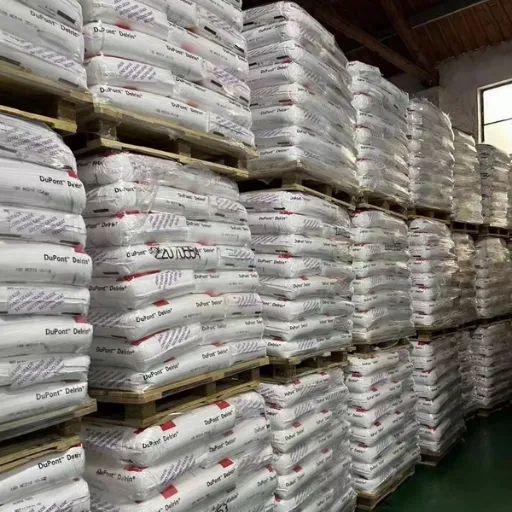 Read More
 -
How to Choose an Engineering Plastics Supplier That Protects Your Production Line
June 10, 2026Last March, a tier-2 automotive supplier in Stuttgart received a shipment of PA66 GF30 that looked identical to every batch before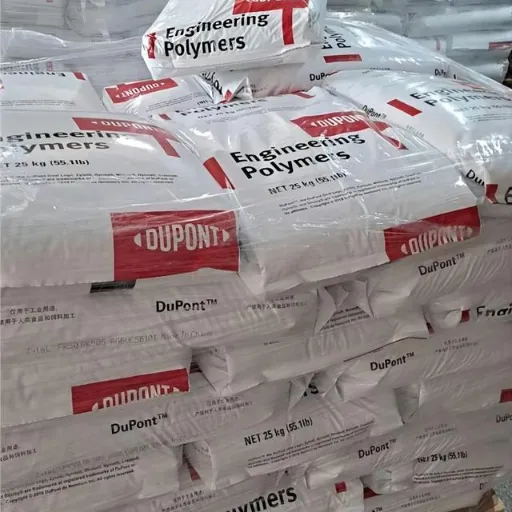 Read More
 -
How Long Does Plastic Last? A Materials Engineer's Guide to Polymer Lifespan
June 10, 2026A single polyethylene grocery bag can persist in a landfill for 500 years, yet the same material inside your refrigerator's in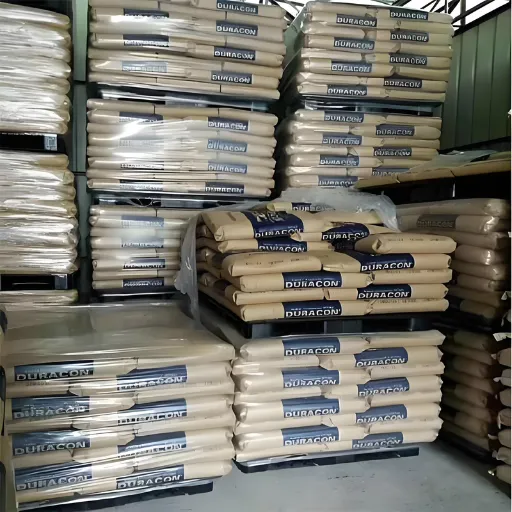 Read More

Contact Us
Recommended Products
-
 POM GF-10 Glass-Fiber Reinforced Resin Pellets for Industrial GearsNegotiableMOQ: 1 Kilogram
 -
Duracon POM SW-01 Granules - High-Performance Copolymer Resin for Industrial UseNegotiableMOQ: 1000 Kilograms
-
Basel Origin PP 4160/HP500N General Purpose Injection Molding Homopolymer Polypropylene PP PelletsNegotiableMOQ: 1000 Kilograms
-
Chimei ABS Resin D-1200 for Electronic Enclosures With Flame Retardant PropertiesNegotiableMOQ: 1 Kilogram
-
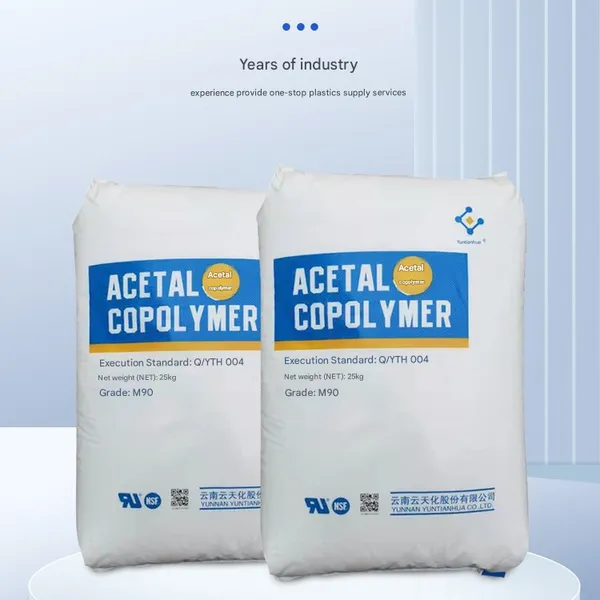
HDPE Film Grade Hta-001 Injection for High Strength ToughnessNegotiableMOQ: 1 Kilogram
-
High‑Heat‑Resistant Optical‑Grade Polycarbonate PC Resin Teijin SP‑1516 for Camera Lens ManufacturingNegotiableMOQ: 1 Kilogram
-
PC Resin Covestro 1803 With High Impact Resistance for Automotive PartsNegotiableMOQ: 25 Kilograms
-
General Purpose ABS GP-22 From Ineos Ideal for Daily Consumer Goods and Common Injection PartsNegotiableMOQ: 1 Kilogram
-
Celanese DuPont Precision XGC-25 DuPont Injection Molding Plastic Products POMNegotiableMOQ: 1 Kilogram
-
High Impact ABS Plastic Granules HI-121H Industrial Raw MaterialNegotiableMOQ: 1 Kilogram

-
Sinopec PP N-T30S Virgin Wire Drawing Grade Polypropylene GranulesNegotiableMOQ: 1 Kilogram
-
POM F10-03H With High Impact Resistance for Automotive Fuel System ComponentsNegotiableMOQ: 1 Kilogram
-
General Impact Grade ABS PA 737 Fit for Mass Production Daily Plastic and Office Supply PartsNegotiableMOQ: 1 Kilogram
-
366-5 PP Resin Granules With High Impact Strength for Industrial UseNegotiableMOQ: 1 Kilogram
-
PP Granules 3009 - Flame Retardant PP Compound for Electrical Components, UL94 V-2 RatedNegotiableMOQ: 1 Kilogram
-
PC-115P Polycarbonate Resin for 3D Printing Filaments With Low WarpageNegotiableMOQ: 1 Kilogram
-
Low‑Temperature Impact PP Pellets K4750 Modified Copolymer for Automotive BumpersNegotiableMOQ: 1 Kilogram
-
Chimei ABS Resin D-2200 for Luggage and Travel Cases With High RigidityNegotiableMOQ: 1 Kilogram
-
Natural Color Delrin POM M90NAT Celanese DuPont Virgin Resin Raw MaterialNegotiableMOQ: 1 Kilogram
-
FMA016 HDPE Grade for Large-Diameter Corrugated Pipe ProductionNegotiableMOQ: 1 Kilogram