


 Business License

Types of Plastic Materials: A Complete Guide for Manufacturers
In March 2024, a procurement team at a mid-sized appliance manufacturer in Turkey approved a shipment of general-purpose ABS for a new line of coffee maker housings. Within three weeks of production startup, the parts began warping near heating elements. The root cause wasn't processing error or mold design.
The team had selected the wrong type of plastic material for an application demanding heat resistance above 110°C. The misstep cost them $12,000 in scrapped inventory and a delayed product launch.
You have probably faced similar dilemmas. With hundreds of plastic material types available, each tuned for specific temperatures, chemicals, and mechanical loads, choosing incorrectly is easier than most engineers admit. The consequences range from cosmetic defects to catastrophic field failures.
This guide breaks down the major types of plastic materials used in manufacturing today. You will learn how commodity plastics, engineering plastics, and modified compounds differ in performance, where each category excels, and how to match material properties to your application requirements. Whether you source ABS for electronics housings or PA66 GF30 for automotive under-hood components, the framework here will help you specify with confidence.
At Shanghai Wenqin Plastics, we supply a comprehensive range of thermoplastics to manufacturers worldwide. Our technical team regularly helps partners navigate material selection, so the guidance below reflects real questions we answer every day.
Understanding the Plastic Material Spectrum
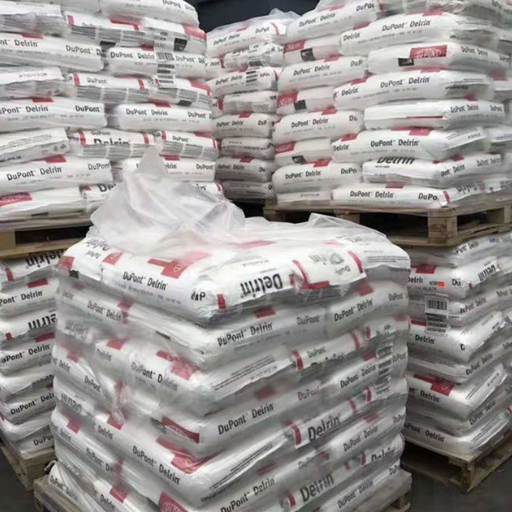
Not all plastics are created equal. The term "plastic" covers a vast family of polymers with properties ranging from flexible packaging films to rigid structural components that replace metal. For manufacturers and procurement professionals, the most useful classification separates plastics into three tiers: commodity plastics, engineering plastics, and high-performance or modified plastics.
Commodity plastics represent the highest volume segment. Polypropylene (PP), polyethylene (PE), and polyvinyl chloride (PVC) dominate packaging, consumer goods, and construction applications. They offer low cost, easy processability, and adequate properties for undemanding environments. Tensile strengths typically fall between 20 and 40 MPa, and heat deflection temperatures rarely exceed 100°C.
Engineering plastics deliver superior mechanical strength, thermal stability, and dimensional precision. ABS, polycarbonate (PC), polyamide (PA6, PA66), polyoxymethylene (POM), and PBT fall into this category. These materials withstand structural loads, elevated temperatures, and chemical exposure that would destroy commodity grades. Engineering plastics are the workhorses of automotive, electronics, and industrial manufacturing.
Modified plastics and custom compounds push performance further through reinforcement, additive packages, or polymer blending. Glass fiber reinforcement, flame retardants, UV stabilizers, and lubricants transform base polymers into application-specific solutions. A standard PA66 might achieve 80 MPa tensile strength, but PA66 GF30 exceeds 180 MPa with heat deflection temperatures above 250°C.
When Marcus, a product designer at a German automotive supplier, first evaluated housing materials for a new sensor module, he assumed all nylon grades were interchangeable. His initial specification called for unfilled PA6 based on cost. During validation testing, the parts softened at 80°C and failed dimensional stability checks.
After consulting material data sheets and running moldflow analysis, Marcus switched to PA66 GF25 with heat stabilization. The revised parts passed all thermal and mechanical requirements, and the project moved to production without further delays. This example illustrates why understanding the full spectrum of plastic material types matters from the earliest design stages.
Ready to explore which types of plastic materials suit your application? Browse our engineering plastics portfolio to review available grades, or contact our technical team for personalized guidance.
Commodity Plastics: The Foundation of Modern Manufacturing
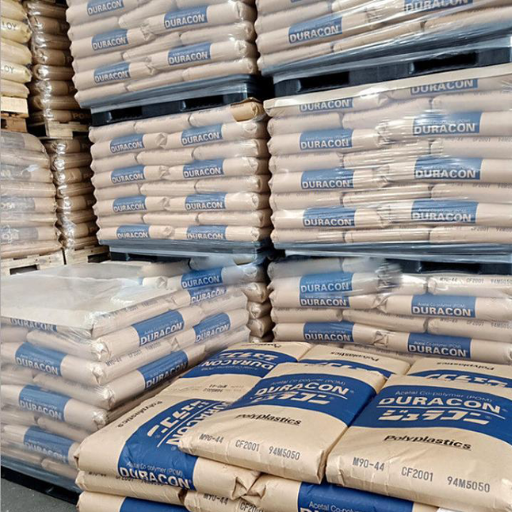
Commodity plastics account for roughly 80% of global polymer consumption by volume, according to PlasticsEurope market data. Their low cost, broad availability, and straightforward processing make them indispensable for high-volume, cost-sensitive applications.
Polypropylene (PP)
PP is one of the most widely produced plastic material types worldwide. With a density of only 0.90 g/cm³, it offers an excellent strength-to-weight ratio among commodity grades. Two main variants dominate the market:
Homopolymer PP delivers high stiffness and good chemical resistance. It suits applications such as appliance housings, automotive interior trim, and rigid packaging.
Copolymer PP incorporates ethylene to improve impact resistance, particularly at low temperatures. Automotive bumpers, storage containers, and outdoor furniture often use this variant.
PP processes easily via injection molding with melt temperatures between 200 and 240°C. It accepts fillers such as talc and glass fiber to increase stiffness and heat resistance. However, PP lacks the surface gloss and rigidity of ABS or PC, limiting its use in cosmetic or high-stress structural applications.
Polyethylene (PE)
PE exists in several density grades, each with distinct properties:
High-density polyethylene (HDPE) offers rigidity, chemical resistance, and good processability. Industrial containers, piping, and fuel tanks commonly use HDPE.
Low-density polyethylene (LDPE) provides flexibility and toughness. Film applications, squeeze bottles, and sheet products favor LDPE.
Linear low-density polyethylene (LLDPE) combines LDPE's toughness with improved puncture resistance. Stretch film and heavy-duty bags represent major applications.
PE grades generally operate below 80°C continuous service temperature. They resist most aqueous chemicals and acids but struggle with hydrocarbon solvents and oxidizing agents. For manufacturers seeking the lowest possible material cost in non-structural applications, PE remains a default choice.
Engineering Plastics: Performance Where It Matters
When commodity plastics fall short on temperature resistance, mechanical strength, or dimensional stability, engineering plastics step in. These types of plastic materials command higher prices but enable applications that would otherwise require metal or thermoset composites.
ABS (Acrylonitrile Butadiene Styrene)
ABS is a terpolymer combining three monomers, each contributing distinct properties. Acrylonitrile provides chemical resistance and thermal stability. Butadiene delivers impact resistance through a dispersed rubber phase. Styrene contributes rigidity, gloss, and excellent processability.
General-purpose ABS achieves tensile strengths of 40-50 MPa, flexural modulus around 2,200 MPa, and Izod impact strength of 20-30 kJ/m². It molds beautifully at 220-260°C, producing high-gloss surfaces that often eliminate the need for painting.
For electronics and appliance manufacturers, ABS resin grades remain the default choice for housings, panels, and structural components. High-impact variants suit power tools and luggage.
Flame-retardant grades meeting UL94 V-0 ratings are essential for laptop enclosures and appliance control panels. High-heat ABS formulations push Vicat softening temperatures to 110-120°C for applications near heat sources.
Polycarbonate (PC)
PC offers a rare combination of transparency, extreme impact strength, and heat resistance. Its HDT of approximately 130-140°C at 1.8 MPa exceeds ABS by a wide margin. Optical clarity with light transmittance above 88% makes PC ideal for lighting lenses, safety equipment, and medical device components.
Glass-filled PC grades improve stiffness and dimensional stability for structural applications. Flame-retardant formulations serve electrical enclosures and automotive components. UV-stabilized grades extend outdoor service life for glazing and lighting applications.
PC requires higher processing temperatures (280-320°C) and careful drying to prevent hydrolytic degradation. Its higher cost relative to ABS limits use to applications where performance justifies the premium.
PA6 and PA66 (Polyamide / Nylon)
Polyamides represent some of the most versatile engineering plastics in manufacturing. PA6 and PA66 share excellent toughness, wear resistance, and chemical stability, but PA66 offers superior heat resistance and mechanical strength due to its higher crystallinity.
Unfilled PA66 achieves tensile strengths of 80-90 MPa and heat deflection temperatures around 70-80°C. These values improve dramatically with glass fiber reinforcement. PA66 GF30 reaches 180 MPa tensile strength and HDT values above 250°C, making it suitable for automotive under-hood components, electrical connectors, and industrial gears.
Heat-stabilized grades extend continuous operating temperatures to 150-180°C. Hydrolysis-resistant formulations survive contact with hot coolant and water. For EV applications, halogen-free flame-retardant PA66 grades meeting UL94 V-0 are becoming standard specifications.
Manufacturers should note that PA66 absorbs approximately 2.5% moisture at saturation. This plasticization effect reduces stiffness and changes dimensions. Proper drying before processing and design tolerance allowances are essential.
POM (Polyoxymethylene / Acetal)
POM delivers exceptional stiffness, low friction, and excellent fatigue resistance. Homopolymer grades offer slightly higher mechanical properties, while copolymer grades provide broader chemical resistance and improved dimensional stability.
Precision gears, conveyor components, automotive fuel system parts, and plumbing fittings commonly use POM. Its low coefficient of friction against steel and itself makes it ideal for bearing and sliding applications.
POM processes at 190-230°C but degrades rapidly if overheated, releasing formaldehyde gas. Strict temperature control and residence time limits are critical during injection molding.
PBT (Polybutylene Terephthalate)
PBT combines good electrical insulation, dimensional stability, and chemical resistance in a fast-crystallizing resin that enables short injection molding cycle times. Unfilled grades suit electrical connectors and coil bobbins. Glass-filled PBT improves mechanical properties for automotive sensors and circuit breaker housings.
Flame-retardant PBT grades meet stringent electronics safety standards. The material's rapid crystallization and low mold temperature requirements make it economically attractive for high-volume electrical component production.
PMMA (Polymethyl Methacrylate / Acrylic)
PMMA offers unmatched optical clarity among thermoplastics, with light transmittance exceeding 92% and excellent UV resistance. It is lighter and more impact-resistant than glass, making it ideal for lighting diffusers, display panels, automotive tail light lenses, and signage.
General-purpose PMMA grades process easily at 200-240°C. High-impact grades improve toughness for demanding applications. PMMA lacks the extreme impact strength of PC but offers superior scratch resistance and optical purity for cosmetic applications.
When Elena, a procurement manager for a Spanish lighting manufacturer, needed to select a diffuser material for a new LED product line, she faced a classic decision between PMMA and PC. PMMA offered better light transmission and lower cost. PC provided superior impact resistance for fixtures subject to handling during installation.
By mapping the application requirements against material property data, Elena chose optical-grade PMMA for indoor fixtures and UV-stabilized PC for outdoor units. The split specification optimized both performance and cost. This type of informed decision becomes possible when you understand the nuanced differences between plastic material types.
Modified Plastics and Custom Compounds
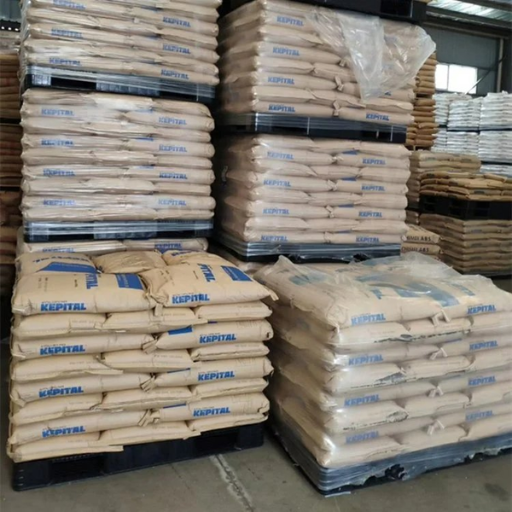
Standard grades cannot satisfy every application. Modified plastics bridge the gap between off-the-shelf properties and specialized requirements through compounding, reinforcement, and additive integration.
Glass Fiber Reinforcement
Adding glass fibers to PA66, PP, PBT, or PC dramatically increases tensile strength, stiffness, and heat deflection temperature. Common loadings range from 15% to 50% by weight. PA66 GF30 has become an industry standard for automotive structural components. PP GF30 offers increased stiffness for appliance and automotive applications while maintaining low density.
The trade-offs include reduced impact resistance, increased tool wear during injection molding, and anisotropic shrinkage that can cause warping.
Flame Retardants
Electronics and electrical applications increasingly demand flame-retardant grades. Halogenated systems offer effectiveness at low loadings but face regulatory pressure under RoHS and REACH. Halogen-free alternatives using phosphorus or nitrogen-based chemistry are gaining preference, though they often require higher additive loadings that can affect mechanical properties and processability.
UV Stabilizers and Weathering Packages
Outdoor applications demand protection against ultraviolet degradation. UV stabilizers, hindered amine light stabilizers (HALS), and carbon black masterbatches extend service life for PP, ABS, and PC components exposed to sunlight.
Polymer Alloys and Blends
PC/ABS alloys capture much of PC's impact strength and heat resistance at lower cost and with better processability than pure PC. These blends dominate automotive interior trim, electronics housings, and appliance panels where a balance of properties justifies the premium over standard ABS.
Need a material with properties beyond standard grades? Explore our modified plastics and custom compounding capabilities to discuss tailored formulations for your specific application.
How to Select the Right Plastic Material for Your Application
Selecting from the many types of plastic materials requires systematic evaluation of application demands. The following framework helps narrow options efficiently.
Define Operating Conditions
Start with temperature. What is the maximum continuous service temperature? What peak temperatures occur during operation or processing?
ABS handles 80-90°C comfortably. PA66 GF30 survives 200°C under the hood. PC maintains performance across a broad range but degrades above 140°C continuous.
Assess Mechanical Loads
Tensile strength, flexural modulus, and impact requirements dictate material category. Unfilled commodity plastics suit light-duty applications. Glass-filled engineering plastics replace metal in structural components. Impact-modified grades absorb energy in drop-prone products.
Evaluate Chemical Exposure
Every plastic has chemical vulnerabilities. PA66 resists motor oil and gasoline but suffers in strong acids. PC degrades in contact with certain solvents.
PP offers excellent chemical resistance across a broad spectrum. Map all fluid contacts before finalizing selection.
Consider Regulatory Requirements
RoHS, REACH, UL94, and FDA compliance requirements eliminate many grades from consideration. Electronics housings near energized components need flame-retardant materials. Automotive applications may require specific heat aging certifications. Medical devices demand biocompatible formulations.
Factor Processing Method
Injection molding dominates thermoplastic processing, but extrusion, blow molding, and 3D printing each impose different material requirements. Melt flow index, crystallization behavior, and shrinkage characteristics must align with your processing equipment and mold design.
Always verify processing parameters against ASTM International standards for test method consistency.
For a complete decision framework, see our material selection guide with detailed property comparisons and application matrices.
Quality and Compliance in Plastic Material Supply
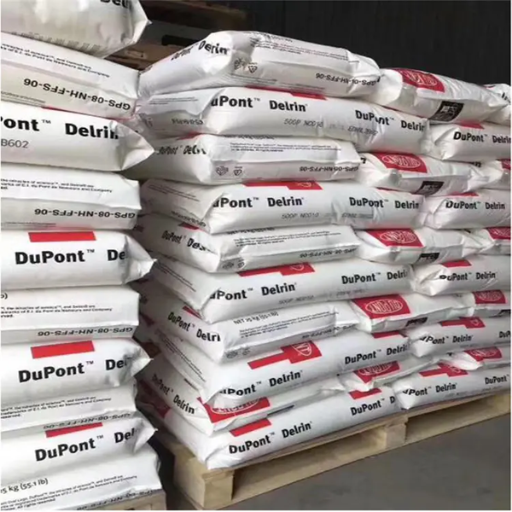
Material selection is only half the battle. Consistent quality and complete documentation separate reliable suppliers from risky ones.
Batch-to-batch variation in melt flow index, color, or mechanical properties can disrupt injection molding parameters and cause rejects. Reputable suppliers implement incoming inspection, batch testing, and certificate of analysis provision for every lot.
Complete documentation supports your quality audits and regulatory compliance. Technical Data Sheets (TDS) provide property values with ASTM or ISO test method references. Material Safety Data Sheets (MSDS/SDS) address handling and shipping requirements. RoHS and REACH certificates verify regulatory compliance for European and global markets.
When sourcing types of plastic materials internationally, verify that your supplier maintains sufficient inventory, understands export documentation requirements, and provides responsive technical support. These factors matter as much as unit price in determining total cost of ownership.
Conclusion
The landscape of plastic material types spans from low-cost commodity grades to high-performance engineered compounds. Commodity plastics such as PP and PE serve high-volume, undemanding applications. Engineering plastics including ABS, PC, PA66, POM, PBT, and PMMA enable structural, thermal, and electrical performance that commodity grades cannot match. Modified plastics extend these capabilities through reinforcement, flame retardancy, and custom formulation for specialized requirements.
Successful material selection balances operating temperature, mechanical loads, chemical exposure, regulatory requirements, and processing constraints against cost targets. Getting this balance right prevents costly field failures, production delays, and warranty claims.
At Shanghai Wenqin Plastics, we supply a comprehensive range of ABS, PC, PA6, PA66, POM, PP, PE, PBT, PMMA, and modified plastic compounds from our Shanghai facility. Our technical team provides material selection guidance, processing recommendations, and complete documentation including TDS, MSDS/SDS, RoHS, and REACH certificates.
Request a quotation today to discuss your specific material requirements, or contact our technical team for personalized application support.
Recently Posted
-
UV Resistant Plastic Materials: A Guide for Outdoor and High-Exposure Applications
May 9, 2026Three months after installation across a vineyard in South Australia, the wireless sensor housings began showing surface cracks. T Read More
 -
LDPE Properties: A Complete Guide for Packaging and Industrial Applications
May 8, 2026In March 2024, a flexible packaging manufacturer in Southeast Asia faced a costly production crisis. Their newly launched food-wra Read More
 -
HDPE Material Properties: A Technical Guide for Engineers and Procurement Professionals
May 8, 2026A manufacturing engineer in Jiangsu province recently discovered that the chemical storage tanks his company had been producing we Read More
 -
Polyethylene Properties: A Complete Technical Guide for Engineers and Buyers
May 7, 2026Maria Chen reviewed the third failed batch of industrial containers in as many weeks. Each time, the walls bowed under load well b Read More

Contact Us
Recommended Products
-
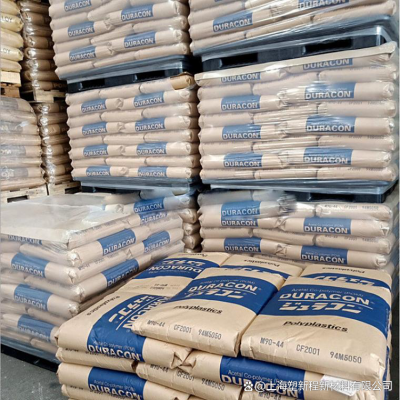
 Duracon POM SW-01 Granules - High-Performance Copolymer Resin for Industrial UseNegotiableMOQ: 1000 Kilograms
 -
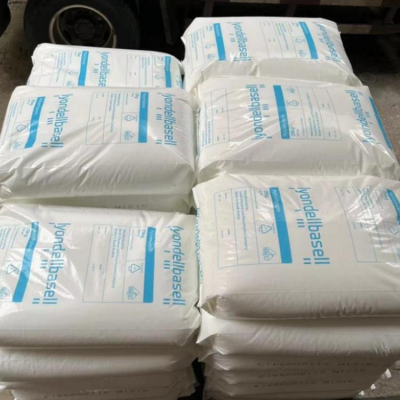
Basel Origin PP 4160/HP500N General Purpose Injection Molding Homopolymer Polypropylene PP PelletsNegotiableMOQ: 1000 Kilograms
-
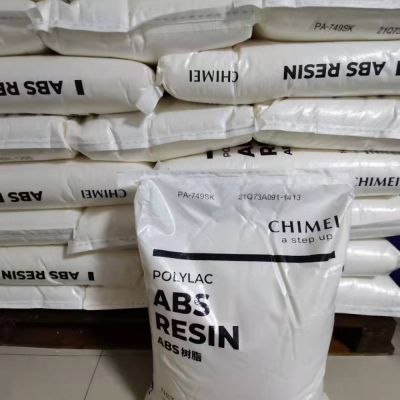
Chimei ABS Resin D-1200 for Electronic Enclosures With Flame Retardant PropertiesNegotiableMOQ: 1 Kilogram
-
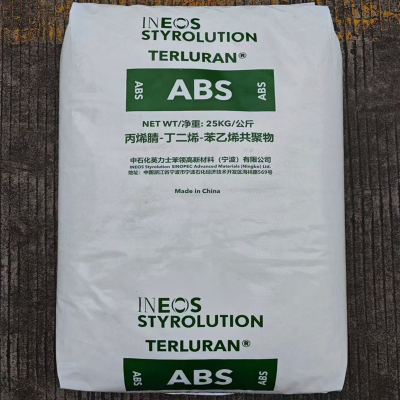
General Purpose ABS GP-22 From Ineos Ideal for Daily Consumer Goods and Common Injection PartsNegotiableMOQ: 1 Kilogram
-
POM GF-10 Glass-Fiber Reinforced Resin Pellets for Industrial GearsNegotiableMOQ: 1 Kilogram
-
Celanese DuPont Precision XGC-25 DuPont Injection Molding Plastic Products POMNegotiableMOQ: 1 Kilogram
-
POM F10-03H With High Impact Resistance for Automotive Fuel System ComponentsNegotiableMOQ: 1 Kilogram
-
High Impact ABS Plastic Granules HI-121H Industrial Raw MaterialNegotiableMOQ: 1 Kilogram
-
Sinopec PP N-T30S Virgin Wire Drawing Grade Polypropylene GranulesNegotiableMOQ: 1 Kilogram
-
General Impact Grade ABS PA 737 Fit for Mass Production Daily Plastic and Office Supply PartsNegotiableMOQ: 1 Kilogram
-
High Impact and Gloss General ABS Plastic Raw Material for Auto Parts MoldingNegotiableMOQ: 1 Kilogram
-
ABS Granules TH-550 Thermoforming Grade for Automotive Interior PartsNegotiableMOQ: 1 Kilogram
-
ABS Granules FR-500 Plastic Material Granules for Electronic ProductsNegotiableMOQ: 1 Kilogram
-
ABS Granules FR500H High Flow Flame Retardant for Thin-Wall ApplicationsNegotiableMOQ: 1 Kilogram
-
ABS Granules HI-121H Injection Molding Grade With High Impact ResistanceNegotiableMOQ: 1 Kilogram
-
ABS Granules Plastic Raw Materials Virgin Injection Molding GradeNegotiableMOQ: 1 Kilogram
-
ABS Granules HI-130 High Gloss Grade for Appliance HousingNegotiableMOQ: 1 Kilogram
-
ABS AF-312C Injection Molding Grade Resin With High Impact Strength for Automotive PartsNegotiableMOQ: 1 Kilogram
-
ABS HP-181 Thermoplastic Plastic Granules LG Huizhou Industrial GradeNegotiableMOQ: 1 Kilogram
-
ABS AF368H Thermoplastic Material With 240°C Melt Temperature for Industrial MoldingNegotiableMOQ: 1 Kilogram
