
 Business License

Plastic Resin Types: A Complete Guide for Engineers and Procurement Managers
When Maria Chen reviewed her company's material spend last quarter, she discovered something that shocked her finance director: they were sourcing 23 different plastic resin types across five suppliers, yet nearly 40% of those SKUs could be consolidated into just six standard grades with equivalent—or better—performance. The complexity of plastic resin types had created invisible costs that no one was tracking.
If you have ever stared at a material specification sheet wondering whether PA66 GF30 or PA6 GF30 suits your application, you are not alone. The plastics industry offers thousands of resin formulations, and the differences between them determine whether your component performs flawlessly for years or fails within months. Procurement managers and materials engineers need a clear framework for understanding the major plastic resin types, their properties, and their ideal applications.
This guide covers the essential plastic resin types that drive modern manufacturing—from commodity workhorses to high-performance engineering grades. You will learn how each material behaves, where it excels, and how to match resin selection to your specific application requirements.
What Are Plastic Resins?
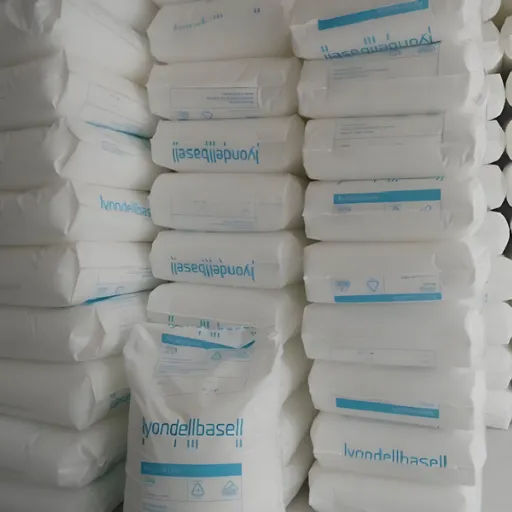
Plastic resins are the raw polymer materials—typically supplied as pellets or granules—that serve as the foundation for injection-molded, extruded, or blow-molded components. Each resin type consists of long molecular chains (polymers) that give the material its characteristic properties. The term "resin" originates from natural plant resins but now refers to synthetic polymers produced through chemical polymerization processes.
Understanding the distinction between commodity plastics and engineering plastics matters for material selection. Commodity plastics—such as Polypropylene (PP) and Polyethylene (PE)—offer low cost and adequate performance for everyday applications. Engineering plastics—including ABS, PC, PA66, and POM—deliver superior mechanical strength, thermal stability, and chemical resistance for demanding industrial applications. The global engineering plastics market exceeded 25 million metric tons in 2024, driven by automotive lightweighting and electronics miniaturization trends.
ABS Resin: The Versatile Workhorse
Acrylonitrile Butadiene Styrene (ABS) remains one of the most widely specified engineering plastics due to its rare combination of toughness, surface gloss, and processability. The terpolymer structure—acrylonitrile for chemical resistance, butadiene for impact strength, styrene for rigidity and gloss—creates a material that dominates electronics housings, appliance panels, and automotive interior trim.
Key Properties
General-purpose ABS delivers tensile strength of 40-50 MPa, flexural modulus of 2,000-2,500 MPa, and heat deflection temperature (HDT) of 85-95°C. These values make ABS ideal for components that require structural rigidity without extreme thermal demands. The material processes easily at melt temperatures of 220-260°C with minimal drying requirements.
Grade Variations
The ABS family extends far beyond general-purpose grades. High-impact formulations suit power tool housings and luggage shells. High-gloss grades achieve mirror-like finishes for appliance front panels. Flame-retardant grades meeting UL94 V-0 ratings serve electronics enclosures and power distribution components. High-heat variants extend service temperatures to 110-120°C for applications near heat sources.
Want to explore ABS grades for your application? [View our complete ABS resin portfolio] to compare specifications and request technical data sheets.
Typical Applications
Consumer electronics housings (laptops, monitors, printers)
Appliance panels and control housings
Automotive interior trim components
Toy and sporting goods manufacturing
Office equipment enclosures
Polycarbonate (PC): Strength and Clarity
Polycarbonate (PC) offers a unique property profile that no other engineering plastic matches: exceptional impact resistance combined with optical transparency. With tensile strength of 60-70 MPa and HDT reaching 130-145°C, PC outperforms ABS in both mechanical and thermal properties. Its light transmittance of 88-90% makes it the material of choice for applications requiring transparency plus durability.
Processing Considerations
PC requires more careful processing than ABS. Melt temperatures of 280-320°C demand precise temperature control to prevent degradation. The material is hygroscopic and must be dried to <0.02% moisture before processing. Mold temperatures of 80-120°C produce optimal surface quality and crystallinity.
PC/ABS Alloys
PC/ABS blends capture the best of both materials—PC's heat resistance and impact strength combined with ABS's processability and cost structure. These alloys have become the default choice for automotive interior components, laptop enclosures, and helmet shells where balanced properties matter more than maximizing any single characteristic.
Polyamide (PA6 and PA66): The Nylon Family
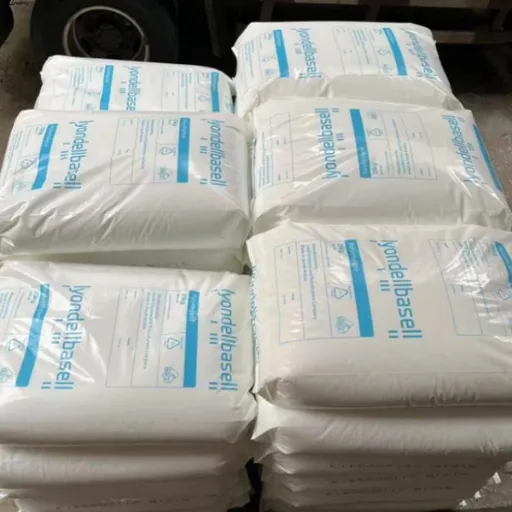
Polyamides—commonly called nylon—rank among the most important engineering plastics for structural applications. PA6 (Nylon 6) and PA66 (Nylon 66) dominate the category, with PA66 offering superior heat resistance and mechanical properties due to its higher crystallinity and melting point (265°C vs. 220°C for PA6).
PA66: The High-Performance Standard
Unfilled PA66 achieves tensile strength of 80-90 MPa and HDT of 70-80°C. Glass fiber reinforcement transforms the material dramatically. PA66 GF30—containing 30% glass fiber by weight—increases tensile strength to 180-200 MPa and pushes HDT above 250°C. This grade has become the industry standard for automotive under-hood components, electrical connectors, and structural industrial parts.
When the engineering team at a Swedish automotive Tier 1 supplier switched from an unfilled PA66 to a heat-stabilized PA66 GF30 for their engine cover program, the results exceeded expectations. The component survived 1,000-hour heat aging tests at 150°C without significant degradation—a performance level that the previous material could not approach. The glass-filled grade also reduced wall thickness requirements by 25%, cutting material usage and cycle times.
PA6: The Cost-Effective Alternative
PA6 processes at lower temperatures and offers better surface finish than PA66. While its heat resistance is lower, PA6 suits applications where maximum thermal performance is unnecessary—gears, bearings, and general industrial components. The cost advantage makes PA6 attractive for high-volume applications with moderate service temperatures.
Moisture Considerations
Both PA6 and PA66 absorb moisture from atmospheric humidity, which plasticizes the material and reduces stiffness. PA66 absorbs approximately 2.5% moisture at saturation; PA6 absorbs closer to 3.5%. Designs must account for dimensional changes between dry-as-molded and equilibrium moisture conditions. Drying to <0.2% moisture before processing is essential to prevent hydrolytic degradation.
Need guidance selecting between PA6 and PA66? Our [material selection guide] provides detailed comparison data and application-specific recommendations.
POM (Polyoxymethylene): Precision and Low Friction
Polyoxymethylene (POM), also known as acetal, delivers exceptional dimensional stability, low friction coefficient, and excellent fatigue resistance. These properties make POM the default choice for precision gears, conveyor components, plumbing fittings, and automotive fuel system parts.
Homopolymer vs. Copolymer
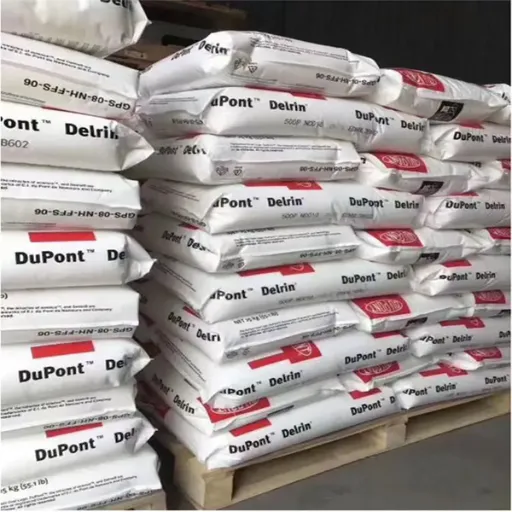
POM homopolymer (often associated with the Delrin trade name) offers slightly higher mechanical strength and hardness but exhibits sharper melting behavior and poorer chemical resistance to strong bases. POM copolymer provides better hydrolysis resistance, improved thermal stability, and broader chemical resistance. For most applications, copolymer POM offers the better balance of properties.
Critical Properties
POM achieves tensile strength of 60-70 MPa, flexural modulus of 2,500-3,000 MPa, and a coefficient of friction against steel of approximately 0.15-0.35. Its continuous service temperature ranges from -40°C to 100°C for standard grades, with heat-stabilized variants extending to 120-140°C.
Processing Notes
POM releases formaldehyde during thermal decomposition, requiring adequate ventilation and temperature control. Melt temperatures must stay within 190-230°C to prevent degradation. The material's sharp melting point and fast crystallization rate produce excellent dimensional stability but require precise mold temperature control.
Polypropylene (PP): The Economical All-Rounder
Polypropylene (PP) represents one of the highest-volume plastic resins globally, offering an exceptional balance of cost, chemical resistance, and processability. With density of only 0.90-0.91 g/cm³, PP provides the lowest weight per unit volume among common engineering plastics.
Homopolymer vs. Copolymer
Homopolymer PP delivers maximum stiffness and heat resistance (HDT ~100°C) but exhibits brittleness at low temperatures. Copolymer PP—produced with ethylene comonomer—maintains impact resistance down to -20°C or lower, making it essential for automotive bumpers, appliance housings, and outdoor applications.
Reinforced and Filled Grades
Glass fiber-reinforced PP increases stiffness and heat resistance for structural automotive components. Talc-filled PP improves dimensional stability and rigidity at lower cost than glass reinforcement. Mineral-filled grades offer balanced properties for appliance and automotive interior applications.
Polyethylene (PE): From Film to Industrial Parts
Polyethylene encompasses several subcategories defined by density and branching structure. High-Density Polyethylene (HDPE) offers stiffness and chemical resistance for industrial containers, piping, and structural components. Low-Density Polyethylene (LDPE) provides flexibility and clarity for film and packaging. Linear Low-Density Polyethylene (LLDPE) combines toughness with processability for stretch film and flexible applications.
For engineering applications, HDPE dominates with tensile strength of 25-35 MPa and excellent chemical resistance to acids, bases, and solvents. Its low cost and ease of processing make HDPE the material of choice for chemical storage tanks, industrial piping, and material handling containers.
PBT: Electrical and Automotive Specialty
Polybutylene Terephthalate (PBT) occupies a specialized niche in the engineering plastics portfolio. Its rapid crystallization rate enables fast cycle times in injection molding—often 20-30% shorter than PA66. Combined with excellent electrical insulation properties and resistance to automotive fluids, PBT has become the default material for electrical connectors, automotive sensors, and circuit breaker housings.
Glass-filled PBT grades (PBT GF30) increase stiffness and heat resistance for structural electrical components. Flame-retardant formulations meeting UL94 V-0 ratings serve high-voltage electrical applications where safety is paramount.
PMMA: Optical Excellence
Polymethyl Methacrylate (PMMA)—commonly called acrylic—offers exceptional optical clarity with light transmittance of 92% and excellent weather resistance. While its impact resistance falls below PC, PMMA's superior scratch resistance, UV stability, and ability to accept vibrant colors make it the preferred choice for lighting diffusers, display panels, automotive tail light lenses, and signage.
Optical-grade PMMA achieves haze values below 1% and refractive index of 1.49, approaching the optical performance of glass at a fraction of the weight.
Comparing Plastic Resin Types: Selection Framework
Selecting the right plastic resin type requires systematic evaluation of application requirements against material capabilities. The following framework simplifies the decision process.
Temperature Requirements
For continuous operating temperatures below 80°C, ABS and PP offer cost-effective solutions. The 80-120°C range demands high-heat ABS, PC, or PA6. Above 120°C, PA66 (especially glass-filled grades), PBT, and specialized heat-stabilized formulations become necessary. Always evaluate both continuous service temperature and peak temperature exposure.
Mechanical Load
Structural applications requiring high stiffness and strength favor glass-filled PA66, POM, or PC. Impact-resistant applications benefit from ABS, high-impact PP copolymer, or PC. Applications with cyclic loading or gear meshing demand POM's fatigue resistance.
Chemical Environment
PP and HDPE offer the broadest chemical resistance among standard engineering plastics. PA66 resists oils and greases but suffers in acidic environments. PC degrades in contact with strong bases and some solvents. Always verify chemical compatibility through immersion testing at service temperatures.
Surface and Appearance
High-gloss visible components favor ABS, PMMA, or high-gloss PP. Transparent applications require PC or PMMA. Textured surfaces or overmolding applications demand materials with good adhesion characteristics.
Unsure which plastic resin type fits your application? [Contact our technical team] for material selection guidance based on your specific requirements.
Quality Verification and Documentation
Regardless of which plastic resin type you select, quality verification remains essential. Reputable suppliers provide comprehensive documentation including:
Technical Data Sheets (TDS) with complete property data and test method references
Material Safety Data Sheets (MSDS/SDS) for safe handling and regulatory compliance
Certificates of Analysis (COA) documenting batch-specific test results
Compliance certificates for RoHS, REACH, UL, and food-contact regulations
Incoming inspection should verify visual quality, moisture content (for hygroscopic resins like PA and PBT), and key properties such as melt flow index. Lot traceability ensures that any quality concerns can be traced back to specific production batches.
Conclusion
Understanding plastic resin types is not merely an academic exercise—it directly affects product performance, manufacturing efficiency, and total material cost. ABS provides versatility for electronics and appliances. PC delivers unmatched impact resistance and optical clarity. PA66 dominates structural and high-temperature applications. POM excels in precision and low-friction components. PP and PE offer cost-effective solutions for chemical-resistant and structural applications. PBT serves electrical and automotive specialties. PMMA provides optical excellence for lighting and display applications.
The key to successful material selection lies in matching resin properties to application requirements while considering processing constraints, regulatory compliance, and supply chain reliability. Working with a supplier who understands these materials deeply—and can support your selection process with technical data and application guidance—reduces risk and accelerates qualification timelines.
At Shanghai Wenqin Plastics, we supply a comprehensive range of ABS, PC, PA6, PA66, POM, PP, PE, PBT, and PMMA grades for manufacturers worldwide. Our technical team provides material selection support, processing recommendations, and complete documentation to ensure your components perform as specified. [Request a quotation] or [speak to our technical team] to discuss your plastic resin requirements today.
Recently Posted
-
How to Choose the Right Engineering Plastics Distributor for Your Manufacturing Supply Chain
June 12, 2026When a production line at a German automotive tier-1 supplier ground to a halt last year, the cause was not equipment failure or l Read More
 -
The Plastic Extrusion Process: A Complete Technical Guide for Manufacturers
June 12, 2026When the quality team at a window profile plant in Poland measured wall thickness drift on their PVC line last spring, the culprit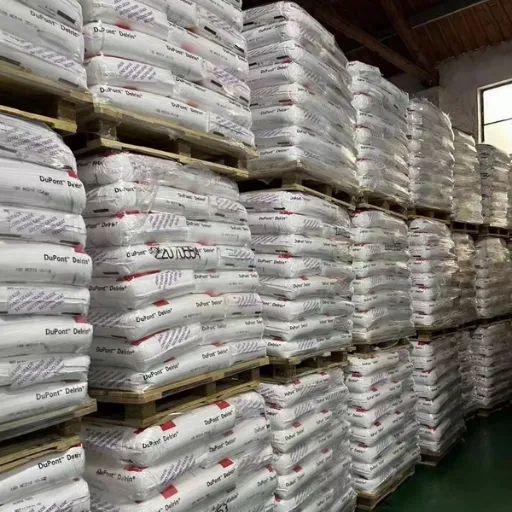 Read More
 -
How to Choose an Engineering Plastics Supplier That Protects Your Production Line
June 10, 2026Last March, a tier-2 automotive supplier in Stuttgart received a shipment of PA66 GF30 that looked identical to every batch before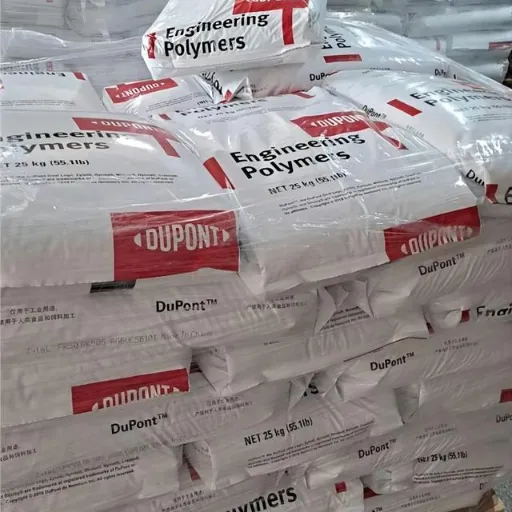 Read More
 -
How Long Does Plastic Last? A Materials Engineer's Guide to Polymer Lifespan
June 10, 2026A single polyethylene grocery bag can persist in a landfill for 500 years, yet the same material inside your refrigerator's in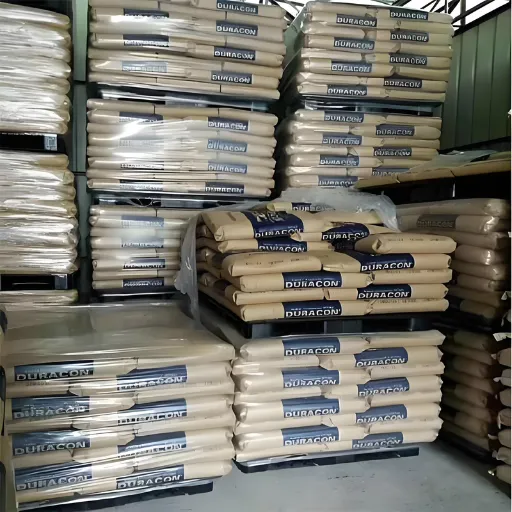 Read More

Contact Us
Recommended Products
-
 POM GF-10 Glass-Fiber Reinforced Resin Pellets for Industrial GearsNegotiableMOQ: 1 Kilogram
 -
Duracon POM SW-01 Granules - High-Performance Copolymer Resin for Industrial UseNegotiableMOQ: 1000 Kilograms
-
Basel Origin PP 4160/HP500N General Purpose Injection Molding Homopolymer Polypropylene PP PelletsNegotiableMOQ: 1000 Kilograms
-
Chimei ABS Resin D-1200 for Electronic Enclosures With Flame Retardant PropertiesNegotiableMOQ: 1 Kilogram
-
HDPE Film Grade Hta-001 Injection for High Strength ToughnessNegotiableMOQ: 1 Kilogram
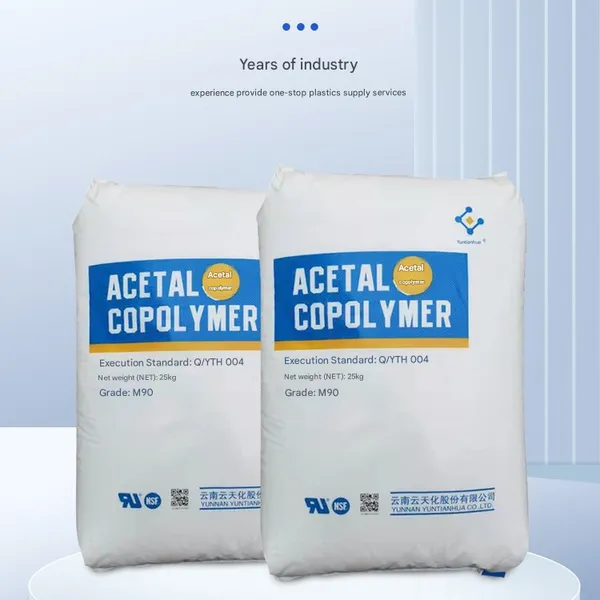
-
High‑Heat‑Resistant Optical‑Grade Polycarbonate PC Resin Teijin SP‑1516 for Camera Lens ManufacturingNegotiableMOQ: 1 Kilogram
-
PC Resin Covestro 1803 With High Impact Resistance for Automotive PartsNegotiableMOQ: 25 Kilograms
-
General Purpose ABS GP-22 From Ineos Ideal for Daily Consumer Goods and Common Injection PartsNegotiableMOQ: 1 Kilogram
-
Celanese DuPont Precision XGC-25 DuPont Injection Molding Plastic Products POMNegotiableMOQ: 1 Kilogram
-
High Impact ABS Plastic Granules HI-121H Industrial Raw MaterialNegotiableMOQ: 1 Kilogram

-
Sinopec PP N-T30S Virgin Wire Drawing Grade Polypropylene GranulesNegotiableMOQ: 1 Kilogram
-
POM F10-03H With High Impact Resistance for Automotive Fuel System ComponentsNegotiableMOQ: 1 Kilogram
-
General Impact Grade ABS PA 737 Fit for Mass Production Daily Plastic and Office Supply PartsNegotiableMOQ: 1 Kilogram
-
366-5 PP Resin Granules With High Impact Strength for Industrial UseNegotiableMOQ: 1 Kilogram
-
PP Granules 3009 - Flame Retardant PP Compound for Electrical Components, UL94 V-2 RatedNegotiableMOQ: 1 Kilogram
-
PC-115P Polycarbonate Resin for 3D Printing Filaments With Low WarpageNegotiableMOQ: 1 Kilogram
-
Low‑Temperature Impact PP Pellets K4750 Modified Copolymer for Automotive BumpersNegotiableMOQ: 1 Kilogram
-
Chimei ABS Resin D-2200 for Luggage and Travel Cases With High RigidityNegotiableMOQ: 1 Kilogram
-
Natural Color Delrin POM M90NAT Celanese DuPont Virgin Resin Raw MaterialNegotiableMOQ: 1 Kilogram
-
FMA016 HDPE Grade for Large-Diameter Corrugated Pipe ProductionNegotiableMOQ: 1 Kilogram