
 Business License

How to Choose an Engineering Plastics Supplier That Protects Your Production Line
Last March, a tier-2 automotive supplier in Stuttgart received a shipment of PA66 GF30 that looked identical to every batch before it. Three days into production, quality control flagged dimensional deviations in engine mount brackets. The lot had slipped through without proper batch testing. By the time the issue was traced back to the trading company that sourced the material, the production line had been down for 48 hours and the manufacturer faced a EUR 120,000 penalty for missing delivery commitments to their OEM customer.
If you have ever sourced engineering plastics for injection molding, automotive components, or electrical housings, you know the frustration of inconsistent material quality, incomplete documentation, or suppliers who disappear the moment a problem arises. The difference between a reliable partner and a transactional vendor is not price. It is the ability to deliver consistent pellets, complete technical data, and responsive support when your production schedule depends on it.
This guide explains what separates a professional engineering plastics supplier from a commodity trader, the criteria that matter during evaluation, and how to build a sourcing relationship that reduces risk rather than adding to it. Whether you are qualifying a new supplier for PA66 automotive grades, ABS electronics housings, or a full portfolio of engineering polymers, the framework below will help you make an informed decision.
What Separates an Engineering Plastics Supplier from a Commodity Trader
The plastics supply market includes two fundamentally different types of vendors: engineering plastics suppliers who understand material science, and commodity traders who move boxes. Telling them apart early in the evaluation process saves months of frustration.
A true engineering plastics supplier maintains technical depth across their portfolio. They can explain why PA66 GF30 requires a higher mold temperature than unfilled PA66. They understand that flame-retardant ABS grades demand tighter processing windows to prevent degradation. They ask about your injection molding parameters, operating temperatures, and regulatory requirements before quoting a price.
Trading companies, by contrast, typically buy and resell materials without technical staff who can support material selection or troubleshoot processing issues. Their value proposition is price, and their risk is variability. When a batch performs differently in your mold, a trader has limited ability to diagnose whether the issue lies in moisture content, melt flow index deviation, or improper drying procedures.
Key differentiators to look for:
Technical team availability: Does the supplier employ staff who can discuss heat deflection temperature, glass fiber content, or stabilization packages in detail?
Grade breadth with depth: A supplier offering ABS, PC, PA6, PA66, POM, PP, PE, PBT, PMMA, and modified plastics with application-specific knowledge demonstrates technical investment that traders rarely match.
Documentation readiness: Can they provide a Technical Data Sheet (TDS) with ASTM or ISO test method references on request, or do they delay and deflect?
Want to see how technical support works in practice? Explore our engineering plastics portfolio to view the grades and documentation we provide with every shipment.
Technical Documentation and Compliance: Non-Negotiable Requirements
Engineering plastics procurement is not a handshake business. Every batch that enters your facility should arrive with documentation that supports quality audits, regulatory compliance, and material qualification. A professional engineering plastics supplier treats documentation as a core deliverable, not an afterthought.
The minimum documentation package includes:
Technical Data Sheet (TDS): Lists mechanical properties, thermal properties, and processing parameters with referenced test methods.
Material Safety Data Sheet (MSDS/SDS): Required for hazardous material classification, customs clearance, and workplace safety compliance.
Certificate of Analysis (COA): Documents batch-specific test results for key properties such as melt flow index, tensile strength, and moisture content.
Compliance certificates: RoHS and REACH documentation for European markets; UL94 flame ratings for electrical applications; FDA compliance where food contact is relevant.
In 2023, a mid-sized electronics manufacturer in Southeast Asia qualified a new ABS supplier for a printer housing project. The initial samples molded well, and the price was 8% below their existing source. The problems began when their European distributor requested REACH documentation for a retail channel expansion. The supplier could not produce valid REACH compliance certificates. Six weeks of delayed shipments followed while the manufacturer scrambled to find an alternative FR-ABS grade with complete documentation. The 8% material cost savings evaporated against lost revenue and customer trust.
When evaluating an engineering plastics supplier, request document samples during the qualification phase. Suppliers who hesitate or promise to "send them later" often lack proper documentation infrastructure. Those who provide complete TDS, MSDS, and compliance certificates promptly demonstrate the organizational maturity that long-term partnerships require.
Inventory and Supply Chain Reliability
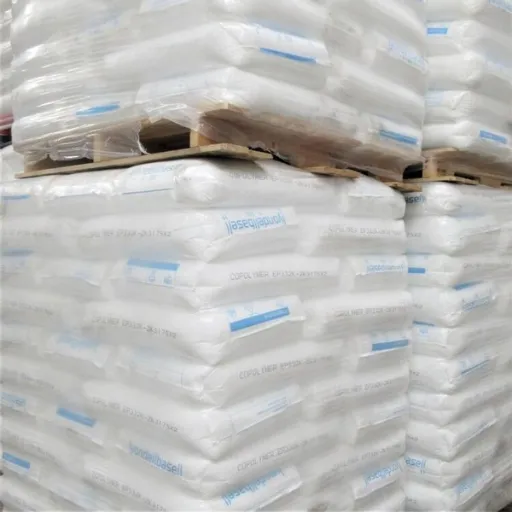
Technical competence means little if the material is not available when you need it. Manufacturing schedules operate on tight margins. A missing shipment of PA66 GF30 can idle an automotive production line. A delayed delivery of flame-retardant ABS can postpone an electronics product launch.
Evaluate supply reliability through four lenses:
Stocked inventory: Does the supplier maintain physical inventory of major grades, or do they source on demand? Suppliers with Shanghai-based or regional warehouse stock can respond to urgent orders significantly faster than those who must procure from upstream manufacturers after receiving your purchase order.
Lead time transparency: A reliable engineering plastics supplier provides realistic lead times for stocked versus non-stocked grades. For standard grades, 2-4 weeks from order to delivery is typical. For custom-compounded or specialized modified plastics, 4-8 weeks is reasonable. Be wary of suppliers who promise unrealistically short timelines.
Packaging and moisture protection: Engineering plastics, particularly hygroscopic grades like PA66 and PBT, require moisture-barrier packaging with desiccant. Inadequate packaging leads to moisture absorption during sea transit, causing hydrolytic degradation, splay, and reduced mechanical properties in molded parts.
Logistics experience: International procurement adds complexity. Suppliers experienced in FOB, CIF, and DAP terms understand export documentation, customs requirements, and freight coordination. First-time exporters often struggle with commercial invoices, packing lists, and Bills of Lading that meet destination country standards.
Need shorter lead times for critical grades? Request a quotation with your delivery requirements, and we will confirm stock availability and realistic timelines for your specific grades.
Application Expertise and Material Selection Support
Not every PA66 grade suits every application. Not every ABS formulation meets every regulatory requirement. A valuable engineering plastics supplier acts as a technical extension of your team, not just a vendor who fills orders.
Application expertise manifests in several ways:
Automotive component manufacturing: Automotive engineering plastics must withstand under-hood temperatures, resist motor oil and gasoline, and maintain dimensional stability across thermal cycles. A knowledgeable supplier recommends heat-stabilized PA66 GF30 for engine covers, hydrolysis-resistant grades for cooling system components, and PBT for electrical connectors based on your specific operating environment.
Electronics and electrical applications: Electronics-grade plastics require flame retardancy, high surface gloss, and compliance with RoHS and REACH. Suppliers with application expertise guide you between halogenated and halogen-free flame-retardant ABS, recommend PC grades for transparent enclosures, and advise on UV-stabilized PMMA for lighting diffusers.
Injection molding optimization: Beyond material selection, technical suppliers provide processing guidance. They can recommend drying conditions for hygroscopic grades, suggest melt temperature ranges to avoid degradation, and explain how glass fiber content affects shrinkage and warp behavior. This guidance reduces trial shots, shortens mold qualification, and lowers scrap rates.
When a supplier asks detailed questions about your application before quoting, that is a positive signal. Suppliers who request information about operating temperatures, chemical exposure, regulatory requirements, and processing methods demonstrate the consultative approach that prevents costly mis-specification.
Export Capabilities and Global Partnership
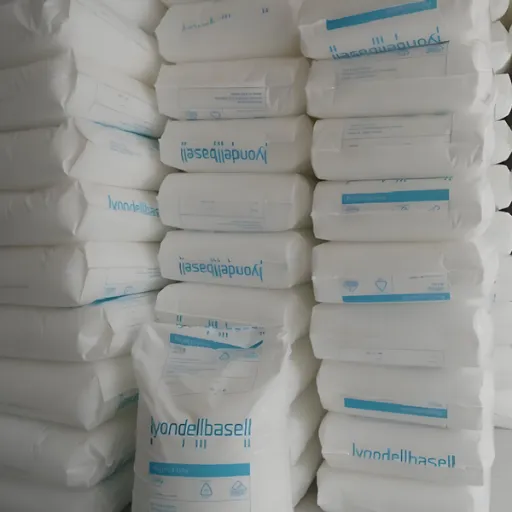
For manufacturers outside China, sourcing from a Shanghai-based engineering plastics supplier offers cost and portfolio advantages. Realizing those advantages requires an export-focused partner who understands international trade.
Documentation for customs and compliance: Export shipments require correctly formatted commercial invoices, packing lists, certificates of origin, and MSDS/SDS documentation. Experienced suppliers prepare these documents as standard practice. Inexperienced exporters generate delays at customs, incur demurrage charges, and create compliance gaps.
Trade term flexibility: Professional suppliers offer FOB Shanghai, CIF destination port, and DAP delivery options to match your logistics preferences. They understand Incoterms and allocate risk and responsibility appropriately.
Communication reliability: International partnerships fail more often from communication gaps than from quality problems. Evaluate English-language proficiency, response times to inquiries, and clarity in written quotations and specifications during the evaluation period. The behavior you observe during sales qualification predicts the behavior you will experience after contract award.
Long-term partnership mindset: The most successful sourcing relationships evolve from transactional purchasing to strategic partnerships. Characteristics include transparency about production schedules, commitment to annual volume agreements, collaborative problem-solving, and mutual benefit in pricing and terms.
For a deeper look at sourcing from China, see our guide on sourcing plastics from China.
Red Flags to Watch for When Selecting an Engineering Plastics Supplier
Knowing what to avoid is as valuable as knowing what to seek. Watch for these warning signs during supplier evaluation:
Instant quotations without questions: If a supplier provides a price within minutes of your first contact without asking about application, processing method, or regulatory requirements, they are likely a trader without technical depth. Material selection requires understanding your needs. Price-first responses indicate a transactional mindset.
Vague or missing technical data: Suppliers who cannot provide TDS documents with specific property values and test method references may not have direct relationships with manufacturers or may be blending materials from inconsistent sources. Always verify that technical data is available before placing trial orders.
Inability to provide compliance documentation: RoHS, REACH, and UL94 certificates are standard requirements for global manufacturing. Suppliers who cannot produce these during evaluation will not produce them after you are dependent on their material.
Demanding 100% advance payment: While payment terms vary by relationship stage, suppliers who refuse any flexibility on payment may indicate cash flow concerns or limited confidence in their own delivery reliability.
Inconsistent communication: Delayed responses, unclear quotations, or difficulty scheduling technical discussions during the evaluation phase signal communication problems that will amplify after you place production orders.
Conclusion
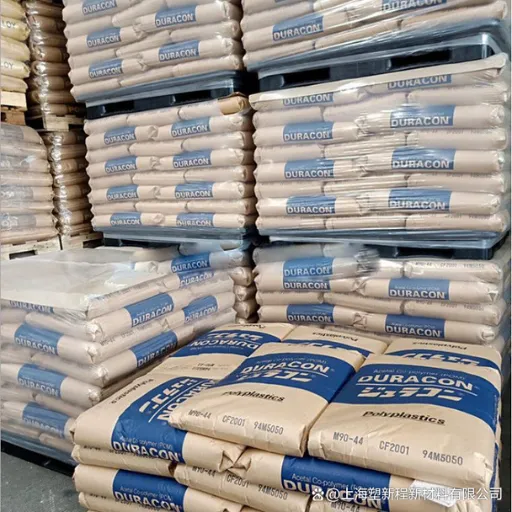
Selecting the right engineering plastics supplier is a strategic decision that affects production consistency, product quality, and supply chain resilience. The best suppliers combine technical material expertise, stable quality processes, sufficient inventory, complete documentation, and export logistics experience into a partnership that reduces your procurement risk.
Key takeaways:
Distinguish technical suppliers from commodity traders by evaluating their material knowledge, documentation readiness, and application questions.
Require complete TDS, MSDS/SDS, COA, and compliance certificates before qualifying any supplier.
Verify inventory levels and lead time transparency to avoid production disruptions.
Seek application-specific guidance that connects grade properties to your manufacturing requirements.
Evaluate export experience, communication quality, and partnership mindset for international sourcing relationships.
The evaluation process requires upfront investment of time and attention. That investment pays dividends through reduced supply risk, consistent material quality, and predictable delivery performance over the life of the relationship.
At Shanghai Wenqin Plastics, we supply ABS, PC, PA6, PA66, POM, PP, PE, PBT, PMMA, and modified plastics to manufacturers and trading partners worldwide. Based in Shanghai with sufficient inventory across major engineering plastic grades, we provide stable quality, complete documentation, and responsive technical support. Contact us today to discuss your material requirements, request samples for evaluation, or arrange a technical consultation.
Recently Posted
-
How to Choose the Right Engineering Plastics Distributor for Your Manufacturing Supply Chain
June 12, 2026When a production line at a German automotive tier-1 supplier ground to a halt last year, the cause was not equipment failure or l Read More
 -
The Plastic Extrusion Process: A Complete Technical Guide for Manufacturers
June 12, 2026When the quality team at a window profile plant in Poland measured wall thickness drift on their PVC line last spring, the culprit Read More
 -
How Long Does Plastic Last? A Materials Engineer's Guide to Polymer Lifespan
June 10, 2026A single polyethylene grocery bag can persist in a landfill for 500 years, yet the same material inside your refrigerator's in Read More
 -
How to Identify Plastic Type: A Practical Guide for Materials Engineers and Procurement Managers
June 10, 2026A shipment arrives at your receiving dock. The labels are damaged, the certificates of analysis are missing, and your production l Read More

Contact Us
Recommended Products
-
 POM GF-10 Glass-Fiber Reinforced Resin Pellets for Industrial GearsNegotiableMOQ: 1 Kilogram
 -
Duracon POM SW-01 Granules - High-Performance Copolymer Resin for Industrial UseNegotiableMOQ: 1000 Kilograms
-
Basel Origin PP 4160/HP500N General Purpose Injection Molding Homopolymer Polypropylene PP PelletsNegotiableMOQ: 1000 Kilograms
-
Chimei ABS Resin D-1200 for Electronic Enclosures With Flame Retardant PropertiesNegotiableMOQ: 1 Kilogram
-
HDPE Film Grade Hta-001 Injection for High Strength ToughnessNegotiableMOQ: 1 Kilogram
-
High‑Heat‑Resistant Optical‑Grade Polycarbonate PC Resin Teijin SP‑1516 for Camera Lens ManufacturingNegotiableMOQ: 1 Kilogram
-
PC Resin Covestro 1803 With High Impact Resistance for Automotive PartsNegotiableMOQ: 25 Kilograms
-
General Purpose ABS GP-22 From Ineos Ideal for Daily Consumer Goods and Common Injection PartsNegotiableMOQ: 1 Kilogram
-
Celanese DuPont Precision XGC-25 DuPont Injection Molding Plastic Products POMNegotiableMOQ: 1 Kilogram
-
High Impact ABS Plastic Granules HI-121H Industrial Raw MaterialNegotiableMOQ: 1 Kilogram

-
Sinopec PP N-T30S Virgin Wire Drawing Grade Polypropylene GranulesNegotiableMOQ: 1 Kilogram
-
POM F10-03H With High Impact Resistance for Automotive Fuel System ComponentsNegotiableMOQ: 1 Kilogram
-
General Impact Grade ABS PA 737 Fit for Mass Production Daily Plastic and Office Supply PartsNegotiableMOQ: 1 Kilogram
-
366-5 PP Resin Granules With High Impact Strength for Industrial UseNegotiableMOQ: 1 Kilogram
-
PP Granules 3009 - Flame Retardant PP Compound for Electrical Components, UL94 V-2 RatedNegotiableMOQ: 1 Kilogram
-
PC-115P Polycarbonate Resin for 3D Printing Filaments With Low WarpageNegotiableMOQ: 1 Kilogram
-
Low‑Temperature Impact PP Pellets K4750 Modified Copolymer for Automotive BumpersNegotiableMOQ: 1 Kilogram
-
Chimei ABS Resin D-2200 for Luggage and Travel Cases With High RigidityNegotiableMOQ: 1 Kilogram
-
Natural Color Delrin POM M90NAT Celanese DuPont Virgin Resin Raw MaterialNegotiableMOQ: 1 Kilogram
-
FMA016 HDPE Grade for Large-Diameter Corrugated Pipe ProductionNegotiableMOQ: 1 Kilogram