
 Business License

How to Choose the Right Engineering Plastics Distributor for Your Manufacturing Supply Chain
When a production line at a German automotive tier-1 supplier ground to a halt last year, the cause was not equipment failure or labor shortage. It was a single pallet of off-spec PA66 GF30 pellets that had slipped through a distributor's quality process. The batch variation caused warping in engine cover components, triggering a full line shutdown that cost more than the annual value of the material contract. The distributor, a general trading company with no technical staff, could offer only an apology and a replacement shipment three weeks away.
If you manage procurement or materials engineering for a global manufacturing operation, you recognize this scenario. The engineering plastics distributor you choose is not merely a vendor. They are an extension of your supply chain, and their failures become your failures.
This guide explains how to evaluate, select, and partner with an engineering plastics distributor that supports your production goals rather than undermining them. You will learn the critical criteria for distributor evaluation, the documentation and quality systems that separate professional suppliers from traders, and the partnership practices that ensure reliable supply over the long term.
Why the Right Engineering Plastics Distributor Matters More Than Price
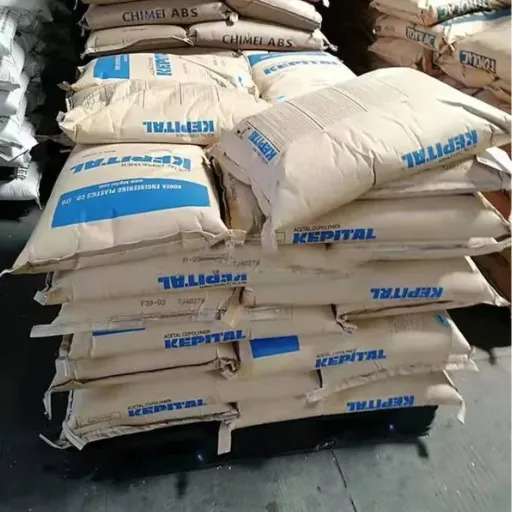
Most procurement teams begin distributor evaluation with unit pricing. This is a costly mistake. In the engineering plastics market, material properties, consistency, and technical support directly influence manufacturing yield, warranty exposure, and production uptime.
Engineering plastics, including ABS, PC, PA6, PA66, POM, PP, PE, PBT, and PMMA, are not commodity products. Each grade carries specific mechanical, thermal, and processing characteristics that must match your application requirements. A distributor who treats these materials as interchangeable bags of pellets creates risk at every stage of your operation.
The right engineering plastics distributor provides four capabilities that trading companies and price-focused brokers cannot match:
Technical material expertise: Understanding of grade differences, application suitability, and processing parameters
Quality assurance systems: Documented batch testing, lot traceability, and certificate of analysis provision
Supply stability: Maintained inventory and established logistics that prevent stock-out disruptions
Export documentation: Complete TDS, MSDS/SDS, and compliance certificates for international quality systems
When these capabilities are present, the total cost of ownership drops. Even a higher unit price pays for itself through fewer rejections and stable production. When they are absent, the hidden costs of rejected batches, production delays, and quality claims quickly erase any upfront savings.
The Hidden Cost of Choosing the Wrong Distributor
Consider the experience of Elena, a procurement manager at a mid-sized electronics manufacturer in Poland. She awarded a contract for flame-retardant ABS to the lowest bidder from a broker platform. The first two containers arrived without issue.
The third contained natural ABS mislabeled as UL94 V-0 rated. Her quality team discovered the error only after molding 12,000 laptop housing components that failed customer flame-testing requirements.
The broker credited the material cost. That amount was a fraction of the true loss. Elena faced scrapped parts, rework labor, delayed customer deliveries, and a damaged relationship with her largest account. The "savings" from choosing the cheapest engineering plastics distributor cost her company more than 40 times the material value.
This pattern repeats across the industry because engineering plastics require technical competence that general trading companies lack.
How to Evaluate an Engineering Plastics Distributor: Seven Critical Criteria
Selecting a distributor should be a structured process, not a price comparison exercise. The following seven criteria separate capable engineering plastics distributors from opportunistic resellers.
1. Technical Competence and Material Knowledge
A professional engineering plastics distributor employs technical staff who understand polymer science, grade specifications, and application requirements. You can see this expertise in how they respond to inquiries. Notice the questions they ask before quoting.
Evaluation questions to ask:
Can they explain the difference between PA6 and PA66 for your specific application?
Do they ask about your processing method, operating temperature, and regulatory requirements before offering a price?
Can they provide processing guidance such as recommended melt temperatures, mold temperatures, and drying requirements?
Do they offer material selection support, or do they simply send a price list?
Distributors who engage technically before quoting demonstrate the expertise needed for long-term partnership. Those who provide instant prices without questions are almost certainly brokers with no technical depth. For manufacturers sourcing ABS resin grades or PA66 GF30 for automotive, this expertise is not optional. It is the difference between consistent production and recurring quality failures.
2. Quality Management and Batch Consistency
Lot-to-lot consistency is the most critical factor for injection molding operations. Even a 5% variation in melt flow index can shift processing parameters enough to produce out-of-spec parts. This variation is common with distributors who source opportunistically from multiple manufacturers.
What to look for:
Incoming raw material inspection with documented acceptance criteria
Batch testing of finished pellets for key properties (MFI, impact strength, moisture content)
Lot numbering systems that enable traceability from finished goods back to raw material batches
Certificate of analysis (COA) provided with each shipment
Request a COA sample during the evaluation phase. A distributor who cannot or will not provide this document during the sales process will not provide it reliably after contract award.
3. Product Portfolio and Grade Availability
Manufacturers rarely need a single material. An automotive supplier may require PA66 GF30 for under-hood components, PBT for electrical connectors, and ABS for interior trim. Sourcing each grade from a separate distributor multiplies procurement overhead, quality audit burden, and logistics complexity.
A capable engineering plastics distributor offers a comprehensive portfolio spanning the major thermoplastic families:
ABS: General-purpose, high-impact, flame-retardant, and high-gloss grades for electronics and appliance housings
PC: General-purpose, glass-filled, UV-stabilized, and flame-retardant grades for lighting and enclosures
PA6 and PA66: Unfilled, glass-filled (GF15 to GF50), heat-stabilized, and flame-retardant grades for automotive and industrial applications
POM: Homopolymer and copolymer grades for precision gears and low-friction components
PP and PE: Homopolymer, copolymer, glass-filled, and impact-modified grades for automotive and appliance applications
PBT: Unfilled, glass-filled, and flame-retardant grades for electrical connectors and automotive sensors
PMMA: General-purpose and high-impact grades for lighting diffusers and display panels
Equally important is the availability of modified plastics and custom compounds. Applications with specialized requirements, enhanced UV resistance, custom colors, or specific flame-retardant packages, often need tailored formulations that only technically capable distributors can source or develop.
4. Documentation and Compliance Capabilities
International manufacturers require complete documentation for customs clearance, quality audits, and regulatory compliance. A distributor's documentation practices reveal their professionalism and export experience.
Required documents:
Technical Data Sheet (TDS) with ASTM or ISO test methods
Material Safety Data Sheet (MSDS/SDS) in English
RoHS compliance certificates
REACH compliance documentation for European markets
Certificate of Origin
Certificate of Analysis (COA) per batch
Suppliers who hesitate or delay providing these documents during evaluation will create compliance problems later. Professional engineering plastics distributors provide documentation as a standard service, not an exception.
5. Inventory and Supply Stability
Engineering plastics procurement fails most often not from quality problems but from supply interruptions. A distributor without maintained inventory forces you to carry excess safety stock or risk production delays.
What to verify:
Do they maintain stocked inventory of major grades, or do they source on demand?
What is their typical lead time for stocked versus non-stocked grades?
Can they accommodate both trial orders and bulk container shipments?
Do they offer flexible trade terms including FOB, CIF, and DAP?
Distributors with sufficient Shanghai-based inventory can respond to schedule changes and urgent orders. Distributors who source on demand add weeks to lead times and create uncertainty in your production planning.
6. Export Experience and Logistics Coordination
International shipping of engineering plastics involves specific packaging requirements, documentation procedures, and customs considerations. First-time exporters often struggle with these complexities.
Evaluation factors:
Years of export experience and destination markets served
Familiarity with Incoterms (FOB, CIF, DAP)
Proper packaging practices: moisture-barrier bags with desiccant, durable secondary packaging, heat-treated pallets
Relationships with established freight forwarders and customs brokers
For manufacturers importing from China, working with an experienced export partner eliminates the logistical friction that disrupts inexperienced suppliers.
7. Communication and Responsiveness
International sourcing relationships fail more often from communication gaps than from quality or price issues. Evaluate how a distributor communicates during the evaluation phase, because that pattern will continue after contract award.
Indicators of good communication:
English-language proficiency of commercial and technical contacts
Response time to inquiries and quotation requests
Clarity of written communication in quotations, specifications, and documentation
Availability for video conferences or technical consultations
A distributor who responds promptly and clearly during the sales process is more likely to maintain that standard when issues arise.
Understanding Engineering Plastic Grades: What Distributors Should Explain
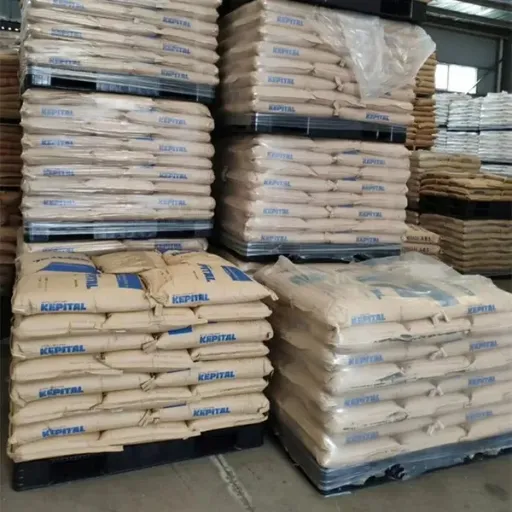
A competent engineering plastics distributor does more than fulfill orders. They educate customers on material selection and help prevent costly specification errors. The following overview covers the major material categories a distributor should be able to discuss in detail.
ABS: The Workhorse for Electronics and Appliances
Acrylonitrile Butadiene Styrene (ABS) remains one of the most widely specified thermoplastics for consumer electronics and home appliance manufacturing. Its combination of rigidity, impact resistance, surface gloss, and processability makes it the default choice for housings, panels, and structural components.
General-purpose ABS offers tensile strength of 40-50 MPa and heat deflection temperatures around 85-95°C. High-heat formulations extend this to 110-120°C for applications near heat sources. Flame-retardant grades achieve UL94 V-0 ratings for electronics enclosures.
When evaluating a distributor's ABS offerings, ask about lot-to-lot consistency in melt flow index, color stability for natural and black grades, and availability of flame-retardant certifications.
PA66 GF30: High-Performance Automotive Grade
PA66 GF30, polyamide 66 reinforced with 30% glass fiber, is the industry standard for under-hood automotive components that must withstand sustained temperatures above 120°C. It offers tensile strength of 180-200 MPa and heat deflection temperature exceeding 250°C.
This grade demands more than simple procurement. Mold design, fiber orientation effects, and moisture sensitivity all require technical guidance. Can the distributor discuss anisotropic shrinkage? Do they recommend drying at 80°C for 4-6 hours to below 0.2% moisture? If not, they lack the expertise to support automotive customers.
For high-temperature structural applications, PA66 grades with heat stabilization are essential. Unfilled PA66 simply does not deliver the HDT or stiffness that under-hood applications require.
PC: Transparency and Impact Resistance
Polycarbonate offers a unique combination of high transparency, excellent impact strength, and good dimensional stability. General-purpose PC achieves light transmittance above 88% with impact strength far exceeding glass or acrylic.
Applications include automotive lighting lenses, electrical enclosures, medical device components, and safety equipment. Glass-filled PC grades enhance stiffness and heat resistance for structural parts, while UV-stabilized grades suit outdoor and lighting applications.
A distributor should be able to explain the trade-offs between PC and PC/ABS alloys, as well as processing requirements such as the need for drying and higher melt temperatures (280-320°C).
Modified Plastics and Custom Compounding
Standard grades do not always meet application requirements. Modified plastics, compounds with custom reinforcement, fillers, additive packages, or color matching, fill the gap between off-the-shelf grades and fully custom polymer development.
Common modifications include:
Glass fiber or mineral reinforcement for increased stiffness
Flame-retardant additives for electronics and electrical compliance
UV stabilizers for outdoor applications
Lubricant additives for wear-resistant components
Color compounding to match brand or aesthetic requirements
Not every distributor can source or develop modified plastics. Those with compounding partnerships or in-house capabilities offer a significant advantage for applications where standard grades fall short.
Red Flags: Warning Signs of an Unreliable Distributor
Just as important as recognizing competence is recognizing incompetence. The following warning signs indicate an engineering plastics distributor who will likely create problems rather than solve them.
They Cannot Explain Grade Differences
If a distributor describes PA66 GF30 and PA6 as "both nylon, basically the same," they lack the technical foundation to support your material selection. These grades differ significantly in heat resistance, moisture absorption, and mechanical properties. A distributor who conflates them will ship the wrong material eventually.
They Provide Instant Quotes Without Technical Questions
Professional quoting requires understanding your application. A distributor who sends prices within minutes without asking about processing method, operating environment, or regulatory requirements is treating engineering plastics as commodity products.
They Hesitate to Provide Documentation
Requests for TDS, MSDS/SDS, or COA samples should be met promptly. Delay or reluctance suggests either poor documentation practices or sourcing from manufacturers who do not provide these materials. Either way, your quality audit trail suffers.
They Offer Prices Far Below Market Rates
Pricing significantly below established market levels usually indicates one of three problems: off-spec material, mislabeled grades, or financial instability. The first two create quality failures. The third creates supply disruptions when the distributor cannot fulfill orders.
They Have No Export Experience
Domestic-only distributors often lack understanding of international packaging requirements, documentation standards, and customs procedures. For global manufacturers, this inexperience translates into delayed shipments, rejected customs entries, and moisture-damaged material.
Building a Partnership, Not a Transaction
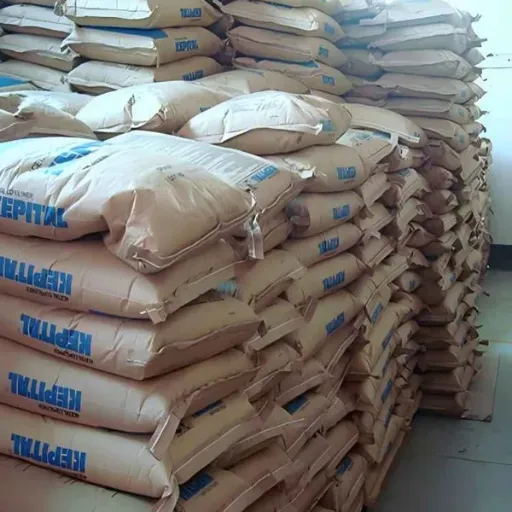
The most successful relationships between manufacturers and engineering plastics distributors evolve from transactional purchasing to strategic partnerships. Characteristics of these partnerships include:
Transparency: Open communication about production schedules, quality concerns, and market conditions. When a distributor shares lead time changes or grade availability updates proactively, you can plan accordingly.
Commitment: Annual volume agreements that enable distributor planning and secure priority treatment. A distributor who knows your forecast can maintain appropriate inventory and allocate material during supply-constrained periods.
Collaboration: Joint problem-solving when application challenges arise. If a molded part exhibits unexpected warping or surface defects, a technical distributor helps identify whether the issue stems from material, processing, or mold design.
Continuous Improvement: Regular review of quality metrics, delivery performance, and cost optimization opportunities. The best partnerships get better over time.
Mutual Benefit: Pricing and terms that allow both parties sustainable, profitable relationships. The lowest price is rarely the best price if it forces your distributor to cut corners on quality or service.
At Shanghai Wenqin Plastics, we have built our business on this partnership model. Based in Shanghai with sufficient inventory across ABS, PC, PA6, PA66, POM, PP, PE, PBT, PMMA, and modified plastics, we supply global manufacturers with stable quality, complete documentation, and responsive technical support. Contact our team to discuss your material requirements or request samples for evaluation.
Quality Verification: Protecting Your Production Line
Even with a competent distributor, manufacturers should implement verification procedures to protect their operations.
Pre-Shipment Sampling
Before placing production orders, request sample quantities for evaluation. Process trial parts under your standard parameters and evaluate flow behavior, surface quality, and dimensional stability. Compare properties against the TDS values to confirm equivalency.
Certificate of Analysis Review
For each production batch, review the COA for batch number, test results, test methods, and acceptance criteria. Compare values against TDS specifications. Consistent deviations indicate specification misalignment or quality control issues that require discussion with your distributor.
Incoming Inspection
Establish incoming inspection procedures for all shipments. Visual inspection checks color consistency, pellet uniformity, and packaging integrity. Quick property verification such as MFI testing confirms batch consistency. Full mechanical testing may be warranted for critical applications.
Sample Retention
Retain representative samples from each lot for future reference. If a quality issue arises months after delivery, retained samples enable root cause analysis and productive discussion with your distributor.
Conclusion: Choosing Stability Over Savings
Selecting an engineering plastics distributor is one of the most consequential procurement decisions a manufacturer makes. The right distributor ensures consistent material quality, responsive technical support, reliable delivery, and complete documentation. The wrong distributor creates hidden costs that far exceed any unit price advantage.
Key takeaways:
Evaluate distributors on technical competence, quality systems, and supply stability, not just price
Verify documentation capabilities before first order; COA, TDS, and compliance certificates are non-negotiable
Maintain inventory at the distributor level reduces your lead times and stock-out risk
Export experience matters for international procurement; inexperienced exporters create logistics failures
Partnership approach delivers better long-term value than transactional price shopping
Implement incoming inspection and sample retention to protect your production line
The evaluation process requires investment of time and resources upfront. This investment pays dividends through reduced supply risk, consistent material quality, and predictable delivery performance over the life of the relationship.
If you are evaluating engineering plastics distributors for your manufacturing operation, request a quotation from Shanghai Wenqin Plastics to compare our technical capabilities, documentation standards, and partnership approach. Our technical team provides material selection guidance, and our maintained Shanghai inventory supports stable supply for manufacturers worldwide.
Recently Posted
-
The Plastic Extrusion Process: A Complete Technical Guide for Manufacturers
June 12, 2026When the quality team at a window profile plant in Poland measured wall thickness drift on their PVC line last spring, the culprit Read More
 -
How to Choose an Engineering Plastics Supplier That Protects Your Production Line
June 10, 2026Last March, a tier-2 automotive supplier in Stuttgart received a shipment of PA66 GF30 that looked identical to every batch before Read More
 -
How Long Does Plastic Last? A Materials Engineer's Guide to Polymer Lifespan
June 10, 2026A single polyethylene grocery bag can persist in a landfill for 500 years, yet the same material inside your refrigerator's in Read More
 -
How to Identify Plastic Type: A Practical Guide for Materials Engineers and Procurement Managers
June 10, 2026A shipment arrives at your receiving dock. The labels are damaged, the certificates of analysis are missing, and your production l Read More

Contact Us
Recommended Products
-
 POM GF-10 Glass-Fiber Reinforced Resin Pellets for Industrial GearsNegotiableMOQ: 1 Kilogram
 -
Duracon POM SW-01 Granules - High-Performance Copolymer Resin for Industrial UseNegotiableMOQ: 1000 Kilograms
-
Basel Origin PP 4160/HP500N General Purpose Injection Molding Homopolymer Polypropylene PP PelletsNegotiableMOQ: 1000 Kilograms
-
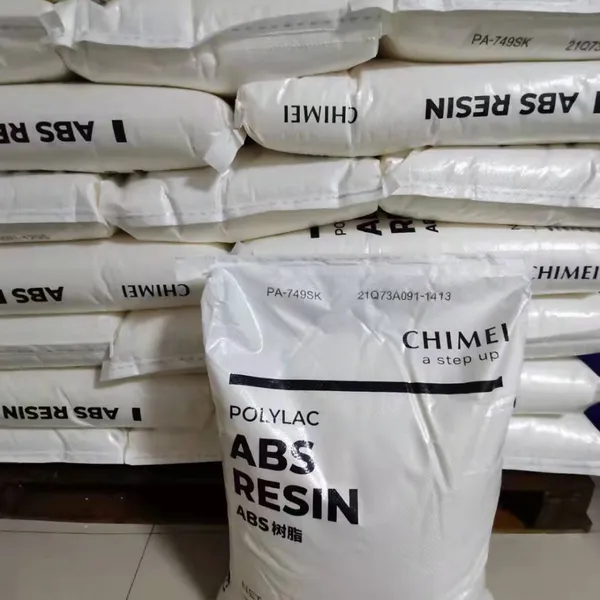
Chimei ABS Resin D-1200 for Electronic Enclosures With Flame Retardant PropertiesNegotiableMOQ: 1 Kilogram
-
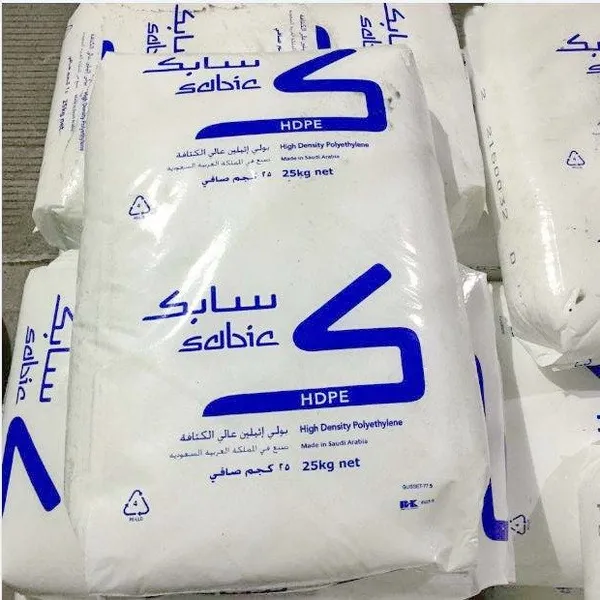
HDPE Film Grade Hta-001 Injection for High Strength ToughnessNegotiableMOQ: 1 Kilogram
-
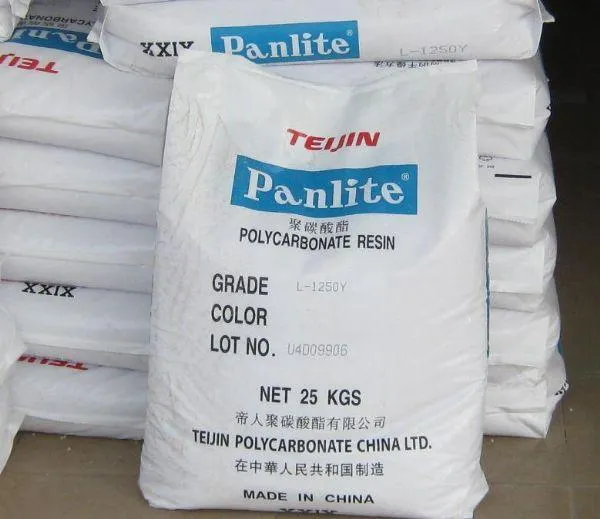
High‑Heat‑Resistant Optical‑Grade Polycarbonate PC Resin Teijin SP‑1516 for Camera Lens ManufacturingNegotiableMOQ: 1 Kilogram
-
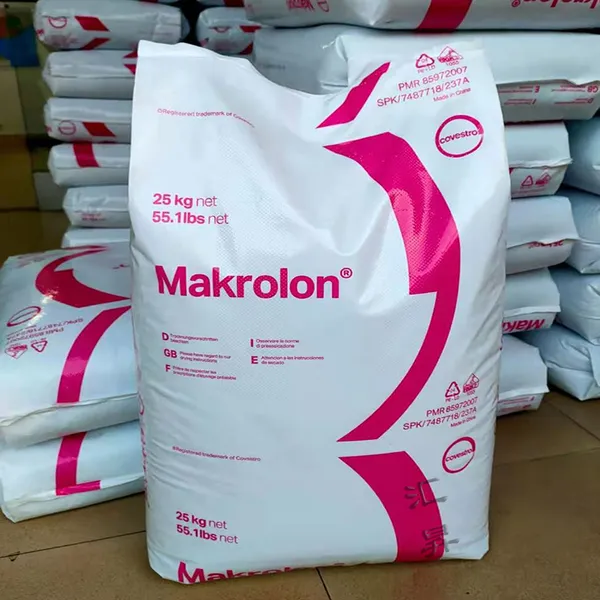
PC Resin Covestro 1803 With High Impact Resistance for Automotive PartsNegotiableMOQ: 25 Kilograms
-
General Purpose ABS GP-22 From Ineos Ideal for Daily Consumer Goods and Common Injection PartsNegotiableMOQ: 1 Kilogram
-
Celanese DuPont Precision XGC-25 DuPont Injection Molding Plastic Products POMNegotiableMOQ: 1 Kilogram
-
High Impact ABS Plastic Granules HI-121H Industrial Raw MaterialNegotiableMOQ: 1 Kilogram

-
Sinopec PP N-T30S Virgin Wire Drawing Grade Polypropylene GranulesNegotiableMOQ: 1 Kilogram
-
POM F10-03H With High Impact Resistance for Automotive Fuel System ComponentsNegotiableMOQ: 1 Kilogram
-
General Impact Grade ABS PA 737 Fit for Mass Production Daily Plastic and Office Supply PartsNegotiableMOQ: 1 Kilogram
-
366-5 PP Resin Granules With High Impact Strength for Industrial UseNegotiableMOQ: 1 Kilogram
-
PP Granules 3009 - Flame Retardant PP Compound for Electrical Components, UL94 V-2 RatedNegotiableMOQ: 1 Kilogram
-
PC-115P Polycarbonate Resin for 3D Printing Filaments With Low WarpageNegotiableMOQ: 1 Kilogram
-
Low‑Temperature Impact PP Pellets K4750 Modified Copolymer for Automotive BumpersNegotiableMOQ: 1 Kilogram
-
Chimei ABS Resin D-2200 for Luggage and Travel Cases With High RigidityNegotiableMOQ: 1 Kilogram
-
Natural Color Delrin POM M90NAT Celanese DuPont Virgin Resin Raw MaterialNegotiableMOQ: 1 Kilogram
-
FMA016 HDPE Grade for Large-Diameter Corrugated Pipe ProductionNegotiableMOQ: 1 Kilogram