
 Business License

How to Identify Plastic Type: A Practical Guide for Materials Engineers and Procurement Managers
A shipment arrives at your receiving dock. The labels are damaged, the certificates of analysis are missing, and your production line is scheduled to start in 48 hours. Can you verify that the pellets in those bags are actually PA66 GF30 and not a mislabeled PA6 grade? For materials engineers and procurement professionals, the ability to identify plastic type quickly and accurately is not just a laboratory curiosity, it is a supply chain survival skill.
Most professionals who work with engineering plastics understand that material misidentification carries real consequences. Wrong grades cause processing failures, part defects, warranty claims, and production shutdowns. Yet many teams lack a systematic approach to verifying material identity when documentation is incomplete or suspect. This guide covers the practical methods used every day in manufacturing environments to confirm plastic type, from simple visual checks to definitive analytical testing.
You will learn which identification techniques work in a warehouse setting versus a laboratory, how to interpret resin identification codes, what flame and density tests reveal, and when to send samples for formal analysis. By the end, you will have a decision framework that matches the right identification method to your situation, timeline, and accuracy requirements.
Why Plastic Identification Matters in Manufacturing
Material verification is not paranoia. It is risk management.
When a manufacturer receives engineering plastic pellets without reliable documentation, several problems can emerge. Processing parameters designed for PA66 GF30 will not suit unfilled PA6. Melt temperatures, mold temperatures, drying requirements, and shrinkage rates differ significantly across grades. A single misidentified batch can contaminate silos, damage molds, and produce thousands of defective parts before anyone detects the error.
The stakes rise for regulated industries. Automotive suppliers must maintain material traceability for PPAP submissions. Electronics manufacturers need RoHS and REACH documentation tied to specific resin lots.
Medical device producers face stringent biocompatibility requirements. In each case, knowing exactly which plastic type sits in your raw material inventory is essential for compliance.
Consider the experience of a procurement team at an injection molding company in Poland. They received what appeared to be a standard shipment of ABS resin from a new trading partner. The bags were labeled correctly, but the molded parts showed unusual yellowing and reduced impact strength.
A simple density test revealed the material was actually a recycled ABS/PC blend, not the virgin general-purpose ABS specified in the purchase order. The trading partner had repackaged blended material to meet a tight delivery deadline. Early identification prevented the blend from entering full production and saved an estimated 15,000 euros in scrap and rework costs.
Need help verifying material identity for your application? Our technical team provides guidance on material selection and quality verification. Contact us for a consultation.
The Resin Identification Code System
The most accessible starting point for plastic identification is the Resin Identification Code (RIC) system, commonly recognized by the chasing arrows symbols numbered 1 through 7.
RIC codes were developed by the plastics industry in 1988 to standardize recycling sorting. While they were never intended as engineering material specifications, they provide a useful first filter for distinguishing broad plastic categories in molded parts, packaging, or post-consumer material streams.
RIC 1: PET or PETE (Polyethylene Terephthalate). Common in beverage bottles and food packaging. Not typically used in engineering applications.
RIC 2: HDPE (High-Density Polyethylene). Used in industrial containers, piping, and some structural applications. Stiff, chemically resistant, and cost-effective.
RIC 3: PVC (Polyvinyl Chloride). Found in construction piping, cable insulation, and profiles. Rigid PVC requires different processing than flexible PVC grades.
RIC 4: LDPE (Low-Density Polyethylene). Flexible films, squeeze bottles, and sheet products. Lower rigidity than HDPE.
RIC 5: PP (Polypropylene). One of the most common engineering and commodity plastics. Used in automotive bumpers, appliance housings, and packaging. Homopolymer and copolymer grades fall under this code.
RIC 6: PS (Polystyrene). General-purpose and high-impact varieties. HIPS is common in appliance liners and electronics housings.
RIC 7: OTHER. This catch-all category includes polycarbonate (PC), ABS, acrylic (PMMA), nylon (PA), and all other plastics not covered by codes 1 through 6. For engineering plastics, code 7 is frustratingly common and uninformative.
The limitation of RIC codes for manufacturing professionals is obvious. Code 7 tells you nothing about whether a part is PC, ABS, or PA66. Code 5 does not distinguish homopolymer PP from copolymer PP or glass-filled grades. RIC codes are useful for recycling streams and consumer packaging, but they are insufficient for engineering material verification.
Visual and Physical Inspection Techniques
Before conducting any chemical or thermal test, experienced materials engineers perform a systematic visual and physical examination. These observations take minutes and often narrow possibilities significantly.
Color and Appearance
Virgin engineering plastics have characteristic base colors. Unfilled PA6 and PA66 are typically translucent to opaque white. PC is naturally transparent with a slight yellow tint.
ABS is opaque and ranges from off-white to pale yellow. POM homopolymer is opaque white and highly crystalline.
However, color alone is unreliable. Pigments, additives, and recycled content alter appearance. Black masterbatch can make any resin uniformly dark. UV stabilizers and flame retardants change translucency. Always treat color as a supporting clue, not definitive evidence.
Surface Texture and Hardness
Scratch the surface with a fingernail or coin. PP and PE feel waxy and scratch easily. ABS is harder but can be scratched with moderate pressure. PC is notably harder and more scratch-resistant. POM and PA66 are hard and resilient.
Flex a thin section if possible. PE and PP bend readily without breaking. ABS flexes with moderate resistance. PA6 and PA66 flex but spring back firmly. PC is stiff and resistant to flexing. PBT and PET are rigid with minimal flexibility.
Density and Buoyancy Testing
The simplest quantitative test requires only water and a scale. Most plastics have densities between 0.90 g/cm³ and 1.40 g/cm³, and several common types separate cleanly in water:
Floats in water (density <1.00 g/cm³): PP (0.90 to 0.91), PE (0.91 to 0.97)
Sinks in water (density > 1.00 g/cm³): ABS (1.04 to 1.06), PC (1.20), PA6 (1.13), PA66 (1.14), POM (1.41), PMMA (1.18), PBT (1.31)
For more precision, measure density using a graduated cylinder and scale. Weigh a known volume of pellets or a machined test piece. Compare the result against standard density ranges. A material that measures 1.40 g/cm³ is almost certainly not ABS, regardless of what the label claims.
Flame Testing: Behavior and Observations
The flame test is a quick, practical method used in workshops and warehouses worldwide. It requires only a butane lighter, a metal surface, and safety precautions including ventilation and fire-resistant gloves. Never perform flame tests in environments with flammable vapors.
Place a small sample on a metal plate and apply the flame. Observe four characteristics: ease of ignition, flame color, odor, and behavior when the flame is removed.
ABS: Burns readily with a yellow flame, producing a distinct acrid odor similar to burning rubber. Continues to burn after flame removal with black sooty smoke.
PC: Self-extinguishing or slow-burning. Yellow flame with an odor sometimes described as sweet or phenolic. Drips while burning. Often requires continued flame application to sustain combustion.
PA6 and PA66: Burn slowly with a blue base and yellow tip. Produce a strong odor resembling burning hair or wool. Self-extinguishing in some formulations but continue burning in others. Drip burning material.
PP and PE: Burn readily with a blue-centered yellow flame. Smell like burning paraffin or candle wax. Drip heavily. Continue burning after flame removal.
POM: Burns readily with a blue flame and virtually no smoke. Produces a sharp, formaldehyde-like odor that is immediately recognizable. Continues burning with minimal soot.
PMMA (Acrylic): Burns readily with a bright yellow flame. Produces a fruity or sweet odor. No soot. Continues burning with clear flame.
PBT: Burns with a yellow flame. Produces a slightly sweet odor. Self-extinguishing in many formulations, especially flame-retardant grades.
Flame tests are fast and require no equipment, but they demand experience. Odor descriptions are subjective. Additives like flame retardants dramatically alter burning behavior.
A halogen-free flame-retardant PA66 may behave differently from a standard unfilled grade. Use flame tests as a screening tool, not as proof of identity.
Solvent and Chemical Tests
Chemical resistance varies significantly between plastic types. A few simple solvent tests can confirm or eliminate possibilities when combined with other observations.
Acetone test for ABS: Place a drop of acetone on the sample surface. ABS softens, becomes tacky, and may craze within seconds. This is one of the most reliable quick tests for ABS because PC, PP, PE, PA, and POM do not react visibly to acetone at room temperature.
Formic acid for polyamides: PA6 and PA66 dissolve in concentrated formic acid. This test requires proper handling and safety equipment but definitively identifies nylon when other methods are ambiguous.
Methylene chloride for PC: Polycarbonate dissolves in methylene chloride (dichloromethane), forming a clear solution. Other common engineering plastics do not dissolve readily.
Hexafluoroisopropanol (HFIP) for PET and PBT: These polyesters dissolve in HFIP. This test is primarily laboratory-based due to the specialized solvent required.
For practical warehouse use, the acetone test is the most accessible. Keep a small bottle of acetone in your incoming inspection area. Within 30 seconds, you can confirm whether a suspect sample is likely ABS or not.
Laboratory Analytical Methods
When visual, physical, and chemical tests are inconclusive or when documentation is required for regulatory or contractual purposes, laboratory analysis provides definitive identification.
Fourier Transform Infrared Spectroscopy (FTIR)
FTIR is the gold standard for plastic identification in most quality control laboratories. The technique measures how a sample absorbs infrared light at different wavelengths. Each polymer type produces a unique absorption spectrum, often called a molecular fingerprint.
An FTIR scan can distinguish ABS from PC, PA6 from PA66, and even identify specific additives like flame retardants or plasticizers. Results are available within minutes. The technique requires minimal sample preparation and is non-destructive for many sample forms.
Most polymer testing laboratories offer FTIR identification services. Costs range from 50 to 200 US dollars per sample depending on urgency and reporting detail. For manufacturers receiving regular shipments from multiple suppliers, establishing an in-house FTIR capability may be cost-effective.
Differential Scanning Calorimetry (DSC)
DSC measures heat flow into or out of a sample as temperature changes. It identifies the melting temperature (Tm) and glass transition temperature (Tg) of polymers. These thermal signatures are highly characteristic.
PA66 melts around 255 to 265 degrees Celsius. PA6 melts around 215 to 225 degrees Celsius. A sample melting at 240 degrees Celsius is neither standard PA66 nor PA6.
PP melts around 160 to 170 degrees Celsius. HDPE melts around 130 to 135 degrees Celsius.
DSC is particularly useful for distinguishing similar polymers like PA6 versus PA66, or homopolymer versus copolymer PP. It can also detect the presence of multiple polymers in a blend.
Thermogravimetric Analysis (TGA)
TGA measures weight loss as a function of temperature. It is especially useful for quantifying fillers and reinforcements. A PA66 sample that loses 30 percent of its weight when heated above the polymer decomposition temperature is consistent with a glass-filled grade. The remaining residue is glass fiber.
TGA complements FTIR and DSC by providing compositional information that spectroscopy and thermal analysis cannot deliver alone.
Melt Flow Index (MFI) Testing
While not an identification technique per se, MFI testing confirms whether a material matches its specified grade. Two samples identified as PA66 GF30 by FTIR may have very different melt flow rates. One may process easily in a thin-wall mold while the other causes short shots. MFI verification ensures that the identified material also matches the processing characteristics expected for the grade.
Building a Practical Identification Workflow
No single test identifies every plastic type in every situation. The most effective approach combines multiple techniques in a tiered workflow.
Tier 1: Documentation Review and Visual Inspection (5 minutes). Start with labels, certificates of analysis, and resin identification codes. Perform visual and tactile checks. Note color, hardness, flexibility, and surface texture. This step eliminates obvious mismatches.
Tier 2: Density and Buoyancy (10 minutes). Weigh samples and perform water displacement density measurement. Compare against standard density tables. A material floating when it should sink is grounds for immediate rejection.
Tier 3: Flame and Chemical Screening (15 minutes). If documentation and density are consistent but suspicion remains, conduct flame testing and simple chemical checks like the acetone test. Document observations with photographs and notes.
Tier 4: Laboratory Analysis (1 to 5 days). For high-value shipments, first articles, regulatory requirements, or persistent uncertainty, send samples for FTIR, DSC, or combined analytical testing. Require a formal report with spectra and interpretation.
This tiered approach balances speed, cost, and accuracy. Not every incoming shipment needs laboratory analysis. A stable supplier with consistent documentation may require only Tier 1 verification. A new supplier, a suspect batch, or a customer complaint justifies Tier 3 or Tier 4 testing.
Common Identification Challenges and Solutions
Challenge: Blended or alloyed materials
PC/ABS blends are common in electronics housings and automotive interior parts. They combine PC's heat resistance with ABS's processability. Standard tests may yield ambiguous results because the blend exhibits intermediate characteristics.
FTIR will show peaks for both polymers. DSC may show two glass transition temperatures. Specify blend ratios when purchasing, and verify ratios through TGA or dissolution testing.
Challenge: Heavily filled or modified grades
Glass-filled PA66 behaves differently from unfilled PA66 in flame tests due to the inert glass content. Density testing is more reliable for filled grades because the glass increases density predictably. PA66 GF30 has a density around 1.35 to 1.40 g/cm³ compared to 1.14 g/cm³ for unfilled PA66.
Challenge: Recycled or regrind material
Recycled plastics often contain mixed polymer streams, degraded chains, and unpredictable additives. Visual inspection may reveal color variations or contamination. FTIR may show broadened peaks indicating degradation.
MFI testing often reveals wider variation than virgin material. Specify virgin material in purchase orders if consistency is critical.
Challenge: Similar-density materials
ABS at 1.04 to 1.06 g/cm³ is close to PMMA at 1.18 g/cm³ in the sink category, but the difference is detectable with a precise scale. POM at 1.41 g/cm³ is clearly denser. For close calls, combine density with flame test or acetone testing.
Conclusion
Identifying plastic type is a skill that combines observation, simple testing, and analytical verification. The materials engineer who can quickly distinguish ABS from PC, or PA6 from PA66, prevents costly processing errors and protects production schedules.
The key takeaways are straightforward:
Start with documentation and visual inspection for every incoming shipment
Use density testing as a fast, quantitative screen
Apply flame and chemical tests for rapid field identification
Reserve laboratory analysis for uncertain cases, regulatory requirements, and supplier qualification
Build a tiered workflow that matches test intensity to risk level
When you need engineering plastics with reliable documentation and consistent quality, supplier selection matters as much as identification skill. Shanghai Wenqin Plastics supplies ABS, PC, PA6, PA66, POM, PP, PE, PBT, and PMMA grades with complete technical data sheets, certificates of analysis, and compliance documentation. Request a technical data sheet or contact our team to discuss your material requirements and verification needs.
Recently Posted
-
How to Choose the Right Engineering Plastics Distributor for Your Manufacturing Supply Chain
June 12, 2026When a production line at a German automotive tier-1 supplier ground to a halt last year, the cause was not equipment failure or l Read More
 -
The Plastic Extrusion Process: A Complete Technical Guide for Manufacturers
June 12, 2026When the quality team at a window profile plant in Poland measured wall thickness drift on their PVC line last spring, the culprit Read More
 -
How to Choose an Engineering Plastics Supplier That Protects Your Production Line
June 10, 2026Last March, a tier-2 automotive supplier in Stuttgart received a shipment of PA66 GF30 that looked identical to every batch before Read More
 -
How Long Does Plastic Last? A Materials Engineer's Guide to Polymer Lifespan
June 10, 2026A single polyethylene grocery bag can persist in a landfill for 500 years, yet the same material inside your refrigerator's in Read More

Contact Us
Recommended Products
-
 POM GF-10 Glass-Fiber Reinforced Resin Pellets for Industrial GearsNegotiableMOQ: 1 Kilogram
 -
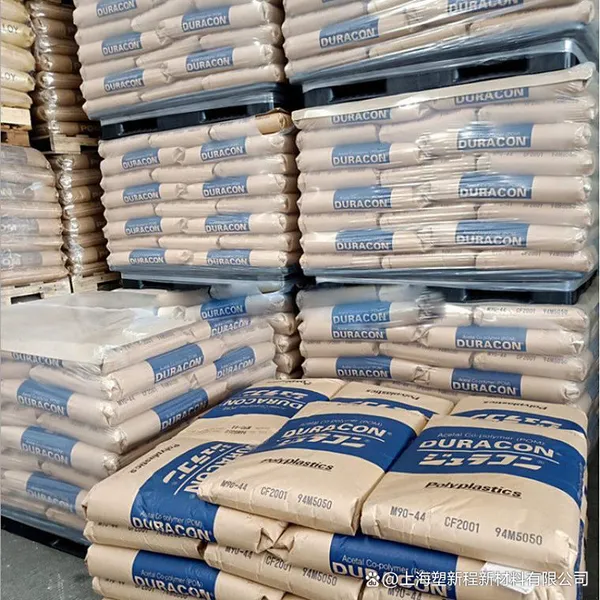
Duracon POM SW-01 Granules - High-Performance Copolymer Resin for Industrial UseNegotiableMOQ: 1000 Kilograms
-
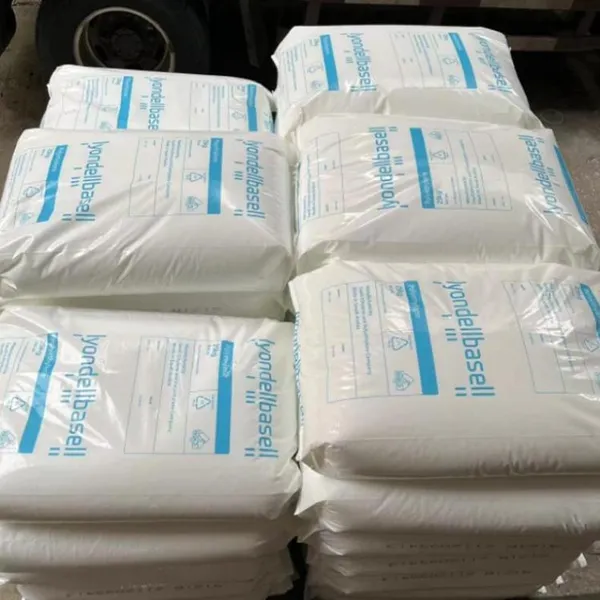
Basel Origin PP 4160/HP500N General Purpose Injection Molding Homopolymer Polypropylene PP PelletsNegotiableMOQ: 1000 Kilograms
-
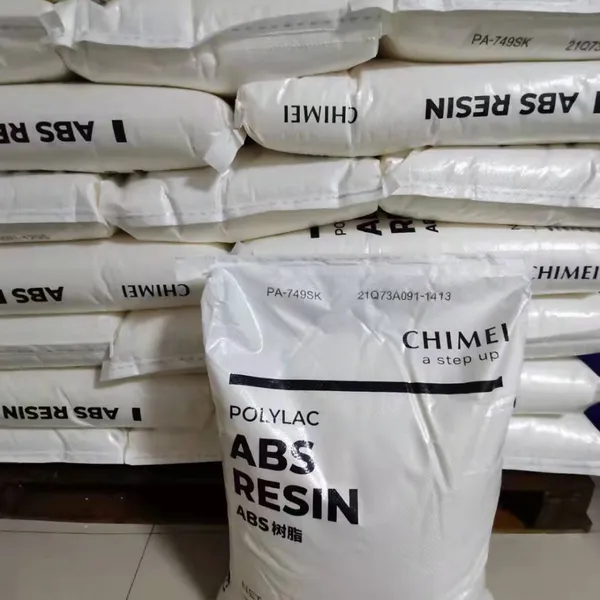
Chimei ABS Resin D-1200 for Electronic Enclosures With Flame Retardant PropertiesNegotiableMOQ: 1 Kilogram
-
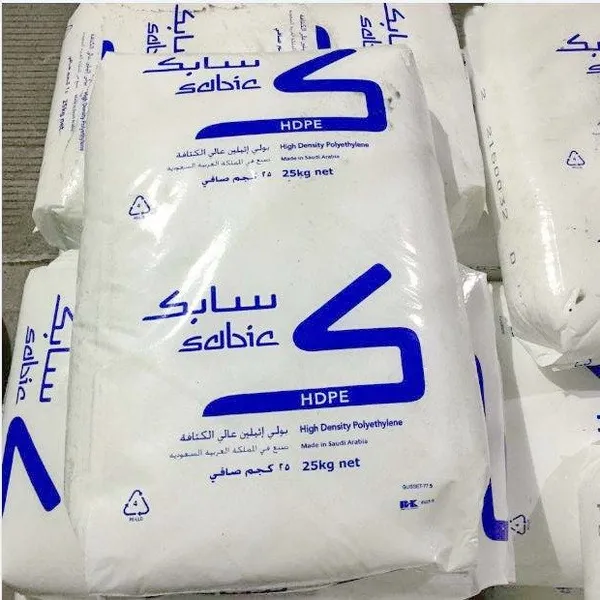
HDPE Film Grade Hta-001 Injection for High Strength ToughnessNegotiableMOQ: 1 Kilogram
-
High‑Heat‑Resistant Optical‑Grade Polycarbonate PC Resin Teijin SP‑1516 for Camera Lens ManufacturingNegotiableMOQ: 1 Kilogram
-
PC Resin Covestro 1803 With High Impact Resistance for Automotive PartsNegotiableMOQ: 25 Kilograms
-
General Purpose ABS GP-22 From Ineos Ideal for Daily Consumer Goods and Common Injection PartsNegotiableMOQ: 1 Kilogram
-
Celanese DuPont Precision XGC-25 DuPont Injection Molding Plastic Products POMNegotiableMOQ: 1 Kilogram
-
High Impact ABS Plastic Granules HI-121H Industrial Raw MaterialNegotiableMOQ: 1 Kilogram

-
Sinopec PP N-T30S Virgin Wire Drawing Grade Polypropylene GranulesNegotiableMOQ: 1 Kilogram
-
POM F10-03H With High Impact Resistance for Automotive Fuel System ComponentsNegotiableMOQ: 1 Kilogram
-
General Impact Grade ABS PA 737 Fit for Mass Production Daily Plastic and Office Supply PartsNegotiableMOQ: 1 Kilogram
-
366-5 PP Resin Granules With High Impact Strength for Industrial UseNegotiableMOQ: 1 Kilogram
-
PP Granules 3009 - Flame Retardant PP Compound for Electrical Components, UL94 V-2 RatedNegotiableMOQ: 1 Kilogram
-
PC-115P Polycarbonate Resin for 3D Printing Filaments With Low WarpageNegotiableMOQ: 1 Kilogram
-
Low‑Temperature Impact PP Pellets K4750 Modified Copolymer for Automotive BumpersNegotiableMOQ: 1 Kilogram
-
Chimei ABS Resin D-2200 for Luggage and Travel Cases With High RigidityNegotiableMOQ: 1 Kilogram
-
Natural Color Delrin POM M90NAT Celanese DuPont Virgin Resin Raw MaterialNegotiableMOQ: 1 Kilogram
-
FMA016 HDPE Grade for Large-Diameter Corrugated Pipe ProductionNegotiableMOQ: 1 Kilogram