
 Business License

What Is HDPE Plastic? A Complete Guide to High-Density Polyethylene
When a global packaging manufacturer placed an emergency order for 40 metric tons of HDPE in February 2025, the procurement manager assumed every grade labeled "HDPE" would perform similarly on her blow molding lines. Three weeks later, the trial shipment produced bottles with inconsistent wall thickness, premature stress cracking, and a 12% rejection rate. The lesson was costly but clear: high-density polyethylene is not a single material. It is a family of grades, each engineered for specific processing methods and end-use demands.
If you source plastic raw materials, design products for injection molding or extrusion, or evaluate suppliers for long-term contracts, you have likely encountered HDPE in conversations about pipes, bottles, crates, or industrial containers. Yet the question remains worth answering in detail: what is HDPE plastic, how does it behave under load, and how do you select the right grade for your application? This guide walks through HDPE's chemistry, properties, grade categories, common uses, and sourcing considerations so procurement and engineering teams can make informed decisions.
What Is HDPE Plastic?
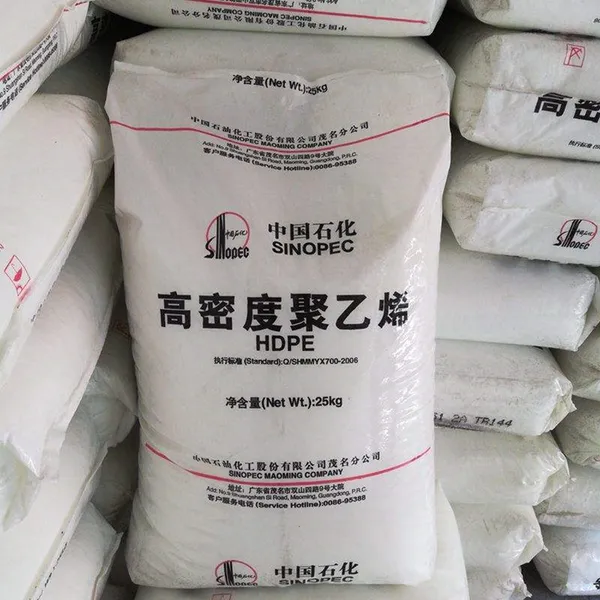
HDPE, short for high-density polyethylene, is a thermoplastic polymer produced from the polymerization of ethylene monomers under controlled pressure and catalyst conditions. The "high-density" designation refers to its tightly packed molecular structure, which gives HDPE a density typically between 0.941 and 0.965 g/cm³. Compared with LDPE (low-density polyethylene), HDPE features minimal branching along its polymer chains, producing a more crystalline, rigid material with superior tensile strength and chemical resistance.
In practical terms, HDPE pellets are the raw form supplied to manufacturers. These pellets are melted and shaped through injection molding, blow molding, extrusion, or rotational molding to create finished products ranging from milk bottles to municipal water pipes.
HDPE belongs to the broader polyolefin family alongside PP (polypropylene), LDPE, and LLDPE (linear low-density polyethylene). Within engineering and procurement circles, HDPE is often classified as a commodity plastic, but specialty grades exist for high-pressure pipe, geomembrane, and food contact applications.
Key Properties of HDPE Plastic
Understanding HDPE's property profile is essential for matching the right grade to your application. Materials engineers typically evaluate the following characteristics:
Density: 0.941 to 0.965 g/cm³. Higher density correlates with greater rigidity and chemical resistance but reduced impact toughness at low temperatures.
Tensile strength: Typically 22 to 31 MPa for injection molding grades. Pipe-grade HDPE achieves higher long-term hydrostatic strength values, which determine service pressure ratings.
Flexural modulus: 800 to 1,500 MPa. This stiffness range supports structural applications such as crates, pallets, and containers without requiring fiber reinforcement.
Melting point: 120 to 135 °C. The relatively narrow melting range simplifies processing but limits HDPE's suitability for high-temperature service.
Continuous service temperature: Approximately -50 °C to 80 °C. HDPE retains toughness in cold conditions, making it suitable for outdoor and refrigerated applications.
Chemical resistance: Excellent against acids, alkalis, alcohols, and most polar solvents. HDPE is less resistant to aromatic and chlorinated hydrocarbons.
Moisture absorption: Less than 0.01%. HDPE does not require drying before processing under most conditions, simplifying material handling.
Electrical properties: Strong dielectric strength and low dissipation factor, supporting use in cable insulation and electrical conduits.
Technical Note: HDPE's combination of low moisture absorption, chemical inertness, and food contact compliance makes it the default choice for beverage bottles, dairy containers, and chemical packaging. However, UV exposure degrades unstabilized HDPE over time. Outdoor applications require UV-stabilized grades.
Want to compare HDPE properties with other commodity and engineering plastics? Explore our engineering plastics portfolio to see the full range of materials available.
HDPE Plastic Production and Grades
HDPE is produced through two main polymerization processes: the slurry process (Ziegler-Natta or Phillips catalysts) and the gas-phase process (metallocene catalysts). The choice of catalyst and reactor conditions influences molecular weight distribution, branching, and end-use performance.
Common HDPE Grade Categories
Injection molding grades: Higher melt flow index (MFI) values of 4 to 20 g/10 min support fast cycle times and complex part geometries. Typical applications include caps, closures, housewares, and pallets.
Blow molding grades: Lower MFI of 0.1 to 1.0 g/10 min provides sufficient melt strength for hollow part formation. Used extensively for bottles, drums, and fuel tanks.
Pipe grades (PE80, PE100, PE100-RC): Bimodal molecular weight distribution delivers long-term hydrostatic strength and slow crack growth resistance. PE100-RC (resistance to crack) is increasingly specified for trenchless installation and rough terrain.
Film grades: Higher molecular weight provides the tear and tensile strength needed for grocery bags, industrial liners, and stretch wrap.
Rotational molding grades: Narrow molecular weight distribution enables uniform melt flow during the rotational process, producing seamless tanks, containers, and playground equipment.
Wire and cable grades: Compounds with carbon black, antioxidants, and UV stabilizers for telecommunications cable jacketing and electrical conduits.
When a tier-2 automotive supplier in Mexico approached us in late 2024 about replacing imported HDPE for fluid reservoirs, the technical team evaluated their current part wall thickness, weld line strength, and operating temperature. Switching from a generic injection grade to a controlled-MFI bottle grade reduced weld line failures by 38% and shortened cycle times by 1.2 seconds per part. The cost per kilogram was actually lower, demonstrating that grade selection matters more than supplier price comparisons alone.
Need help selecting the right HDPE grade for your application? Speak to our technical team → for material guidance based on your processing method and performance requirements.
Common Applications of HDPE Plastic
HDPE is among the most widely consumed thermoplastics globally, with annual consumption exceeding 50 million metric tons. Its application breadth reflects an unusual combination of strength, chemical resistance, and cost efficiency. According to Plastics Industry Association data, packaging accounts for the largest end-use segment, followed by construction and consumer products.
Packaging Applications
HDPE bottles dominate the milk, juice, detergent, and personal care markets. The material's stiffness supports thin-wall designs that reduce material consumption without sacrificing structural integrity. Caps, closures, and dispenser components are typically injection molded from higher-flow HDPE grades.
Industrial packaging applications include intermediate bulk containers (IBCs), drums, jerry cans, and pails for chemicals, lubricants, and agricultural products. HDPE's chemical compatibility with most acids, bases, and aqueous solutions makes it the default choice for containers handling reactive contents.
Construction and Infrastructure
HDPE pipes for water distribution, gas distribution, sewerage, and industrial fluid transport represent one of the largest growth segments. PE100 and PE100-RC grades have replaced traditional materials like ductile iron and PVC in many municipal water projects due to their corrosion resistance, flexibility, and 50-year design life.
Geomembranes for landfill liners, mining heap leach pads, and pond liners use specialty HDPE grades with carbon black for UV protection. These applications demand consistent thickness, weldability, and long-term stress crack resistance.
Automotive and Industrial Components
Fuel tanks, fluid reservoirs, ducts, and protective shields use HDPE for its impact toughness and chemical resistance to gasoline and motor oils. Many automotive HDPE applications involve multilayer construction with EVOH or other barrier layers to control hydrocarbon permeation.
Industrial applications include pallets, dunnage trays, agricultural tanks, and water storage tanks. Rotational molding grades excel at large, seamless containers ranging from 100 to 50,000 liters in capacity.
Consumer Products
Toys, household containers, garden furniture, recycling bins, and cutting boards use HDPE for its combination of impact resistance, easy cleaning, and cost. Food contact compliant grades meet FDA and EU regulatory requirements for direct food contact applications.
HDPE vs. Other Polyethylene Grades
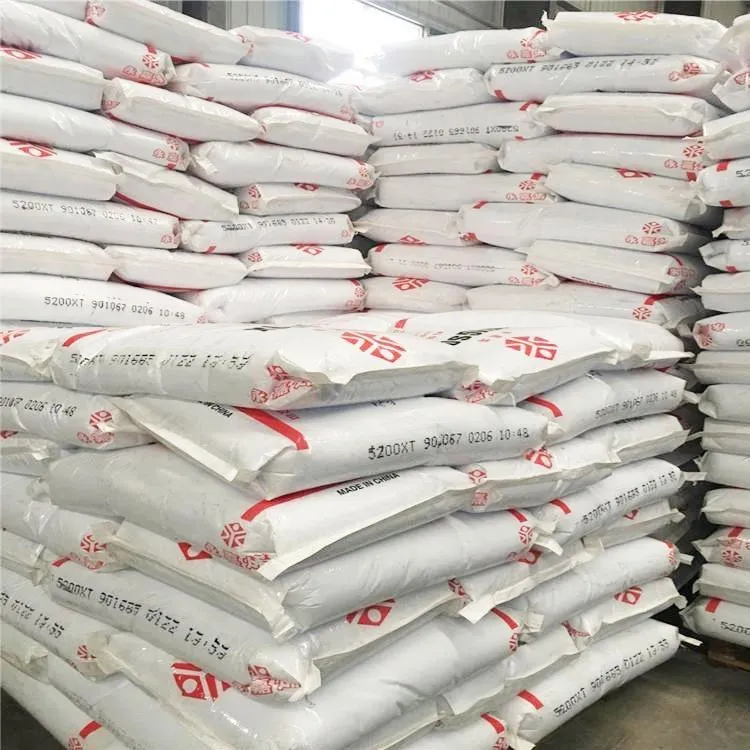
Procurement managers frequently encounter confusion between HDPE, LDPE, and LLDPE. Understanding the differences prevents specification errors that lead to production problems.
HDPE vs. LDPE
LDPE features a highly branched molecular structure produced through high-pressure polymerization. The branching reduces crystallinity, density (0.910 to 0.925 g/cm³), and rigidity but improves clarity and processing on film extrusion equipment.
Choose HDPE when: Rigidity, chemical resistance, and barrier properties are critical. Examples include milk bottles, chemical containers, and rigid packaging.
Choose LDPE when: Flexibility, clarity, and easy sealability are needed. Examples include squeeze bottles, flexible packaging, and bag film.
HDPE vs. LLDPE
LLDPE (linear low-density polyethylene) combines a linear molecular backbone with short side branches introduced through comonomer addition. The result is improved tensile strength and tear resistance compared with LDPE at similar density ranges.
Choose HDPE when: Rigidity and structural integrity matter. Used for bottles, pipes, and structural parts.
Choose LLDPE when: Film toughness, puncture resistance, and stretchability are primary requirements. Used for stretch wrap, agricultural film, and heavy-duty bags.
HDPE vs. PP
Polypropylene offers higher heat resistance (continuous service up to approximately 100 °C) and lower density (0.90 g/cm³) than HDPE. However, PP is more brittle at low temperatures and less resistant to environmental stress cracking.
Choose HDPE when: Low-temperature toughness, environmental stress crack resistance, and chemical inertness are priorities.
Choose PP when: Higher service temperatures, lower part weight, or hinge applications are required.
For deeper comparisons across the polyolefin family, our material selection guide walks through property trade-offs and application matching.
Processing HDPE: Parameters and Considerations
HDPE is among the most forgiving thermoplastics to process, but optimal results require attention to grade selection and machine setup.
Injection Molding Parameters
Melt temperature: 200 to 280 °C, depending on MFI and part geometry. Higher melt temperatures improve flow but extend cycle times.
Mold temperature: 20 to 60 °C. Lower mold temperatures reduce cycle time; higher temperatures improve surface finish and dimensional stability for crystalline parts.
Injection pressure: 70 to 120 MPa, with hold pressure typically 50 to 70% of fill pressure.
Shrinkage: 1.5 to 3.0%, significantly higher than amorphous plastics. Mold design must compensate for shrinkage variation between flow and cross-flow directions.
Drying: Generally not required due to HDPE's low moisture absorption. Surface moisture should be wiped from pellets in humid environments to prevent splay.
Blow Molding Parameters
Melt temperature: 170 to 220 °C, depending on parison weight and bottle design.
Extruder screw: General-purpose screws with compression ratios of 2.5 to 3.5:1 work for most HDPE blow molding grades.
Parison swell: Varies by grade and processing conditions. Trial runs are essential for new grade introductions to validate part dimensions.
Common Processing Issues
A bottle manufacturer in Southeast Asia called us in early 2025 reporting recurring stress cracking in laundry detergent containers six months after production. The investigation traced the issue to elevated mold temperatures combined with a high-MFI grade selected for cycle time optimization. Switching to a bimodal HDPE with better environmental stress crack resistance (ESCR) eliminated field failures, even though cycle times increased by 0.4 seconds per part. The lesson: ESCR matters as much as flow for containers exposed to surfactants and aggressive cleaning chemicals.
Other common HDPE processing issues include warp from uneven cooling, splay from contaminated regrind, and weld line weakness in thin-wall designs. Most issues trace back to grade selection, regrind management, or cooling system design rather than fundamental material limitations.
Sourcing HDPE Plastic: What Buyers Should Know
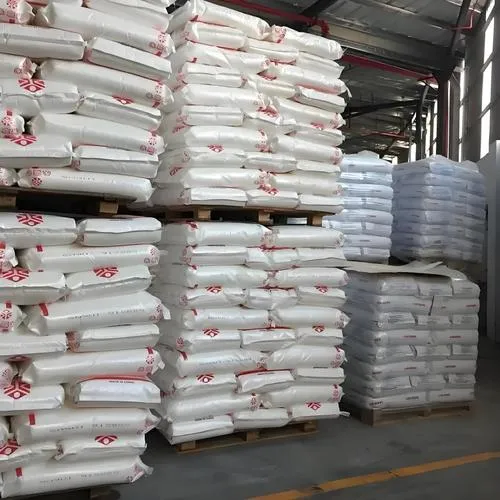
HDPE is produced globally, with major capacity centers in North America, the Middle East, Asia, and Europe. For international buyers, sourcing decisions involve more than unit price comparisons.
Key Sourcing Criteria
Grade documentation: Verify that supplier TDS values match your processing and end-use requirements. Pay particular attention to MFI tolerance, density specification, and ESCR rating.
Batch consistency: Request certificates of analysis (COA) for each lot. Compare COA values against TDS specifications to identify suppliers with tight quality control.
Regulatory compliance: Food contact grades require FDA, EU 10/2011, or equivalent certification. Confirm RoHS, REACH, and any regional regulatory documentation before first shipment.
Supply reliability: Production interruptions or shipping delays disrupt manufacturing schedules. Suppliers with maintained inventory and established export logistics reduce stock-out risk.
Technical support: Suppliers who understand the difference between blow molding and injection molding grades, or who can explain bimodal versus unimodal molecular weight distributions, add value beyond pellet supply.
Sourcing HDPE from China
China has become a significant global supplier of HDPE and related polyethylene grades. Quality, documentation, and export experience vary substantially among suppliers. Our complete sourcing plastics from China guide walks through supplier evaluation, quality verification, and logistics considerations in detail.
At Shanghai Wenqin Plastics, we maintain inventory of HDPE grades suited to injection molding, blow molding, and extrusion applications. Our technical team supports material qualification with TDS, MSDS, RoHS, and REACH documentation, and our export logistics team handles FOB, CIF, and DAP shipments to global destinations.
Ready to evaluate HDPE for your application? Request a sample or quotation → with your target MFI, density, and end-use requirements, and our team will recommend suitable grades from our stocked inventory.
HDPE Recycling and Sustainability
HDPE carries the recycling code "2" within the resin identification system, marking it as one of the most widely recycled plastics globally. Post-consumer HDPE (PCR-HDPE) is collected from milk jugs, detergent bottles, and rigid containers, then processed into pellets for new applications including pipes, plastic lumber, agricultural products, and non-food-contact packaging.
For procurement teams responding to sustainability mandates, several considerations matter:
Recycled content specifications: Brands increasingly require 25 to 100% PCR-HDPE in packaging. Recycled grades typically have slightly higher MFI variability and may show minor color shifts versus virgin material.
Mechanical recycling limitations: HDPE can be mechanically recycled multiple times, but each cycle reduces molecular weight and impact properties. Critical applications often blend virgin and recycled material to maintain performance.
Chemical recycling developments: Pyrolysis and dissolution technologies aim to break HDPE back to monomer or oligomer feedstock. These technologies remain in commercial scale-up, with limited current availability for production use.
Bio-based HDPE: Sugarcane-derived bio-HDPE offers chemically identical properties to fossil-based HDPE with reduced carbon footprint. Supply is constrained and pricing carries a premium versus conventional grades.
When considering recycled or bio-based HDPE for your packaging or industrial products, request technical data sheets and certificates of analysis for each batch. Property variability is typically wider for recycled grades, and processing parameters may require adjustment versus virgin material.
Frequently Asked Questions About HDPE Plastic
Is HDPE plastic safe for food contact?
Yes, specific HDPE grades carry FDA, EU 10/2011, and other regional food contact certifications. Common food contact applications include milk bottles, juice containers, and food storage containers. Always verify the specific grade carries appropriate food contact documentation before use.
Can HDPE be welded?
Yes, HDPE can be joined through butt fusion, electrofusion, hot air welding, and extrusion welding. These techniques are widely used for pipe joining, geomembrane installation, and tank fabrication. Welded joints can achieve strength comparable to the base material when properly executed.
What is the difference between HDPE and PEX?
PEX is cross-linked polyethylene with chemical bonds between polymer chains, increasing temperature resistance and creep performance. HDPE is a thermoplastic that softens when heated. PEX is commonly used for hot water plumbing; HDPE serves cold water, gas, and industrial fluid applications.
Does HDPE degrade in sunlight?
Unstabilized HDPE degrades under UV exposure, showing chalking, color shift, and embrittlement over months to years. UV-stabilized grades incorporate carbon black or hindered amine light stabilizers (HALS) to extend outdoor service life to 20 years or more.
What temperature can HDPE withstand?
Continuous service temperature ranges from -50 °C to approximately 80 °C. Short-term exposure to higher temperatures is possible, but sustained service above 80 °C accelerates creep and oxidation. For higher temperature applications, consider PP, PA66, or specialty engineering plastics.
Conclusion
HDPE plastic occupies a critical position in global manufacturing, supporting applications from food packaging and municipal water pipes to industrial containers and automotive components. Its combination of chemical resistance, low-temperature toughness, regulatory compliance, and cost efficiency explains why HDPE consumption continues to grow across packaging, construction, and industrial segments.
Three takeaways for procurement and engineering teams:
Grade selection matters more than material category: HDPE is a family of grades engineered for specific processing methods and applications. Match MFI, density, and ESCR rating to your end use.
Property trade-offs require deliberate decisions: Higher flow improves cycle time but may reduce ESCR. Higher density improves rigidity but reduces low-temperature toughness. Specify properties based on application requirements, not generic preferences.
Supplier quality and documentation reduce risk: Consistent COA values, complete regulatory documentation, and responsive technical support distinguish reliable suppliers from transactional traders.
Shanghai Wenqin Plastics supplies HDPE and a comprehensive range of engineering plastics, including ABS, PC, PA6, PA66, POM, PP, PE, PBT, and PMMA, to manufacturers and trading partners worldwide. Our Shanghai-based inventory, technical support team, and export logistics infrastructure help global customers source materials confidently and maintain stable production schedules. Contact our team to discuss your HDPE requirements, request samples for evaluation, or explore long-term partnership opportunities.
Recently Posted
-
How to Choose the Right Engineering Plastics Distributor for Your Manufacturing Supply Chain
June 12, 2026When a production line at a German automotive tier-1 supplier ground to a halt last year, the cause was not equipment failure or l Read More
 -
The Plastic Extrusion Process: A Complete Technical Guide for Manufacturers
June 12, 2026When the quality team at a window profile plant in Poland measured wall thickness drift on their PVC line last spring, the culprit Read More
 -
How to Choose an Engineering Plastics Supplier That Protects Your Production Line
June 10, 2026Last March, a tier-2 automotive supplier in Stuttgart received a shipment of PA66 GF30 that looked identical to every batch before Read More
 -
How Long Does Plastic Last? A Materials Engineer's Guide to Polymer Lifespan
June 10, 2026A single polyethylene grocery bag can persist in a landfill for 500 years, yet the same material inside your refrigerator's in Read More

Contact Us
Recommended Products
-
 POM GF-10 Glass-Fiber Reinforced Resin Pellets for Industrial GearsNegotiableMOQ: 1 Kilogram
 -
Duracon POM SW-01 Granules - High-Performance Copolymer Resin for Industrial UseNegotiableMOQ: 1000 Kilograms
-
Basel Origin PP 4160/HP500N General Purpose Injection Molding Homopolymer Polypropylene PP PelletsNegotiableMOQ: 1000 Kilograms
-
Chimei ABS Resin D-1200 for Electronic Enclosures With Flame Retardant PropertiesNegotiableMOQ: 1 Kilogram
-
HDPE Film Grade Hta-001 Injection for High Strength ToughnessNegotiableMOQ: 1 Kilogram
-
High‑Heat‑Resistant Optical‑Grade Polycarbonate PC Resin Teijin SP‑1516 for Camera Lens ManufacturingNegotiableMOQ: 1 Kilogram
-
PC Resin Covestro 1803 With High Impact Resistance for Automotive PartsNegotiableMOQ: 25 Kilograms
-
General Purpose ABS GP-22 From Ineos Ideal for Daily Consumer Goods and Common Injection PartsNegotiableMOQ: 1 Kilogram
-
Celanese DuPont Precision XGC-25 DuPont Injection Molding Plastic Products POMNegotiableMOQ: 1 Kilogram
-
High Impact ABS Plastic Granules HI-121H Industrial Raw MaterialNegotiableMOQ: 1 Kilogram

-
Sinopec PP N-T30S Virgin Wire Drawing Grade Polypropylene GranulesNegotiableMOQ: 1 Kilogram
-
POM F10-03H With High Impact Resistance for Automotive Fuel System ComponentsNegotiableMOQ: 1 Kilogram
-
General Impact Grade ABS PA 737 Fit for Mass Production Daily Plastic and Office Supply PartsNegotiableMOQ: 1 Kilogram
-
366-5 PP Resin Granules With High Impact Strength for Industrial UseNegotiableMOQ: 1 Kilogram
-
PP Granules 3009 - Flame Retardant PP Compound for Electrical Components, UL94 V-2 RatedNegotiableMOQ: 1 Kilogram
-
PC-115P Polycarbonate Resin for 3D Printing Filaments With Low WarpageNegotiableMOQ: 1 Kilogram
-
Low‑Temperature Impact PP Pellets K4750 Modified Copolymer for Automotive BumpersNegotiableMOQ: 1 Kilogram
-
Chimei ABS Resin D-2200 for Luggage and Travel Cases With High RigidityNegotiableMOQ: 1 Kilogram
-
Natural Color Delrin POM M90NAT Celanese DuPont Virgin Resin Raw MaterialNegotiableMOQ: 1 Kilogram
-
FMA016 HDPE Grade for Large-Diameter Corrugated Pipe ProductionNegotiableMOQ: 1 Kilogram