
 Business License

HDPE vs LDPE: A Complete Guide for Manufacturers and Procurement Teams
When a packaging converter in Vietnam placed a rush order for "PE resin" last March, the buyer assumed any polyethylene grade would run on the existing blown film line. Three days into production, the team noticed the film tearing during roll changes, surface haze rising above acceptable limits, and the seal strength dropping to roughly half the specification. The investigation pointed to a simple but costly mistake: the order had specified high-density polyethylene (HDPE) when the line was tuned for low-density polyethylene (LDPE). A single shipment of the wrong grade cost the converter four production days and a delayed customer commitment.
This kind of confusion happens more often than most procurement teams admit. HDPE and LDPE share the same monomer, the same recycling family, and a frustratingly similar name, yet they behave very differently in molds, extruders, and end-use environments. Understanding HDPE vs LDPE at a technical level is essential for any manufacturer specifying polyethylene for film, blow molding, injection molding, or industrial containers. This guide walks through the structural differences, property comparisons, processing considerations, and application guidelines that help engineers and procurement professionals select the right grade the first time.
The Molecular Difference Behind HDPE and LDPE
Both HDPE and LDPE are polyethylenes built from the same ethylene monomer. The decisive difference lies in chain architecture, and that architecture is dictated by the polymerization process.
LDPE is produced through high-pressure, free-radical polymerization at pressures of 1,000 to 3,000 bar and temperatures of 150 to 300°C. The aggressive conditions create extensive long-chain and short-chain branching, which prevents tight molecular packing. The result is a low-density resin (0.910 to 0.940 g/cm³) with reduced crystallinity (typically 40 to 50%).
HDPE is produced by low-pressure catalytic polymerization, typically using Ziegler-Natta or chromium-based (Phillips) catalysts. The controlled conditions yield largely linear chains with minimal branching. Molecules pack closely, producing higher crystallinity (60 to 80%) and higher density (0.941 to 0.965 g/cm³).
That single architectural difference cascades through every downstream property. Linear HDPE chains stack into dense crystalline regions that deliver stiffness, tensile strength, and chemical resistance. Branched LDPE chains create flexible, low-density material with excellent clarity, processability, and tear resistance for thin films.
For engineering and procurement teams, the practical takeaway is this: HDPE prioritizes rigidity, barrier performance, and structural use. LDPE prioritizes flexibility, clarity, and ease of processing.
Want to see how grade architecture translates into stocked material options? Explore our PE polyethylene portfolio for current HDPE and LDPE grades suitable for film, blow molding, and injection molding applications.
Mechanical and Thermal Property Comparison
The differences between HDPE and LDPE become measurable when you compare data sheets side by side. The table below summarizes typical property ranges for unfilled grades.
| Property | HDPE | LDPE |
|---|---|---|
| Density (g/cm³) | 0.941 to 0.965 | 0.910 to 0.940 |
| Tensile strength at yield (MPa) | 22 to 31 | 8 to 14 |
| Elongation at break (%) | 100 to 1,000 | 200 to 900 |
| Flexural modulus (MPa) | 1,000 to 1,500 | 200 to 500 |
| Vicat softening point (°C) | 120 to 130 | 85 to 95 |
| Maximum service temperature (°C) | 100 to 110 | 75 to 85 |
| Crystallinity (%) | 60 to 80 | 40 to 50 |
Mechanical performance
HDPE delivers roughly two to three times the tensile strength of LDPE and four to five times the flexural modulus. That stiffness is why HDPE dominates structural applications such as fuel tanks, industrial drums, and rigid pipe. LDPE, by contrast, retains its strength through flexibility. A 50 micron LDPE film stretches and recovers, while an equivalent HDPE film resists deformation but tears more easily under puncture loads.
Thermal performance
HDPE handles continuous service temperatures up to about 110°C, making it suitable for hot-fill bottles, dishwasher-safe containers, and certain pipe systems. LDPE softens noticeably above 80°C, which limits its use in hot-contact applications. For applications near heat sources, HDPE is almost always the correct starting point.
Impact and toughness
LDPE excels at low-temperature impact resistance and tear strength, which is why it remains the default for refrigerated and frozen food packaging. HDPE offers good impact strength at ambient temperatures but becomes brittle at sub-zero conditions unless modified or blended with LLDPE or impact copolymers.
A real example illustrates the trade-off. When Maria, a packaging engineer at a frozen seafood processor in Qingdao, evaluated a switch from LDPE liners to HDPE for cost savings, the lab tests at minus 25°C showed a 60% increase in puncture failures during palletized handling. The 8% material cost reduction would have been wiped out by product loss within the first quarter. The team kept LDPE for the inner liner and used HDPE only for the outer crate, capturing some savings without compromising integrity.
Chemical Resistance and Permeability
Both HDPE and LDPE resist most acids, bases, alcohols, and aqueous solutions. The differences appear in two areas: hydrocarbon resistance and barrier performance.
Hydrocarbon resistance: HDPE's higher crystallinity blocks solvent penetration more effectively. HDPE is the standard material for fuel tanks, agrochemical containers, and solvent-resistant pipe. LDPE swells noticeably in contact with hydrocarbons and is generally unsuitable for fuel or solvent storage.
Moisture barrier: HDPE provides a stronger moisture barrier than LDPE due to its denser molecular packing. A 50 micron HDPE film transmits roughly 30 to 40% less water vapor than an equivalent LDPE film. This matters for desiccated foods, pharmaceuticals, and industrial products that require humidity protection.
Gas permeability: Neither grade is a strong gas barrier. For oxygen-sensitive applications, both are typically laminated with EVOH, nylon, or aluminum layers. However, HDPE outperforms LDPE on oxygen barrier by a meaningful margin when laminates are not feasible.
Stress crack resistance: Detergents, soaps, and certain surfactants can cause environmental stress cracking (ESC) in polyethylene. LDPE generally offers better ESC resistance than commodity HDPE. For HDPE applications exposed to detergents (such as cleaning product bottles), specify HDPE grades designed for stress crack resistance or consider bimodal HDPE formulations.
Processing Differences for HDPE and LDPE
A grade specification only matters if the processing line can handle it. HDPE and LDPE require different parameters across injection molding, blow molding, and film extrusion.
Injection molding parameters
| Parameter | HDPE | LDPE |
|---|---|---|
| Melt temperature (°C) | 200 to 280 | 180 to 240 |
| Mold temperature (°C) | 20 to 60 | 20 to 50 |
| Injection pressure (MPa) | 70 to 120 | 60 to 110 |
| Typical shrinkage (%) | 1.5 to 3.0 | 1.5 to 5.0 |
HDPE requires higher melt temperatures and tighter process control to manage its sharper melting transition. LDPE flows more easily across a broader processing window, which is one reason new molders often start with LDPE before tackling structural HDPE parts.
Blow molding considerations
HDPE dominates blow molding for bottles, drums, and industrial containers. Its melt strength supports parison stability and consistent wall thickness in large parts. LDPE is rarely used for blow molding because its lower melt strength leads to parison sag and uneven wall distribution.
Film extrusion
LDPE rules the film market for clarity and seal performance. Long-chain branching gives LDPE the melt strength needed for stable bubble formation in blown film. HDPE film is used where stiffness matters more than clarity, such as grocery bags, industrial liners, and merchandise bags. Modern film lines often co-extrude HDPE with LLDPE or LDPE to balance strength, stiffness, and seal performance.
Drying and handling
Polyethylene is non-hygroscopic, so neither HDPE nor LDPE typically requires drying before processing. This is one operational advantage PE holds over engineering plastics such as PA66 or PBT. However, regrind moisture and surface condensation in cold-climate storage should still be managed to prevent splay or trapped air defects.
Ready to validate processing parameters for a specific HDPE or LDPE grade? Contact our technical team for processing recommendations and trial sample support.
Application-Specific Selection Guidance: HDPE vs LDPE in Practice
The HDPE vs LDPE decision is rarely abstract. It comes down to the specific demands of an application. Below is a practical selection framework organized by industry.
Packaging applications
Stretch wrap and pallet wrap: LDPE or LLDPE for elasticity and cling
Frozen food packaging: LDPE for low-temperature toughness
Hot-fill containers: HDPE for thermal stability
Milk and juice bottles: HDPE for rigidity and moisture barrier
Grocery and merchandise bags: HDPE for stiffness at thin gauges
Bread bags and produce bags: LDPE for softness and clarity
Industrial containers and pipe
Drums and IBCs: HDPE for impact resistance and chemical compatibility
Fuel tanks and chemical storage: HDPE, often with modified or crosslinked formulations
Pressure pipe (PE 80, PE 100): HDPE grades designed for long-term hydrostatic strength
Drip irrigation tubing: LDPE for flexibility and ease of installation
Cable insulation: LDPE or crosslinked PE (XLPE) for electrical performance
Consumer and household goods
Squeeze bottles: LDPE for resilience and flexibility
Caps and closures: HDPE for dimensional stability
Toys and rigid housewares: HDPE for stiffness and color retention
Trash bags: HDPE for thin-gauge stiffness, LDPE for puncture resistance
Food storage containers: HDPE for rigidity, LDPE for flexible lids
Mini case: A bottle manufacturer's grade switch
A personal care bottler in Guangdong wanted to lighten its 250 ml shampoo bottle by 12% to reduce shipping weight. The team initially specified a thinner-wall HDPE design, but the bottles failed top-load testing during palletization. The materials engineer, Lin, evaluated three options: a stiffer bimodal HDPE, a glass-filled HDPE, or a structural redesign with ribs. The bimodal HDPE delivered the required top-load with the lighter wall, and the bottler captured a 9% net weight reduction without retooling. The lesson is that HDPE grade selection extends beyond "HDPE vs LDPE" into bimodal, monomodal, and reinforced sub-categories.
For applications that bridge film, container, and structural requirements, explore our injection molding material range to compare HDPE, LDPE, and complementary grades.
Cost, Sourcing, and Supply Considerations
In the global polyethylene market, HDPE and LDPE prices fluctuate based on naphtha and ethylene feedstock costs, regional capacity additions, and seasonal demand. As of early 2026, HDPE and LDPE prices typically sit within a narrow range, with LDPE often carrying a modest premium due to higher production energy intensity at high-pressure plants.
When sourcing PE resin, three factors matter as much as price:
Lot-to-lot consistency: Melt flow index variations across batches disrupt processing parameters. Reputable suppliers provide a certificate of analysis (COA) per lot to document MFI, density, and key properties.
Documentation completeness: Technical Data Sheets (TDS), Material Safety Data Sheets (MSDS/SDS), RoHS, REACH, and food-contact certifications (where applicable) support quality audits and customs clearance.
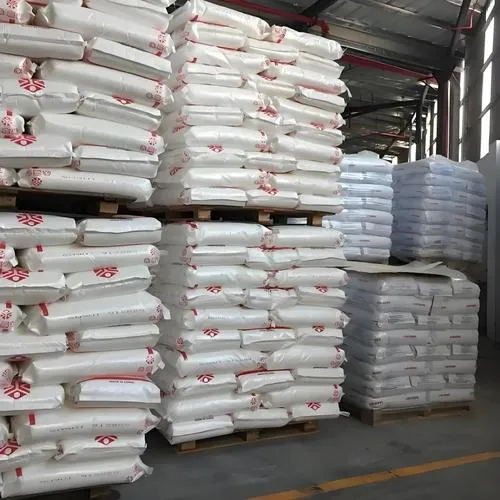
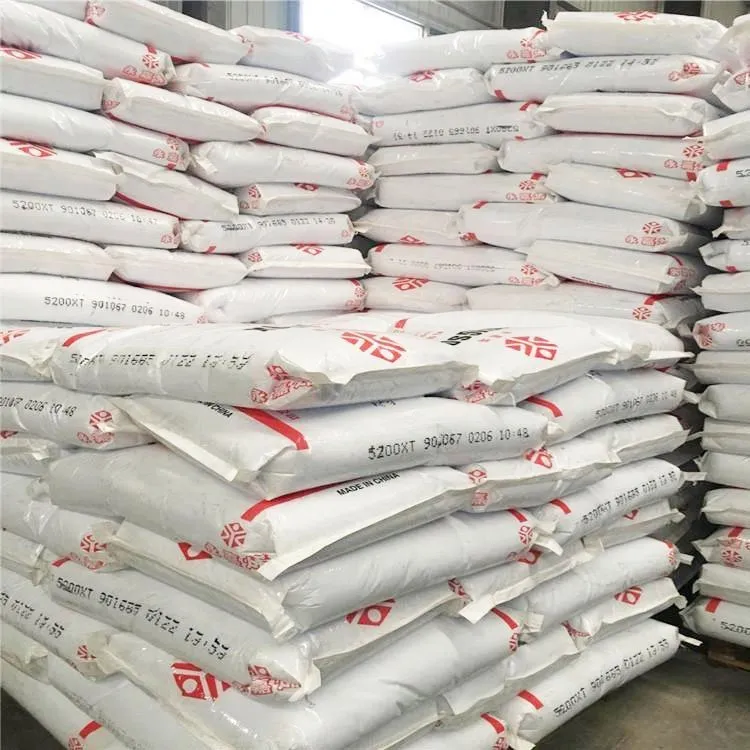
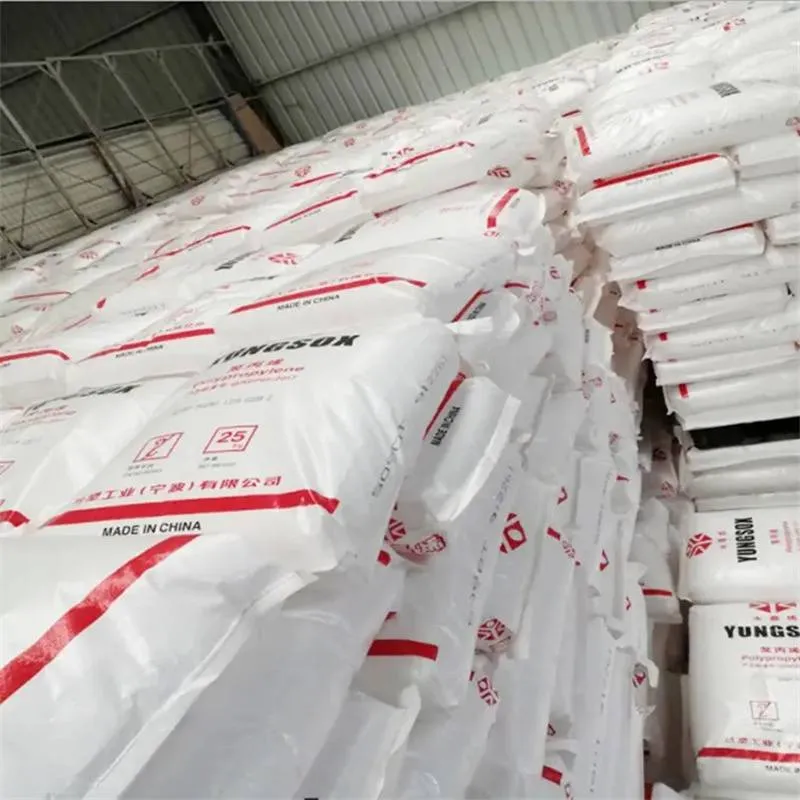
Inventory and lead time: For both HDPE and LDPE, Shanghai-based inventory reduces lead-time risk for export shipments. International customers should confirm packaging (25 kg bags, 1 ton supersacks, or FCL bulk) and Incoterms (FOB Shanghai, CIF, DAP) early in the quoting process.
Shanghai Wenqin Plastics maintains inventory of HDPE and LDPE grades suited for blow molding, film, and injection molding applications, with batch-controlled quality processes and full export documentation. Request a quotation to receive current pricing and grade options for your specific application.
How to Choose Between HDPE and LDPE: A Decision Framework
Use the following sequence to narrow the choice for a new application.
Define the loading: Is the part structural (HDPE) or flexible (LDPE)? Top-load, internal pressure, and tear demands favor HDPE. Bending, stretching, and cling demands favor LDPE.
Define the temperature range: Continuous service above 80°C points to HDPE. Sub-zero impact loading without modification points to LDPE.
Define the chemical environment: Hydrocarbon contact, solvent storage, and detergent exposure call for HDPE (often with ESC-resistant or stress-crack-resistant grades). Aqueous and food contact at ambient temperatures works for either.
Define the processing route: Blow molding for bottles and drums favors HDPE. Blown film for clarity and seal performance favors LDPE. Injection molding works with both, but melt flow and shrinkage must match tooling.
Define the regulatory and aesthetic requirements: Food-contact compliance, clarity, gloss, and color stability vary by grade. Verify TDS and compliance certificates before specifying.
Following this framework rules out most mismatches before samples are ordered. The remaining grade selection within HDPE or LDPE (such as bimodal, hexene-comonomer, or high-MFI grades) is best handled with a supplier's technical team.
Conclusion
HDPE vs LDPE comes down to a simple architectural difference with wide-reaching consequences. Linear HDPE chains pack densely, delivering the stiffness, strength, and chemical resistance that structural and barrier applications demand. Branched LDPE chains stay loose, delivering the flexibility, clarity, and seal performance that thin-film and squeeze-bottle applications require.
For engineers and procurement teams, the key decision points are:
Use HDPE for rigid containers, fuel and chemical storage, pressure pipe, and stiffer film applications
Use LDPE for flexible film, stretch wrap, cling applications, and low-temperature packaging
Match processing parameters to the grade; do not assume one PE behaves like another
Confirm batch consistency with certificates of analysis to protect production line stability
Verify documentation requirements early, especially for food-contact and export compliance
Shanghai Wenqin Plastics supplies HDPE and LDPE grades for film, blow molding, and injection molding applications worldwide, backed by stable inventory in Shanghai, technical support for material selection, and complete export documentation. Contact our team to discuss your polyethylene requirements, request samples for evaluation, or arrange a technical consultation. The right grade choice protects production stability, end-product performance, and long-term supply confidence, and we work alongside our partners to make that choice straightforward.
Recently Posted
-
How to Choose the Right Engineering Plastics Distributor for Your Manufacturing Supply Chain
June 12, 2026When a production line at a German automotive tier-1 supplier ground to a halt last year, the cause was not equipment failure or l Read More
 -
The Plastic Extrusion Process: A Complete Technical Guide for Manufacturers
June 12, 2026When the quality team at a window profile plant in Poland measured wall thickness drift on their PVC line last spring, the culprit Read More
 -
How to Choose an Engineering Plastics Supplier That Protects Your Production Line
June 10, 2026Last March, a tier-2 automotive supplier in Stuttgart received a shipment of PA66 GF30 that looked identical to every batch before Read More
 -
How Long Does Plastic Last? A Materials Engineer's Guide to Polymer Lifespan
June 10, 2026A single polyethylene grocery bag can persist in a landfill for 500 years, yet the same material inside your refrigerator's in Read More

Contact Us
Recommended Products
-
 POM GF-10 Glass-Fiber Reinforced Resin Pellets for Industrial GearsNegotiableMOQ: 1 Kilogram
 -
Duracon POM SW-01 Granules - High-Performance Copolymer Resin for Industrial UseNegotiableMOQ: 1000 Kilograms
-
Basel Origin PP 4160/HP500N General Purpose Injection Molding Homopolymer Polypropylene PP PelletsNegotiableMOQ: 1000 Kilograms
-
Chimei ABS Resin D-1200 for Electronic Enclosures With Flame Retardant PropertiesNegotiableMOQ: 1 Kilogram
-
HDPE Film Grade Hta-001 Injection for High Strength ToughnessNegotiableMOQ: 1 Kilogram
-
High‑Heat‑Resistant Optical‑Grade Polycarbonate PC Resin Teijin SP‑1516 for Camera Lens ManufacturingNegotiableMOQ: 1 Kilogram
-
PC Resin Covestro 1803 With High Impact Resistance for Automotive PartsNegotiableMOQ: 25 Kilograms
-
General Purpose ABS GP-22 From Ineos Ideal for Daily Consumer Goods and Common Injection PartsNegotiableMOQ: 1 Kilogram
-
Celanese DuPont Precision XGC-25 DuPont Injection Molding Plastic Products POMNegotiableMOQ: 1 Kilogram
-
High Impact ABS Plastic Granules HI-121H Industrial Raw MaterialNegotiableMOQ: 1 Kilogram

-
Sinopec PP N-T30S Virgin Wire Drawing Grade Polypropylene GranulesNegotiableMOQ: 1 Kilogram
-
POM F10-03H With High Impact Resistance for Automotive Fuel System ComponentsNegotiableMOQ: 1 Kilogram
-
General Impact Grade ABS PA 737 Fit for Mass Production Daily Plastic and Office Supply PartsNegotiableMOQ: 1 Kilogram
-
366-5 PP Resin Granules With High Impact Strength for Industrial UseNegotiableMOQ: 1 Kilogram
-
PP Granules 3009 - Flame Retardant PP Compound for Electrical Components, UL94 V-2 RatedNegotiableMOQ: 1 Kilogram
-
PC-115P Polycarbonate Resin for 3D Printing Filaments With Low WarpageNegotiableMOQ: 1 Kilogram
-
Low‑Temperature Impact PP Pellets K4750 Modified Copolymer for Automotive BumpersNegotiableMOQ: 1 Kilogram
-
Chimei ABS Resin D-2200 for Luggage and Travel Cases With High RigidityNegotiableMOQ: 1 Kilogram
-
Natural Color Delrin POM M90NAT Celanese DuPont Virgin Resin Raw MaterialNegotiableMOQ: 1 Kilogram
-
FMA016 HDPE Grade for Large-Diameter Corrugated Pipe ProductionNegotiableMOQ: 1 Kilogram