
 Business License

What Is Polycarbonate Plastic? A Complete Guide to PC Resin
In March 2024, Chen Wei, a product engineer at a Shenzhen lighting manufacturer, faced a critical decision. His team needed a transparent material for a new LED streetlight housing that could withstand impact from falling debris, endure summer temperatures above 80°C, and maintain optical clarity after years of UV exposure. Acrylic cracked in impact testing. Glass was too heavy. The solution that passed every test? Polycarbonate plastic.
Materials engineers and procurement managers know that selecting the wrong thermoplastic can derail production schedules and compromise product performance. This guide explains exactly what polycarbonate plastic is, how its properties compare to alternatives, which grades suit specific applications, and how to process PC resin effectively. We will cover PC's molecular structure, mechanical and thermal properties, common grades including optical and flame-retardant variants, injection molding parameters, and sourcing considerations.
At Shanghai Wenqin Plastics, we supply PC resin grades to manufacturers across automotive, electronics, and lighting industries worldwide. Want to explore which PC grade matches your requirements? Browse our [PC resin grades] for available specifications.
What Is Polycarbonate Plastic?
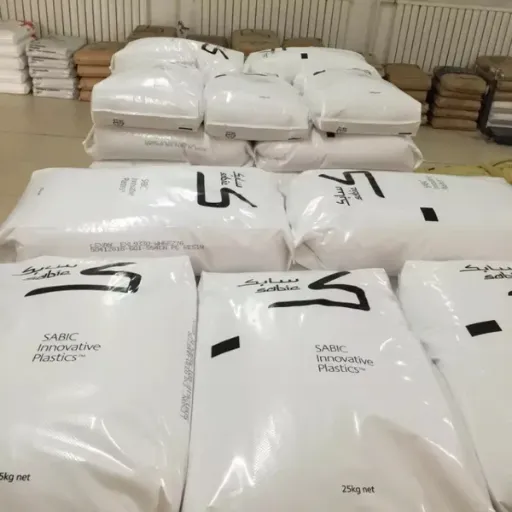
Polycarbonate plastic is a high-performance thermoplastic polymer characterized by carbonate functional groups linked in a molecular chain. This unique structure produces an amorphous material with exceptional impact strength, optical transparency, and heat resistance. PC resin ranks among the most widely specified engineering plastics for applications demanding transparency combined with structural durability.
The polymer forms through a condensation reaction of bisphenol A (BPA) with phosgene or diphenyl carbonate. The resulting molecular chains are remarkably rigid yet flexible enough to absorb tremendous impact energy without fracturing. Unlike crystalline polymers such as polypropylene or nylon, polycarbonate's amorphous structure provides uniform optical properties and consistent shrinkage behavior in all directions.
Manufacturers typically supply PC resin as translucent or transparent pellets suitable for injection molding, extrusion, and blow molding. Natural polycarbonate exhibits light transmittance of 88-90% with excellent clarity, making it one of only a few transparent engineering plastics available commercially.
Key Properties That Define PC Resin
Mechanical Performance
Polycarbonate plastic delivers outstanding toughness that distinguishes it from nearly all other transparent materials. Unnotched Izod impact strength typically exceeds 80 kJ/m², while notched values remain above 60 kJ/m². These figures explain why PC resin replaces glass in safety applications: it resists shattering under impact loads that would destroy acrylic or silicate glass.
Tensile strength ranges from 60-70 MPa depending on grade and processing conditions. Flexural modulus sits at approximately 2,200-2,400 MPa, providing rigidity suitable for structural housings and enclosures. Elongation at break of 80-130% indicates significant ductility, allowing parts to deform under stress rather than failing catastrophically.
Thermal Properties
Heat deflection temperature (HDT) for general-purpose PC grades reaches approximately 130-140°C at 1.8 MPa. Vicat softening temperatures typically fall between 145-150°C. This thermal performance exceeds standard ABS and acrylic, positioning PC resin for applications near heat sources where other transparent plastics would deform.
The glass transition temperature (Tg) of polycarbonate is approximately 145-150°C. Below this threshold, the material remains tough and dimensionally stable. Continuous service temperatures generally range from -40°C to 115-125°C, depending on stress levels and environmental exposure.
Optical Characteristics
Optical grade PC resin achieves light transmittance comparable to glass while weighing roughly half as much. Refractive index of approximately 1.58 enables precise lens design for lighting and optical applications. Haze levels below 1% in premium optical grades ensure minimal light scattering.
Importantly, standard polycarbonate blocks ultraviolet radiation in the UV-B and UV-C ranges. However, prolonged UV exposure degrades surface appearance and mechanical properties over time. UV-stabilized grades incorporate additives that extend outdoor service life significantly.
Chemical and Electrical Behavior
Polycarbonate plastic resists dilute acids, alcohols, and oils but shows vulnerability to strong bases, aromatic hydrocarbons, and chlorinated solvents. Chemical compatibility must always be verified for applications involving cleaning agents, lubricants, or fuel contact.
Electrically, PC resin offers excellent dielectric properties with volume resistivity exceeding 10¹⁵ ohm·cm and dielectric strength of 15-20 kV/mm. These characteristics make it suitable for electrical enclosures, connector housings, and insulating components.
Common Polycarbonate Grades and Variants
General-Purpose PC
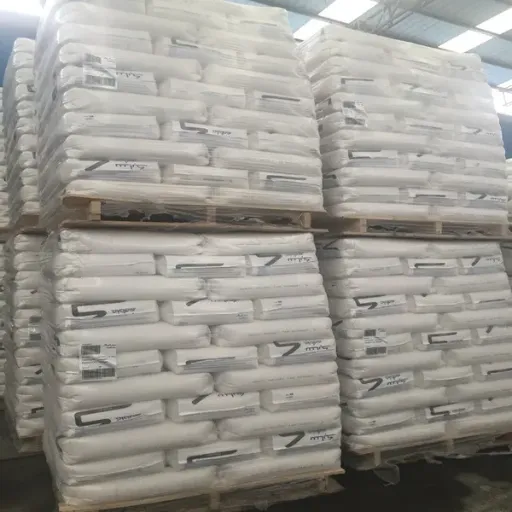
General-purpose grades balance cost, processability, and mechanical properties for the broadest range of applications. These grades suit transparent housings, machine guards, and interior lighting diffusers where standard impact resistance and optical clarity meet requirements.
Typical melt flow index (MFI) values range from 3-15 g/10min at 300°C, enabling processing across thin-wall to thick-section parts. General-purpose PC represents the starting point for most material selection processes.
Optical Grade PC
Optical grade PC resin undergoes additional purification and processing controls to minimize impurities, gels, and optical defects. Transmittance exceeds 90% in some formulations. These grades serve LED lighting lenses, automotive headlight covers, medical device windows, and display panels where optical precision is paramount.
When Elena Vasquez, a lighting designer at a Barcelona architectural firm, specified materials for a museum exhibition project in 2024, she tested five transparent polymers. Only optical grade PC delivered the combination of 90% light transmittance, UV blocking, and impact resistance required for interactive display cases accessible to children. Her specification reduced replacement costs by 40% compared to the glass alternative originally considered.
Flame-Retardant PC
Electronics and electrical applications increasingly require flame-retardant materials meeting UL94 ratings. Flame-retardant PC grades achieve V-0 ratings at wall thicknesses of 1.5-3.0 mm depending on formulation.
Halogenated flame-retardant systems offer effectiveness at lower loadings but face regulatory scrutiny under RoHS and REACH. Halogen-free alternatives using phosphorus-based systems have gained market share, particularly for consumer electronics and export to environmentally regulated markets. Shanghai Wenqin Plastics provides RoHS-compliant flame-retardant PC grades upon request.
UV-Stabilized and Weatherable Grades
Standard polycarbonate yellows and becomes brittle after prolonged sun exposure. UV-stabilized grades incorporate additives or coextruded surface layers that absorb or block damaging radiation. These formulations extend outdoor service life from months to 5-10 years depending on climate and exposure angle.
Automotive exterior applications, greenhouses, and outdoor lighting fixtures typically specify UV-stabilized PC resin. Some grades carry automotive OEM approvals for exterior trim and lighting components.
Glass-Filled PC
Adding 10-30% glass fiber increases tensile strength, stiffness, and dimensional stability at the expense of optical clarity. Glass-filled PC suits structural components where transparency is secondary to mechanical performance, such as electrical housings and pump components.
Typical properties for PC GF20 include tensile strength of 90-100 MPa and flexural modulus exceeding 5,000 MPa. These values approach those of lower-filled nylon grades while maintaining better dimensional stability and lower moisture absorption.
PC/ABS Alloys
Blending PC with ABS produces a material family capturing PC's toughness and heat resistance alongside ABS's processability and surface gloss. PC/ABS alloys process at lower temperatures than pure PC and offer superior flow characteristics for complex geometries.
Common applications include automotive interior trim, laptop housings, and appliance panels. The alloy ratio determines the property balance: higher PC content improves heat and impact resistance, while higher ABS content enhances processability and cost efficiency.
Polycarbonate vs. Alternative Transparent Materials
PC vs. PMMA (Acrylic)
PMMA (polymethyl methacrylate, commonly called acrylic) offers slightly higher optical clarity and better scratch resistance than polycarbonate. However, PMMA's impact strength is roughly 10 times lower. Acrylic also becomes brittle at low temperatures and cannot match PC's heat resistance.
Choose polycarbonate plastic when: Impact resistance is critical; operating temperatures exceed 80°C; the part must withstand rough handling or potential collisions.
Choose PMMA when: Maximum optical clarity is paramount; scratch resistance matters; the application is protected from impact and operates at moderate temperatures.
For a deeper comparison, see our guide on [choosing between polycarbonate and acrylic].
PC vs. Glass
Glass offers superior scratch resistance, optical clarity, and chemical resistance. However, glass weighs approximately twice as much as PC resin and shatters dangerously under impact. Fabrication costs for complex glass shapes far exceed injection molding costs for polycarbonate plastic.
Choose PC resin when: Weight reduction matters; impact safety is required; complex geometries would be expensive in glass; thermal insulation is beneficial.
Choose glass when: Maximum scratch resistance is needed; the application involves strong solvents; extreme heat resistance beyond 140°C is required.
PC vs. PETG
PETG (glycol-modified polyethylene terephthalate) offers good clarity and toughness at lower cost than PC. However, PETG's heat resistance (HDT ~65-75°C) limits applications. PETG also lacks the structural rigidity and long-term dimensional stability of polycarbonate plastic.
Choose PC when: Heat resistance above 100°C is needed; structural loads are significant; long-term creep resistance matters.
Choose PETG when: Cost is the primary driver; heat exposure is minimal; ease of fabrication (including thermoforming) is important.
Processing Guidelines for PC Injection Molding
Drying Requirements
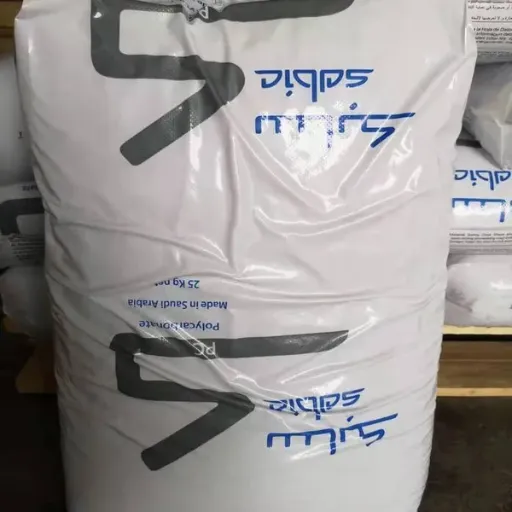
Polycarbonate plastic is hygroscopic and must be dried thoroughly before processing. Moisture content above 0.02% causes hydrolytic degradation, visible as silver streaks, reduced molecular weight, and diminished impact strength.
Recommended drying conditions: 120°C for 3-4 hours in a dehumidifying dryer.
Target moisture content: Below 0.02%.
Verification: Desiccant dryers with dew points of -30°C or lower provide reliable results.
When Raj Patel's injection molding operation in Mumbai switched to a new PC resin supplier in 2023, they skipped the drying step based on previous experience with less sensitive materials. The resulting parts showed severe splay and failed impact testing. After re-establishing proper drying protocols at 120°C for four hours, lot-to-lot consistency returned, and scrap rates dropped from 18% to under 3%.
Melt Temperature
Recommended range: 280-320°C.
Typical setting: 300°C.
Lower limit: Below 280°C, PC resin viscosity increases dramatically, causing poor flow and weld line weakness.
Upper limit: Exceeding 330°C risks thermal degradation, yellowing, and molecular weight reduction.
Residence time in the barrel should be minimized. Long cycles with large shot sizes relative to barrel capacity can degrade material through prolonged heat exposure.
Mold Temperature
Recommended range: 80-120°C.
Typical setting: 90-100°C for general parts; 100-120°C for optical and cosmetic components.
Higher mold temperatures improve surface gloss, reduce molded-in stress, and enhance weld line strength. Optical grade PC particularly benefits from mold temperatures above 100°C to minimize birefringence and surface defects.
Injection Pressure and Speed
PC resin requires moderate to high injection pressures (80-150 MPa) due to its relatively high viscosity. Injection speed should be fast enough to prevent premature freezing but controlled to avoid jetting or burn marks in thin sections.
Shrinkage and Dimensional Control
Amorphous PC exhibits low and isotropic shrinkage of approximately 0.5-0.7%. This predictable behavior supports tight-tolerance molding without the directional warping concerns common to crystalline polymers. Glass-filled grades shrink less (0.2-0.4%) but introduce anisotropic behavior similar to other reinforced materials.
Purging and Handling
Polycarbonate is sensitive to contamination from other resins, particularly PVC, acetal, and ABS. Thorough purging between material changes is essential. Contaminated material can undergo dangerous decomposition reactions at PC processing temperatures.
For detailed processing parameters for all engineering plastics, refer to our [processing guidelines].
Applications: Where Polycarbonate Plastic Excels
Automotive Lighting and Glazing
Automotive headlight lenses, taillight covers, and interior lighting diffusers represent major PC resin applications. The material's combination of transparency, impact resistance, and heat tolerance suits under-hood and exterior lighting components. Many modern vehicles use polycarbonate plastic for panoramic roof panels, reducing weight by 40-50% compared to glass.
UV-stabilized and hard-coated grades address scratch and weathering concerns for exterior applications. Major automotive lighting suppliers specify optical grade PC resin for projector beam headlamps where precise light control is essential.
Electronics and Electrical Enclosures
Flame-retardant PC resin dominates laptop and monitor housings, power supply enclosures, and electrical junction boxes. The material's inherent dielectric properties, combined with V-0 flame ratings, satisfy safety requirements for energized electrical components.
Transparent PC enclosures allow status indicator visibility while protecting sensitive electronics from impact and dust. Learn more about [electronics grade plastics] for your specific application requirements.
LED Lighting and Optics
The LED lighting revolution has driven substantial demand for optical grade PC resin. Light guides, diffusers, and lenses benefit from PC's ability to transmit light efficiently while withstanding the thermal loads from high-power LED modules. Thermal management remains critical, as prolonged exposure above 120°C can degrade even high-quality PC over time.
Medical Devices and Safety Equipment
Polycarbonate plastic's clarity, sterilizability (by gamma radiation, ethylene oxide, and limited steam cycles), and impact resistance make it ideal for medical device housings, IV connectors, and safety goggles. Some grades meet USP Class VI or ISO 10993 biocompatibility requirements for limited patient contact applications.
Consumer Products and Machine Guards
Safety guards for machinery, motorcycle windshields, sports equipment visors, and reusable water bottles all leverage PC resin's impact performance. Hard-coated grades improve scratch resistance for high-touch applications.
Sourcing PC Resin: What to Look For
Grade Specification and Documentation
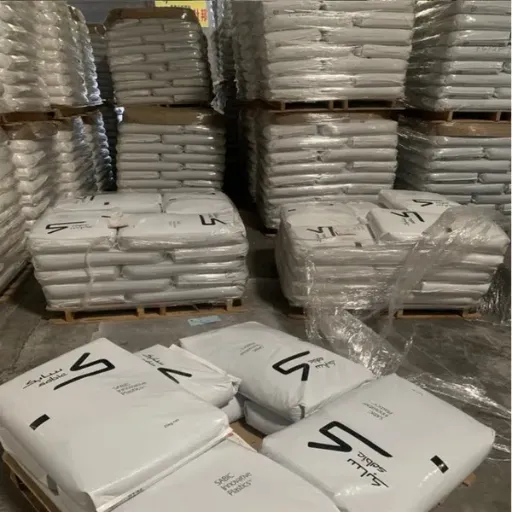
Reliable PC resin supply begins with clear grade specifications. Request a Technical Data Sheet (TDS) documenting mechanical, thermal, and electrical properties with referenced test methods (ASTM or ISO). For regulated applications, verify availability of RoHS, REACH, and UL documentation.
Certificate of Analysis (COA) for each production batch confirms that melt flow index, impact strength, and other critical properties fall within specification. Lot traceability connects each shipment back to production parameters and raw material batches.
Quality Consistency
Lot-to-lot consistency determines whether a PC resin supplier supports stable production or generates endless quality issues. Evaluate suppliers based on their quality management systems, batch testing protocols, and historical consistency data.
Shanghai Wenqin Plastics maintains rigorous incoming and outgoing inspection for all PC resin grades. Our [material selection guide] provides additional criteria for evaluating engineering plastics suppliers.
Technical Support
PC resin processing demands expertise. Suppliers who provide drying recommendations, processing parameter guidance, and troubleshooting support reduce start-up time and scrap rates. Technical consultation becomes particularly valuable when specifying specialty grades such as optical or flame-retardant formulations.
Supply Chain Reliability
Production schedules depend on consistent material availability. Evaluate inventory levels, lead times, and logistics capabilities before committing to a supplier. For international procurement, confirm export documentation capabilities and familiarity with your destination country's import requirements.
Our [complete guide to engineering plastics] covers additional sourcing considerations across all thermoplastic categories.
Conclusion
Polycarbonate plastic occupies a unique position among engineering plastics as one of the few materials combining transparency, exceptional toughness, and heat resistance. From automotive headlight lenses to medical device housings, PC resin solves application challenges that defeat alternative transparent materials.
Successful specification requires understanding grade variations, processing requirements, and environmental limitations. General-purpose grades suit broad applications, while optical, flame-retardant, and UV-stabilized formulations address specialized demands. Proper drying, melt temperature control, and mold temperature management ensure consistent processing results.
Key takeaways for materials professionals:
Polycarbonate plastic delivers impact strength approximately 10 times higher than acrylic while maintaining optical clarity above 88%.
Heat deflection temperatures of 130-140°C enable applications near heat sources where other transparent plastics fail.
Drying to below 0.02% moisture is non-negotiable for quality molding.
Grade selection should match application requirements: optical grades for lighting, flame-retardant grades for electronics, UV-stabilized grades for outdoor use.
PC/ABS alloys offer a middle ground when processability and cost efficiency matter alongside toughness.
At Shanghai Wenqin Plastics, we supply general-purpose, optical grade, flame-retardant, and UV-stabilized PC resin for manufacturers worldwide. Our technical team provides material selection guidance, processing recommendations, and complete documentation including TDS, MSDS/SDS, and compliance certificates. [Request a quotation] or [contact our technical team] to discuss your polycarbonate plastic requirements.
Recently Posted
-
How to Choose the Right Engineering Plastics Distributor for Your Manufacturing Supply Chain
June 12, 2026When a production line at a German automotive tier-1 supplier ground to a halt last year, the cause was not equipment failure or l Read More
 -
The Plastic Extrusion Process: A Complete Technical Guide for Manufacturers
June 12, 2026When the quality team at a window profile plant in Poland measured wall thickness drift on their PVC line last spring, the culprit Read More
 -
How to Choose an Engineering Plastics Supplier That Protects Your Production Line
June 10, 2026Last March, a tier-2 automotive supplier in Stuttgart received a shipment of PA66 GF30 that looked identical to every batch before Read More
 -
How Long Does Plastic Last? A Materials Engineer's Guide to Polymer Lifespan
June 10, 2026A single polyethylene grocery bag can persist in a landfill for 500 years, yet the same material inside your refrigerator's in Read More

Contact Us
Recommended Products
-
 POM GF-10 Glass-Fiber Reinforced Resin Pellets for Industrial GearsNegotiableMOQ: 1 Kilogram
 -
Duracon POM SW-01 Granules - High-Performance Copolymer Resin for Industrial UseNegotiableMOQ: 1000 Kilograms
-
Basel Origin PP 4160/HP500N General Purpose Injection Molding Homopolymer Polypropylene PP PelletsNegotiableMOQ: 1000 Kilograms
-
Chimei ABS Resin D-1200 for Electronic Enclosures With Flame Retardant PropertiesNegotiableMOQ: 1 Kilogram
-
HDPE Film Grade Hta-001 Injection for High Strength ToughnessNegotiableMOQ: 1 Kilogram
-
High‑Heat‑Resistant Optical‑Grade Polycarbonate PC Resin Teijin SP‑1516 for Camera Lens ManufacturingNegotiableMOQ: 1 Kilogram
-
PC Resin Covestro 1803 With High Impact Resistance for Automotive PartsNegotiableMOQ: 25 Kilograms
-
General Purpose ABS GP-22 From Ineos Ideal for Daily Consumer Goods and Common Injection PartsNegotiableMOQ: 1 Kilogram
-
Celanese DuPont Precision XGC-25 DuPont Injection Molding Plastic Products POMNegotiableMOQ: 1 Kilogram
-
High Impact ABS Plastic Granules HI-121H Industrial Raw MaterialNegotiableMOQ: 1 Kilogram

-
Sinopec PP N-T30S Virgin Wire Drawing Grade Polypropylene GranulesNegotiableMOQ: 1 Kilogram
-
POM F10-03H With High Impact Resistance for Automotive Fuel System ComponentsNegotiableMOQ: 1 Kilogram
-
General Impact Grade ABS PA 737 Fit for Mass Production Daily Plastic and Office Supply PartsNegotiableMOQ: 1 Kilogram
-
366-5 PP Resin Granules With High Impact Strength for Industrial UseNegotiableMOQ: 1 Kilogram
-
PP Granules 3009 - Flame Retardant PP Compound for Electrical Components, UL94 V-2 RatedNegotiableMOQ: 1 Kilogram
-
PC-115P Polycarbonate Resin for 3D Printing Filaments With Low WarpageNegotiableMOQ: 1 Kilogram
-
Low‑Temperature Impact PP Pellets K4750 Modified Copolymer for Automotive BumpersNegotiableMOQ: 1 Kilogram
-
Chimei ABS Resin D-2200 for Luggage and Travel Cases With High RigidityNegotiableMOQ: 1 Kilogram
-
Natural Color Delrin POM M90NAT Celanese DuPont Virgin Resin Raw MaterialNegotiableMOQ: 1 Kilogram
-
FMA016 HDPE Grade for Large-Diameter Corrugated Pipe ProductionNegotiableMOQ: 1 Kilogram