
 Business License
What Is PET Plastic? Properties, Uses, and Processing Guide
Every year, manufacturers produce over 30 million metric tons of polyethylene terephthalate (PET) for packaging alone. That single material touches nearly every beverage bottle, food container, and synthetic fiber in daily life. Yet despite its ubiquity, many engineers and procurement professionals struggle to distinguish PET from chemically similar materials or understand when it suits an application versus when a higher-performance alternative becomes necessary.
You likely encounter PET daily, whether you realize it or not. The challenge lies in understanding its specific properties, processing requirements, and limitations so you can make informed material decisions for your products. This guide explains what PET plastic is, where it performs best, how it compares to related engineering plastics, and what factors matter when specifying it for industrial applications.
What Is PET Plastic?
PET is a thermoplastic polymer belonging to the polyester family. Chemically, it forms from the condensation reaction of ethylene glycol and terephthalic acid, creating long molecular chains with repeating ester functional groups. The result is a material with excellent clarity, good mechanical strength, and strong barrier properties against gases and moisture.
In its pure form, PET appears as a clear, colorless material with a glass-like transparency that makes it ideal for visual packaging applications. Amorphous PET (APET) maintains this clarity and offers good impact resistance at room temperature. Crystallized PET (CPET), achieved through controlled heating during processing, becomes opaque and significantly more heat-resistant. The ability to exist in both amorphous and crystalline states gives PET unusual versatility across application categories.
PET carries resin identification code #1, making it one of the most widely recycled plastics globally. Recycled PET (rPET) retains many of the original material's properties and finds use in fiber, sheet, and molded applications where virgin material is not strictly required.
Key Properties of PET Plastic
Mechanical Properties
PET offers a tensile strength of 50-80 MPa depending on crystallinity and orientation. Oriented PET fibers and films achieve significantly higher strength due to molecular alignment. The material exhibits moderate stiffness with a flexural modulus around 2,000-3,000 MPa, placing it between commodity polyolefins and reinforced engineering plastics in terms of rigidity.
Impact resistance varies dramatically with morphology. Amorphous PET performs well at room temperature but becomes brittle near 0°C. Crystallized grades maintain better toughness across temperature ranges. For applications demanding higher impact performance, PETG (glycol-modified PET) offers enhanced flexibility and impact strength at the cost of some thermal resistance.
Thermal Properties
The thermal behavior of PET depends heavily on its crystalline content. Amorphous PET softens around 75-80°C, limiting its use in hot-fill or high-temperature applications. Highly crystalline PET, however, withstands temperatures up to 220°C for short periods and maintains structural integrity above 150°C under load.
The glass transition temperature (Tg) of PET sits at approximately 70-80°C. Below this temperature, the material behaves as a rigid glass. Above Tg, amorphous regions soften while crystalline regions maintain structure. This dual-phase behavior complicates processing but enables the stretch-blow molding process that creates lightweight, strong beverage bottles.
Barrier and Chemical Properties
PET excels as a barrier material. It resists penetration by carbon dioxide and oxygen significantly better than PE or PP, which explains its dominance in carbonated beverage packaging. Water vapor transmission rates are moderate, making PET suitable for moist products but potentially requiring additional barrier layers for extremely sensitive contents.
Chemically, PET resists dilute acids, alcohols, oils, and aliphatic hydrocarbons. It performs poorly against strong alkalis, which can hydrolyze the ester linkages in its molecular chain. Concentrated acids and certain polar solvents also attack PET over time. For chemical exposure applications, testing under actual service conditions remains essential.
Common Applications of PET Plastic
Packaging and Containers
The largest single application for PET remains packaging. Stretch-blow molded bottles for water, soft drinks, juices, and personal care products consume the majority of global PET production. The material's clarity allows product visibility, its light weight reduces shipping costs, and its barrier properties protect contents from spoilage.
Beyond bottles, PET appears in food trays, blister packs, and clamshell containers. CPET trays withstand oven temperatures up to 200°C, enabling ready-meal packaging that transitions directly from freezer to oven. This heat resistance separates CPET from most other clear packaging plastics.
Textile and Industrial Fibers
When extruded and drawn into fibers, PET becomes polyester, the most widely produced synthetic fiber worldwide. Textile applications range from clothing and home furnishings to industrial belting and tire cord. The fiber form of PET offers excellent crease resistance, durability, and resistance to most biological degradation agents.
Industrial fiber grades emphasize higher tenacity and modulus. Geotextiles, conveyor belts, and reinforcement fabrics use these high-performance PET variants. The material's resistance to moisture absorption (typically <0.5% at equilibrium) makes polyester fibers dimensionally stable across varying humidity conditions.
Engineering and Industrial Components
Although less common than packaging or fiber applications, PET finds engineering use in electrical components, automotive parts, and precision-molded pieces. PET film serves as an electrical insulator in capacitors, motors, and transformers due to its dielectric strength and thermal stability.
In automotive applications, PET appears in lamp housings, connectors, and under-hood components where its combination of heat resistance and dimensional stability proves valuable. However, for demanding under-hood applications, materials like PA66 GF30 or PBT often outperform standard PET grades.
Film and Sheet
PET film, often sold under trade names like Mylar or Hostaphan, serves in packaging, photography, magnetic media, and industrial lamination. Biaxially oriented PET (BOPET) film exhibits exceptional strength-to-weight ratio and dimensional stability. Applications include flexible circuit substrates, solar panel backsheets, and high-performance packaging films.
PET vs. PBT: Understanding the Difference
PET and PBT (Polybutylene Terephthalate) share the same polyester chemistry but use different glycol components. This seemingly small molecular difference creates significant performance distinctions that matter for engineering applications.
PET contains ethylene glycol, producing a more rigid polymer chain with higher tensile strength and better barrier properties. PBT contains four-carbon butylene glycol, which adds chain flexibility. The result is a material with superior impact resistance, faster crystallization during molding, and better performance in damp environments.
For injection molding, PBT generally processes more easily than PET. PBT crystallizes rapidly, enabling shorter cycle times and more consistent part dimensions. PET's slower crystallization requires careful mold temperature control and can lead to unpredictable shrinkage in thick-walled parts. For thin-walled electrical connectors and precision automotive sensors, PBT typically offers more reliable processing.
Moisture sensitivity represents another key difference. Both materials require drying before processing, but PET is more sensitive to hydrolytic degradation at melt temperatures. Even trace moisture can break molecular chains during processing, reducing mechanical properties. PBT tolerates processing conditions more forgivingly, making it preferred for many injection molding operations.
Shanghai Wenqin Plastics supplies PBT grades for electrical connectors, automotive sensors, and circuit breaker housings where the engineering performance of polyester chemistry meets the processing reliability manufacturers need. If your application demands the barrier properties and clarity of PET, our technical team can discuss whether PBT or another material from our engineering plastics portfolio might suit your requirements.
PET Processing Methods and Parameters
Injection Molding
PET injection molding demands strict moisture control. The material must be dried to below 0.02% moisture content using dehumidified dryers at 130-150°C for 4-6 hours. Inadequate drying causes hydrolytic degradation, producing parts with reduced molecular weight and poor mechanical properties.
Melt temperatures typically range from 270-290°C. Lower temperatures reduce degradation risk but may limit flow in thin sections. Higher temperatures improve flow but increase hydrolysis and thermal degradation risks. Mold temperatures of 100-140°C promote crystallization and improve part rigidity, though amorphous parts require cooler molds around 10-40°C.
Screw design matters significantly. General-purpose screws with L/D ratios of 20:1 to 25:1 work for many applications. However, low-compression screws with gradual transition zones minimize shear heating and degradation. Venting must be adequate to prevent burn marks and incomplete filling.
Stretch-Blow Molding
The stretch-blow molding process creates PET bottles and containers with exceptional clarity and mechanical performance. A preform is first injection molded, then reheated and stretched biaxially in a blow mold. This orientation aligns polymer chains along both axial and hoop directions, producing a thin-walled container with remarkable strength.
Stretch ratios typically range from 2:1 to 3:1 in both axial and hoop directions. Higher stretch ratios improve clarity and strength but require more precise process control. The process occurs above Tg but below the melting point, typically at 95-115°C for PET preforms.
Extrusion
PET extrusion produces sheet, film, and fiber. Sheet extrusion for thermoforming requires careful control of cooling rates to manage crystallinity. Rapid cooling produces amorphous sheet suitable for clear packaging. Slower, controlled cooling yields crystalline sheet with higher heat resistance for ovenable trays.
Fiber extrusion involves melting PET chips, filtering the melt, and extruding through spinnerets. Subsequent drawing at temperatures above Tg aligns polymer chains and develops fiber strength. Draw ratios of 3:1 to 6:1 are typical for textile fibers, while industrial fibers may use higher ratios.
PET Recycling and Sustainability Considerations
PET stands out as one of the most recyclable plastics in commercial use. Mechanical recycling involves sorting, washing, grinding, and re-melting used PET into new products. Chemical recycling breaks PET back into its monomer components, enabling purification and repolymerization into virgin-quality material.
The global recycling rate for PET bottles varies significantly by region. European markets achieve rates above 50%, while many other regions lag considerably. Contamination, mixed materials, and collection infrastructure limitations challenge broader recycling adoption.
From a sustainability perspective, PET offers advantages and disadvantages. Its light weight reduces transportation emissions compared to glass. Recycled PET (rPET) reduces petroleum consumption and landfill burden. However, PET derived from fossil sources still carries a carbon footprint, and microfiber shedding from polyester textiles contributes to environmental pollution.
Bio-based PET, produced using ethylene glycol derived from ethanol rather than petroleum, addresses some sustainability concerns. The terephthalic acid component typically remains petroleum-derived, so bio-based PET is not fully renewable. Nonetheless, it represents a step toward reduced fossil fuel dependence.
For manufacturers evaluating material choices, lifecycle considerations extend beyond recyclability. Durability, processing energy requirements, transportation efficiency, and end-of-life pathways all factor into comprehensive sustainability assessments. In some applications, longer-lasting engineering plastics like PC or PA66 may offer better lifecycle performance despite lower recyclability rates.
Limitations and When to Consider Alternatives
PET's properties make it excellent for specific applications but unsuitable for others. Understanding these limitations prevents costly specification errors.
Temperature limitations restrict PET in high-heat applications. Amorphous PET softens below 80°C, and even crystalline grades struggle above 150°C under continuous load. For under-hood automotive components, oven housings, or high-temperature electrical parts, PA66 GF30, PBT, or PC offer superior thermal performance.
Hydrolysis sensitivity complicates processing and limits long-term exposure to hot water or alkaline environments. Hydrolysis attacks the ester linkages in PET's backbone, gradually reducing molecular weight and mechanical properties. PBT offers improved hydrolysis resistance for damp or wet environments.
Impact brittleness at low temperatures excludes PET from many cold-climate or refrigeration applications without modification. PETG addresses this limitation but sacrifices heat resistance and barrier performance.
UV degradation causes yellowing and embrittlement in outdoor applications. UV-stabilized grades extend outdoor service life but add cost. For prolonged outdoor exposure, PMMA or UV-stabilized PC often provide better long-term appearance and performance.
Conclusion
PET plastic occupies a unique position in the materials landscape. Its clarity, barrier properties, and recyclability make it the dominant choice for packaging applications worldwide. Its fiber form, polyester, serves as the most widely used synthetic textile. In engineering applications, PET offers specific advantages but faces competition from more processable and heat-resistant alternatives.
Key takeaways for materials professionals include:
PET is a polyester thermoplastic with excellent clarity and barrier properties when amorphous, and improved heat resistance when crystalline
The material dominates beverage packaging and synthetic fiber markets for good reason
PET and PBT share chemistry but differ significantly in processing behavior and moisture sensitivity
Strict drying requirements and hydrolysis sensitivity demand careful processing control
For high-temperature, high-impact, or chemically aggressive applications, alternative engineering plastics may outperform PET
Selecting the right material requires balancing performance requirements, processing constraints, cost considerations, and sustainability goals. Whether your application demands the clarity of PET, the processability of PBT, or the heat resistance of PA66, informed material selection drives manufacturing success.
At Shanghai Wenqin Plastics, we supply a comprehensive range of engineering plastics including PBT, PA66, PC, ABS, and modified compounds for global manufacturing applications. Our technical team provides material selection guidance, processing recommendations, and complete documentation to support your qualification process. Contact our technical team for material selection support, or request a quotation for your engineering plastic requirements.
Recently Posted
-
How to Choose the Right Engineering Plastics Distributor for Your Manufacturing Supply Chain
June 12, 2026When a production line at a German automotive tier-1 supplier ground to a halt last year, the cause was not equipment failure or l Read More
 -
The Plastic Extrusion Process: A Complete Technical Guide for Manufacturers
June 12, 2026When the quality team at a window profile plant in Poland measured wall thickness drift on their PVC line last spring, the culprit Read More
 -
How to Choose an Engineering Plastics Supplier That Protects Your Production Line
June 10, 2026Last March, a tier-2 automotive supplier in Stuttgart received a shipment of PA66 GF30 that looked identical to every batch before Read More
 -
How Long Does Plastic Last? A Materials Engineer's Guide to Polymer Lifespan
June 10, 2026A single polyethylene grocery bag can persist in a landfill for 500 years, yet the same material inside your refrigerator's in Read More

Contact Us
Recommended Products
-
 POM GF-10 Glass-Fiber Reinforced Resin Pellets for Industrial GearsNegotiableMOQ: 1 Kilogram
 -
Duracon POM SW-01 Granules - High-Performance Copolymer Resin for Industrial UseNegotiableMOQ: 1000 Kilograms
-
Basel Origin PP 4160/HP500N General Purpose Injection Molding Homopolymer Polypropylene PP PelletsNegotiableMOQ: 1000 Kilograms
-
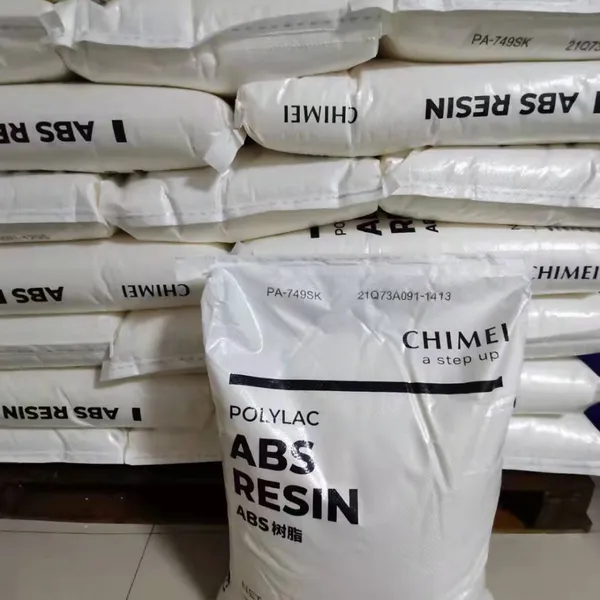
Chimei ABS Resin D-1200 for Electronic Enclosures With Flame Retardant PropertiesNegotiableMOQ: 1 Kilogram
-
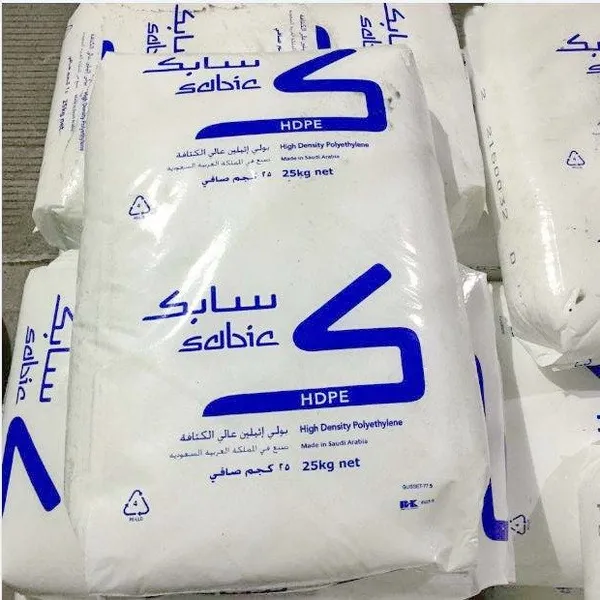
HDPE Film Grade Hta-001 Injection for High Strength ToughnessNegotiableMOQ: 1 Kilogram
-
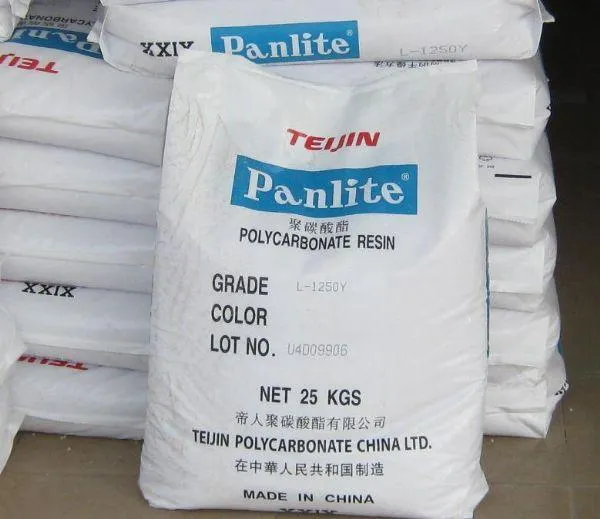
High‑Heat‑Resistant Optical‑Grade Polycarbonate PC Resin Teijin SP‑1516 for Camera Lens ManufacturingNegotiableMOQ: 1 Kilogram
-
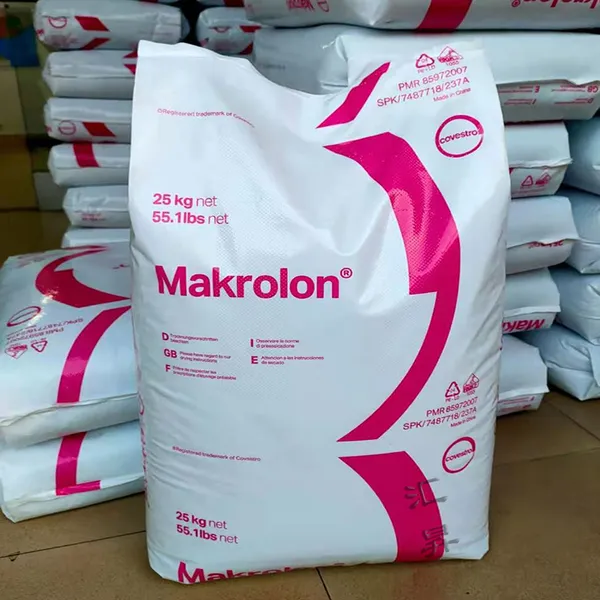
PC Resin Covestro 1803 With High Impact Resistance for Automotive PartsNegotiableMOQ: 25 Kilograms
-
General Purpose ABS GP-22 From Ineos Ideal for Daily Consumer Goods and Common Injection PartsNegotiableMOQ: 1 Kilogram
-
Celanese DuPont Precision XGC-25 DuPont Injection Molding Plastic Products POMNegotiableMOQ: 1 Kilogram
-
High Impact ABS Plastic Granules HI-121H Industrial Raw MaterialNegotiableMOQ: 1 Kilogram

-
Sinopec PP N-T30S Virgin Wire Drawing Grade Polypropylene GranulesNegotiableMOQ: 1 Kilogram
-
POM F10-03H With High Impact Resistance for Automotive Fuel System ComponentsNegotiableMOQ: 1 Kilogram
-
General Impact Grade ABS PA 737 Fit for Mass Production Daily Plastic and Office Supply PartsNegotiableMOQ: 1 Kilogram
-
366-5 PP Resin Granules With High Impact Strength for Industrial UseNegotiableMOQ: 1 Kilogram
-
PP Granules 3009 - Flame Retardant PP Compound for Electrical Components, UL94 V-2 RatedNegotiableMOQ: 1 Kilogram
-
PC-115P Polycarbonate Resin for 3D Printing Filaments With Low WarpageNegotiableMOQ: 1 Kilogram
-
Low‑Temperature Impact PP Pellets K4750 Modified Copolymer for Automotive BumpersNegotiableMOQ: 1 Kilogram
-
Chimei ABS Resin D-2200 for Luggage and Travel Cases With High RigidityNegotiableMOQ: 1 Kilogram
-
Natural Color Delrin POM M90NAT Celanese DuPont Virgin Resin Raw MaterialNegotiableMOQ: 1 Kilogram
-
FMA016 HDPE Grade for Large-Diameter Corrugated Pipe ProductionNegotiableMOQ: 1 Kilogram