
 Business License

Thermoforming vs Injection Molding: Choosing the Right Plastic Manufacturing Process
When Elena, a procurement manager at a medical device manufacturer in Germany, received quotes for a new diagnostic enclosure, the numbers told two completely different stories. Thermoforming promised tooling costs under 8,000 euros and first parts in four weeks. Injection molding quoted 45,000 euros for the mold and a ten-week lead time. At a projected annual volume of 3,000 units, thermoforming seemed like the obvious choice. Eighteen months later, a product redesign added internal ribs, snap-fit connectors, and tight dimensional tolerances. The same part that worked beautifully as a thermoformed shell now required injection molding. Elena's experience illustrates a truth that manufacturing professionals know well: the right process depends on far more than unit price.
If you are evaluating thermoforming vs injection molding for your next plastic component, this guide will help you make an informed decision. We will compare how each process works, where each excels, what materials suit each method, and how to match the process to your production volume, design complexity, and quality requirements. At Shanghai Wenqin Plastics, we supply the pellet-grade engineering plastics that feed both processes, from ABS and PC sheet extrusion feedstock to precision injection molding grades of PA66, POM, and PBT.
How Thermoforming Works
Thermoforming is a manufacturing process that heats a thermoplastic sheet until it becomes pliable, then shapes it over or into a mold using vacuum, pressure, or mechanical force. The basic sequence involves clamping a sheet, heating it to the forming temperature, drawing it onto or into a mold cavity, cooling it to retain the shape, and trimming the excess material.
Three primary variations dominate industrial applications. Vacuum forming applies negative pressure beneath the heated sheet to pull it against a single-sided mold. It is the simplest and most economical method, suitable for shallow draw ratios and non-cosmetic surfaces. Pressure forming adds positive air pressure above the sheet while applying vacuum below, achieving sharper detail, tighter radii, and textured surfaces that approach injection molding quality. Drape forming mechanically presses the heated sheet over a mold without vacuum or pressure, used for simple curves and large panels where precision is secondary.
The process favors large, relatively simple parts. Typical applications include refrigerator liners, automotive interior panels, packaging trays, bathtub surrounds, and equipment enclosures. Wall thickness varies across the part; corners and deep draws thin out as material stretches, which designers must anticipate. Tolerances generally run looser than injection molding, typically +/- 0.5 mm or wider depending on material and draw depth.
Materials for thermoforming arrive as extruded sheets rather than pellets. Common sheet materials include ABS, high-impact polystyrene (HIPS), polypropylene (PP), polyethylene (PE), polycarbonate (PC), polymethyl methacrylate (PMMA), and PETG. Multi-layer and capped sheets, such as ABS with a PMMA cap layer, combine the processability of ABS with the weatherability and gloss of acrylic. Shanghai Wenqin Plastics supplies the base pellet resins, including ABS, PC, PP, PE, and PMMA, that sheet extruders convert into thermoforming-grade materials.
How Injection Molding Works
Injection molding transforms thermoplastic pellets into complex, precision parts by melting the material and injecting it under high pressure into a metal mold cavity. The cycle involves melting pellets in a heated barrel, injecting the melt into a closed mold, cooling the part under pressure, opening the mold, and ejecting the finished component. The process then repeats, with cycle times ranging from seconds for small parts to minutes for large, thick-walled components.
Unlike thermoforming, which uses single-sided molds and sheet stock, injection molding employs matched metal molds with core and cavity halves. This allows for intricate internal features such as ribs, bosses, threads, snap fits, and living hinges. It also produces consistent wall thickness and tight tolerances, often achieving +/- 0.1 mm or better depending on material and part design.
The material range for injection molding spans virtually every thermoplastic resin family. Shanghai Wenqin Plastics supplies a comprehensive portfolio of injection molding grades, including ABS for electronics housings, PC for transparent and high-impact components, PA6 and PA66 for automotive and industrial applications, POM for precision gears and low-friction parts, PP for appliance and automotive components, PE for industrial containers, PBT for electrical connectors, and PMMA for lighting and display applications. Explore our injection molding grades to view the complete material range.
Injection molding dominates high-volume production. Once the mold is proven, the process delivers identical parts with minimal variation, supports automated assembly, and integrates easily with downstream operations such as insert molding and overmolding. The upfront tooling investment is significant, but the per-part cost drops sharply as volume increases.
Thermoforming vs Injection Molding: Critical Differences
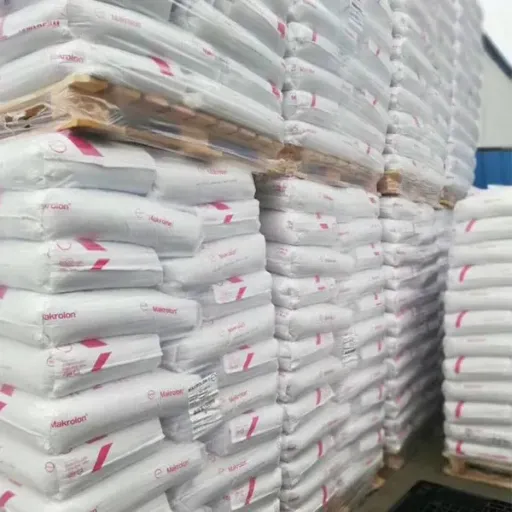
Understanding the fundamental differences between these processes is essential for selecting the right manufacturing path. The following comparison highlights the factors that most often drive the decision.
| Factor | Thermoforming | Injection Molding |
|---|---|---|
| Tooling cost | Low to moderate (2,000 to 20,000 USD typically) | Moderate to high (5,000 to 100,000+ USD) |
| Part cost at volume | Higher per-unit cost | Lower per-unit cost at scale |
| Ideal volume range | 250 to 10,000 units annually | 5,000 to millions of units annually |
| Design complexity | Limited; external features only | High; internal and external features |
| Tolerance capability | Moderate (+/- 0.5 mm typical) | Tight (+/- 0.1 mm or better) |
| Wall thickness consistency | Varies; thinner at corners and draws | Highly consistent |
| Material range | Sheet-grade thermoplastics | Broad; virtually all thermoplastic pellets |
| Part size | Excellent for large parts | Economical up to moderate sizes |
| Lead time for tooling | 2 to 6 weeks typically | 8 to 16 weeks typically |
| Surface detail | Good with pressure forming | Excellent; reproduces fine mold texture |
The most decisive factor for most manufacturers is the intersection of volume and design complexity. Thermoforming excels when part geometry is simple, volumes are low to moderate, and tooling budgets are constrained. Injection molding becomes the clear choice when parts require internal features, tight tolerances, or production runs exceeding approximately 5,000 units per year.
Want to understand which material properties matter most for your chosen process? Download our material selection guide or speak with our technical team for application-specific recommendations.
Material Considerations for Each Process
Material selection cannot be separated from process selection. Thermoforming and injection molding use different material forms, and not all grades translate directly between the two.
Materials for Thermoforming
Thermoforming consumes extruded sheets, which means the base resin must possess the melt strength and sag resistance to hold uniform thickness during heating and forming. Common choices include:
ABS: The dominant material for thermoformed enclosures, appliance panels, and automotive interior trim. ABS offers excellent impact resistance, surface gloss, and ease of forming. Shanghai Wenqin supplies ABS pellet grades suitable for sheet extrusion feedstock. View our ABS resin grades.
PC: Used when transparency or high impact strength is required. Polycarbonate sheets form well but require precise temperature control to avoid optical distortion. Explore our PC polycarbonate range.
PP and PE: Cost-effective options for packaging, industrial liners, and chemical-resistant applications. PP homopolymer and copolymer sheets offer good chemical resistance and flexibility. Browse our PP grades and PE portfolio.
PMMA: Capped sheets and pure acrylic sheets deliver exceptional clarity and weatherability for lighting diffusers, signage, and display applications. Learn about our PMMA grades.
Sheet extrusion from pellet feedstock adds an intermediate processing step. Manufacturers who buy finished sheets rely on extruders to control thickness tolerance, cap layer adhesion, and stress levels that affect forming behavior.
Materials for Injection Molding
Injection molding directly consumes pelletized resins, giving manufacturers direct control over material selection and lot traceability. Shanghai Wenqin Plastics supplies injection molding grades across the full spectrum of engineering and commodity plastics:
ABS and PC: General-purpose, high-impact, flame-retardant, and high-heat grades for electronics, appliances, and automotive lighting.
PA6 and PA66: Unfilled, glass-filled, and heat-stabilized grades for automotive under-hood components, electrical connectors, and industrial parts. See our PA66 grades.
POM: Homopolymer and copolymer grades for precision gears, conveyor components, and fuel system parts requiring low friction and high stiffness.
PBT: Glass-filled and flame-retardant grades for electrical connectors, sensors, and ignition components.
Modified plastics and alloys: Custom-compounded grades such as PC/ABS blends that balance properties for demanding applications. Discover our modified plastics capabilities.
The direct use of pellets in injection molding simplifies material qualification. Manufacturers can test pellet lots, verify melt flow index and mechanical properties against Technical Data Sheets, and trace batch quality directly to the supplier. This is why injection molding often suits applications requiring rigorous quality documentation, such as automotive PPAP submissions or medical device material qualifications.
When Marcus, an appliance manufacturer in Turkey, shifted his refrigerator liner production from thermoformed PP sheets to injection molded PP, the decision hinged on more than cost. At 80,000 units annually, the per-part savings from injection molding justified the mold investment within seven months. More importantly, injection molding delivered consistent wall thickness that eliminated the weak points where thermoformed corners had occasionally cracked during shipping. The molded ribs also integrated mounting features that previously required separate adhesive-backed clips. The material remained PP copolymer, but the process change transformed the part's performance and assembly efficiency.
Cost and Volume: Matching Process to Production Needs
The economics of thermoforming vs injection molding follow predictable curves that every procurement manager should model before committing to tooling.
Tooling Economics
Thermoforming molds cost less because they are typically single-sided, machined from aluminum or epoxy, and do not require the complex core-cavity matching of injection molds. Simple vacuum forming tools can cost as little as 2,000 to 5,000 USD. Pressure forming tools with textured surfaces and more sophisticated cooling may reach 10,000 to 20,000 USD.
Injection molds demand hardened steel or aluminum matched pairs with cooling channels, ejector systems, and precise alignment. A simple single-cavity mold for a small part might start at 5,000 to 10,000 USD. Complex multi-cavity molds with hot runner systems, slides, and lifters can exceed 100,000 USD.
Per-Part Economics
Thermoforming offers lower startup costs but higher per-part costs. Cycle times are longer, material utilization is lower due to trim scrap, and labor for secondary trimming adds expense. At volumes below approximately 5,000 units annually, thermoforming usually wins on total cost.
Injection molding delivers lower per-part costs at volume. High-speed machines, automated part removal, and minimal secondary operations drive unit costs down. The break-even point varies by part size and complexity, but for most small-to-medium components, injection molding becomes cost-competitive between 5,000 and 10,000 units annually and increasingly dominant thereafter.
Hidden Costs
Thermoforming generates trim scrap that must be recycled or discarded. While many sheet materials are recyclable, the logistics of collection and reprocessing add cost. Injection molding generates sprue, runners, and gate scrap, but these are typically ground and reused inline, minimizing waste cost.
Secondary operations also differentiate the processes. Thermoformed parts often require CNC trimming, hole punching, or edge finishing. Injection molded parts frequently emerge ready for assembly, with holes, threads, and features molded in.
Ready to compare material costs for your projected volume? Request a quotation for the pellet grades your process requires. Our team can provide pricing for both sheet extrusion feedstock and direct injection molding compounds.
Common Selection Mistakes and How to Avoid Them
Even experienced manufacturers occasionally select the wrong process, leading to cost overruns, quality issues, or delayed launches. The following mistakes appear frequently in procurement and engineering evaluations.
Choosing based solely on tooling budget. A low tooling quote seduces teams into thermoforming parts that fundamentally require injection molding complexity. When redesigns become necessary, the combined cost of two tooling cycles and delayed production far exceeds the initial mold investment. Model the total cost of ownership over the product lifecycle, not just the first invoice.
Ignoring wall thickness requirements. Thermoforming cannot produce consistent thin walls or complex internal ribs. If your part requires structural features, consistent thickness, or tight weight targets, injection molding is almost certainly the correct path.
Overestimating thermoforming tolerance capability. Parts requiring tight mating with other components, precision holes, or consistent dimensions across lots will frustrate thermoforming's inherent variability. Injection molding provides the repeatability that precision assembly demands.
Specifying injection molding for extremely low volumes. David, a startup founder in the United Kingdom, initially sought injection molded PC housings for a 500-unit pilot run of his industrial sensor product. The 38,000-pound mold quote consumed nearly 20% of his initial production budget. After reviewing his design, our technical team recommended pressure-formed PC sheets with post-machined openings. Tooling dropped to 4,200 pounds. The parts met all functional requirements, and David preserved capital for the higher-volume injection mold once annual orders exceeded 10,000 units.
Neglecting material form in supplier discussions. If you plan to thermoform, confirm whether your material supplier provides sheet stock or pellet feedstock. If you injection mold, verify that your supplier offers the specific grade with the melt flow index and additive package your application demands. Shanghai Wenqin Plastics provides detailed Technical Data Sheets for all pellet grades, supporting both direct molding and sheet extrusion applications.
Conclusion
Thermoforming and injection molding each serve distinct manufacturing needs. Thermoforming delivers economical tooling, fast lead times, and excellent suitability for large, simple parts at low to moderate volumes. Injection molding provides precision, complexity, tight tolerances, and superior economics at scale. The choice between them depends on production volume, part geometry, tolerance requirements, and total cost of ownership.
Before finalizing your process decision, review these key takeaways:
Select thermoforming for simple geometries, large parts, low-to-moderate volumes, and limited tooling budgets.
Select injection molding for complex features, tight tolerances, high volumes, and applications demanding consistent lot-to-lot quality.
Match material form to process: sheets for thermoforming, pellets for injection molding.
Model total cost over the product lifecycle, including tooling, per-part cost, scrap, and secondary operations.
Engage your material supplier early to confirm grade availability, processing guidance, and documentation support.
At Shanghai Wenqin Plastics, we supply the engineering plastics that power both processes. Whether you need ABS or PC pellet feedstock for sheet extrusion, or precision injection molding grades of PA66, POM, PBT, and modified compounds, our technical team supports your material selection with application expertise and complete documentation. Contact our technical team for process-specific material recommendations, or request a quotation for your engineering plastic requirements.
Recently Posted
-
How to Choose the Right Engineering Plastics Distributor for Your Manufacturing Supply Chain
June 12, 2026When a production line at a German automotive tier-1 supplier ground to a halt last year, the cause was not equipment failure or l Read More
 -
The Plastic Extrusion Process: A Complete Technical Guide for Manufacturers
June 12, 2026When the quality team at a window profile plant in Poland measured wall thickness drift on their PVC line last spring, the culprit Read More
 -
How to Choose an Engineering Plastics Supplier That Protects Your Production Line
June 10, 2026Last March, a tier-2 automotive supplier in Stuttgart received a shipment of PA66 GF30 that looked identical to every batch before Read More
 -
How Long Does Plastic Last? A Materials Engineer's Guide to Polymer Lifespan
June 10, 2026A single polyethylene grocery bag can persist in a landfill for 500 years, yet the same material inside your refrigerator's in Read More

Contact Us
Recommended Products
-
 POM GF-10 Glass-Fiber Reinforced Resin Pellets for Industrial GearsNegotiableMOQ: 1 Kilogram
 -
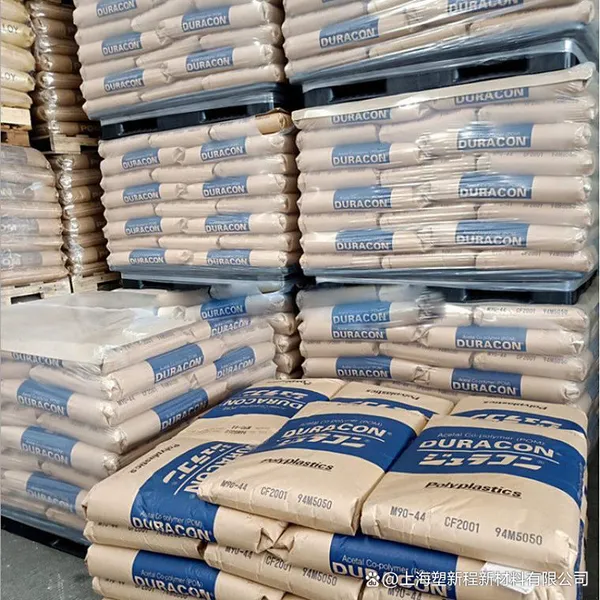
Duracon POM SW-01 Granules - High-Performance Copolymer Resin for Industrial UseNegotiableMOQ: 1000 Kilograms
-
Basel Origin PP 4160/HP500N General Purpose Injection Molding Homopolymer Polypropylene PP PelletsNegotiableMOQ: 1000 Kilograms
-
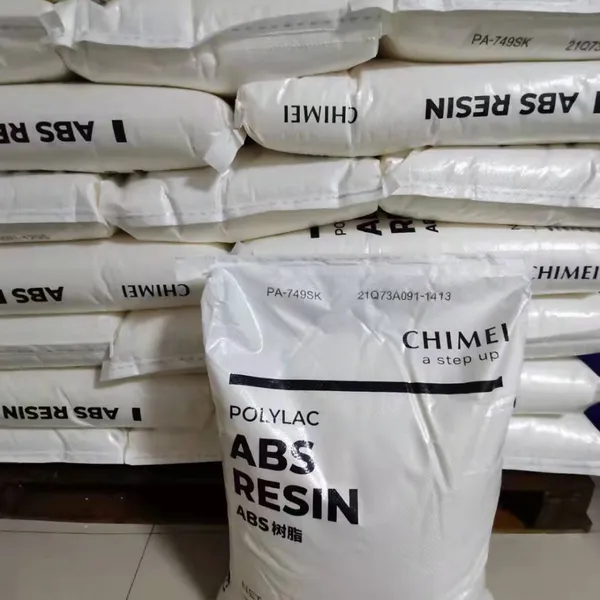
Chimei ABS Resin D-1200 for Electronic Enclosures With Flame Retardant PropertiesNegotiableMOQ: 1 Kilogram
-
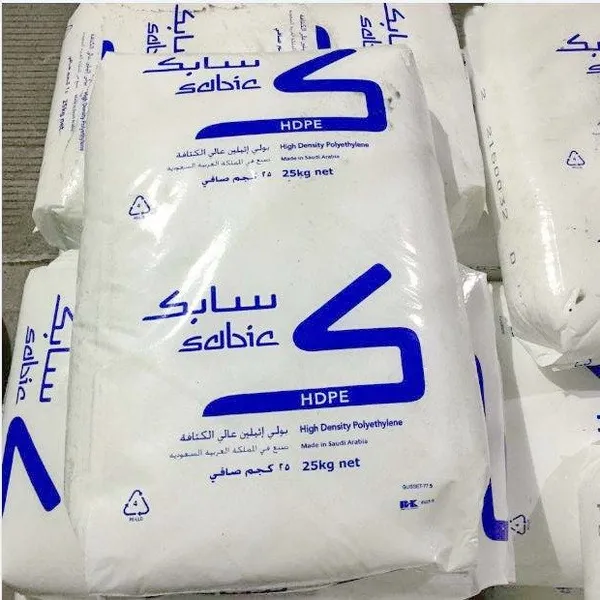
HDPE Film Grade Hta-001 Injection for High Strength ToughnessNegotiableMOQ: 1 Kilogram
-
High‑Heat‑Resistant Optical‑Grade Polycarbonate PC Resin Teijin SP‑1516 for Camera Lens ManufacturingNegotiableMOQ: 1 Kilogram
-
PC Resin Covestro 1803 With High Impact Resistance for Automotive PartsNegotiableMOQ: 25 Kilograms
-
General Purpose ABS GP-22 From Ineos Ideal for Daily Consumer Goods and Common Injection PartsNegotiableMOQ: 1 Kilogram
-
Celanese DuPont Precision XGC-25 DuPont Injection Molding Plastic Products POMNegotiableMOQ: 1 Kilogram
-
High Impact ABS Plastic Granules HI-121H Industrial Raw MaterialNegotiableMOQ: 1 Kilogram

-
Sinopec PP N-T30S Virgin Wire Drawing Grade Polypropylene GranulesNegotiableMOQ: 1 Kilogram
-
POM F10-03H With High Impact Resistance for Automotive Fuel System ComponentsNegotiableMOQ: 1 Kilogram
-
General Impact Grade ABS PA 737 Fit for Mass Production Daily Plastic and Office Supply PartsNegotiableMOQ: 1 Kilogram
-
366-5 PP Resin Granules With High Impact Strength for Industrial UseNegotiableMOQ: 1 Kilogram
-
PP Granules 3009 - Flame Retardant PP Compound for Electrical Components, UL94 V-2 RatedNegotiableMOQ: 1 Kilogram
-
PC-115P Polycarbonate Resin for 3D Printing Filaments With Low WarpageNegotiableMOQ: 1 Kilogram
-
Low‑Temperature Impact PP Pellets K4750 Modified Copolymer for Automotive BumpersNegotiableMOQ: 1 Kilogram
-
Chimei ABS Resin D-2200 for Luggage and Travel Cases With High RigidityNegotiableMOQ: 1 Kilogram
-
Natural Color Delrin POM M90NAT Celanese DuPont Virgin Resin Raw MaterialNegotiableMOQ: 1 Kilogram
-
FMA016 HDPE Grade for Large-Diameter Corrugated Pipe ProductionNegotiableMOQ: 1 Kilogram