
 Business License
HDPE Pipe Specifications: A Complete Guide to PE80 and PE100 Grades
In 2019, a municipal water contractor in Southeast Asia replaced 12 kilometers of aging cast iron pipeline with what they believed was premium HDPE pipe. Within 18 months, sections began deforming under operational pressure. The root cause was not manufacturing error or installation fault. The resin specified was a general-purpose HDPE grade with a Minimum Required Strength (MRS) of 6.3 MPa, insufficient for the 10-bar operating pressure the system demanded. The replacement cost exceeded $400,000, a painful lesson in why HDPE pipe specifications matter down to the resin grade.
If you specify, procure, or manufacture polyethylene pressure pipe, you already know that "HDPE" is not a single material. It is a family of resins with dramatically different performance profiles. Selecting the wrong grade introduces risks ranging from premature failure to regulatory non-compliance. This guide explains the key HDPE pipe specifications that determine performance, compliance, and service life, with practical guidance for specifying PE80, PE100, and specialty pipe grades.
You will learn how MRS classifications translate to real-world pressure ratings, the difference between PE80 and PE100 at the molecular level, which standards govern pipe grade HDPE, and how to verify that your resin supplier delivers what your application requires.
Understanding HDPE Pipe Grade Classification
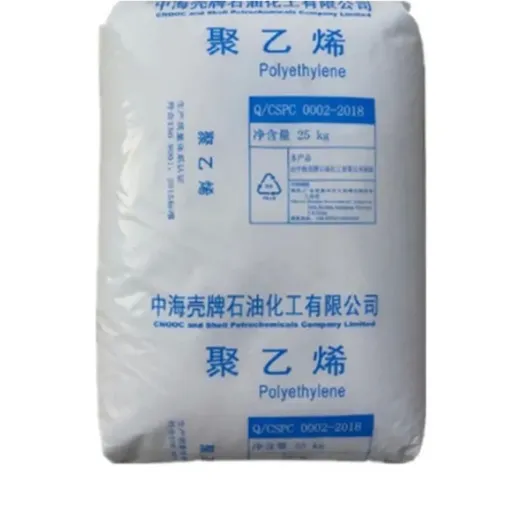
Not all high-density polyethylene is suitable for pipe applications. Pipe grade HDPE must meet stringent requirements for long-term hydrostatic strength, resistance to slow crack growth, and processing stability during extrusion. These requirements separate commodity HDPE grades from engineered pipe resins.
The MRS System: Why It Defines Everything
The Minimum Required Strength (MRS) classification is the foundation of all HDPE pipe specifications. MRS represents the minimum predicted strength of the material after 50 years of continuous internal water pressure at 20°C, measured in megapascals (MPa). The classification derives from long-term hydrostatic stress regression testing per ISO 9080, where pipes are subjected to sustained pressure at multiple temperatures, and failure times are plotted to extrapolate 50-year performance.
Two MRS values dominate the pipe industry:
PE80: MRS of 8.0 MPa. Suitable for medium-pressure applications with moderate safety margins.
PE100: MRS of 10.0 MPa. Enables higher operating pressures, thinner pipe walls, and larger internal diameters for the same outer dimension.
The naming convention is intuitive. PE100 resins achieve 25% higher long-term strength than PE80, which directly translates to material savings and performance advantages in demanding installations.
Density and Molecular Weight Considerations
Pipe grade HDPE typically falls within a density range of 0.941 to 0.965 g/cm³. However, density alone does not determine pipe suitability. The critical parameter is the relationship between density, melt flow index (MFI), and molecular weight distribution.
PE80 resins generally exhibit:
Density: 0.941-0.948 g/cm³
Melt Flow Index (190°C/5 kg): 0.2-1.0 g/10min
Broader molecular weight distribution
Good balance of processability and mechanical properties
PE100 resins typically show:
Density: 0.948-0.955 g/cm³
Melt Flow Index (190°C/5 kg): 0.15-0.45 g/10min
Narrower molecular weight distribution with higher average molecular weight
Superior resistance to rapid crack propagation and slow crack growth
The lower MFI values in pipe grades reflect the high molecular weight needed for long-term creep resistance. While this makes extrusion more demanding than with injection molding grades, it is essential for decades of pressure-bearing performance.
PE80 vs. PE100: Specification Differences and Selection Criteria
When Viktor, a procurement manager for a European infrastructure contractor, evaluated resin options for a new gas distribution network, his team faced a familiar debate. PE80 offered proven performance and slightly lower material cost. PE100 promised thinner walls and higher pressure capacity. The decision hinged not on upfront price but on total installed cost and 50-year lifecycle performance.
This scenario plays out repeatedly in engineering offices worldwide. Understanding the specification differences enables informed selection.
Pressure Rating and Wall Thickness
PE100's higher MRS allows pipe designers to achieve the same pressure rating with a lower Standard Dimension Ratio (SDR). SDR is the ratio of pipe outer diameter to wall thickness. For a given pressure class, PE100 pipes use thinner walls than PE80 equivalents:
| Pressure Rating (PN) | PE80 SDR | PE100 SDR |
|---|---|---|
| PN10 (10 bar) | SDR 17 | SDR 21 |
| PN16 (16 bar) | SDR 11 | SDR 17 |
Thinner walls mean less material per meter, reduced weight for transportation and handling, and larger internal flow capacity for the same outer diameter. On large-diameter projects, these savings compound significantly.
Resistance to Slow Crack Growth
Slow Crack Growth (SCG) resistance determines how a pipe performs when subjected to localized stress concentrations over time. Point loads from backfill stones, scratches during installation, or manufacturing defects can initiate microcracks that propagate slowly under sustained stress.
PE100 resins formulated with modern bimodal catalyst technology demonstrate substantially improved SCG resistance compared to conventional PE80 grades. In full-notch creep testing (FNCT), premium PE100 grades achieve failure times exceeding 1,000 hours at elevated stress, compared to 100-300 hours for standard PE80. This directly correlates to safer long-term performance in buried applications where point loading is inevitable.
Rapid Crack Propagation Resistance
Rapid Crack Propagation (RCP) occurs when an impact or defect triggers a fast-running fracture that can travel hundreds of meters along a pressurized pipe. This failure mode is rare but catastrophic. PE100 grades generally exhibit superior RCP resistance due to their higher molecular weight and optimized toughness. For gas distribution and high-pressure water applications, RCP testing per ISO 13477 or ASTM F2231 is a critical specification requirement.
When to Specify PE80
Despite PE100's advantages, PE80 remains the right choice for several application categories:
Low-pressure water distribution where PN6 or PN10 ratings are sufficient
Irrigation systems with minimal pressure demands
Corrugated drainage pipe where structural stiffness, not pressure, is the primary requirement
Cost-sensitive projects where pressure requirements do not justify the PE100 premium
Small-diameter plumbing where wall thickness differences are negligible
When to Specify PE100
PE100 dominates modern pressure pipe applications for compelling reasons:
Gas distribution networks where safety margins and SCG resistance are paramount
High-pressure water mains operating at PN16 and above
Large-diameter pipelines where material savings offset grade price premiums
Directional drilling and trenchless installation where thinner, more flexible pipe reduces pull forces
Mining and industrial slurry applications requiring maximum durability
Want to understand how HDPE compares to other polyethylene grades for non-pipe applications? Our guide to HDPE material properties covers density, chemical resistance, and processing characteristics across the full polyethylene family.
Key Material Specifications and Standards
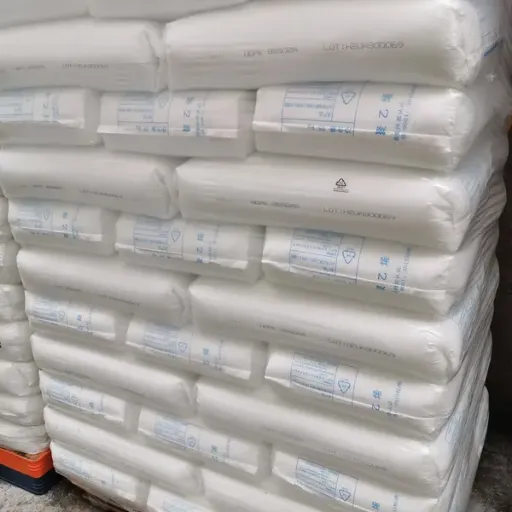
Pipe grade HDPE is governed by a web of international standards that define everything from raw material properties to finished pipe performance. Specifying and procuring resin without reference to these standards invites inconsistency and risk.
ISO 4427 and ISO 4437
ISO 4427 governs polyethylene pipes for water supply, while ISO 4437 addresses buried polyethylene pipes for fuel gas distribution. Both standards specify:
MRS classification requirements (PE80 or PE100)
Minimum long-term hydrostatic strength
Resistance to slow crack growth
Thermal stability during processing
Color and pigment dispersion (typically black with 2.0-2.5% carbon black for UV protection)
Compliance with these standards is not merely a certification exercise. It ensures that the resin performs predictably over decades of service.
ASTM D3350 and ASTM F714
In North American markets, ASTM D3350 classifies polyethylene plastics pipe and fittings materials using a cell classification system. The standard evaluates:
Density (Cell 1)
Melt index (Cell 2)
Flexural modulus (Cell 3)
Tensile strength at yield (Cell 4)
Slow crack growth resistance (Cell 5)
Hydrostatic design basis (Cell 6)
A typical pipe grade classification might read PE3408, where the digits indicate specific performance tiers within each cell. ASTM F714 then covers the dimensional specifications for finished HDPE pipe.
Color and UV Stabilization Specifications
Black pipe grade HDPE contains 2.0-2.5% carbon black by weight, finely dispersed to act as a UV stabilizer. Carbon black absorbs ultraviolet radiation that would otherwise degrade polymer chains at the pipe surface. Standards specify maximum carbon black agglomerate size, typically 20-30 microns, to ensure uniform protection without creating stress concentration points.
Non-black pipe grades for above-ground or specialty applications require alternative UV stabilizer packages, typically hindered amine light stabilizers (HALS) or UV absorbers. These must be specified separately and verified for long-term outdoor performance.
Processing and Extrusion Specifications
Even the highest-quality pipe grade HDPE fails if extrusion parameters are incorrect. Pipe manufacturers must control processing conditions to achieve the crystalline structure and molecular orientation that deliver specified mechanical properties.
Melt Temperature Control
Recommended range: 200-230°C
Typical setting: 210-220°C
Excessive melt temperatures degrade HDPE chains through thermal oxidation, reducing molecular weight and long-term strength. Visible signs include yellowing, increased MFI in finished pipe, and reduced hydrostatic test performance. Inadequate temperatures result in poor melt homogeneity, surface defects, and inadequate fusion in butt-welded joints.
Extrusion Speed and Cooling
Wall thickness uniformity depends on stable extrusion speed and controlled cooling rates. Rapid quenching creates small, uniform crystallites that improve toughness and slow crack growth resistance. Slow cooling produces larger spherulites that increase stiffness but reduce stress crack resistance. Modern pipe extrusion lines use calibrated vacuum cooling tanks with precisely controlled water temperature and flow.
Quality Control Testing
Reputable pipe manufacturers implement incoming resin inspection and finished pipe testing:
Incoming resin: MFI verification, density check, melt strength assessment
Dimensional verification: Outer diameter, wall thickness, ovality per ISO 3126
Hydrostatic pressure testing: Short-term testing at elevated pressure per ISO 1167
SCG resistance: Notched pipe testing for critical applications
Carbon black dispersion: Microscopic examination for uniformity
For manufacturers sourcing HDPE resin in bulk, consistency in melt flow index and density from lot to lot is essential. Variations force extrusion parameter adjustments that risk dimensional non-conformance or property degradation. Shanghai Wenqin Plastics supplies pipe grade HDPE with batch-to-batch consistency, complete Certificate of Analysis documentation, and technical support for extrusion parameter optimization.
Selecting the Right HDPE Pipe Grade for Your Application
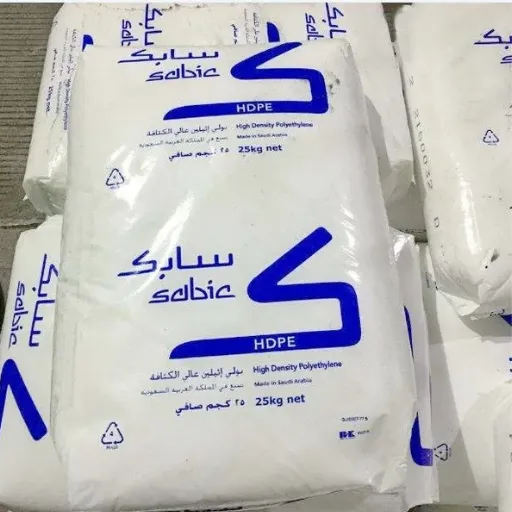
Application requirements drive grade selection beyond the basic PE80 versus PE100 decision. Specialty formulations address specific environmental and operational demands.
Potable Water Applications
Water contact grades must meet regulatory requirements for extractables and taste-and-odor performance. In the European Union, PE100 resins for potable water require WRAS (UK) or KTW-BWGL (Germany) approval. In North America, NSF/ANSI 61 certification is standard. These approvals confirm that the resin formulation, including stabilizers and carbon black, does not leach harmful substances at levels exceeding regulatory thresholds.
Gas Distribution Networks
Gas pipe specifications emphasize rapid crack propagation resistance and long-term creep performance under methane pressure. PE100-RC (Resistant to Crack) grades with enhanced SCG resistance are increasingly specified for gas applications. Yellow color coding is standard for gas distribution to distinguish from water pipes.
Mining and Industrial Slurry
Abrasive slurry applications demand maximum wear resistance. Higher molecular weight PE100 grades with enhanced abrasion resistance extend service life in tailings pipelines. Some applications specify PE100 with additional filler or modified molecular architecture to improve sliding abrasion performance.
Marine and Outfall Applications
Seawater exposure and biofouling create unique challenges. Pipe grades for marine outfalls require enhanced UV stabilization for surface exposure during installation and resistance to biological attack. PE100's superior strength enables long floating sections and deep submersion without excessive wall thickness.
Geothermal and Heating Applications
While standard HDPE pipe is rated for 20°C service, geothermal applications operate at 40-60°C continuously. At these temperatures, long-term strength degrades. PE100-RT ( Raised Temperature) grades with enhanced thermal stability maintain higher design stress at elevated temperatures, enabling HDPE use in underfloor heating and geothermal collection circuits.
Curious how HDPE pipe grades compare to polypropylene for fluid handling? Our HDPE vs. PP comparison examines chemical resistance, temperature capability, and cost considerations across both materials.
Common Specification Mistakes to Avoid
Even experienced engineers and procurement professionals make errors when specifying HDPE pipe resin. These mistakes carry expensive consequences.
Confusing Commodity HDPE with Pipe Grade
General-purpose HDPE for crates, bottles, or film lacks the molecular architecture for long-term pressure service. Using commodity grades in pipe extrusion violates every applicable standard and creates severe liability risk. Always verify that the resin designation explicitly references pipe grade compliance, not merely HDPE with similar density.
Ignoring the Difference Between Design Stress and MRS
MRS is a material property. Design stress is the allowable stress used in pipe dimensioning, calculated from MRS divided by a design coefficient (typically 1.25 for water, higher for gas). Confusing the two leads to overestimation of allowable operating pressure. PE100 with MRS 10.0 MPa has a design stress of 8.0 MPa, not 10.0 MPa.
Overlooking Slow Crack Growth Requirements
For decades, HDPE pipe was selected primarily on MRS and density. Modern understanding of SCG failure modes has shifted emphasis toward full-notch creep test performance. In trenchless installation, directional drilling, and rocky backfill conditions, SCG resistance matters more than marginal differences in tensile strength.
Neglecting Thermal Stability During Processing
Pipe grade HDPE contains antioxidant packages that protect the resin during extrusion. However, excessive regrind incorporation, overheating, or extended residence time in the extruder consumes antioxidant capacity. Processed material with degraded stabilizers shows reduced long-term hydrostatic strength even when virgin resin meets all specifications.
Sourcing Pipe Grade HDPE: What to Verify from Your Supplier
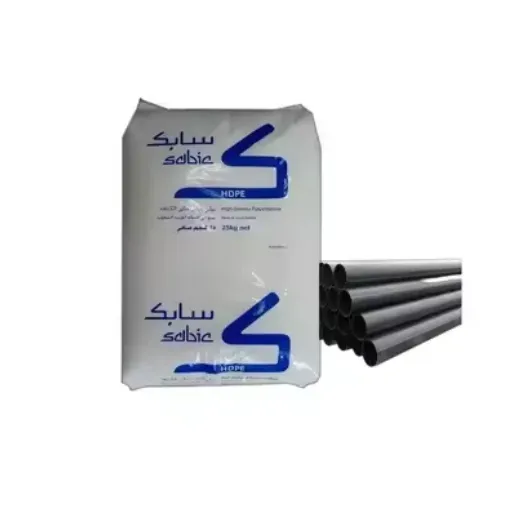
When a Turkish pipe manufacturer switched HDPE suppliers in 2022 to reduce material costs, their quality team noticed incoming lots showed MFI variations of 30% between batches. Extrusion parameters had to be adjusted weekly. Wall thickness consistency suffered, and hydrostatic test failure rates tripled. The root cause was inconsistent catalyst residue control and inadequate batch homogenization at the new supplier. Returning to a technically focused supplier resolved the issues within two production cycles.
This case illustrates why supplier selection for pipe grade HDPE demands technical verification, not just price comparison.
Documentation Requirements
Reputable suppliers provide:
Technical Data Sheet (TDS) with MRS classification, density, MFI, and mechanical properties
Certificate of Analysis (COA) per batch documenting actual test results against specification
Compliance certificates for ISO 4427, ISO 4437, or ASTM D3350 as applicable
Food contact or potable water approvals where required
Material Safety Data Sheet (MSDS/SDS) for regulatory compliance
Batch Consistency
Pipe extrusion lines run continuously for days on a single resin batch. Lot-to-lot variation in MFI or density forces parameter adjustments that introduce dimensional variation. Verify that your supplier maintains tight process control and provides COA data demonstrating consistency across multiple batches.
Technical Support
Material selection for complex applications benefits from supplier expertise. Suppliers who understand the difference between standard PE100 and PE100-RC, who can advise on extrusion temperature settings, and who respond to quality concerns with technical depth reduce your specification risk.
Export and Logistics Considerations
International pipe grade HDPE procurement requires attention to packaging, documentation, and lead times. Pipe grade resin is typically supplied in 25 kg moisture-barrier bags or bulk containers. For export orders, confirm that packaging withstands sea freight conditions without moisture ingress, which can cause surface defects during extrusion. Complete customs documentation, including COA and MSDS in the destination language, streamlines import clearance.
At Shanghai Wenqin Plastics, we supply PE80 and PE100 pipe grade HDPE with complete TDS, COA, and compliance documentation. Our technical team supports material selection for water, gas, and industrial pipe applications, and we maintain sufficient Shanghai inventory to support stable production schedules. Contact our team for a quotation or technical consultation on your pipe grade HDPE requirements.
Conclusion
HDPE pipe specifications extend far beyond density and melt flow index. The difference between a successful 50-year pipeline and a costly premature failure often traces back to MRS classification, slow crack growth resistance, and adherence to ISO or ASTM standards. PE80 remains relevant for low-pressure applications, while PE100 dominates modern pressure pipe design with its superior strength, thinner walls, and enhanced durability.
Key takeaways for specifying pipe grade HDPE:
Match MRS classification to operating pressure and safety requirements
Verify SCG resistance for buried and trenchless installations
Reference ISO 4427, ISO 4437, or ASTM D3350 in procurement specifications
Control extrusion parameters to preserve molecular integrity
Demand batch documentation and consistency from your resin supplier
Consider specialty grades (PE100-RC, PE100-RT) for demanding environments
The resin you specify today determines the infrastructure performance for decades. Working with a knowledgeable supplier who provides consistent quality, complete documentation, and technical support reduces risk and ensures that your HDPE pipe meets every specification it was designed to satisfy. Request a technical data sheet for our pipe grade HDPE resins or speak with our team about your specific application requirements.
Recently Posted
-
How to Choose the Right Engineering Plastics Distributor for Your Manufacturing Supply Chain
June 12, 2026When a production line at a German automotive tier-1 supplier ground to a halt last year, the cause was not equipment failure or l Read More
 -
The Plastic Extrusion Process: A Complete Technical Guide for Manufacturers
June 12, 2026When the quality team at a window profile plant in Poland measured wall thickness drift on their PVC line last spring, the culprit Read More
 -
How to Choose an Engineering Plastics Supplier That Protects Your Production Line
June 10, 2026Last March, a tier-2 automotive supplier in Stuttgart received a shipment of PA66 GF30 that looked identical to every batch before Read More
 -
How Long Does Plastic Last? A Materials Engineer's Guide to Polymer Lifespan
June 10, 2026A single polyethylene grocery bag can persist in a landfill for 500 years, yet the same material inside your refrigerator's in Read More

Contact Us
Recommended Products
-
 POM GF-10 Glass-Fiber Reinforced Resin Pellets for Industrial GearsNegotiableMOQ: 1 Kilogram
 -
Duracon POM SW-01 Granules - High-Performance Copolymer Resin for Industrial UseNegotiableMOQ: 1000 Kilograms
-
Basel Origin PP 4160/HP500N General Purpose Injection Molding Homopolymer Polypropylene PP PelletsNegotiableMOQ: 1000 Kilograms
-
Chimei ABS Resin D-1200 for Electronic Enclosures With Flame Retardant PropertiesNegotiableMOQ: 1 Kilogram
-
HDPE Film Grade Hta-001 Injection for High Strength ToughnessNegotiableMOQ: 1 Kilogram
-
High‑Heat‑Resistant Optical‑Grade Polycarbonate PC Resin Teijin SP‑1516 for Camera Lens ManufacturingNegotiableMOQ: 1 Kilogram
-
PC Resin Covestro 1803 With High Impact Resistance for Automotive PartsNegotiableMOQ: 25 Kilograms
-
General Purpose ABS GP-22 From Ineos Ideal for Daily Consumer Goods and Common Injection PartsNegotiableMOQ: 1 Kilogram
-
Celanese DuPont Precision XGC-25 DuPont Injection Molding Plastic Products POMNegotiableMOQ: 1 Kilogram
-
High Impact ABS Plastic Granules HI-121H Industrial Raw MaterialNegotiableMOQ: 1 Kilogram

-
Sinopec PP N-T30S Virgin Wire Drawing Grade Polypropylene GranulesNegotiableMOQ: 1 Kilogram
-
POM F10-03H With High Impact Resistance for Automotive Fuel System ComponentsNegotiableMOQ: 1 Kilogram
-
General Impact Grade ABS PA 737 Fit for Mass Production Daily Plastic and Office Supply PartsNegotiableMOQ: 1 Kilogram
-
366-5 PP Resin Granules With High Impact Strength for Industrial UseNegotiableMOQ: 1 Kilogram
-
PP Granules 3009 - Flame Retardant PP Compound for Electrical Components, UL94 V-2 RatedNegotiableMOQ: 1 Kilogram
-
PC-115P Polycarbonate Resin for 3D Printing Filaments With Low WarpageNegotiableMOQ: 1 Kilogram
-
Low‑Temperature Impact PP Pellets K4750 Modified Copolymer for Automotive BumpersNegotiableMOQ: 1 Kilogram
-
Chimei ABS Resin D-2200 for Luggage and Travel Cases With High RigidityNegotiableMOQ: 1 Kilogram
-
Natural Color Delrin POM M90NAT Celanese DuPont Virgin Resin Raw MaterialNegotiableMOQ: 1 Kilogram
-
FMA016 HDPE Grade for Large-Diameter Corrugated Pipe ProductionNegotiableMOQ: 1 Kilogram