
 Business License
Plastic Recycling Process: A Complete Guide for Manufacturers and Material Buyers
Over 400 million metric tons of plastic produced annually worldwide, according to the OECD Global Plastics Outlook. Only about 9% gets recycled. For manufacturers sourcing engineering plastics, that gap is an opportunity.
Recycled plastic resins are now a viable, cost-effective option for many applications. Understanding the plastic recycling process is no longer just about sustainability. It is a procurement strategy.
If you source ABS, PP, PE, or other thermoplastics, recycled grades affect your costs and supply chain. This guide breaks down the plastic recycling process step by step. It covers how different plastics are recycled and what engineers need to know before specifying recycled materials.
What Is the Plastic Recycling Process?
The plastic recycling process transforms post-consumer or post-industrial plastic waste into reusable raw material. Unlike paper or glass, plastics do not degrade in quality through a single recycling cycle. But each pass through the process does alter the polymer chain structure.
This means recycled plastic resins can have different mechanical properties than their virgin counterparts. For engineering applications, that difference matters.
At its core, the plastic recycling process involves collecting, sorting, cleaning, shredding, melting, and reforming plastic waste into pellets or granules ready for manufacturing. The specifics vary depending on the plastic type, the contamination level of the source material, and the intended end use of the recycled resin.
For manufacturers in the automotive, electronics, and appliance industries, recycled plastics offer a path to reduced material costs and improved sustainability credentials. However, sourcing recycled engineering plastics requires careful evaluation of quality consistency, property retention, and supplier reliability, the same standards you would apply to any material entering your production line.
Types of Plastic Recycling Methods
Not all recycling processes produce the same output. Three primary methods dominate the industry, each with distinct advantages and limitations for engineering plastic applications.
Mechanical Recycling
Mechanical recycling is the most common and widely established plastic recycling process. It physically transforms plastic waste into new pellets without altering the polymer's chemical structure.
The process works through these stages:
Collection and sorting: Post-consumer or post-industrial plastic waste is gathered and separated by resin type using manual sorting, near-infrared (NIR) sensors, or density-based flotation
Washing and cleaning: Sorted plastics are cleaned to remove labels, adhesives, food residue, and other contaminants that would degrade recycled resin quality
Shredding and grinding: Clean plastics are reduced to flakes or granules, increasing surface area for the melting stage
Melting and extrusion: Flakes are heated and extruded through a die to form molten plastic, then cooled and cut into pellets
Quality testing: Recycled pellets are tested for melt flow index (MFI), tensile strength, impact resistance, and color consistency
Mechanical recycling works well for thermoplastics like PP, PE, ABS, and PET. Each cycle slightly reduces molecular weight. That means lower impact strength and elongation at break.
For non-structural applications, mechanically recycled resins perform well. Think automotive interior trim, appliance housings, or packaging. For high-stress structural parts, virgin or blended grades are the safer choice. The Association of Plastic Recyclers provides guidance on design-for-recycling best practices.
Chemical Recycling
Chemical recycling breaks down plastic polymers into their original monomers or chemical building blocks, which can then be repolymerized into virgin-quality resin. This process addresses one of mechanical recycling's biggest limitations: property degradation.
Key chemical recycling technologies include:
Pyrolysis: Heating plastic waste in the absence of oxygen to produce pyrolysis oil, which can be refined into new plastic feedstock
Gasification: Converting plastic waste into syngas (carbon monoxide and hydrogen) for use as chemical feedstock
Solvent-based purification: Dissolving target plastics in selective solvents to separate them from contaminants and other materials, then recovering the purified polymer
Depolymerization: Breaking specific polymers (PET, PA6, PA66) back into their constituent monomers for repolymerization
Chemical recycling produces resins with properties comparable to virgin materials. This makes it particularly relevant for engineering plastic grades where mechanical performance is critical.
Take recycled PA66 from depolymerization, for example. It can achieve the same tensile strength and heat deflection temperature as virgin PA66. Mechanical recycling cannot guarantee that.
The trade-off is cost and scale. Chemical recycling remains more expensive than mechanical methods and operates at smaller volumes. However, capacity is expanding rapidly as automotive and electronics manufacturers commit to recycled content targets.
Energy Recovery
Energy recovery converts plastic waste into energy through incineration with heat capture. It is not true recycling in the material sense. But it plays a role in waste management. Plastics too contaminated or mixed for other recycling methods often end up here, representing a failure point in the plastic waste recycling chain.
For engineering plastics procurement, energy recovery is the least relevant option, as it destroys the material value entirely. The priority for manufacturers should be sourcing materials through mechanical or chemical recycling pathways that preserve polymer properties.
How Different Engineering Plastics Are Recycled
Not all plastics recycle equally. The process and outcome depend heavily on the polymer type, and understanding these differences helps procurement teams make informed decisions about recycled material sourcing.
ABS Recycling
ABS is widely recycled through mechanical processes. The cleanest feedstock comes from post-industrial scrap: runners, sprues, and rejected parts from injection molding. Post-consumer ABS from electronics housings needs more sorting and cleaning.
Recycled ABS retains good surface gloss and impact resistance, though properties may drop 10-20% compared to virgin material depending on the number of recycling cycles and contamination levels. For non-critical applications like internal brackets, non-structural housings, and automotive interior trim, recycled ABS resin performs well.
When sourcing recycled ABS, request a TDS with batch-specific data. MFI and impact strength are the best indicators of quality. For consistent molding, verify that the supplier provides lot-to-lot documentation. Hold them to the same standard you expect from any ABS supplier.
PP and PE Recycling
Polypropylene (PP) and polyethylene (PE, including HDPE and LDPE) are among the most recycled plastics globally. High production volumes and established collection infrastructure make PP and PE readily available for recycling. Mechanical recycling of PP and PE produces resins suitable for a wide range of non-critical applications.
Recycled PP is commonly used in automotive battery cases, industrial containers, and non-visible appliance components. Recycled HDPE finds applications in piping, crates, and outdoor furniture. The property retention in recycled PP and PE is generally good, with tensile strength and impact resistance declining moderately through each cycle.
For manufacturers sourcing PP or PE resin, recycled grades can offer significant cost advantages, often 20-40% below virgin pricing depending on market conditions. However, color consistency and contamination risk are higher with recycled grades, so incoming inspection protocols should include visual inspection and MFI testing at minimum.
PA6 and PA66 Recycling
Nylon recycling presents unique challenges due to PA6 and PA66's hygroscopic nature and sensitivity to thermal degradation. Moisture absorption during storage and processing can cause hydrolytic chain scission, which reduces mechanical properties in recycled grades.
Mechanical recycling of PA6 and PA66 works for clean, post-industrial scrap, particularly glass-filled grades like PA66 GF30 from automotive component production. However, the property retention is more variable than with ABS or PP, and recycled nylon grades typically show reduced tensile strength and impact resistance.
Chemical recycling through depolymerization is a more promising pathway for PA6 and PA66. PA6 can be depolymerized back to caprolactam and repolymerized into virgin-quality material. PA66 depolymerization to hexamethylenediamine and adipic acid is technically feasible but less commercially mature.
For automotive and electrical applications where PA66's heat deflection temperature and mechanical properties are critical, specifying recycled grades requires careful qualification. Request complete property data, conduct processing trials, and verify heat aging performance before committing to production use.
PC and PMMA Recycling
PC and PMMA are less commonly recycled than commodity plastics. But recycling infrastructure is growing. PC from automotive lighting, electronics housings, and water bottles can be mechanically recycled. The catch: PC is sensitive to moisture and needs thorough drying before reprocessing.
Recycled PMMA from display panels and lighting fixtures can be depolymerized back to methyl methacrylate monomer, producing virgin-quality material. This is one of the more successful chemical recycling examples in the engineering plastics space.
When sourcing recycled PC or PMMA for optical or lighting applications, verify light transmittance and haze values against virgin material specifications. Surface defects and yellowing are common quality issues in recycled transparent plastics.
Step-by-Step: The Industrial Plastic Recycling Process
For manufacturers evaluating recycled plastic suppliers, understanding the industrial-scale recycling process helps with supplier assessment and quality expectations.
Step 1: Feedstock Collection and Pre-Sorting
Industrial recyclers source feedstock from three main channels:
Post-industrial scrap: Clean waste from manufacturing operations (runners, sprues, trimmings, off-spec production). This is the highest-quality feedstock because the resin type and contamination level are known
Post-consumer waste: Used products collected through municipal recycling programs or take-back schemes. Requires more intensive sorting and cleaning
Pre-consumer waste: Scrap from plastic converters and processors that has not yet reached the end consumer
The quality of the feedstock directly determines the quality of the recycled resin. Suppliers with strong post-industrial scrap sourcing produce more consistent recycled grades.
Step 2: Sorting and Identification
Accurate sorting by resin type is critical. Mixing incompatible plastics during recycling produces resins with unpredictable properties and poor processing behavior.
Modern sorting facilities use:
Near-infrared (NIR) spectroscopy: Identifies polymer type by analyzing how the material absorbs near-infrared light
Density-based flotation: Separates plastics by density in water or salt solutions (e.g., PP and PE float; PVC and PET sink)
Manual sorting: Still used for large or easily identifiable items, and for removing non-plastic contaminants
X-ray fluorescence (XRF): Detects elements like chlorine (in PVC) or bromine (in flame-retardant plastics) that can contaminate recycling streams
For engineering plastics, contamination with PVC is a particular concern, as chlorine residues cause degradation and discoloration during reprocessing.
Step 3: Washing and Contaminant Removal
Sorted plastics undergo washing to remove surface contaminants. The washing process varies by feedstock:
Hot wash with detergent: Removes labels, adhesives, and food residue from post-consumer waste
Friction washing: High-speed scrubbing for heavily contaminated materials
Caustic wash: Alkaline solutions break down stubborn adhesives and organic residues
Rinsing and drying: Final cleaning step to remove wash chemicals and reduce moisture content
For hygroscopic engineering plastics like PA6, PA66, and PBT, drying after washing is critical. Residual moisture causes hydrolytic degradation during melting, reducing mechanical properties in the recycled resin.
Step 4: Size Reduction
Cleaned plastics are shredded or ground into flakes or granules. Size reduction increases surface area for more uniform melting and enables easier handling and feeding into extrusion equipment.
Typical output sizes:
Flakes: 10-20mm for direct use in some applications
Granules: 3-5mm for extrusion into pellets
Powder: Fine particles for specific applications like rotational molding
Step 5: Melting, Compounding, and Pelletizing
Shredded plastic is fed into an extruder where it is melted, homogenized, and forced through a die. The molten plastic emerges as strands that are cooled in a water bath and cut into pellets.
During this stage, recyclers may add:
Stabilizers: To compensate for degradation during previous processing cycles
Colorants: To achieve consistent color across batches
Coupling agents: To improve compatibility between recycled and virgin materials in blended grades
Reinforcing fillers: Glass fiber or mineral fillers may be added to restore or enhance mechanical properties
The resulting pellets are the final product that manufacturers purchase for their injection molding, extrusion, or blow molding operations.
Step 6: Quality Testing and Certification
Reputable recyclers test every batch for key properties before release:
Melt flow index (MFI): Indicates molecular weight and processing behavior
Tensile strength and elongation: Measures mechanical performance retention
Impact strength: Assesses toughness, which is often the first property to degrade in recycled plastics
Color consistency: Measured by spectrophotometer for visual applications
Moisture content: Critical for hygroscopic resins like PA6, PA66, and PBT
Contamination screening: Detects foreign materials, mixed resins, or chemical residues
Request certificates of analysis (COA) with these test results for every shipment of recycled resin you purchase.
Quality Considerations for Recycled Engineering Plastics
When evaluating recycled plastic resins for manufacturing applications, focus on these quality factors.
Property Retention Rates
Recycled plastics do not always match virgin material properties. Typical retention rates through one mechanical recycling cycle:
Tensile strength: 85-95% of virgin
Impact strength: 70-90% of virgin (most sensitive property)
Melt flow index: May increase (indicating molecular weight reduction)
Elongation at break: 75-90% of virgin
Heat deflection temperature: 90-98% of virgin
These figures vary significantly by polymer type, feedstock quality, and processing conditions. Glass-filled grades (like PA66 GF30 or PP GF30) tend to retain properties better than unfilled grades because the glass fiber reinforcement compensates for some polymer degradation.
Lot-to-Lot Consistency
The biggest quality challenge with recycled plastics is consistency. Virgin resin production controls molecular weight distribution, additive packages, and contamination levels precisely. Recycled resin production depends on variable feedstock quality.
When sourcing recycled engineering plastics, evaluate suppliers on:
Feedstock sourcing: Do they control their supply chain, or buy from open markets?
Incoming inspection: Do they test and sort feedstock before processing?
Batch testing: Do they test every batch and provide COA documentation?
Traceability: Can they trace recycled resin back to its feedstock source?
Blending Strategies
Many manufacturers use blends of recycled and virgin resin to balance cost savings with property requirements. Common blend ratios:
25% recycled / 75% virgin: Minimal property impact, modest cost savings
50% recycled / 50% virgin: Noticeable cost savings, acceptable for many non-critical applications
75% recycled / 25% virgin: Significant cost savings, requires careful qualification testing
Blending works particularly well for PP, PE, and ABS, where property degradation is gradual. For PA66 and PC, blending ratios should be determined through processing trials and mechanical testing. Our processing guidelines can help you establish baseline parameters for your trials.
How Manufacturers Can Source Recycled Plastics
When procurement manager Elena at a mid-sized automotive supplier in Germany first proposed switching 30% of their PP sourcing to recycled grades in 2024, her engineering team pushed back. They worried about property consistency. Six months later, after running processing trials on three batches from two different recyclers, the team found that recycled PP from post-industrial scrap maintained 92% of virgin tensile strength. The cost savings were 28%. The engineering team became the strongest advocates for expanding recycled content to their ABS grades as well.
If you are considering recycled engineering plastics for your supply chain, follow these sourcing guidelines.
Define Application Requirements
Before evaluating recycled grades, clearly define your requirements. Our material selection guide can help you match application needs to the right resin grade.
Minimum mechanical property requirements (tensile, impact, flexural)
Operating temperature range
Chemical exposure conditions
Surface quality and color requirements
Regulatory compliance needs (RoHS, REACH, FDA food contact)
Applications with tight tolerances, high mechanical loads, or strict regulatory requirements may need virgin or chemical-recycled grades rather than mechanically recycled alternatives.
Evaluate Supplier Capabilities
Not all recyclers produce engineering-grade output. Evaluate potential suppliers on:
Technical expertise: Do they understand polymer properties and processing?
Quality systems: ISO 9001 certification and documented QC processes
Testing capabilities: In-house lab for MFI, mechanical testing, and contamination screening
Documentation: TDS, MSDS/SDS, COA, and compliance certificates (RoHS, REACH)
Consistency track record: Request samples from multiple batches to evaluate lot-to-lot variation
Conduct Processing Trials
Always run processing trials before committing to recycled resin for production. Request a sample from your supplier to begin evaluation.
Mold test parts under your standard processing parameters
Evaluate flow behavior, surface quality, and dimensional stability
Test mechanical properties of molded parts against your specifications
Compare results alongside your current virgin material
Document any processing parameter adjustments needed
Recycled resins may require slightly different melt temperatures, injection pressures, or drying conditions compared to virgin grades.
A contract manufacturer in Vietnam learned this the hard way in early 2025. They sourced recycled ABS from a new supplier without running processing trials first. The first 500 parts looked fine. Then surface defects appeared, silver streaks caused by moisture in the recycled pellets that the supplier had not adequately dried. The rework cost them three weeks of production and a key customer relationship. The lesson: never skip incoming inspection and processing trials with recycled materials, no matter how attractive the price.
Establish Incoming Inspection
Implement incoming inspection for all recycled resin shipments:
Visual inspection: Color consistency, pellet uniformity, absence of contamination
MFI testing: Quick batch consistency check
Full mechanical testing: For critical applications, test tensile, impact, and flexural properties
Sample retention: Retain representative samples from each lot for reference
The Future of Plastic Recycling in Manufacturing
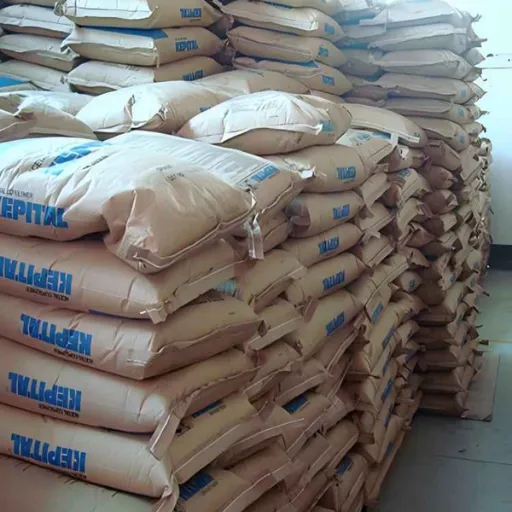
The recycled plastics landscape is evolving rapidly. Several trends are shaping how manufacturers will source and use recycled materials:
Automotive OEM commitments: Major automakers have set targets for recycled content in new vehicles, driving demand for recycled engineering plastics in under-hood and interior applications.
Chemical recycling scale-up: Investment in chemical recycling facilities is accelerating, particularly for PA6, PA66, and PET. This will improve the availability of virgin-quality recycled engineering grades.
Regulatory pressure: The European Union's proposed recycled content mandates for packaging and vehicles are creating compliance requirements that push manufacturers toward recycled material adoption.
Design for recyclability: Engineers are increasingly designing products with end-of-life recycling in mind, selecting material combinations that simplify future recycling. Plastic waste recycling infrastructure is expanding globally, driven by regulatory mandates and corporate sustainability targets.
For manufacturers sourcing engineering plastics, these trends mean recycled grades will become more available, more consistent, and more cost-competitive over time. Building evaluation capabilities and supplier relationships now positions your procurement team to take advantage of these developments.
Conclusion
The plastic recycling process has matured. Recycled engineering plastics are no longer limited to low-performance parts. Mechanical recycling offers cost savings for non-critical applications. Chemical recycling delivers virgin-quality material for demanding uses.
Understanding how ABS, PP, PE, PA6, PA66, PC, and PMMA are recycled helps you make informed sourcing decisions.
The key to successful adoption of recycled plastics lies in rigorous supplier evaluation, clear specification of minimum property requirements, and thorough processing trials. Lot-to-lot consistency and complete documentation (TDS, MSDS/SDS, COA) remain non-negotiable, whether you source virgin or recycled grades.
At Shanghai Wenqin Plastics, we supply a comprehensive range of engineering plastics including ABS, PC, PA6, PA66, POM, PP, PE, PBT, and PMMA. Our technical team can help you evaluate material options for your specific application, whether virgin or recycled grades best suit your requirements. Contact us to discuss your material needs or request a technical data sheet for any of our grades.
Recently Posted
-
Plastic Waste Solutions: A Manufacturing Guide to Recycled and Circular Materials
June 8, 2026Every year, global manufacturing generates over 400 million metric tons of plastic waste. Less than 10% of that material returns t Read More
 -
Sustainable Plastic Materials: A Practical Guide for Engineering Applications
June 8, 2026By 2030, the global market for recycled engineering plastics is projected to reach $47 billion, yet many manufacturers still hesit Read More
 -
Best Eco-Friendly Alternatives to Plastic: A Manufacturer's Guide to Sustainable Material Selection
June 8, 2026In March 2025, a product manager at a European appliance manufacturer received an ultimatum from his largest retail partner. By Q4 Read More
 -
Is Plastic Recyclable? What Every Manufacturer Needs to Know
June 5, 2026Last quarter, a procurement manager at a mid-sized automotive supplier in Ohio faced an unexpected problem. Her company had just l Read More

Contact Us
Recommended Products
-
 POM GF-10 Glass-Fiber Reinforced Resin Pellets for Industrial GearsNegotiableMOQ: 1 Kilogram
 -
Duracon POM SW-01 Granules - High-Performance Copolymer Resin for Industrial UseNegotiableMOQ: 1000 Kilograms
-
Basel Origin PP 4160/HP500N General Purpose Injection Molding Homopolymer Polypropylene PP PelletsNegotiableMOQ: 1000 Kilograms
-
Chimei ABS Resin D-1200 for Electronic Enclosures With Flame Retardant PropertiesNegotiableMOQ: 1 Kilogram
-
HDPE Film Grade Hta-001 Injection for High Strength ToughnessNegotiableMOQ: 1 Kilogram
-
High‑Heat‑Resistant Optical‑Grade Polycarbonate PC Resin Teijin SP‑1516 for Camera Lens ManufacturingNegotiableMOQ: 1 Kilogram
-
PC Resin Covestro 1803 With High Impact Resistance for Automotive PartsNegotiableMOQ: 25 Kilograms
-
General Purpose ABS GP-22 From Ineos Ideal for Daily Consumer Goods and Common Injection PartsNegotiableMOQ: 1 Kilogram
-
Celanese DuPont Precision XGC-25 DuPont Injection Molding Plastic Products POMNegotiableMOQ: 1 Kilogram
-
High Impact ABS Plastic Granules HI-121H Industrial Raw MaterialNegotiableMOQ: 1 Kilogram

-
Sinopec PP N-T30S Virgin Wire Drawing Grade Polypropylene GranulesNegotiableMOQ: 1 Kilogram
-
POM F10-03H With High Impact Resistance for Automotive Fuel System ComponentsNegotiableMOQ: 1 Kilogram
-
General Impact Grade ABS PA 737 Fit for Mass Production Daily Plastic and Office Supply PartsNegotiableMOQ: 1 Kilogram
-
366-5 PP Resin Granules With High Impact Strength for Industrial UseNegotiableMOQ: 1 Kilogram
-
PP Granules 3009 - Flame Retardant PP Compound for Electrical Components, UL94 V-2 RatedNegotiableMOQ: 1 Kilogram
-
PC-115P Polycarbonate Resin for 3D Printing Filaments With Low WarpageNegotiableMOQ: 1 Kilogram
-
Low‑Temperature Impact PP Pellets K4750 Modified Copolymer for Automotive BumpersNegotiableMOQ: 1 Kilogram
-
Chimei ABS Resin D-2200 for Luggage and Travel Cases With High RigidityNegotiableMOQ: 1 Kilogram
-
Natural Color Delrin POM M90NAT Celanese DuPont Virgin Resin Raw MaterialNegotiableMOQ: 1 Kilogram
-
FMA016 HDPE Grade for Large-Diameter Corrugated Pipe ProductionNegotiableMOQ: 1 Kilogram