
 Business License

Sustainable Plastic Materials: A Practical Guide for Engineering Applications
By 2030, the global market for recycled engineering plastics is projected to reach $47 billion, yet many manufacturers still hesitate to specify recycled grades for critical components. The hesitation is understandable. Procurement managers worry about inconsistent quality. Engineers question whether recycled PA66 or ABS can deliver the same tensile strength and heat resistance as virgin resin. Sustainability targets are clear, but production schedules and quality standards remain non-negotiable.
You are not alone in this tension. Most manufacturing organizations want to reduce environmental impact without compromising performance. The good news is that sustainable plastic materials have matured significantly over the past five years. Recycled engineering plastics now achieve property profiles within 5-10% of virgin grades for many applications. Bio-based polymers offer viable alternatives for specific use cases. And designing for circularity from the start reduces material waste before production even begins.
This guide provides a clear, technical overview of sustainable plastic materials relevant to automotive, electronics, and appliance manufacturing. You will learn how to evaluate recycled grades, when bio-based polymers make sense, and what questions to ask your supplier about sustainability claims. We will also cover practical strategies for designing components that support end-of-life recycling.
What Defines a Sustainable Plastic Material?
The term "sustainable plastic materials" encompasses several distinct categories, and understanding the differences is essential for informed specification. Not all eco-friendly plastics serve the same purpose, and choosing the wrong category for your application can lead to performance failures or unnecessary cost increases.
Recycled plastics reuse post-industrial or post-consumer material through mechanical or chemical recycling processes. Mechanical recycling, grinding, washing, and re-pelletizing, accounts for the majority of recycled engineering plastics today. Chemical recycling breaks polymers down to monomers or oligomers, enabling higher-quality output but at greater cost and energy input. For injection molding applications, mechanically recycled ABS, PP, and PC grades are increasingly available with documented property profiles.
Bio-based plastics derive all or part of their carbon content from renewable biomass sources rather than fossil fuels. Common feedstocks include corn starch, sugarcane, and cellulose. Bio-based does not necessarily mean biodegradable. A bio-based PET bottle, for example, contains identical molecular structure to petroleum-based PET and behaves the same way in recycling streams. Bio-based engineering grades like PA11 (from castor oil) and certain PLA compounds fall into this category.
Biodegradable and compostable plastics break down under specific environmental conditions, industrial composting facilities, soil, or marine environments. These materials serve niche applications such as agricultural films and single-use packaging. They rarely suit durable engineering applications because degradation kinetics conflict with product lifespan requirements.
Carbon-reduced or mass-balanced grades use attributed renewable feedstocks through mass-balance certification systems. The physical resin is identical to conventional grades, but the production process allocates renewable content. This approach maintains full performance while reducing cradle-to-gate carbon footprint. Major producers now offer mass-balanced PA66, PC, and ABS grades.
Life Cycle Thinking
True sustainability evaluation requires looking beyond the material itself to the complete life cycle. A bio-based polymer with high agricultural land-use requirements may have a larger overall environmental footprint than a mechanically recycled fossil-based grade. Similarly, a recyclable plastic in an unrecyclable product assembly defeats the purpose. Sustainable material selection balances sourcing, processing, use phase, and end-of-life considerations together.
Recycled Engineering Plastics: Performance You Can Verify
For procurement teams and materials engineers, the critical question about recycled engineering plastics is simple: will it perform? The answer depends on grade quality, recycling process control, and application requirements. When sourced from reputable suppliers with batch testing and certificate of analysis, recycled grades can meet demanding specifications.
Recycled ABS retains excellent impact resistance and processability for electronics housings, appliance panels, and automotive interior components. General-purpose recycled ABS achieves tensile strength of 38-45 MPa compared to 40-50 MPa for virgin grades. The difference is measurable but often acceptable for non-structural applications. High-impact recycled ABS grades are also available, though color consistency requires closer attention.
Recycled PC offers transparency and impact strength for lighting diffusers, electrical enclosures, and medical device components. Post-industrial recycled PC, sourced from manufacturing scrap rather than consumer waste, maintains particularly high quality because feedstock contamination is minimal. Recycled PC typically achieves light transmittance of 85-88% versus 88-90% for virgin optical grades.
Recycled PA6 and PA66 present greater challenges due to moisture sensitivity and thermal degradation during reprocessing. Each heat history reduces molecular weight, which affects melt viscosity and mechanical properties. However, stabilized recycled nylon grades with added chain extenders can achieve 85-90% of virgin properties. These grades suit select automotive interior and industrial applications where extreme heat resistance is not required.
Recycled PP performs well in automotive bumpers, appliance housings, and industrial containers. Polypropylene tolerates multiple reprocessing cycles better than many engineering polymers. Recycled homopolymer and copolymer PP grades are widely available with consistent melt flow index and tensile properties.
Verification Best Practices
When evaluating recycled engineering plastics, request the same documentation you would for virgin grades: Technical Data Sheet, Certificate of Analysis per batch, and compliance certificates. Additional questions to ask your supplier include:
What is the recycled content percentage, and is it post-industrial or post-consumer?
How many heat histories has the material experienced?
What quality control testing is performed on each batch?
Are property deviations from virgin grade documented and within acceptable ranges?
Mini-Story: When Elena Garcia, a procurement manager at a Spanish automotive tier-1 supplier, first evaluated recycled PA66 GF30 for an interior structural bracket, her quality team pushed back. The recycled grade showed a tensile strength of 165 MPa versus 180 MPa for virgin material. Elena worked with her injection molding partner to redesign the bracket with slightly thicker walls in high-stress areas. The component passed all validation tests, reduced material cost by 12%, and met her OEM customer's recycled content target. The key was treating the recycled grade as a distinct material with its own design envelope rather than a direct drop-in substitute.
Bio-Based Polymers: Applications and Limitations
Bio-based polymers generate significant interest from brands seeking renewable content claims. For engineering applications, however, the practical reality is more nuanced. Only a subset of bio-based grades currently meets the performance requirements of automotive, electronics, and industrial manufacturing.
PA11 (Polyamide 11) derives from castor oil and offers excellent chemical resistance, low moisture absorption compared to PA6 and PA66, and good dimensional stability. It serves fuel system components, hydraulic hoses, and select electrical connectors. The material handles continuous temperatures up to 125°C and resists hydrocarbons better than many fossil-based alternatives. However, PA11 costs significantly more than PA6 or PA66 and has limited global supply.
Bio-based PA410 and PA510 blend renewable content with performance closer to conventional engineering nylons. These grades suit automotive under-hood applications where moderate heat resistance and fuel compatibility are required. Availability remains limited compared to mainstream PA66.
PLA (Polylactic Acid) dominates consumer packaging and disposable applications but struggles in durable engineering contexts. Its heat deflection temperature of 55-60°C and brittleness without modification exclude it from most automotive and electronics applications. Modified PLA compounds with mineral fillers and impact modifiers extend applicability to select indoor consumer products.
Bio-based PC and ABS exist primarily through mass-balance attribution rather than direct biochemical synthesis. These grades perform identically to conventional counterparts because the polymer structure is the same. They offer the easiest pathway to renewable content in high-performance applications without reformulation or requalification.
When Bio-Based Makes Sense
Bio-based polymers add value when your customer or regulatory environment specifically requires renewable content, when the application suits the unique properties of a particular bio-based grade, or when carbon footprint reduction is prioritized over material cost. For most general engineering applications, mechanically recycled fossil-based grades currently offer better cost-performance balance than bio-based alternatives.
Mini-Story: The design team at a German electronics manufacturer faced a mandate to increase renewable material content across their product line. Their initial attempt to replace PC/ABS housings with a bio-based alternative resulted in cracking during drop testing. After consulting their material supplier, they switched to a mass-balanced PC/ABS grade instead. The physical properties remained unchanged, so no requalification was needed. The product maintained UL94 V-0 flame retardancy, passed all impact tests, and satisfied the renewable content requirement through certified mass-balance documentation.
Designing for Circularity: Material Selection Strategies
The most impactful sustainability decisions happen during product design. Selecting a recyclable material is only the beginning. Design choices determine whether that material actually gets recovered at end of life.
Mono-material design simplifies recycling by eliminating dissimilar materials that contaminate reprocessing streams. A housing designed entirely from ABS is easier to recycle than one combining ABS, PC, and metal inserts. Where multi-material performance is unavoidable, consider compatible polymer combinations such as PC/ABS alloys that can be recycled together, or design for easy disassembly to separate incompatible materials.
Material marking and identification support downstream sorting. The ASTM D7611 resin identification coding system helps recyclers identify polymer types. Including markings on molded parts, even internal components, improves recovery rates in regions with automated sorting infrastructure.
Color selection affects recyclability. Black plastics are notoriously difficult for near-infrared sorting systems to identify. Specifying natural or light-colored grades where appearance permits increases the probability that end-of-life material enters recycling streams rather than landfill or incineration.
Additive choices matter. Certain flame retardants, stabilizers, and colorants can contaminate recycling streams or create hazardous byproducts during reprocessing. Halogen-free flame retardant systems generally present fewer recycling challenges than halogenated alternatives. When specifying additives, consider their fate during mechanical recycling.
Processing Considerations
Sustainable plastic materials often require adjusted processing parameters. Recycled grades may have broader melt flow index ranges due to feedstock variability. Bio-based grades can exhibit different shrinkage characteristics. Before production trials, review processing guidelines specific to the sustainable grade rather than applying virgin material parameters unchanged.
Mini-Story: Marcus Chen, a process engineer at an injection molding company in Vietnam, noticed elevated scrap rates when his team first ran recycled PP for appliance housings. The material flowed differently than virgin PP, causing short shots in thin-wall sections. Rather than reverting to virgin resin, Marcus adjusted melt temperature from 220°C to 230°C and increased injection speed by 15%. The changes accommodated the recycled grade's viscosity profile. Scrap rates returned to normal, and the customer saved 8% on material costs across a 200-ton annual program.
Evaluating Supplier Sustainability Claims
Not all sustainability claims withstand scrutiny. Greenwashing, exaggerated or misleading environmental claims, is common in the plastics industry. Procurement teams need frameworks for evaluating supplier assertions about recycled content, bio-based percentages, and carbon footprint reductions.
Request third-party certifications for recycled content and bio-based claims. Relevant standards include:
ISO 14021 for environmental labels and declarations
UL 2809 for recycled content validation
ASTM D6866 for bio-based content testing
ISCC PLUS for mass-balance chain of custody
Verify documentation consistency. A supplier claiming 50% post-consumer recycled content should provide certificates that trace back to recognized certification bodies. Vague statements like "eco-friendly formulation" or "green grade" without supporting documentation should raise flags.
Ask about quality management for recycled grades. Recycled material inherently involves more feedstock variability than virgin resin. Reputable suppliers implement incoming inspection, batch blending protocols, and property testing to deliver consistent output. Ask specifically about quality control procedures, not just final test results.
Understand traceability limitations. True post-consumer recycled engineering plastics remain limited in volume compared to post-industrial sources. If a supplier offers large volumes of post-consumer recycled PA66 or PC at conventional pricing, skepticism is warranted. Post-industrial recycled content is more readily available and typically offers more predictable quality.
Shanghai Wenqin Plastics Approach
At Shanghai Wenqin Plastics, we provide transparent documentation for all sustainable plastic materials in our portfolio. Our recycled ABS, PP, and select PC grades include batch-specific Certificates of Analysis documenting melt flow index, tensile strength, and impact properties. For customers requiring certified renewable content, we can discuss mass-balanced grade availability and supply chain documentation. Contact our technical team to review sustainable options aligned to your application requirements.
The Future of Sustainable Plastics in Manufacturing
The sustainable plastics landscape continues to evolve rapidly. Several developments will shape material availability and specification practices over the next five years.
Chemical recycling scale-up promises to address quality limitations of mechanical recycling by breaking polymers down to virgin-equivalent raw materials. Commercial chemical recycling capacity for PS, PET, and mixed plastics is expanding, though engineering polymer-specific chemical recycling remains limited and expensive. As capacity grows, expect broader availability of high-quality recycled engineering grades at competitive pricing.
Advanced sorting and purification technologies improve post-consumer plastic quality. AI-powered sorting systems, advanced washing processes, and solvent-based purification are raising the performance ceiling for mechanically recycled materials. These technologies particularly benefit polyolefin and ABS recycling streams.
Regulatory pressure is intensifying. The European Union's Packaging and Packaging Waste Regulation, extended producer responsibility schemes, and recycled content mandates for automotive and electronics sectors are creating market pull. Manufacturers serving European or California markets should prepare for mandatory recycled content requirements in specific product categories.
Carbon accounting transparency is becoming standard. Major OEMs now request Scope 3 emissions data from suppliers, including material carbon footprints. Suppliers who can provide product-level carbon footprint data for conventional, recycled, and bio-based grades will have competitive advantage.
Preparing Your Organization
Start by auditing current material specifications for applications where recycled or bio-based alternatives could substitute without functional compromise. Non-structural housings, interior trim, and industrial containers often present the lowest-risk opportunities. Engage your injection molding partners early to evaluate processing adjustments. And establish clear sustainability criteria, recycled content percentage, carbon reduction target, or certification requirements, before approaching suppliers.
Conclusion
Sustainable plastic materials are no longer experimental alternatives. Recycled ABS, PP, and PC grades deliver proven performance for demanding applications. Bio-based polymers serve specific niches where their properties align with requirements. And designing for circularity from the outset maximizes the environmental benefits of any material choice.
The key takeaways for manufacturers are clear:
Recycled engineering plastics can achieve 90-95% of virgin properties for many applications when sourced from quality-controlled suppliers.
Bio-based polymers suit select applications but are not universal drop-in replacements for fossil-based engineering grades.
Design decisions, mono-material construction, color choice, and additive selection, determine whether sustainable materials actually get recovered at end of life.
Supplier sustainability claims require verification through recognized certifications and batch documentation.
Sustainability and performance are not mutually exclusive. They require informed material selection, realistic performance expectations, and partnership with suppliers who understand both technical requirements and environmental objectives.
At Shanghai Wenqin Plastics, we supply recycled and conventional engineering plastics, including ABS, PC, PA6, PA66, POM, PP, PE, PBT, and PMMA, with complete technical documentation and application support. Whether you are evaluating recycled content for an existing product or designing a new component for circularity, our technical team provides material selection guidance tailored to your performance and sustainability requirements. [Request a quotation] or [contact our team] to discuss sustainable plastic materials for your next project.
Recently Posted
-
How to Choose the Right Engineering Plastics Distributor for Your Manufacturing Supply Chain
June 12, 2026When a production line at a German automotive tier-1 supplier ground to a halt last year, the cause was not equipment failure or l Read More
 -
The Plastic Extrusion Process: A Complete Technical Guide for Manufacturers
June 12, 2026When the quality team at a window profile plant in Poland measured wall thickness drift on their PVC line last spring, the culprit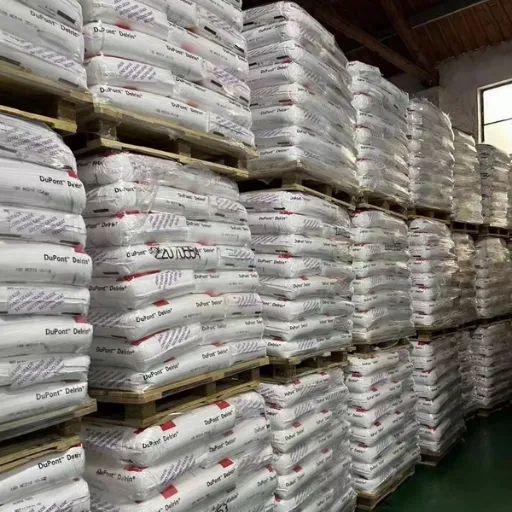 Read More
 -
How to Choose an Engineering Plastics Supplier That Protects Your Production Line
June 10, 2026Last March, a tier-2 automotive supplier in Stuttgart received a shipment of PA66 GF30 that looked identical to every batch before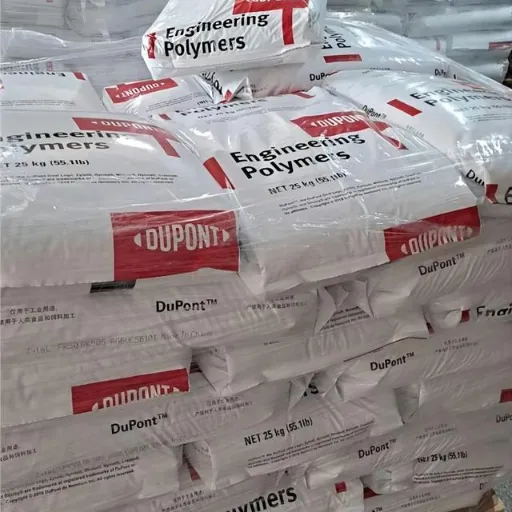 Read More
 -
How Long Does Plastic Last? A Materials Engineer's Guide to Polymer Lifespan
June 10, 2026A single polyethylene grocery bag can persist in a landfill for 500 years, yet the same material inside your refrigerator's in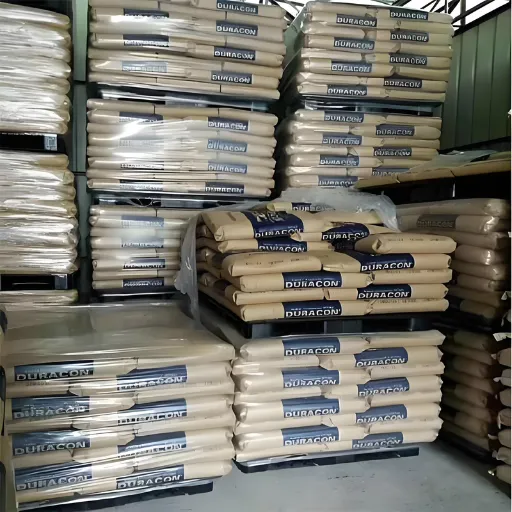 Read More

Contact Us
Recommended Products
-
 POM GF-10 Glass-Fiber Reinforced Resin Pellets for Industrial GearsNegotiableMOQ: 1 Kilogram
 -
Duracon POM SW-01 Granules - High-Performance Copolymer Resin for Industrial UseNegotiableMOQ: 1000 Kilograms
-
Basel Origin PP 4160/HP500N General Purpose Injection Molding Homopolymer Polypropylene PP PelletsNegotiableMOQ: 1000 Kilograms
-
Chimei ABS Resin D-1200 for Electronic Enclosures With Flame Retardant PropertiesNegotiableMOQ: 1 Kilogram
-
HDPE Film Grade Hta-001 Injection for High Strength ToughnessNegotiableMOQ: 1 Kilogram
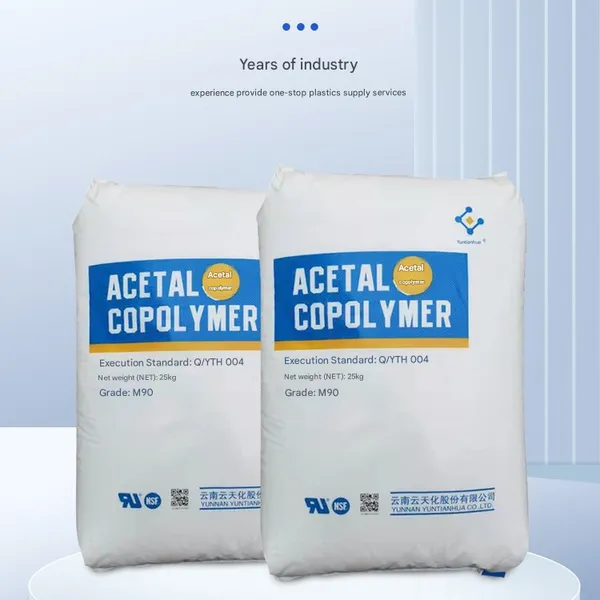
-
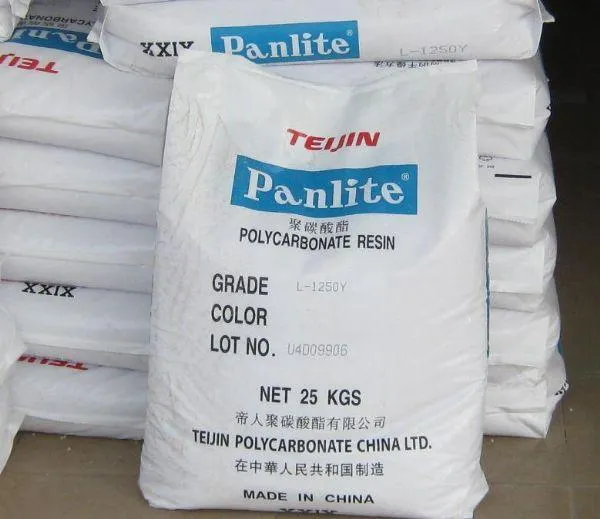
High‑Heat‑Resistant Optical‑Grade Polycarbonate PC Resin Teijin SP‑1516 for Camera Lens ManufacturingNegotiableMOQ: 1 Kilogram
-
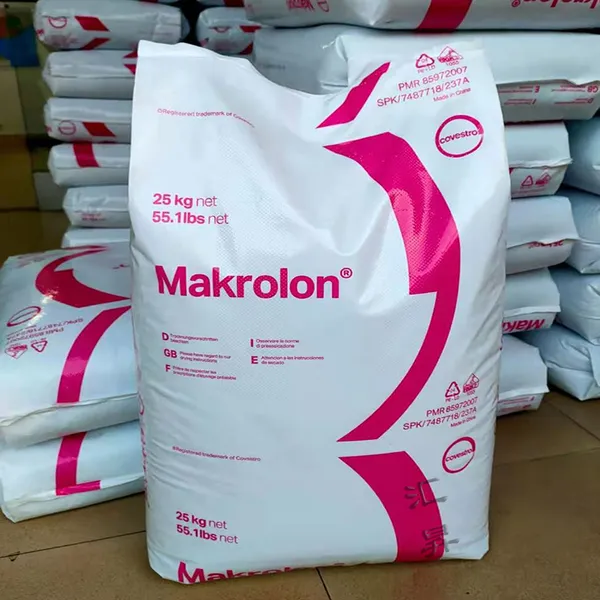
PC Resin Covestro 1803 With High Impact Resistance for Automotive PartsNegotiableMOQ: 25 Kilograms
-
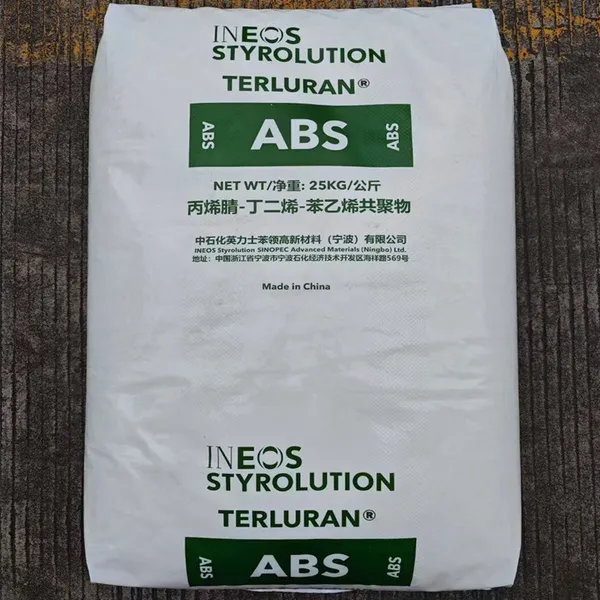
General Purpose ABS GP-22 From Ineos Ideal for Daily Consumer Goods and Common Injection PartsNegotiableMOQ: 1 Kilogram
-
Celanese DuPont Precision XGC-25 DuPont Injection Molding Plastic Products POMNegotiableMOQ: 1 Kilogram
-
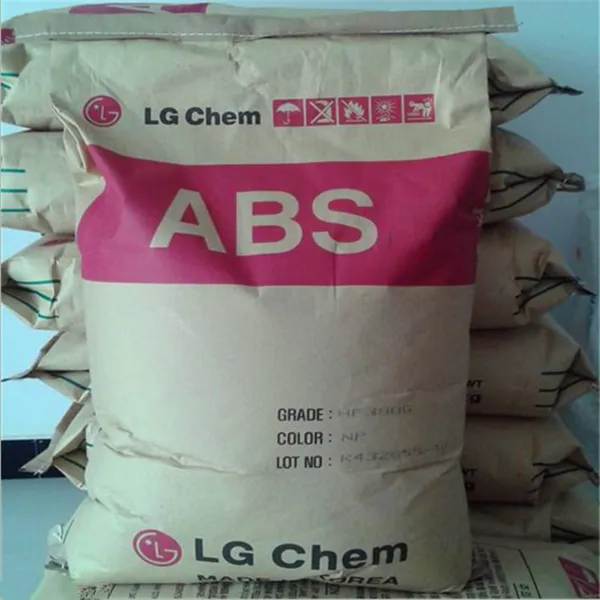
High Impact ABS Plastic Granules HI-121H Industrial Raw MaterialNegotiableMOQ: 1 Kilogram

-
Sinopec PP N-T30S Virgin Wire Drawing Grade Polypropylene GranulesNegotiableMOQ: 1 Kilogram
-
POM F10-03H With High Impact Resistance for Automotive Fuel System ComponentsNegotiableMOQ: 1 Kilogram
-
General Impact Grade ABS PA 737 Fit for Mass Production Daily Plastic and Office Supply PartsNegotiableMOQ: 1 Kilogram
-
366-5 PP Resin Granules With High Impact Strength for Industrial UseNegotiableMOQ: 1 Kilogram
-
PP Granules 3009 - Flame Retardant PP Compound for Electrical Components, UL94 V-2 RatedNegotiableMOQ: 1 Kilogram
-
PC-115P Polycarbonate Resin for 3D Printing Filaments With Low WarpageNegotiableMOQ: 1 Kilogram
-
Low‑Temperature Impact PP Pellets K4750 Modified Copolymer for Automotive BumpersNegotiableMOQ: 1 Kilogram
-
Chimei ABS Resin D-2200 for Luggage and Travel Cases With High RigidityNegotiableMOQ: 1 Kilogram
-
Natural Color Delrin POM M90NAT Celanese DuPont Virgin Resin Raw MaterialNegotiableMOQ: 1 Kilogram
-
FMA016 HDPE Grade for Large-Diameter Corrugated Pipe ProductionNegotiableMOQ: 1 Kilogram