
 Business License
Plastic Waste Solutions: A Manufacturing Guide to Recycled and Circular Materials
Every year, global manufacturing generates over 400 million metric tons of plastic waste. Less than 10% of that material returns to productive use. The remaining 90% burdens landfills, incinerators, and ecosystems, a staggering inefficiency for an industry built on precision and resource optimization.
You already know this. What you may not know is how quickly plastic waste solutions have matured for engineering applications. Recycled plastic materials now achieve performance profiles within 5-15% of virgin grades. Circular economy solutions have moved from pilot programs to commercial scale. And procurement teams increasingly specify post-industrial and post-consumer content as a standard requirement, not a novelty.
This guide provides a technical, practical overview of plastic waste solutions for manufacturers. You will learn how industrial plastic recycling works, what performance to expect from recycled grades, how to evaluate suppliers of recycled plastic materials, and how to integrate circular materials into your production without compromising quality.
The Scale of Industrial Plastic Waste
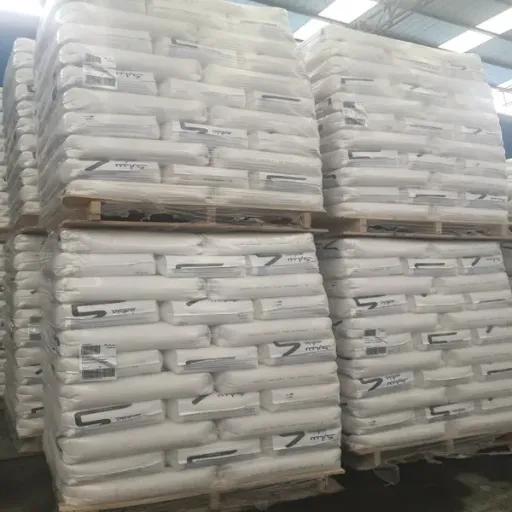
Manufacturing operations produce plastic waste through multiple channels: injection molding sprues and runners, extrusion edge trim, rejected parts, obsolete inventory, and packaging materials. For a typical injection molding facility, waste can represent 5-20% of total material throughput.
The environmental case for action is clear. The business case is equally compelling.
Regulatory pressure is accelerating. The European Union's Packaging and Packaging Waste Regulation mandates minimum recycled content percentages. Extended producer responsibility schemes in North America and Asia assign financial responsibility for end-of-life materials to manufacturers. OEMs in automotive and electronics now require suppliers to document recycled content and waste reduction strategies.
Customers are watching. A 2025 survey by McKinsey found that 72% of global manufacturers now factor sustainability credentials into supplier selection. Companies that demonstrate active plastic waste management gain competitive advantage in bidding processes and long-term partnership negotiations.
How Industrial Plastic Recycling Works
Not all recycling processes produce equivalent material quality. Understanding the differences is essential for specifying recycled plastic materials with confidence.
Mechanical Recycling
Mechanical recycling is the most common and cost-effective approach. The process involves sorting, shredding, washing, and re-pelletizing plastic waste into polymer resin granules. No chemical bonds are broken. The material retains its fundamental polymer structure.
For engineering plastics, mechanical recycling works best with clean, single-polymer waste streams. Post-industrial scrap from molding operations, containing one grade with minimal contamination, produces the highest-quality recycled output. Post-consumer waste requires more intensive sorting and cleaning but remains viable for many applications.
Recycled ABS achieves tensile strength of 38-45 MPa compared to 40-50 MPa for virgin grades. The difference is measurable but often acceptable for non-structural applications.
Recycled PC offers transparency and impact strength for lighting diffusers, electrical enclosures, and medical device components.
Recycled PP performs well in automotive bumpers, appliance housings, and industrial containers.
Chemical Recycling
Chemical recycling breaks polymers down to monomer or precursor level through pyrolysis, gasification, or depolymerization. The resulting raw materials are chemically identical to virgin feedstocks.
This approach addresses the quality limitations of mechanical recycling. Contaminants are eliminated at the molecular level. Performance equals virgin material. However, chemical recycling currently operates at higher cost and lower scale than mechanical alternatives.
For procurement teams and materials engineers, the critical question is simple: will recycled grades perform in your application? The answer depends on grade quality, recycling process control, and application requirements.
Marcus Chen, a process engineer at a Vietnamese injection molding company, faced exactly this question in 2024. His facility produced 12 metric tons of PP runner waste monthly. Disposal cost $800 per ton. After switching to a closed-loop mechanical recycling system with a regional compounder, Marcus reduced raw material purchases by 8% and cut disposal costs by 60%. The recycled PP, blended 30% with virgin material, maintained all specified mechanical properties for his appliance housing production.
Evaluating Recycled Plastic Materials for Engineering Use
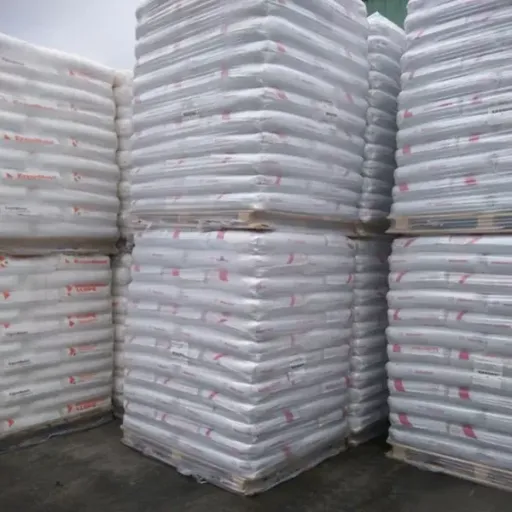
Specifying recycled content requires a different verification approach than virgin resin procurement. These five factors determine whether a recycled grade meets your technical and commercial requirements.
1. Feedstock Source and Consistency
Post-industrial recycled plastics, factory scrap, off-spec batches, trim waste, offer the most consistent feedstock. The material comes from known grades with documented formulation. Post-consumer recycled plastics introduce greater variability due to mixed sources and contamination exposure.
Ask suppliers specifically about feedstock origin. "Post-consumer" and "post-industrial" are not interchangeable terms. Each suits different applications.
2. Property Retention
Request comparative data showing recycled grade properties versus virgin equivalents. Relevant properties include tensile strength, impact resistance, melt flow index, and heat deflection temperature.
For non-structural components, recycled grades with 90-95% of virgin properties typically perform adequately. For structural or safety-critical parts, higher recycled content may require design adjustments.
3. Lot-to-Lot Consistency
The biggest challenge in recycled plastic materials is batch variation. Feedstock changes cause property fluctuations that virgin resin avoids.
Quality-controlled suppliers blend multiple batches, implement strict incoming inspection, and maintain narrower specification windows. Request certificate of analysis data from multiple lots to assess consistency.
4. Regulatory and Customer Compliance
Verify that recycled grades meet all applicable regulatory requirements. Automotive applications may require IMDS registration. Electronics applications need RoHS and REACH compliance. Food-contact applications demand FDA or EU 10/2011 certification that recycled materials may not satisfy.
5. Total Cost Evaluation
Recycled grades sometimes cost less than virgin equivalents. Sometimes they cost more due to processing overhead. Evaluate total cost including potential quality adjustments, testing requirements, and supply chain complexity.
Plastic Waste Management Strategies for Manufacturers
Effective plastic waste management extends beyond material selection. These four strategies reduce waste generation, increase recycling rates, and lower overall material costs.
Closed-Loop Recycling
The most efficient plastic waste solution keeps manufacturing scrap within your facility or supply chain. Runner systems, rejected parts, and edge trim return to the production stream after regrinding or re-pelletizing.
Closed-loop systems require investment in grinding equipment or partnerships with reprocessing services. The payback period typically ranges from 12 to 24 months for facilities generating more than 5 metric tons of recyclable waste monthly.
Design for Recyclability
Product design decisions directly impact end-of-life recyclability:
Mono-material design simplifies recycling by eliminating dissimilar materials that contaminate reprocessing streams
Compatible polymer combinations such as PC/ABS alloys maintain recyclability while delivering combined properties
Material marking and identification support downstream sorting and proper stream allocation
Color selection affects recyclability, natural and black materials are easier to recycle than custom colors
Additive choices matter for recycling stream compatibility
The ASTM D7611 resin identification coding system helps recyclers identify polymer types. Including these markings on parts supports proper sorting.
Elena Garcia, procurement director at a Spanish automotive tier-1 supplier, learned this lesson during a 2023 sustainability audit. Her company sourced interior trim components combining PP base material with TPE overmold and metal clips. The multi-material construction made end-of-life recycling impossible. After working with her injection molding partner to redesign the assembly using compatible materials and snap-fit connections, Elena increased the recyclable content from 40% to 85%, a change that satisfied her OEM customer's circularity mandate and reduced material costs by 6%.
Supplier Partnership Programs
Many manufacturers lack in-house recycling capabilities. Supplier partnership programs fill this gap.
Material suppliers increasingly offer take-back programs for manufacturing scrap. The supplier collects waste, reprocesses it, and returns recycled pellets, sometimes at a credit against future virgin purchases.
These programs reduce waste disposal costs, ensure proper material handling, and provide documented recycling rates for sustainability reporting.
Waste Stream Segregation
Mixed waste streams destroy recycling value. A single contamination event, ABS mixed into a PP batch, for example, can render an entire lot unrecyclable.
Implement color-coded collection systems, dedicated storage containers, and clear labeling for each polymer type. Train production staff on proper segregation procedures. The investment in organization pays dividends in recycled material value.
Circular Economy Solutions in Practice
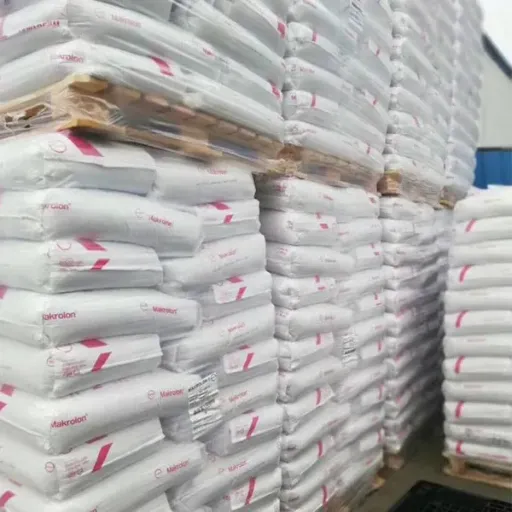
Circular economy solutions for plastics extend beyond recycling to encompass the full material lifecycle. Three approaches are gaining traction in manufacturing.
Mass-Balance Certified Materials
Mass balance accounting tracks renewable or recycled feedstocks through chemical production processes. A manufacturer replaces a portion of fossil-based raw materials with recycled or bio-based alternatives. The resulting output carries a certified recycled content attribution.
For engineering plastics, mass-balanced PC and ABS grades now offer identical performance to conventional equivalents. The material is chemically indistinguishable. Only the certification differs.
This approach suits applications where direct mechanical recycling cannot achieve required performance. The trade-off is typically a 15-30% price premium over conventional grades.
Industrial Symbiosis Networks
Industrial symbiosis connects facilities so one company's waste becomes another's raw material. A molding facility's PP scrap supplies a nearby extrusion plant. An electronics manufacturer's ABS offcuts feed an appliance panel producer.
These networks reduce transportation costs, build regional supply resilience, and create documented waste diversion metrics. Several industrial parks in Asia and Europe now operate formal symbiosis platforms matching waste generators with material users.
Chemical Recycling Scale-Up
Chemical recycling capacity is expanding rapidly. By 2030, global chemical recycling capacity for plastics is projected to exceed 10 million metric tons annually.
For manufacturers, this means broader availability of virgin-equivalent recycled materials. The technology currently serves primarily polyolefin and polyester streams. Engineering plastic chemical recycling remains limited but is advancing.
Regulatory Landscape and Compliance Requirements
Understanding regulatory requirements is essential for implementing plastic waste solutions that satisfy customer and legal obligations.
Extended Producer Responsibility (EPR)
EPR schemes assign financial and operational responsibility for end-of-life products to the original manufacturer. These programs operate across the European Union, parts of Canada, and several Asian countries.
For manufacturers, EPR compliance requires registration, waste management plan submission, and fee payment based on product volume and material type. Companies with active recycling programs may qualify for fee reductions.
Recycled Content Mandates
Regulatory mandates for minimum recycled content are expanding:
EU Packaging Regulation: Requires 35% recycled content in plastic packaging by 2030
California SB 54: Mandates 30% recycled content in single-use packaging by 2028
Automotive OEM requirements: Many major OEMs now specify recycled content targets for supplier components
Certification Standards
Several standards verify recycled content claims:
ISO 14021: Environmental labels and declarations
UL 2809: Recycled content validation
ISCC PLUS: Mass balance chain of custody certification
Specify certified materials when customer contracts or regulations require documented recycled content.
The Future of Plastic Waste Solutions in Manufacturing
The plastic waste solutions landscape continues to evolve rapidly. Three trends will shape manufacturing material strategies over the next five years.
First, regulatory pressure will intensify. More jurisdictions will adopt EPR schemes, recycled content mandates, and waste reduction targets. Manufacturers that proactively implement circular systems will face smoother compliance transitions.
Second, recycled material quality will improve. Advanced sorting technologies, better contamination detection, and optimized compounding processes are narrowing the performance gap between recycled and virgin grades.
Third, supply chains will adapt. Major polymer producers are investing in recycling capacity. Traditional virgin resin suppliers now offer recycled grades alongside conventional portfolios. The distinction between "virgin supplier" and "recycling company" is blurring.
Dr. Andreas Mueller, materials director at a German electronics manufacturer, navigated this transition in 2024. His company faced a customer mandate for 30% recycled content in all plastic enclosures by 2026. Rather than treat this as a procurement constraint, Dr. Mueller established a supplier development program. He worked with three compounders to qualify recycled ABS and PC grades for his product lines. By mid-2025, his team had achieved 25% average recycled content across four product families, ahead of schedule and with zero field failures. The program reduced material costs by 4% and became a featured capability in customer presentations.
Conclusion
Plastic waste solutions have matured from environmental aspiration to commercial reality. Recycled plastic materials now perform reliably in engineering applications. Circular economy solutions offer measurable cost reductions and regulatory compliance benefits. And industrial plastic recycling infrastructure is scaling to meet growing demand.
Key takeaways for manufacturers:
Mechanical recycling delivers the most cost-effective recycled plastic materials for non-structural applications
Feedstock source, property retention, and lot consistency are the three critical evaluation criteria
Closed-loop recycling and design-for-recyclability offer the highest-return waste reduction strategies
Mass-balanced grades provide virgin-equivalent performance where mechanical recycling falls short
Regulatory pressure and customer mandates make proactive implementation a competitive necessity
The question is no longer whether recycled materials belong in manufacturing. The question is how quickly you can integrate them into your supply chain.
At Shanghai Wenqin Plastics, we supply recycled and conventional engineering plastics, including ABS, PC, PA6, PA66, POM, PP, PE, PBT, and PMMA, with complete technical documentation and application support. Whether you are evaluating recycled content for an existing product or designing a new component for circularity, our technical team provides material selection guidance tailored to your performance and waste reduction requirements. [Request a quotation] or [contact our team] to discuss plastic waste solutions for your next project.
Recently Posted
-
How to Choose the Right Engineering Plastics Distributor for Your Manufacturing Supply Chain
June 12, 2026When a production line at a German automotive tier-1 supplier ground to a halt last year, the cause was not equipment failure or l Read More
 -
The Plastic Extrusion Process: A Complete Technical Guide for Manufacturers
June 12, 2026When the quality team at a window profile plant in Poland measured wall thickness drift on their PVC line last spring, the culprit Read More
 -
How to Choose an Engineering Plastics Supplier That Protects Your Production Line
June 10, 2026Last March, a tier-2 automotive supplier in Stuttgart received a shipment of PA66 GF30 that looked identical to every batch before Read More
 -
How Long Does Plastic Last? A Materials Engineer's Guide to Polymer Lifespan
June 10, 2026A single polyethylene grocery bag can persist in a landfill for 500 years, yet the same material inside your refrigerator's in Read More

Contact Us
Recommended Products
-
 POM GF-10 Glass-Fiber Reinforced Resin Pellets for Industrial GearsNegotiableMOQ: 1 Kilogram
 -
Duracon POM SW-01 Granules - High-Performance Copolymer Resin for Industrial UseNegotiableMOQ: 1000 Kilograms
-
Basel Origin PP 4160/HP500N General Purpose Injection Molding Homopolymer Polypropylene PP PelletsNegotiableMOQ: 1000 Kilograms
-
Chimei ABS Resin D-1200 for Electronic Enclosures With Flame Retardant PropertiesNegotiableMOQ: 1 Kilogram
-
HDPE Film Grade Hta-001 Injection for High Strength ToughnessNegotiableMOQ: 1 Kilogram
-
High‑Heat‑Resistant Optical‑Grade Polycarbonate PC Resin Teijin SP‑1516 for Camera Lens ManufacturingNegotiableMOQ: 1 Kilogram
-
PC Resin Covestro 1803 With High Impact Resistance for Automotive PartsNegotiableMOQ: 25 Kilograms
-
General Purpose ABS GP-22 From Ineos Ideal for Daily Consumer Goods and Common Injection PartsNegotiableMOQ: 1 Kilogram
-
Celanese DuPont Precision XGC-25 DuPont Injection Molding Plastic Products POMNegotiableMOQ: 1 Kilogram
-
High Impact ABS Plastic Granules HI-121H Industrial Raw MaterialNegotiableMOQ: 1 Kilogram

-
Sinopec PP N-T30S Virgin Wire Drawing Grade Polypropylene GranulesNegotiableMOQ: 1 Kilogram
-
POM F10-03H With High Impact Resistance for Automotive Fuel System ComponentsNegotiableMOQ: 1 Kilogram
-
General Impact Grade ABS PA 737 Fit for Mass Production Daily Plastic and Office Supply PartsNegotiableMOQ: 1 Kilogram
-
366-5 PP Resin Granules With High Impact Strength for Industrial UseNegotiableMOQ: 1 Kilogram
-
PP Granules 3009 - Flame Retardant PP Compound for Electrical Components, UL94 V-2 RatedNegotiableMOQ: 1 Kilogram
-
PC-115P Polycarbonate Resin for 3D Printing Filaments With Low WarpageNegotiableMOQ: 1 Kilogram
-
Low‑Temperature Impact PP Pellets K4750 Modified Copolymer for Automotive BumpersNegotiableMOQ: 1 Kilogram
-
Chimei ABS Resin D-2200 for Luggage and Travel Cases With High RigidityNegotiableMOQ: 1 Kilogram
-
Natural Color Delrin POM M90NAT Celanese DuPont Virgin Resin Raw MaterialNegotiableMOQ: 1 Kilogram
-
FMA016 HDPE Grade for Large-Diameter Corrugated Pipe ProductionNegotiableMOQ: 1 Kilogram