
 Business License
Why Does Plastic Turn Yellow? The Science Behind Polymer Discoloration and How to Prevent It
That pristine white appliance panel you installed three years ago now carries a faint beige tint. The transparent polycarbonate cover over your LED fixture has developed a straw-colored haze. Even the ABS housing on your decade-old power tool has shifted from bright gray to a dull, mustard tone. Plastic yellowing is not merely a cosmetic nuisance, it signals fundamental chemical changes within the polymer structure that can compromise mechanical performance, optical clarity, and long-term reliability.
Manufacturers across electronics, automotive, and appliance sectors face this challenge daily. Discoloration leads to warranty claims, product returns, and brand damage. Understanding why plastic turns yellow, and how material selection prevents it, separates durable products from those that age prematurely in the field. This guide examines the molecular mechanisms behind polymer yellowing, identifies the materials most susceptible to discoloration, and explains how UV-stabilized engineering plastics maintain their appearance and properties over time.
What Happens Inside Plastic When It Turns Yellow
Yellowing is a visible symptom of invisible chemical reactions. Polymers are long chains of repeating molecular units held together by strong covalent bonds. When exposed to heat, oxygen, and ultraviolet radiation, these chains begin to break and re-form in ways that create light-absorbing molecular structures called chromophores. The human eye perceives these chromophores as yellow, brown, or amber discoloration.
Photo-Oxidation: The Primary Driver of Outdoor Yellowing
UV radiation from sunlight carries enough energy to break chemical bonds within polymer chains directly. This process, called photolysis, creates highly reactive free radicals, unstable molecules with unpaired electrons that attack neighboring polymer chains. The resulting cascade of oxidation reactions produces carbonyl groups, hydroperoxides, and conjugated double-bond systems. These oxidation byproducts are the chromophores responsible for yellowing.
The severity depends on wavelength. UV-B radiation (280-315 nm) is particularly destructive because its photon energy exceeds the bond dissociation energy of common polymer backbones. UV-A (315-400 nm) causes slower but still significant degradation over extended exposure. Visible light contributes minimally to direct bond breaking but can activate certain photoinitiators present as impurities or additives.
Thermal Oxidation: The Hidden Cause of Indoor Yellowing
Plastics do not need sunlight to discolor. Elevated temperatures accelerate oxidation even in dark environments. Manufacturing processes like injection molding expose polymers to shear heat and molten-state residence time. If stabilization packages are inadequate, thermal oxidation initiates during processing and continues throughout the product lifecycle.
Heat accelerates the rate of oxidation reactions exponentially. The Arrhenius equation governing chemical kinetics means that every 10°C increase in temperature roughly doubles the oxidation rate. A polycarbonate lens operating at 80°C near an engine bay will yellow faster than an identical lens at 40°C, even with identical UV exposure. This is why under-hood automotive components demand heat-stabilized grades with antioxidant packages specifically formulated for sustained elevated temperatures.
Additive and Impurity Contributions
Not all yellowing originates from the base polymer. Flame retardants, particularly older brominated systems, can decompose under UV or thermal stress and generate colored byproducts. Certain lubricants, processing aids, and residual catalysts from polymerization carry chromophoric structures that amplify discoloration. Pigments and dyes themselves may fade or shift hue when the polymer matrix degrades around them.
When Elena Torres, a product engineer at a Barcelona lighting manufacturer, switched to a lower-cost generic PC grade for her outdoor luminaire housings, she expected equivalent performance. Within 18 months, customer complaints about yellowing surged. Analysis revealed that the alternative grade lacked the hindered amine light stabilizers (HALS) present in her previous material. The base polymer was nominally identical, but the additive package made the difference between a 10-year service life and visible discoloration before the warranty period ended.
Which Plastics Yellow Most Easily, and Why
Not all polymers discolor at the same rate. Molecular structure determines susceptibility to UV and thermal degradation, making material selection the single most important factor in preventing yellowing.
Polycarbonate (PC): High Performance, High Sensitivity
Polycarbonate's bisphenol-A backbone contains aromatic rings that absorb UV radiation readily. While this structure gives PC its excellent mechanical properties and transparency, it also makes the material particularly prone to photo-oxidation. Unstabilized PC can show noticeable yellowing within months of outdoor exposure.
The degradation mechanism involves rearrangement of the carbonate linkage under UV stress, producing colored phenolic compounds. PC used in automotive headlamp lenses, safety goggles, and lighting diffusers universally requires UV stabilizers, typically benzotriazole or triazine UV absorbers combined with HALS. UV-stabilized PC grades maintain optical clarity and color stability for years even in direct sunlight.
ABS: The Butadiene Vulnerability
ABS is a terpolymer, and its butadiene rubber phase is the weak link for weathering. The unsaturated double bonds in polybutadiene are highly reactive toward oxygen and UV radiation. As the rubber phase degrades, it not only yellows but also embrittles, reducing the impact resistance that makes ABS valuable.
General-purpose ABS without UV stabilization is unsuitable for outdoor or sun-exposed indoor applications. UV-stabilized ABS grades incorporate HALS and UV absorbers that protect the butadiene phase. For electronics housings and appliance panels requiring long-term aesthetic stability, specifying UV-stabilized ABS is essential.
PMMA (Acrylic): Better Than Most, But Not Immune
Polymethyl methacrylate absorbs UV-B radiation strongly, which actually protects underlying structures, the material sacrificially degrades at the surface rather than transmitting UV deeper into the part. However, prolonged exposure still causes surface crazing, gloss loss, and gradual yellowing.
PMMA for outdoor signage, lighting lenses, and automotive tail lamp covers typically requires UV-stabilized formulations. The good news is that PMMA responds well to stabilization, and optical-grade PMMA with proper additive packages can maintain clarity for a decade or more in architectural glazing applications.
Polyamides (PA6 and PA66): Yellowing from the Start
Nylon materials absorb significant moisture and are inherently susceptible to thermal oxidation. Even before UV exposure, polyamides can yellow during processing if dried inadequately or molded at excessive temperatures. The amide linkage in the backbone is vulnerable to oxidation, and the yellowing tends to deepen with sustained heat exposure.
For automotive under-hood applications, heat-stabilized PA66 grades with copper salt or phenolic antioxidant packages are standard. These stabilizers do not primarily target UV but instead interrupt thermal oxidation, the dominant degradation mode in engine bay environments.
Polyolefins (PP and PE): Slow but Steady Degradation
Polypropylene and polyethylene lack the aromatic structures that make PC and ABS so UV-sensitive, but they are far from immune. PP is particularly prone to oxidation because its tertiary carbon atoms are reactive. UV exposure causes surface chalking and embrittlement, with yellowing appearing as a secondary symptom after extended exposure.
For outdoor PP applications, automotive exterior trim, outdoor furniture, geotextiles, carbon black provides the most effective UV protection by absorbing and scattering radiation. Where black is unacceptable, UV absorbers and HALS combinations offer viable alternatives.
How UV Stabilizers Prevent Yellowing
Modern polymer stabilization is a sophisticated science. Different stabilizer classes interrupt degradation at distinct stages, and effective protection often requires combinations.
UV Absorbers: The First Line of Defense
UV absorbers function like molecular sunglasses, absorbing harmful UV radiation and dissipating it as harmless heat before it can damage polymer bonds. Benzotriazoles and hydroxyphenyltriazines are common classes for engineering plastics. They are particularly effective in transparent applications like PC and PMMA where they protect the bulk material while remaining optically clear themselves.
The limitation is that UV absorbers can only protect material behind them. Surface layers receive incomplete protection because some UV inevitably reaches the surface. This is why UV absorbers alone are rarely sufficient for long-term outdoor exposure.
Hindered Amine Light Stabilizers (HALS): The Scavengers
HALS do not absorb UV radiation directly. Instead, they operate through a regenerative mechanism that scavenges free radicals produced during photo-oxidation. A single HALS molecule can neutralize thousands of radicals before becoming consumed, making HALS extraordinarily effective at low concentrations.
For demanding outdoor applications, HALS and UV absorbers work synergistically. The UV absorber reduces the rate of radical formation, while HALS eliminates the radicals that form anyway. This combination can extend the service life of transparent and colored plastics by a factor of five or more compared to unstabilized grades.
Antioxidants: Protecting Against Thermal Degradation
Primary antioxidants, typically sterically hindered phenols or secondary aromatic amines, donate hydrogen atoms to free radicals, interrupting oxidation chains. Secondary antioxidants like phosphites or thioesters decompose hydroperoxides before they can generate new radicals.
During injection molding, polymers experience brief but intense thermal stress. Adequate antioxidant packages prevent processing-induced degradation that would otherwise create pre-existing damage sites where yellowing accelerates during service life.
Real-World Applications Where Yellowing Prevention Matters
Material selection decisions made in the design phase determine whether products retain their appearance for years or discolor within months.
Automotive Lighting and Lens Components
Automotive headlamp lenses, tail light covers, and interior lighting diffusers face simultaneous UV exposure, thermal cycling, and strict aesthetic requirements. A yellowed headlamp lens reduces light output, creates uneven illumination patterns, and signals poor vehicle maintenance to consumers. OEM specifications for these components universally require UV-stabilized PC or PMMA with validated weathering performance per SAE and ISO standards.
Electronics Housings and Display Bezels
Consumer electronics products with white or light-colored housings, medical devices, computer monitors, kitchen appliances, show yellowing prominently. The problem compounds in devices with internal heat generation. Laptop enclosures, router housings, and monitor bezels require UV-stabilized ABS or PC/ABS blends with adequate thermal stabilization to maintain appearance across the product warranty period.
When the product design team at a German appliance manufacturer evaluated modified plastics for their premium refrigerator line, they prioritized UV-stabilized grades with enhanced antioxidant packages. Their field data showed that unstabilized alternatives began showing perceptible yellowing after two years in sun-exposed kitchen environments, while the stabilized grades maintained Delta E color values below 2.0 after five years.
Architectural and Outdoor Signage
Transparent roofing panels, greenhouses, and outdoor signage rely on PMMA and PC for optical clarity and impact resistance. Without stabilization, these materials yellow, reducing light transmission and degrading aesthetic appeal. Architectural specifications increasingly mandate 10-year or 20-year color stability guarantees backed by accelerated weathering test data per ISO 4892.
Medical Device Enclosures
Medical devices combining white or light-colored housings with sterilization requirements face a double challenge. Gamma radiation and ethylene oxide sterilization generate free radicals that accelerate subsequent yellowing. Medical-grade PC and ABS formulations incorporate specialized stabilizer packages that balance sterilization compatibility with long-term color stability.
Testing and Standards for Yellowing Resistance
Manufacturers and buyers rely on standardized test methods to evaluate and compare yellowing resistance across grades.
Accelerated Weathering Tests
Xenon arc and fluorescent UV weathering chambers simulate years of outdoor exposure in weeks or months. ISO 4892 and ASTM G154 define standard test cycles with controlled UV spectra, temperature, and moisture exposure. Samples are evaluated for color change (Delta E per CIELab), gloss retention, and mechanical property retention at specified intervals.
Heat Aging Tests
Oven aging at elevated temperatures accelerates thermal oxidation. ASTM D3045 and ISO 2578 define protocols for evaluating property retention after thermal exposure. Yellowing index measurements per ASTM E313 provide quantitative color shift data.
Spectroscopic Analysis
When yellowing occurs despite stabilization, Fourier-transform infrared spectroscopy (FTIR) and ultraviolet-visible spectroscopy identify the specific chemical species responsible. This diagnostic capability helps determine whether the root cause is inadequate stabilization, processing damage, or environmental exposure beyond the material's design limits.
How to Prevent Plastic Yellowing in Product Design
Prevention is always more cost-effective than remediation. Design and procurement decisions made early in the development cycle determine long-term appearance stability.
Select UV-Stabilized Grades for Sun-Exposed Applications
For any application receiving direct or indirect sunlight, specify UV-stabilized grades from the outset. The incremental material cost is minor compared to warranty claims, field replacements, and brand reputation damage from visibly aged products. Our technical team provides guidance on selecting appropriate stabilization levels based on exposure conditions and service life requirements.
Match Stabilization to the Degradation Mode
Outdoor applications need protection against photo-oxidation. High-temperature indoor applications need thermal stabilization. Applications combining both, automotive engine bay components, outdoor electronics enclosures, need comprehensive stabilization packages addressing both mechanisms. Specifying the wrong protection type is a common cause of premature failure.
Control Processing Conditions
Excessive melt temperatures, long residence times, and regrind usage introduce thermal damage before the product ever reaches the field. Following supplier-recommended processing parameters and minimizing heat history during molding preserves the stabilization package and base polymer integrity.
Consider Pigmentation Strategy
Carbon black provides the most effective UV protection for opaque applications by absorbing radiation across the UV and visible spectrum. For light or bright colors, inorganic pigments like titanium dioxide offer some UV scattering benefit. Organic pigments generally provide minimal UV protection. When aesthetic requirements demand light colors in sun-exposed applications, the stabilization package becomes even more critical.
Conclusion
Plastic yellowing is not a mysterious or unavoidable fate, it is a predictable chemical consequence of polymer exposure to UV radiation, oxygen, and heat. The molecular mechanisms are well understood: free radical formation, oxidation cascades, and chromophore generation produce the visible discoloration that degrades product appearance and, in severe cases, mechanical performance.
Key takeaways for manufacturers and designers:
Understand your exposure: UV, thermal, or both? The degradation mode determines the stabilization strategy.
Select stabilized grades: UV-stabilized PC, ABS, and PMMA grades offer dramatically extended service life compared to unstabilized alternatives.
Do not assume equivalence: Generic grades with the same base polymer designation may differ radically in stabilization content and long-term performance.
Test and verify: Accelerated weathering and heat aging tests provide objective data for material qualification and supplier comparison.
Process with care: Thermal damage during molding pre-ages material and accelerates field yellowing.
At Shanghai Wenqin Plastics, we supply UV-stabilized grades of PC, PMMA, ABS, and modified compounds formulated for demanding outdoor and high-temperature applications. Our technical team provides material selection guidance, processing recommendations, and complete technical documentation to ensure your products maintain their appearance and performance over their intended service life. Contact us to discuss your application requirements or request samples for weathering evaluation.
Recently Posted
-
How to Choose the Right Engineering Plastics Distributor for Your Manufacturing Supply Chain
June 12, 2026When a production line at a German automotive tier-1 supplier ground to a halt last year, the cause was not equipment failure or l Read More
 -
The Plastic Extrusion Process: A Complete Technical Guide for Manufacturers
June 12, 2026When the quality team at a window profile plant in Poland measured wall thickness drift on their PVC line last spring, the culprit Read More
 -
How to Choose an Engineering Plastics Supplier That Protects Your Production Line
June 10, 2026Last March, a tier-2 automotive supplier in Stuttgart received a shipment of PA66 GF30 that looked identical to every batch before Read More
 -
How Long Does Plastic Last? A Materials Engineer's Guide to Polymer Lifespan
June 10, 2026A single polyethylene grocery bag can persist in a landfill for 500 years, yet the same material inside your refrigerator's in Read More

Contact Us
Recommended Products
-
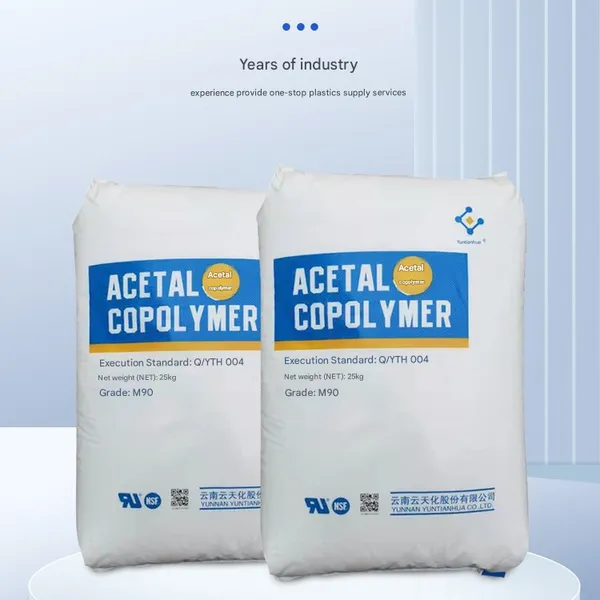
 POM GF-10 Glass-Fiber Reinforced Resin Pellets for Industrial GearsNegotiableMOQ: 1 Kilogram
 -
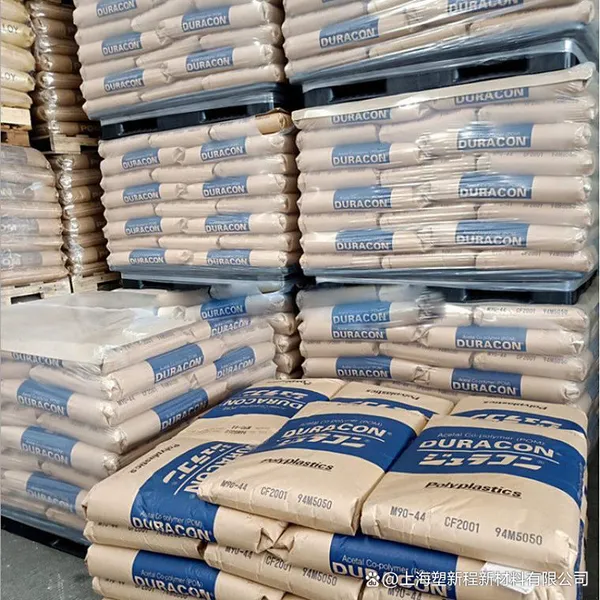
Duracon POM SW-01 Granules - High-Performance Copolymer Resin for Industrial UseNegotiableMOQ: 1000 Kilograms
-
Basel Origin PP 4160/HP500N General Purpose Injection Molding Homopolymer Polypropylene PP PelletsNegotiableMOQ: 1000 Kilograms
-
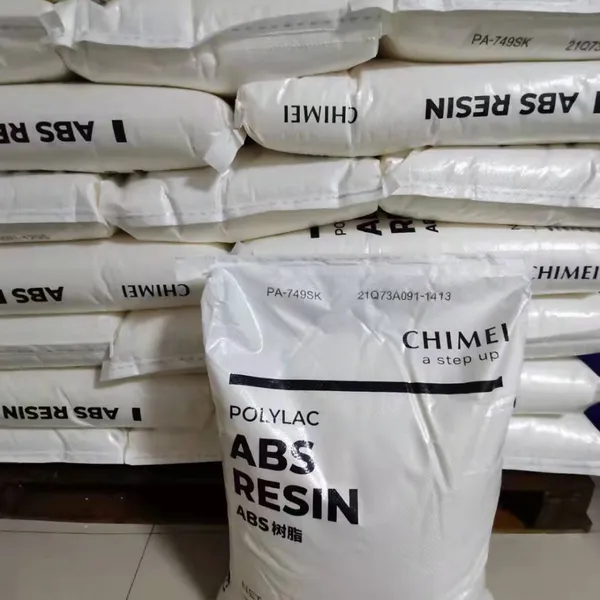
Chimei ABS Resin D-1200 for Electronic Enclosures With Flame Retardant PropertiesNegotiableMOQ: 1 Kilogram
-
HDPE Film Grade Hta-001 Injection for High Strength ToughnessNegotiableMOQ: 1 Kilogram
-
High‑Heat‑Resistant Optical‑Grade Polycarbonate PC Resin Teijin SP‑1516 for Camera Lens ManufacturingNegotiableMOQ: 1 Kilogram
-
PC Resin Covestro 1803 With High Impact Resistance for Automotive PartsNegotiableMOQ: 25 Kilograms
-
General Purpose ABS GP-22 From Ineos Ideal for Daily Consumer Goods and Common Injection PartsNegotiableMOQ: 1 Kilogram
-
Celanese DuPont Precision XGC-25 DuPont Injection Molding Plastic Products POMNegotiableMOQ: 1 Kilogram
-
High Impact ABS Plastic Granules HI-121H Industrial Raw MaterialNegotiableMOQ: 1 Kilogram

-
Sinopec PP N-T30S Virgin Wire Drawing Grade Polypropylene GranulesNegotiableMOQ: 1 Kilogram
-
POM F10-03H With High Impact Resistance for Automotive Fuel System ComponentsNegotiableMOQ: 1 Kilogram
-
General Impact Grade ABS PA 737 Fit for Mass Production Daily Plastic and Office Supply PartsNegotiableMOQ: 1 Kilogram
-
366-5 PP Resin Granules With High Impact Strength for Industrial UseNegotiableMOQ: 1 Kilogram
-
PP Granules 3009 - Flame Retardant PP Compound for Electrical Components, UL94 V-2 RatedNegotiableMOQ: 1 Kilogram
-
PC-115P Polycarbonate Resin for 3D Printing Filaments With Low WarpageNegotiableMOQ: 1 Kilogram
-
Low‑Temperature Impact PP Pellets K4750 Modified Copolymer for Automotive BumpersNegotiableMOQ: 1 Kilogram
-
Chimei ABS Resin D-2200 for Luggage and Travel Cases With High RigidityNegotiableMOQ: 1 Kilogram
-
Natural Color Delrin POM M90NAT Celanese DuPont Virgin Resin Raw MaterialNegotiableMOQ: 1 Kilogram
-
FMA016 HDPE Grade for Large-Diameter Corrugated Pipe ProductionNegotiableMOQ: 1 Kilogram