
 Business License
Biodegradable vs Compostable Plastic Bags: What's the Real Difference?
In 2024, a purchasing manager at a UK grocery chain ordered 500,000 "biodegradable" carry bags for their produce section. The supplier's datasheet promised degradation within 24 months under ambient conditions. Six months later, environmental auditors discovered the bags contained conventional polyethylene with an oxo-degradable additive. The bags fragmented into microplastics but never truly broke down. The retailer faced regulatory scrutiny, customer backlash, and a six-figure write-off on unusable inventory.
If you have ever compared bags labeled "biodegradable," "compostable," and "eco-friendly" without knowing which claims hold up under technical scrutiny, you have experienced the same confusion that cost that grocery chain dearly. These terms sound interchangeable in marketing copy, but they describe fundamentally different chemical behaviors, end-of-life pathways, and compliance requirements.
This article explains the technical distinctions between biodegradable and compostable plastic bags. You will learn what each term actually means according to material science and international standards, which certifications verify genuine compostability, and how polymer composition determines real-world degradation performance. We will examine common bag materials from PLA to PBAT, compare industrial and home composting requirements, and outline practical steps for verifying supplier claims. Whether you are a procurement professional evaluating packaging options or a manufacturer selecting resin formulations, this guide provides the clarity you need to make informed decisions.
At Shanghai Wenqin Plastics, polymer behavior under specific environmental conditions is central to our material selection process across ABS, PC, PA, and other engineering grades. Understanding degradation science helps us advise customers on sustainable material options and quality verification. Explore our sustainable plastic materials guide to learn how these principles extend to industrial engineering applications.
What "Biodegradable" Actually Means for Plastic Bags
"Biodegradable" is a broad term with no universal legal definition in most jurisdictions. Technically, a biodegradable plastic bag is one that can be broken down by microorganisms into water, carbon dioxide, and biomass. The critical detail that marketing materials often omit is the timeframe and conditions required for this breakdown to occur.
A conventional polyethylene bag exposed to sunlight and oxygen will eventually fragment. That fragmentation is not biodegradation. True biodegradation requires microbial assimilation at the molecular level. Without specifying the environment, temperature, humidity, and duration, the term "biodegradable" communicates almost nothing about actual end-of-life behavior.
ASTM D6954 provides a framework for evaluating the aerobic biodegradation of plastic materials under controlled composting conditions. However, compliance with this standard does not guarantee that a bag will degrade in a landfill, ocean, or backyard soil pile. Industrial composting facilities maintain temperatures of 50-60°C with controlled moisture and oxygen. A bag that biodegrades under these conditions may persist for years in a standard landfill where anaerobic conditions and low temperatures inhibit microbial activity.
Oxo-degradable plastics illustrate this gap perfectly. These conventional plastics include metal-salt additives that accelerate fragmentation when exposed to ultraviolet light and heat. The resulting microplastic particles persist in the environment indefinitely. The European Union banned oxo-degradable plastic products in 2021 precisely because the fragmentation masqueraded as environmental benefit while creating a more insidious pollution problem. Several U.S. states have followed with similar restrictions.
For procurement professionals, the key takeaway is simple. "Biodegradable" without qualification, timeframe, and standard reference is a meaningless claim. Always request test method references and degradation condition specifications before accepting biodegradability assertions from suppliers.
What Makes a Plastic Bag Truly Compostable?
Compostability is more narrowly defined than biodegradability. A compostable plastic bag must break down into carbon dioxide, water, inorganic compounds, and biomass at a rate consistent with known compostable materials. It must leave no toxic residue, and the resulting compost must support plant growth. These requirements are verifiable through standardized testing.
ASTM D6400 is the primary North American standard for compostable plastics. It requires that materials disintegrate within 12 weeks in an industrial composting environment and achieve 90% biodegradation within 180 days. EN 13432 serves the same function in Europe with similar time and toxicity requirements. A bag certified to either standard has undergone rigorous testing for disintegration, biodegradation, and ecotoxicity.
The distinction between industrial and home compostability matters significantly for real-world outcomes. Industrial composting facilities maintain thermophilic conditions, 50-60°C, that accelerate polymer breakdown. Home composting bins rarely exceed 30-40°C and experience wider moisture and oxygen fluctuations. A bag certified for industrial composting may not break down in a backyard compost pile within any reasonable timeframe.
OK Compost HOME and ASTM D6400 with home composting addendum are among the few certifications that specifically address home composting performance. Bags carrying these labels have demonstrated degradation under cooler, less controlled conditions. For consumers and businesses without access to industrial composting infrastructure, home compostable certification is the only relevant standard.
Compostable bags are typically manufactured from bio-based polymers such as polylactic acid (PLA), polybutylene adipate terephthalate (PBAT), or starch-based blends. These materials possess fundamentally different molecular structures from polyethylene.
PLA, derived from corn starch or sugarcane, requires moisture and heat to initiate hydrolysis followed by microbial assimilation. PBAT, a petroleum-derived biodegradable polyester, offers better flexibility and toughness than PLA. It still requires composting conditions to degrade. Starch blends incorporate renewable content but often require polymer blending to achieve adequate mechanical properties for bag applications.
Biodegradable vs Compostable: The Critical Differences
Understanding the practical differences between biodegradable and compostable plastic bags prevents costly specification errors and compliance failures. The following comparison summarizes the key distinctions that procurement and quality professionals should evaluate.
| Criterion | Biodegradable Plastic Bags | Compostable Plastic Bags |
|---|---|---|
| Definition scope | Broad; any material that breaks down via microorganisms | Narrow; must break down within specified timeframe and leave no toxic residue |
| Standard testing | Less standardized; ASTM D6954 is one framework | Rigorously standardized; ASTM D6400, EN 13432 |
| Timeframe | Often undefined or very long | Typically 90-180 days under composting conditions |
| End products | Water, CO2, biomass (ideally) | Water, CO2, biomass, and compost-safe residue |
| Required conditions | Variable; may need industrial composting, soil, or marine | Usually requires industrial or home composting facility |
| Toxicity requirement | Not always tested | Must pass ecotoxicity testing for compost quality |
| Common materials | Oxo-degradable PE, some bio-based polymers | PLA, PBAT, starch blends, cellulose |
| Certification reliability | Often unreliable without specific standard reference | Reliable when certified to ASTM D6400 or EN 13432 |
The most important distinction is that all compostable plastics are biodegradable, but not all biodegradable plastics are compostable. A bag marketed as biodegradable may require decades to break down and may release harmful additives in the process. A certified compostable bag must meet strict time, toxicity, and residue requirements that are independently verifiable.
When Maria Santos, a sustainability coordinator at a Portuguese food distributor, switched her company's produce bags from conventional PE to "biodegradable" alternatives, she assumed the change satisfied her retail partners' sustainability requirements. Three months into the rollout, a major supermarket chain rejected the bags because they lacked EN 13432 certification. The "biodegradable" supplier could not provide test data showing disintegration within 12 weeks or ecotoxicity compliance.
Maria's company had to scrap the inventory and source certified compostable PLA/PBAT bags at 40% higher cost. The upfront savings from uncertified "biodegradable" bags disappeared entirely.
Common Materials in Biodegradable and Compostable Bags
The polymer composition of a bag determines its mechanical properties, processing behavior, and end-of-life pathway. Understanding the main material categories helps procurement teams ask better questions and avoid mislabeled products.
PLA (Polylactic Acid)
PLA is the most widely used polymer in certified compostable bags. Derived from fermented plant starch, typically corn or sugarcane, PLA offers good stiffness and clarity. Its heat deflection temperature of 55-60°C is adequate for ambient storage but makes PLA bags unsuitable for hot-fill applications. PLA requires industrial composting conditions for efficient breakdown. In home composting, degradation is slow and often incomplete.
PBAT (Polybutylene Adipate Terephthalate)
PBAT is a petroleum-derived polyester that is both biodegradable and compostable. It offers superior flexibility, elongation, and toughness compared to PLA. Many compostable bags use PLA/PBAT blends to combine PLA's renewable origin with PBAT's mechanical performance. PBAT degrades more readily than PLA under composting conditions but costs more than conventional polyethylene.
Starch-Based Blends
Thermoplastic starch, often blended with PBAT or other polyesters, provides renewable content and compostability. Pure starch lacks the strength and moisture resistance needed for bag applications. Blended formulations improve these properties while maintaining biodegradability. Starch content can range from 20% to over 60% depending on the target property balance.
Oxo-Degradable Polyethylene
Oxo-degradable PE contains pro-oxidant additives, typically metal salts, that catalyze chain scission when exposed to UV light and heat. The material fragments into microscopic pieces but the polymer chains do not undergo microbial assimilation. The resulting microplastics persist in the environment. The Ellen MacArthur Foundation and numerous regulatory bodies have explicitly opposed oxo-degradable plastics as a solution to plastic pollution. These materials should not be confused with genuinely biodegradable or compostable alternatives.
Cellulose and Paper-Based Alternatives
Some "plastic" bags are actually cellulose films derived from wood pulp. These materials are biodegradable and, in some formulations, home compostable. They offer good clarity and moderate moisture resistance but lack the toughness and sealability of polymer-based bags. Cellulose bags suit dry goods and short-term packaging but struggle with wet or heavy contents.
For manufacturers and distributors evaluating bag materials for specific applications, our guide to engineering plastics and polymer types provides additional context on how polymer structure determines functional performance and environmental behavior.
Degradation in Practice: Time, Conditions, and Outcomes
Laboratory testing under standard conditions provides baseline data, but real-world degradation depends heavily on the disposal environment. Understanding these variables prevents unrealistic expectations and helps organizations communicate accurately with customers.
Industrial composting offers the most reliable degradation pathway for certified compostable bags. Facilities maintain temperatures of 50-60°C, moisture content of 50-60%, and regular aeration. Under these conditions, PLA/PBAT bags typically disintegrate within 8-12 weeks. Full biodegradation follows within 90-180 days.
However, access to industrial composting varies dramatically by region. Many municipalities lack separate organic waste collection. Without it, compostable bags end up in landfills or recycling streams where they cause contamination.
Home composting operates at lower temperatures with less consistent moisture and oxygen. Home compostable bags certified to relevant standards degrade in 6-12 months under favorable conditions. Cold climates, dry conditions, or improper compost management can extend degradation to multiple years. Home composting is viable for rural and suburban households with garden space but impractical for urban environments and commercial operations.
Landfills are the worst environment for any biodegradable or compostable bag. Anaerobic conditions, low temperatures, and limited microbial activity mean that even certified compostable materials degrade very slowly. Studies have shown that newspapers and food waste remain recognizable after decades in landfills. A compostable bag deposited in a landfill may persist for years, generating methane rather than compost.
Marine and soil environments present additional complexity. Some bio-based polymers degrade in soil under aerobic conditions, but rates vary with temperature, moisture, and microbial populations. Marine biodegradation is even less predictable. "Marine biodegradable" claims should be viewed skeptically unless backed by specific ASTM D6691 or D6692 test data under controlled marine conditions.
James Okonkwo, a quality manager at a Nigerian agricultural export company, learned this lesson the hard way. His firm switched to "biodegradable" mesh bags for cassava transport. The supplier promised soil degradation within 18 months.
After two growing seasons, farmers reported fragments still visible in their fields. Laboratory analysis revealed the bags were oxo-degradable PE. The fragments had simply broken into smaller pieces. James now requires ASTM D6400 or EN 13432 certification for any compostable packaging. He also demands third-party test reports matched to his specific soil and climate conditions.
Certifications, Standards, and Greenwashing Risks
The absence of consistent global regulation for biodegradability claims creates fertile ground for greenwashing. Procurement professionals need reliable frameworks for evaluating supplier assertions and protecting their organizations from compliance and reputational risk.
Reliable certifications to request:
ASTM D6400: North American standard for compostable plastics in industrial facilities
EN 13432: European equivalent with similar disintegration and toxicity requirements
OK Compost INDUSTRIAL (TÜV AUSTRIA): Widely recognized European certification for industrial composting
OK Compost HOME (TÜV AUSTRIA): Specifically addresses home composting performance
BPI Certification (Biodegradable Products Institute): North American certification based on ASTM D6400
ASTM D6866: Bio-based content testing through radiocarbon analysis; does not indicate biodegradability on its own
Red flags in supplier claims:
Vague terms like "eco-friendly," "green," or "earth-safe" without standard references
"Biodegradable" without specification of conditions, timeframe, or test method
Claims of degradation in landfills, oceans, or ambient environments without ASTM D6691 or equivalent data
Oxo-degradable products marketed as biodegradable
Certifications from unrecognized or self-accredited bodies
Verification best practices:
Request the actual test report, not just a certificate logo. Test reports should specify the laboratory, test method, sample description, and quantitative results. Cross-check certification bodies against recognized accreditation organizations. For compostable bags, verify whether certification covers industrial composting, home composting, or both.
The U.S. Federal Trade Commission's Green Guides provide useful guidance on environmental marketing claims. The FTC emphasizes that unqualified biodegradability claims are deceptive unless the entire product will break down within one year in the environment where it is customarily disposed. Most plastic bags disposed in landfills do not meet this criterion.
Organizations serious about sustainable packaging should treat compostable bag procurement with the same rigor as any engineering material qualification. Request TDS, test reports, and certification documentation before placing orders. Contact our technical team for guidance on material verification and documentation requirements.
Selecting the Right Bag for Your Application
The optimal bag choice depends on your disposal infrastructure, application requirements, regulatory environment, and customer expectations. Use the following decision framework to narrow your options.
Step 1: Map your disposal pathway
If your bags will enter industrial composting streams with food waste, certified compostable bags (ASTM D6400 or EN 13432) are appropriate. If bags will go to landfill or recycling, compostable bags offer no environmental benefit and may contaminate recycling streams. In landfill-dominant regions, reducing bag weight or switching to recycled content PE may provide better lifecycle outcomes than compostable alternatives.
Step 2: Define performance requirements
Compostable bags generally offer lower tear strength, puncture resistance, and moisture barrier than conventional PE bags. For heavy or wet contents, you may need thicker gauge compostable film or blended formulations. Always conduct performance testing with your actual product before committing to volume orders.
Step 3: Evaluate cost and supply stability
Compostable resins typically cost 2-4 times more than conventional PE. Supply chain maturity also varies. PLA and PBAT global production capacity has grown but remains concentrated among a limited number of producers. Confirm lead times, minimum order quantities, and supplier financial stability before switching specifications.
Step 4: Verify claims and document compliance
Request certification documents, test reports, and material safety data sheets. Ensure certifications are current and cover the specific product, not just the resin family. Maintain records to support any sustainability claims you make to customers or regulators.
Step 5: Consider the full lifecycle
A compostable bag shipped across continents may have a larger carbon footprint than a locally manufactured recycled PE bag. Lifecycle assessment tools can quantify trade-offs between material type, transportation, and end-of-life outcomes. The most sustainable choice is not always the most obvious one.
For manufacturers exploring broader sustainable material strategies beyond packaging, our modified plastics and custom compounding capabilities include options for incorporating bio-based and recycled content into engineering applications.
Conclusion
The difference between biodegradable and compostable plastic bags is not semantic. It is technical, regulatory, and practical. Biodegradable is a broad, often unverified claim that says little about real-world degradation behavior. Compostable is a specific, testable claim backed by standards like ASTM D6400 and EN 13432 that define timeframes, conditions, and toxicity outcomes.
Key takeaways for procurement and manufacturing professionals:
Always request standard references and test reports for biodegradability or compostability claims
Certified compostable bags require composting infrastructure to deliver environmental benefits
Oxo-degradable plastics are not a sustainable solution and face increasing regulatory bans
Material composition, PLA, PBAT, starch blends, or cellulose, determines both performance and end-of-life behavior
Home compostable and industrial compostable are distinct certifications with different real-world applicability
Lifecycle thinking, including disposal pathway and transportation, often reveals non-obvious optimal choices
Making informed decisions about plastic bags requires the same discipline as selecting engineering plastics for automotive or electronics applications. Understand the material science, verify supplier claims with documentation, and match specifications to actual use conditions.
At Shanghai Wenqin Plastics, we bring the same technical rigor to sustainable material discussions that we apply to our ABS, PC, PA6, PA66, POM, PP, PE, PBT, and PMMA grades. Whether you are evaluating packaging materials or engineering polymers with recycled or bio-based content, our team provides material selection guidance based on verifiable data and application requirements. Request a technical consultation or explore our engineering plastics portfolio to discuss your next material challenge.
Recently Posted
-
How to Choose the Right Engineering Plastics Distributor for Your Manufacturing Supply Chain
June 12, 2026When a production line at a German automotive tier-1 supplier ground to a halt last year, the cause was not equipment failure or l Read More
 -
The Plastic Extrusion Process: A Complete Technical Guide for Manufacturers
June 12, 2026When the quality team at a window profile plant in Poland measured wall thickness drift on their PVC line last spring, the culprit Read More
 -
How to Choose an Engineering Plastics Supplier That Protects Your Production Line
June 10, 2026Last March, a tier-2 automotive supplier in Stuttgart received a shipment of PA66 GF30 that looked identical to every batch before Read More
 -
How Long Does Plastic Last? A Materials Engineer's Guide to Polymer Lifespan
June 10, 2026A single polyethylene grocery bag can persist in a landfill for 500 years, yet the same material inside your refrigerator's in Read More

Contact Us
Recommended Products
-
 POM GF-10 Glass-Fiber Reinforced Resin Pellets for Industrial GearsNegotiableMOQ: 1 Kilogram
 -
Duracon POM SW-01 Granules - High-Performance Copolymer Resin for Industrial UseNegotiableMOQ: 1000 Kilograms
-
Basel Origin PP 4160/HP500N General Purpose Injection Molding Homopolymer Polypropylene PP PelletsNegotiableMOQ: 1000 Kilograms
-
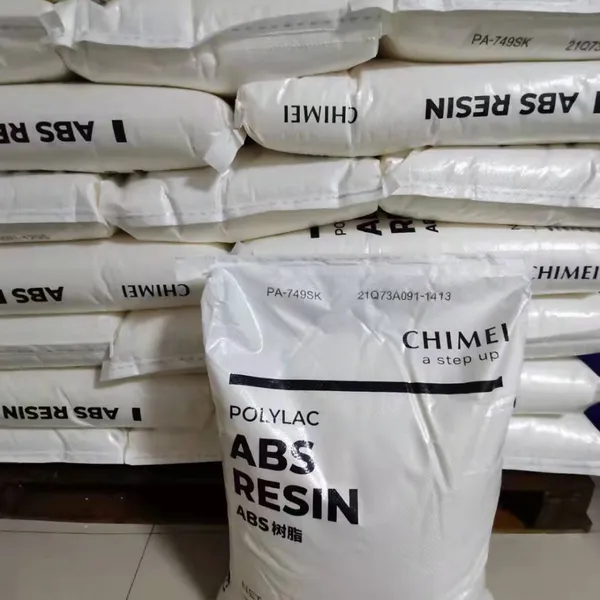
Chimei ABS Resin D-1200 for Electronic Enclosures With Flame Retardant PropertiesNegotiableMOQ: 1 Kilogram
-
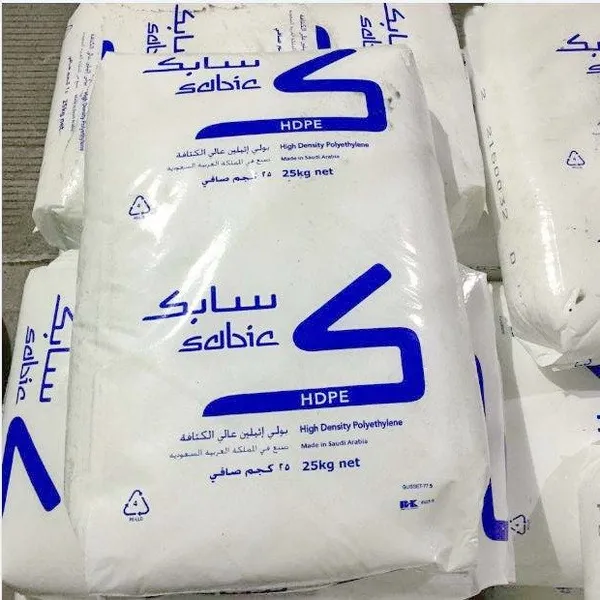
HDPE Film Grade Hta-001 Injection for High Strength ToughnessNegotiableMOQ: 1 Kilogram
-
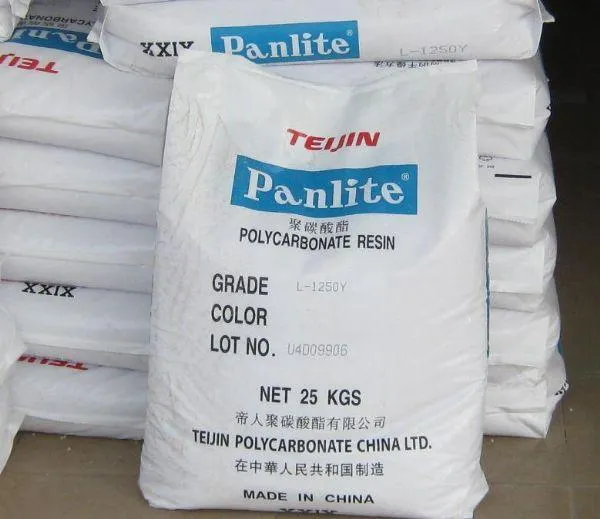
High‑Heat‑Resistant Optical‑Grade Polycarbonate PC Resin Teijin SP‑1516 for Camera Lens ManufacturingNegotiableMOQ: 1 Kilogram
-
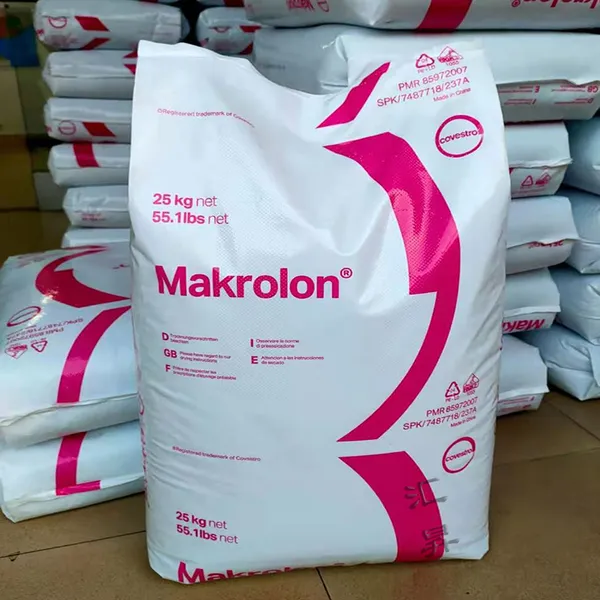
PC Resin Covestro 1803 With High Impact Resistance for Automotive PartsNegotiableMOQ: 25 Kilograms
-
General Purpose ABS GP-22 From Ineos Ideal for Daily Consumer Goods and Common Injection PartsNegotiableMOQ: 1 Kilogram
-
Celanese DuPont Precision XGC-25 DuPont Injection Molding Plastic Products POMNegotiableMOQ: 1 Kilogram
-
High Impact ABS Plastic Granules HI-121H Industrial Raw MaterialNegotiableMOQ: 1 Kilogram

-
Sinopec PP N-T30S Virgin Wire Drawing Grade Polypropylene GranulesNegotiableMOQ: 1 Kilogram
-
POM F10-03H With High Impact Resistance for Automotive Fuel System ComponentsNegotiableMOQ: 1 Kilogram
-
General Impact Grade ABS PA 737 Fit for Mass Production Daily Plastic and Office Supply PartsNegotiableMOQ: 1 Kilogram
-
366-5 PP Resin Granules With High Impact Strength for Industrial UseNegotiableMOQ: 1 Kilogram
-
PP Granules 3009 - Flame Retardant PP Compound for Electrical Components, UL94 V-2 RatedNegotiableMOQ: 1 Kilogram
-
PC-115P Polycarbonate Resin for 3D Printing Filaments With Low WarpageNegotiableMOQ: 1 Kilogram
-
Low‑Temperature Impact PP Pellets K4750 Modified Copolymer for Automotive BumpersNegotiableMOQ: 1 Kilogram
-
Chimei ABS Resin D-2200 for Luggage and Travel Cases With High RigidityNegotiableMOQ: 1 Kilogram
-
Natural Color Delrin POM M90NAT Celanese DuPont Virgin Resin Raw MaterialNegotiableMOQ: 1 Kilogram
-
FMA016 HDPE Grade for Large-Diameter Corrugated Pipe ProductionNegotiableMOQ: 1 Kilogram