
 Business License

How to Recycle Plastic at Home: A Complete Guide
Last March, Linda from Portland tossed her entire week's plastic waste into the curbside recycling bin without a second thought. Two weeks later, she received a bright orange tag on her bin: "Contaminated load rejected." Her bag of yogurt cups, greasy takeout containers, and crumpled shopping bags had not only failed to get recycled but had also spoiled an entire truckload of otherwise clean materials.
Most of us want to do the right thing. We separate our trash. We look for the recycling symbol.
Yet confusion about rules, codes, and preparation keeps countless tons of recyclable plastic out of the proper stream every single year. Learning how to recycle plastic at home does not require a chemistry degree or a basement full of bins. It simply calls for a clear system and a few habits that stick.
This guide walks you through exactly how to recycle plastic at home without the guesswork. You will learn how to read plastic recycling codes, set up a simple sorting station, clean containers correctly, reuse items before they reach the bin, and avoid the common mistakes that send plastic straight to landfill. Whether you live in a studio apartment or a four-bedroom house, these steps scale to fit your space and lifestyle.
Ready to stop the contamination cycle? Start by reading your local recycling guidelines online. Most municipalities publish a simple yes-or-no list that takes five minutes to review and saves weeks of second-guessing.
Understand Plastic Recycling Codes Before You Start
Every plastic container carries a small triangle of chasing arrows with a number inside. That number matters more than most people realize. The resin identification code tells you what type of plastic you are holding and whether your local facility can process it.
PET (1) covers water bottles, soda bottles, and many food jars. Facilities widely accept it.
HDPE (2) includes milk jugs, detergent bottles, and shampoo containers. It also enjoys broad acceptance.
PVC (3) shows up in pipes, blister packs, and some food wrap. Most curbside programs reject it because the chlorine content complicates reprocessing.
LDPE (4) means plastic bags, squeezable bottles, and six-pack rings. Drop-off bins at grocery stores usually handle this category.
PP (5) covers yogurt tubs, butter containers, and medicine bottles. Acceptance varies widely by region.
PS (6) is styrofoam and disposable cups. Very few curbside services take it.
Other (7) is a catch-all for layered plastics, bioplastics, and polycarbonate. It rarely belongs in standard bins.
Never assume that the chasing-arrow symbol means an item is recyclable in your area. The symbol only identifies the resin type. Your municipal program decides what it actually accepts.
Check your local waste authority's website and print their accepted-items list. Tape it near your recycling station for quick reference.
When Marcus moved into his Denver apartment last year, he threw every plastic item into the same bin. After three months, he noticed his building's recycling dumpster frequently overflowed while the landfill bin stayed half-empty.
He called the city's waste department and learned that his building's hauler only accepted numbers 1 and 2. Everything else had been contaminating the load. Marcus posted a small chart above his kitchen trash area. Within a month, his actual landfill waste dropped by 40 percent, and the building's recycling contamination rate improved noticeably.
Build a Simple Home Recycling System
Confusion breeds inconsistency. The best way to learn how to recycle plastic at home is to remove the daily decision-making. A dedicated recycling station with clear categories turns a vague intention into an automatic habit.
Choose a location that you pass frequently. The kitchen works best for most households. Under the sink, beside the pantry, or in a corner of the laundry room all serve well.
If space is tight, a single divided bin or two stackable containers work better than a sprawling setup.
Label every container clearly. Use large lettering and color coding. One bin for accepted curbside plastics. A second bag or box for plastic bags and film that need a grocery-store drop-off.
A third container holds items that require specialty recycling, such as batteries or electronics. When family members or guests can see the system at a glance, they use it correctly.
Keep a permanent marker nearby. When you empty a bottle, mark the number on the bottom if it is faint. This small step saves time during sorting later.
Teach children the basics by turning it into a quick matching game. Even preschoolers can learn that bottles go in one bin and bags go in another.
The Nguyen family in Toronto lives in a 700-square-foot condo with no balcony. They mounted three small wire baskets on their kitchen wall.
The top basket holds clean number 1 and 2 plastics. The middle basket collects plastic bags and bread bags. The bottom basket gathers styrofoam and other specialty items for monthly drop-offs.
Their system takes up less than two square feet of wall space and processes every piece of plastic that enters their home.
Clean and Prep Plastic the Right Way
Contamination is the single biggest reason recyclables get rejected. Food residue, grease, and liquid ruin entire batches of otherwise clean plastic. Learning how to recycle plastic at home means learning how to clean it first.
Rinse containers until they run clear. You do not need to scrub them with soap or run them through the dishwasher. A quick swirl of water removes most residue.
Shake them dry before placing them in the bin. Excess water adds weight, breeds mold, and complicates the sorting process at the facility.
Remove loose caps and lids when your local program asks for it. Many modern facilities now prefer caps left on bottles because loose caps fall through machinery and become litter.
Check your local guidelines for this specific rule. When in doubt, leave the cap on. It is better than losing it on the conveyor belt.
Leave labels on unless they peel off easily. Modern recycling systems handle labels. Trying to scrape every label off with a knife wastes time and risks injury.
Flatten bottles and jugs to save space in your bin and in the collection truck. More volume per load means fewer collection trips and lower transportation emissions.
Never bag your recyclables inside plastic grocery bags. Workers and sorting machines cannot easily open those bags. They often pull the entire bag off the line and send it to landfill.
Place items loose in the bin. If you must use a liner, choose a paper bag or no bag at all.
Reuse Plastic Items Before You Recycle
Recycling is good. Reusing is better. Every time you extend a plastic item's life, you delay the energy-intensive recycling process and reduce demand for new virgin plastic.
Yogurt tubs make excellent planters for herbs and seedlings. Water bottles work well as homemade fly traps or slow-drip irrigation for garden beds. Mesh produce bags become scrubbers for tough dishes.
Clean takeout containers organize screws, craft supplies, and refrigerator leftovers. Bread bags store other bread bags or collect pet waste on walks.
The key is keeping these items clean and purposeful. A greasy container reused in the kitchen creates health hazards. A water bottle left in direct sunlight degrades and can leach chemicals. Use common sense and retire items when they show wear, cloudiness, or cracks.
Set a one-week rule. Before you recycle any plastic container, ask whether it can serve another purpose in your home for just seven more days. You will be surprised how many secondary uses appear. This habit also slows your consumption rate because you begin to see packaging as a resource rather than trash.
Handle Hard-to-Recycle Plastics Responsibly
Not all plastic belongs in the curbside bin. Plastic bags, films, wraps, and styrofoam require special handling. Throwing them in standard recycling jams machinery, creates safety hazards for workers, and contaminates loads.
Collect plastic bags and films in a single designated bag. When it is full, take it to a participating grocery store or retail drop-off.
Many major chains maintain bins near the entrance for this exact purpose. Accepted items usually include grocery bags, bread bags, produce bags, dry-cleaning film, bubble wrap, and plastic shipping envelopes. Always remove paper labels, receipts, and tape when possible.
Styrofoam poses a bigger challenge. Some shipping stores accept clean packing peanuts for reuse. Certain municipalities host periodic styrofoam collection events.
A growing number of private mail-back programs exist for denser styrofoam blocks, though they typically charge a fee. If none of these options exist near you, consider choosing products with alternative packaging in the future.
Medication blister packs, chip bags, and toothpaste tubes fall into the "hard-to-recycle" category. Companies like TerraCycle operate mail-in programs for these items.
The cost varies, but neighborhood groups sometimes pool resources to share a collection box. Schools and community centers occasionally host brigades for specific waste streams. It takes extra effort, but keeping these plastics out of landfill makes a measurable difference.
Avoid These Common Recycling Mistakes
Even well-meaning households make errors that undermine the entire system. Recognizing these pitfalls is half the battle when mastering how to recycle plastic at home.
Wishcycling tops the list. This is the habit of tossing questionable items into the bin and hoping they get recycled. Pizza boxes with grease stains, dirty peanut butter jars, and mixed-material containers all fall into this trap.
When in doubt, throw it out. One contaminated item can spoil an entire bale.
Bagging recyclables in plastic bags is another frequent error. Sorting facilities use automated machinery. Plastic bags wrap around screens, gears, and optical sorters.
Workers must shut down lines to cut them free, which costs time and money. Always place items loose in the bin.
Ignoring shape and size rules also causes problems. Small items like bottle caps, straws, and loose lids often fall through sorting screens. Some facilities cannot process them.
Items smaller than a credit card frequently end up in landfill regardless of their material. Attach small caps to bottles when your program allows it, or discard them if required.
Including biodegradable or compostable plastics in standard recycling confuses processors. These materials require industrial composting facilities, not plastic reprocessors. They contaminate conventional plastic batches and reduce the quality of recycled resin. Keep them separate and route them to the appropriate composting stream.
Track Your Progress and Stay Consistent
Building a habit takes repetition. The first two weeks of any new recycling system feel like extra work. After a month, the motions become automatic. After three months, you will find yourself noticing packaging choices in stores and gravitating toward products in easily recycled containers.
Weigh your plastic landfill waste one week, then weigh it again after a month of using your new system. Many households see a 30 to 50 percent reduction in plastic trash once they start sorting properly and reusing containers. That reduction translates directly into fewer garbage bags, fewer collection trips, and less environmental impact.
Share your system with housemates, family members, and guests. A small sign above the bins prevents most mistakes. Update the sign whenever your municipality changes its accepted-items list. Recycling rules evolve as market demand for different resins shifts.
The Chen family in Austin started with a single bin for number 1 and 2 plastics. Six months later, they added a bag collection for grocery-store drop-offs. After a year, they joined a neighborhood TerraCycle brigade for snack wrappers.
Their household now sends less than one small garbage bag to landfill per week. Their children have internalized the habit so thoroughly that they correct relatives at holiday gatherings. Small steps compound into lasting change.
Conclusion
Learning how to recycle plastic at home comes down to three principles: know your codes, keep it clean, and sort with intention. You do not need elaborate equipment or hours of free time. You need a small station, a clear list of accepted items, and the discipline to rinse containers before they go in the bin.
Here are the key takeaways to remember:
Check your local recycling guidelines and post the accepted-items list near your bins.
Rinse containers until they run clear and place them loose in the bin, never inside plastic bags.
Read the resin codes on packaging and sort accordingly.
Reuse clean containers at home before sending them to recycling.
Take plastic bags, films, and styrofoam to appropriate drop-off locations or specialty programs.
Start today. Pick one category of plastic that you currently throw away and commit to recycling it correctly this week. Add another category next week. Within a month, you will have a home recycling system that actually works, reduces your environmental footprint, and keeps contaminated loads out of the landfill.
Want more practical guides on sustainable materials and responsible plastic use? Explore our latest articles on eco-friendly alternatives to plastic and the circular economy for plastics to deepen your understanding of how materials flow through modern supply chains.
Recently Posted
-
How to Choose an Engineering Plastics Supplier That Protects Your Production Line
June 10, 2026Last March, a tier-2 automotive supplier in Stuttgart received a shipment of PA66 GF30 that looked identical to every batch before Read More
 -
How Long Does Plastic Last? A Materials Engineer's Guide to Polymer Lifespan
June 10, 2026A single polyethylene grocery bag can persist in a landfill for 500 years, yet the same material inside your refrigerator's in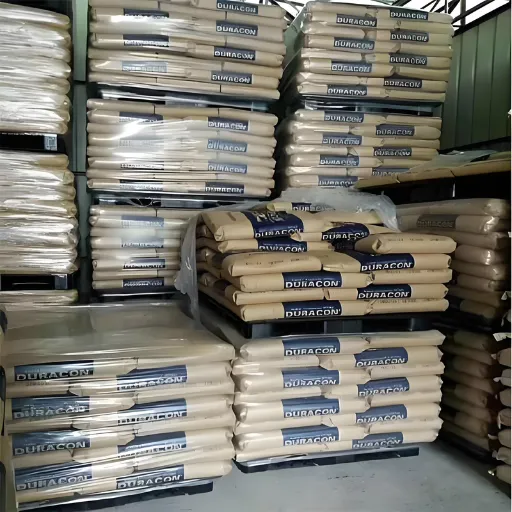 Read More
 -
How to Identify Plastic Type: A Practical Guide for Materials Engineers and Procurement Managers
June 10, 2026A shipment arrives at your receiving dock. The labels are damaged, the certificates of analysis are missing, and your production l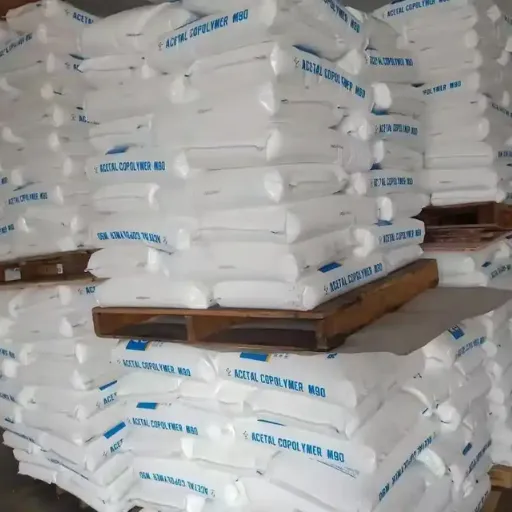 Read More
 -
Which Plastics Are Food Safe? A Materials Engineer's Guide to FDA Food Contact Compliance
June 10, 2026Maria's production line ground to a halt on a Tuesday morning in March. Her injection molding facility had just shipped 50,000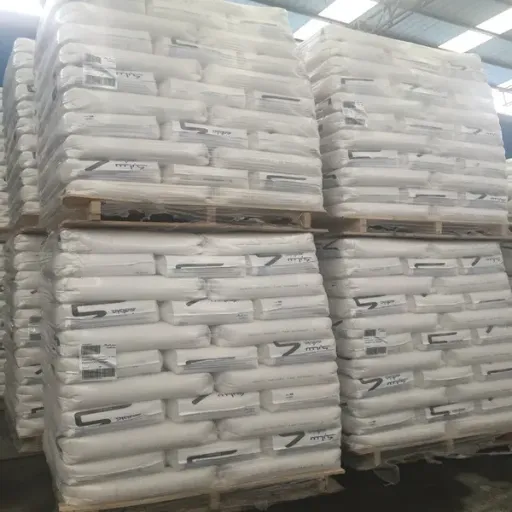 Read More

Contact Us
Recommended Products
-
 POM GF-10 Glass-Fiber Reinforced Resin Pellets for Industrial GearsNegotiableMOQ: 1 Kilogram
 -
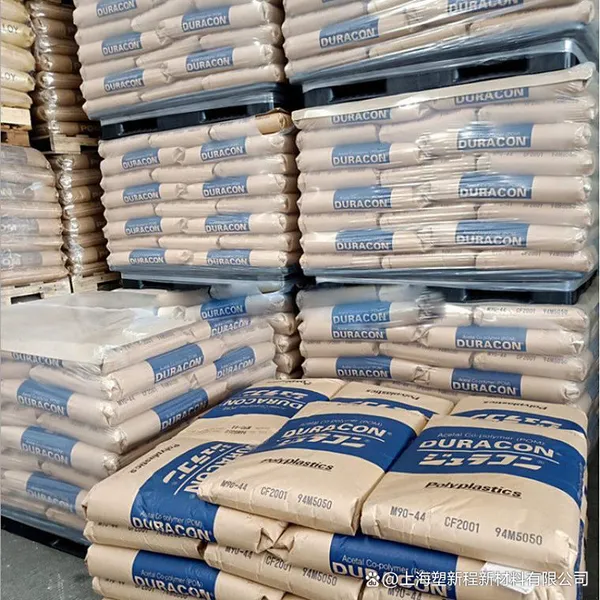
Duracon POM SW-01 Granules - High-Performance Copolymer Resin for Industrial UseNegotiableMOQ: 1000 Kilograms
-
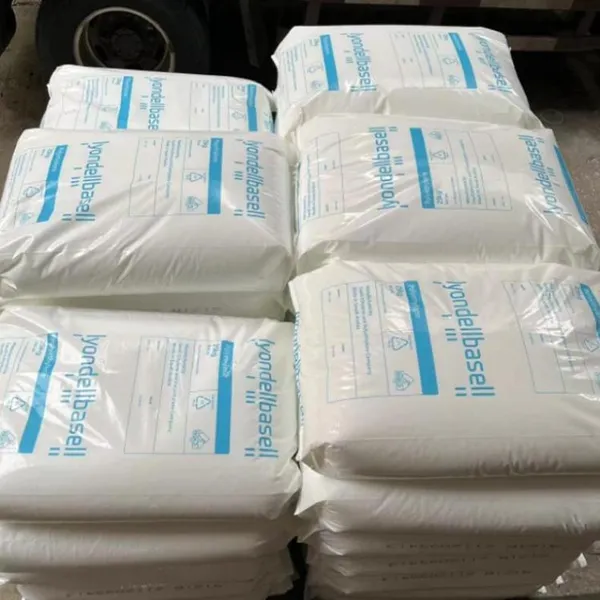
Basel Origin PP 4160/HP500N General Purpose Injection Molding Homopolymer Polypropylene PP PelletsNegotiableMOQ: 1000 Kilograms
-
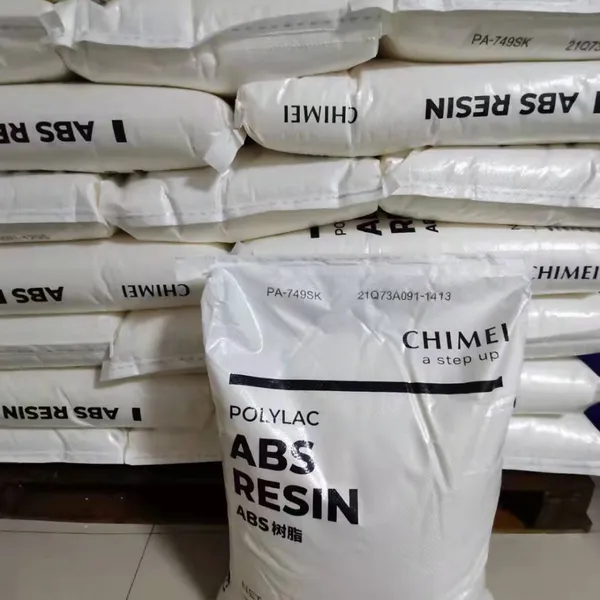
Chimei ABS Resin D-1200 for Electronic Enclosures With Flame Retardant PropertiesNegotiableMOQ: 1 Kilogram
-
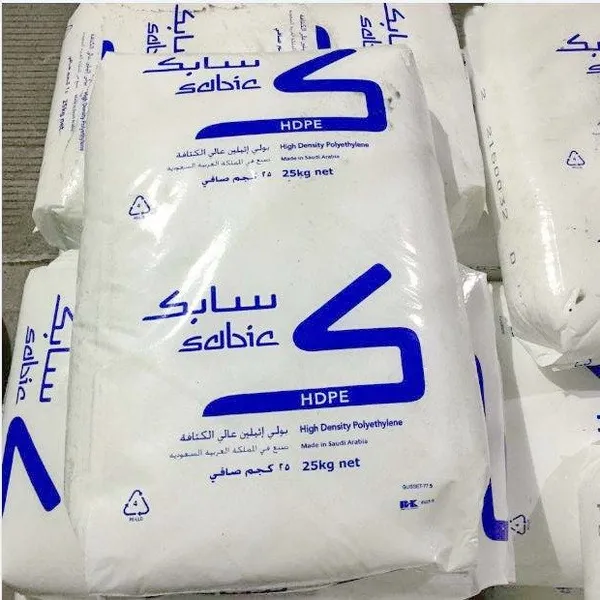
HDPE Film Grade Hta-001 Injection for High Strength ToughnessNegotiableMOQ: 1 Kilogram
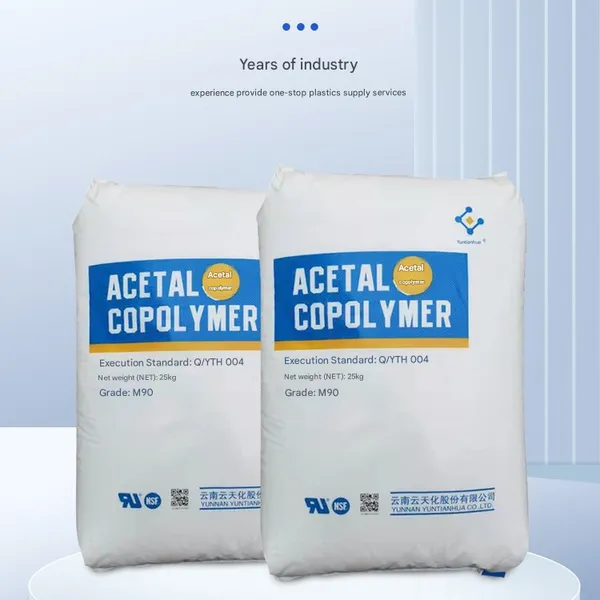
-
High‑Heat‑Resistant Optical‑Grade Polycarbonate PC Resin Teijin SP‑1516 for Camera Lens ManufacturingNegotiableMOQ: 1 Kilogram
-
PC Resin Covestro 1803 With High Impact Resistance for Automotive PartsNegotiableMOQ: 25 Kilograms
-
General Purpose ABS GP-22 From Ineos Ideal for Daily Consumer Goods and Common Injection PartsNegotiableMOQ: 1 Kilogram
-
Celanese DuPont Precision XGC-25 DuPont Injection Molding Plastic Products POMNegotiableMOQ: 1 Kilogram
-
High Impact ABS Plastic Granules HI-121H Industrial Raw MaterialNegotiableMOQ: 1 Kilogram

-
Sinopec PP N-T30S Virgin Wire Drawing Grade Polypropylene GranulesNegotiableMOQ: 1 Kilogram
-
POM F10-03H With High Impact Resistance for Automotive Fuel System ComponentsNegotiableMOQ: 1 Kilogram
-
General Impact Grade ABS PA 737 Fit for Mass Production Daily Plastic and Office Supply PartsNegotiableMOQ: 1 Kilogram
-
366-5 PP Resin Granules With High Impact Strength for Industrial UseNegotiableMOQ: 1 Kilogram
-
PP Granules 3009 - Flame Retardant PP Compound for Electrical Components, UL94 V-2 RatedNegotiableMOQ: 1 Kilogram
-
PC-115P Polycarbonate Resin for 3D Printing Filaments With Low WarpageNegotiableMOQ: 1 Kilogram
-
Low‑Temperature Impact PP Pellets K4750 Modified Copolymer for Automotive BumpersNegotiableMOQ: 1 Kilogram
-
Chimei ABS Resin D-2200 for Luggage and Travel Cases With High RigidityNegotiableMOQ: 1 Kilogram
-
Natural Color Delrin POM M90NAT Celanese DuPont Virgin Resin Raw MaterialNegotiableMOQ: 1 Kilogram
-
FMA016 HDPE Grade for Large-Diameter Corrugated Pipe ProductionNegotiableMOQ: 1 Kilogram