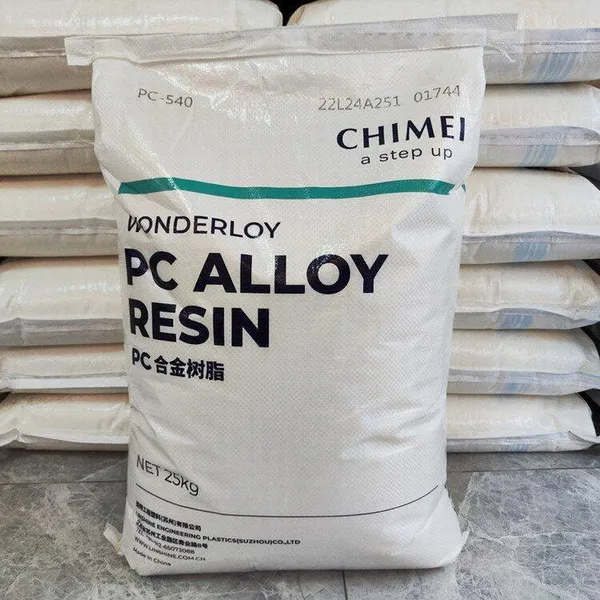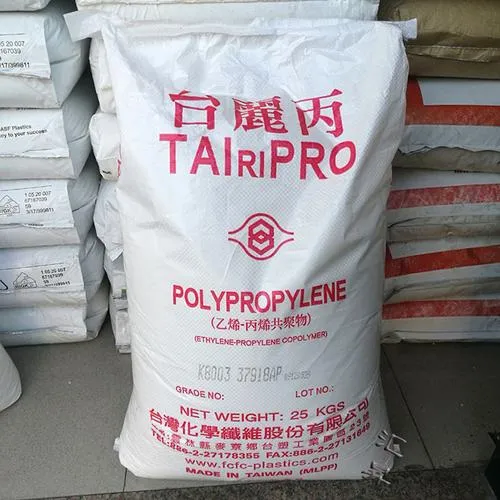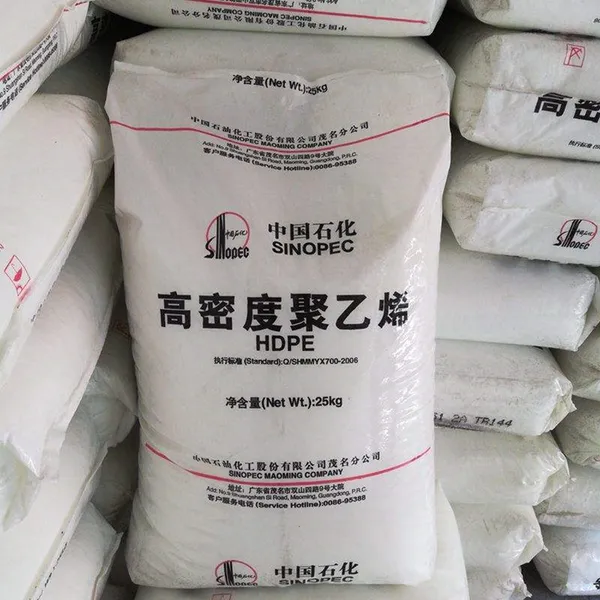

 Business License

Which Plastics Are Food Safe? A Materials Engineer's Guide to FDA Food Contact Compliance
Maria's production line ground to a halt on a Tuesday morning in March. Her injection molding facility had just shipped 50,000 food container lids to a European distributor when the customer's quality audit revealed a critical flaw: the standard ABS resin she specified was not FDA-approved for direct food contact. The recall cost her company $120,000 and a six-month supply contract. If you source plastics for food-contact applications, Maria's mistake is one you cannot afford to repeat.
You already know that material selection determines product safety, regulatory compliance, and manufacturing liability. What you need is a clear, technically grounded framework for identifying which plastics meet FDA food contact requirements, understanding the documentation that backs those claims, and avoiding the specification errors that lead to audit failures and recalls. This guide provides exactly that.
We will cover the plastics that carry legitimate FDA food contact approval, the difference between "food grade" marketing language and actual compliance certification, the documentation you must verify before production, and the common mistakes that trip up even experienced procurement teams. With sufficient Shanghai-based inventory of food contact-compliant PP, PE, and PC grades, Shanghai Wenqin Plastics supports manufacturers who need both technical accuracy and reliable supply for food-contact applications. Explore our food contact-grade material portfolio to see available grades and specifications.
What Makes a Plastic Food Safe?
The term "food safe plastic" is not a casual designation. In the United States, the FDA regulates food contact substances under 21 CFR, which defines which materials may contact food without posing a health risk. A plastic achieves FDA food contact status when the specific resin formulation, including all additives, stabilizers, and colorants, has been evaluated and approved for the intended food type and contact conditions.
Temperature matters. A PP grade approved for room-temperature food storage may not be suitable for microwave reheating or hot-fill applications. The same polymer family can carry different approvals depending on the specific grade, filler content, and processing history.
Additives matter. Standard UV stabilizers, flame retardants, and certain colorants used in general-purpose grades are not approved for food contact. A base resin might be theoretically acceptable, but the compounded final product requires its own compliance verification.
Processing matters. Even an FDA-approved resin can become non-compliant if processed on equipment that previously handled non-food-grade materials without proper purging. Cross-contamination during compounding or molding is a documented source of compliance failures.
For procurement managers, this means supplier documentation is non-negotiable. A verbal assurance that a material is "food grade" is not the same as a supplier-provided FDA compliance letter, a food contact certificate, or a Technical Data Sheet (TDS) that explicitly states 21 CFR compliance. Always verify that documentation references the specific grade, batch, and application conditions relevant to your product.
FDA-Approved Food Safe Plastics by Category
Not all polymers are created equal when it comes to food contact. The following categories represent the plastics most commonly specified for food-contact applications in manufacturing, along with their approved uses and critical limitations.
Polypropylene (PP)
PP is one of the most widely used food contact plastics due to its excellent chemical resistance, low moisture absorption, and broad temperature tolerance. FDA-compliant homopolymer and copolymer PP grades are approved for food packaging, food storage containers, kitchen utensils, and appliance components that contact food.
Key properties for food contact:
Operating temperature: -20°C to 120°C depending on grade
Excellent resistance to acids, alkalis, and most food oils
Low moisture absorption (under 0.1%) prevents flavor contamination
Good fatigue resistance for hinged containers (living hinges)
Limitations: PP is not suitable for high-temperature applications above its melting point (~160-170°C). Certain strongly aromatic foods can cause stress cracking in thin-wall containers. Mineral-filled or glass-filled PP grades require separate food contact approval verification, as the fillers and coupling agents must also meet FDA requirements.
Shanghai Wenqin Plastics supplies PP food contact grades suitable for appliance components, food containers, and industrial food processing equipment. Request a TDS for our PP food contact grades to verify compliance documentation for your application.
Polyethylene (PE)
Both high-density polyethylene (HDPE) and low-density polyethylene (LDPE) carry extensive FDA food contact approvals. HDPE dominates rigid food containers, milk jugs, and industrial food storage vessels. LDPE serves flexible applications including food wrap, squeeze bottles, and film packaging.
HDPE food contact characteristics:
Stiffness and strength for structural containers
Chemical resistance comparable to PP
Typical density: 0.94-0.97 g/cm³
Approved for cold and room-temperature food contact
LDPE food contact characteristics:
Flexibility and toughness for film and squeeze applications
Lower density: 0.91-0.94 g/cm³
Excellent moisture barrier properties
Lower heat resistance than HDPE; typically limited to 80-90°C service temperature
Critical consideration for PE: Recycled PE content can compromise food contact compliance unless the recycler maintains FDA-approved processes and chain-of-custody documentation. For regulated food-contact applications, virgin FDA-compliant PE is the safer specification. Cross-linked PE (PEX) requires separate evaluation, as the cross-linking chemistry introduces additives that may not carry food contact approval.
Polycarbonate (PC)
PC offers a rare combination of transparency, high impact strength, and heat resistance that makes it valuable for reusable food containers, water bottles, and appliance viewing windows in food equipment. Specific PC food contact grades are FDA-compliant for repeated-use applications.
Where PC excels for food contact:
Transparency combined with toughness (unlike brittle PS alternatives)
Heat resistance to 120-130°C for dishwasher-safe applications
Dimensional stability for precision-molded appliance components
The BPA consideration: PC is synthesized using bisphenol A (BPA), and regulatory scrutiny around BPA migration has intensified. While FDA maintains that PC is safe at approved use levels, some manufacturers and markets now specify BPA-free alternatives. If your product targets markets with BPA restrictions, verify current regulatory status and consider alternative transparent materials such as food-grade PET or clarified PP.
Shanghai Wenqin Plastics provides PC grades with food contact compliance documentation for manufacturers requiring transparent, high-strength food-contact components. Contact our technical team to discuss whether PC or an alternative transparent grade suits your specific food contact application.
Polyethylene Terephthalate (PET)
PET dominates disposable food and beverage packaging. It is FDA-approved for single-use and repeated-use food contact applications, offering excellent clarity, good barrier properties, and recyclability. Most consumers encounter PET as water bottles, food trays, and clamshell packaging.
For industrial manufacturers, PET is less commonly specified in injection-molded durable goods than PP or PC, but food-grade PET remains relevant for packaging components, processing equipment parts, and applications where clarity plus chemical resistance is required.
Polystyrene (PS) and Expanded Polystyrene (EPS)
Crystal polystyrene and high-impact polystyrene (HIPS) carry FDA approvals for specific food contact applications, primarily disposable food service items. EPS foam is widely used for insulated food containers and cups. However, PS's relatively low heat resistance (Vicat softening around 90-100°C) and brittleness limit its utility in durable, reusable food-contact products.
Important note on styrenics: General-purpose ABS, which contains styrene, is not FDA-approved for direct food contact. The butadiene rubber phase and standard additive packages in ABS create compliance barriers that make it unsuitable for food-contact applications unless specifically formulated and approved as a food-grade variant. If your design calls for the toughness and appearance of ABS in a food-contact environment, specify an alternative such as food-grade PP or a specially approved food-contact ABS compound with full compliance documentation.
Polyoxymethylene (POM / Acetal)
POM homopolymer and copolymer grades with specific FDA food contact approvals are available for precision components in food processing equipment, conveyor systems, and dispensing mechanisms. POM's low friction and wear resistance make it valuable for moving parts that contact food or food packaging.
Limitation: Not all POM grades carry food contact approval. Standard grades may contain formaldehyde-based chemistry and additives that require specific FDA evaluation. Verify compliance documentation for each grade before specifying.
Food Safe Plastic Grades for Industrial Applications
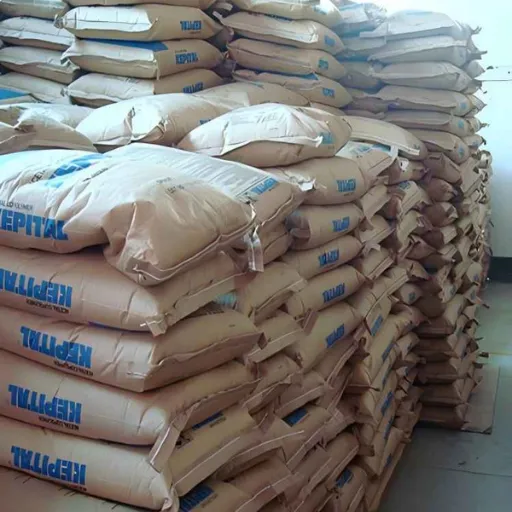
The distinction between consumer food packaging and industrial food processing equipment matters significantly in material selection. A resin approved for a single-use yogurt cup may not survive the mechanical loads, temperature cycles, or cleaning chemicals of industrial food production.
Food Contact vs. Food Grade: A Critical Distinction
"Food grade" is marketing language without standardized regulatory meaning. "FDA food contact compliant" is a specific, verifiable claim tied to 21 CFR regulations. When evaluating suppliers, request documentation that states:
The specific CFR regulation number (e.g., 21 CFR 177.1520 for olefin polymers)
The conditions of use (temperature, food type, contact duration)
Whether the approval covers the specific formulation including additives and colorants
When Klaus, a procurement manager at a German food processing equipment manufacturer, sourced PP components from a new Asian supplier in 2024, he received a generic "food grade" certificate with no CFR reference. His quality team rejected the shipment after discovering the material contained a non-compliant nucleating agent. The supplier had interpreted "food grade" loosely.
Klaus now requires explicit 21 CFR references and supplier-signed compliance declarations for every food-contact material order. His policy has prevented three similar issues in the subsequent 18 months.
Processing Considerations for Food Contact Parts
Even the correct resin fails if processing introduces contamination. Manufacturers molding food-contact components must consider:
Equipment cleanliness: Injection molding machines and extruders used for both food-contact and non-food-contact materials require validated cleaning protocols. Purging compounds must themselves be food-contact approved if residue could contact the final product.
Mold release agents: Standard mold releases often contain silicones or hydrocarbons not approved for food contact. Specify food-grade mold releases for food-contact surfaces.
Regrind policy: Using regrind (recycled sprues and runners) in food-contact parts requires that the regrind itself is food-contact compliant and has not been contaminated during handling. Many manufacturers specify 0% regrind for critical food-contact surfaces.
Colorants and masterbatches: Even if the base resin is FDA-compliant, color concentrates must carry their own food contact approvals. Verify that masterbatch suppliers provide compliance documentation matching your application's conditions of use.
Compliance Certifications and Documentation
Documentation is the backbone of food-contact material compliance. Regulatory auditors, customer quality teams, and customs inspectors increasingly demand traceable proof that materials meet declared standards.
Essential Documents for Food Contact Plastics
Technical Data Sheet (TDS): Should specify FDA compliance status, relevant CFR sections, and conditions of use. Verify that the TDS references the exact grade being supplied, not a generic product family.
Certificate of Analysis (COA): Per-batch documentation confirming that the supplied lot meets specifications. For food-contact applications, the COA should ideally include a compliance declaration.
Material Safety Data Sheet (MSDS/SDS): Required for hazardous material classification and worker safety. While not a food contact document per se, it supports overall material stewardship.
FDA Compliance Letter or Food Contact Certificate: Some suppliers provide a formal letter stating that the material complies with 21 CFR for specified applications. This document carries more weight than a generic TDS note.
EU Regulation 10/2011 Compliance: For European markets, materials must comply with EU plastics regulation, including overall migration limits and specific migration limits for authorized substances. A material FDA-compliant for the U. S. market is not automatically EU-compliant.
Third-Party Certifications
NSF/ANSI Standards: For equipment components that contact drinking water or food in commercial settings, NSF/ANSI 51 (food equipment materials) and NSF/ANSI 61 (drinking water system components) provide additional certification layers beyond FDA compliance.
ISO 22000: While a management system standard rather than a material standard, ISO 22000 certification at your supplier indicates systematic food safety management that supports material traceability and contamination control.
Shanghai Wenqin Plastics provides complete TDS, MSDS/SDS, and compliance documentation for food contact-grade PP, PE, and PC grades upon request. Our documentation supports customer quality audits and regulatory submissions across U. S., European, and Middle Eastern markets. Request compliance certificates for the specific grades you are evaluating.
Common Mistakes in Food Contact Material Selection
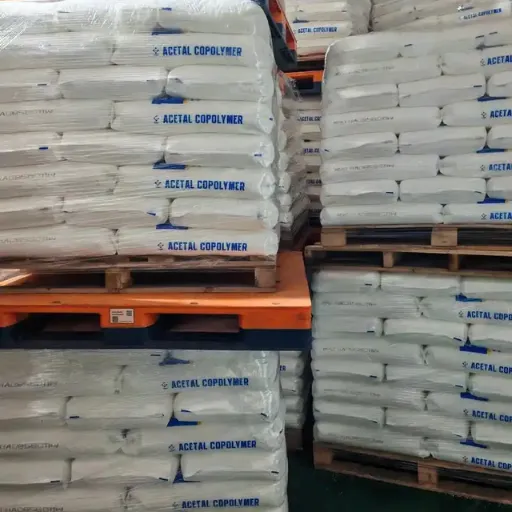
Even experienced materials engineers and procurement managers make errors when specifying plastics for food-contact applications. The following mistakes account for the majority of compliance failures in manufacturing.
Assuming a polymer family is universally food safe. PP as a polymer category is food-contact friendly, but a specific PP grade with non-compliant additives is not. Always verify the specific formulation, not just the base resin.
Confusing "food grade" marketing claims with regulatory compliance. "Food grade" on a datasheet without CFR reference or compliance certificate is unverified marketing language. Demand specific regulatory references.
Neglecting temperature and food type matching. FDA approvals are conditional. A material approved for room-temperature aqueous foods may not be approved for high-temperature fatty foods. Match the approval conditions to your actual application.
Overlooking colorant and additive compliance. The base resin may be compliant while the color masterbatch is not. Verify compliance for every component of the final compounded material.
Specifying general-purpose ABS for food contact. As noted earlier, standard ABS grades are not FDA-approved for direct food contact. The rubber phase and standard additive packages create compliance barriers. For applications requiring ABS-like properties in food-contact environments, consider food-contact-approved PP compounds or specially formulated food-grade ABS with full documentation.
Failing to verify EU compliance for European exports. FDA compliance does not guarantee EU Regulation 10/2011 compliance. If your product ships to European markets, verify both regulatory frameworks or specify materials with dual compliance.
Conclusion
Selecting the right food safe plastic requires more than choosing a familiar polymer name. It demands verification that the specific grade, formulation, and processing history meet the regulatory requirements of your target market. PP, PE, and PC dominate food-contact applications for good reason: they offer proven compliance paths, well-understood processing behavior, and broad supplier availability. Yet within each polymer family, only specific grades carry legitimate FDA or EU food contact approval.
The procurement professionals and materials engineers who avoid costly recalls share one habit: they verify documentation before production, not after. They require explicit CFR references, batch-specific compliance declarations, and processing controls that prevent cross-contamination. They treat "food grade" as a starting point for inquiry, not an endpoint for specification.
At Shanghai Wenqin Plastics, we supply food contact-compliant PP, PE, and PC grades with complete TDS, MSDS/SDS, and compliance documentation to support your quality systems and regulatory submissions. Based in Shanghai with sufficient inventory and established export logistics, we serve food equipment manufacturers, appliance producers, and packaging companies worldwide. Contact our technical team to discuss your food-contact material requirements, request compliance certificates, or arrange a sample for evaluation and qualification testing.
Recently Posted
-
How to Choose the Right Engineering Plastics Distributor for Your Manufacturing Supply Chain
June 12, 2026When a production line at a German automotive tier-1 supplier ground to a halt last year, the cause was not equipment failure or l Read More
 -
The Plastic Extrusion Process: A Complete Technical Guide for Manufacturers
June 12, 2026When the quality team at a window profile plant in Poland measured wall thickness drift on their PVC line last spring, the culprit Read More
 -
How to Choose an Engineering Plastics Supplier That Protects Your Production Line
June 10, 2026Last March, a tier-2 automotive supplier in Stuttgart received a shipment of PA66 GF30 that looked identical to every batch before Read More
 -
How Long Does Plastic Last? A Materials Engineer's Guide to Polymer Lifespan
June 10, 2026A single polyethylene grocery bag can persist in a landfill for 500 years, yet the same material inside your refrigerator's in Read More

Contact Us
Recommended Products
-
 POM GF-10 Glass-Fiber Reinforced Resin Pellets for Industrial GearsNegotiableMOQ: 1 Kilogram
 -
Duracon POM SW-01 Granules - High-Performance Copolymer Resin for Industrial UseNegotiableMOQ: 1000 Kilograms
-
Basel Origin PP 4160/HP500N General Purpose Injection Molding Homopolymer Polypropylene PP PelletsNegotiableMOQ: 1000 Kilograms
-
Chimei ABS Resin D-1200 for Electronic Enclosures With Flame Retardant PropertiesNegotiableMOQ: 1 Kilogram
-
HDPE Film Grade Hta-001 Injection for High Strength ToughnessNegotiableMOQ: 1 Kilogram
-
High‑Heat‑Resistant Optical‑Grade Polycarbonate PC Resin Teijin SP‑1516 for Camera Lens ManufacturingNegotiableMOQ: 1 Kilogram
-
PC Resin Covestro 1803 With High Impact Resistance for Automotive PartsNegotiableMOQ: 25 Kilograms
-
General Purpose ABS GP-22 From Ineos Ideal for Daily Consumer Goods and Common Injection PartsNegotiableMOQ: 1 Kilogram
-
Celanese DuPont Precision XGC-25 DuPont Injection Molding Plastic Products POMNegotiableMOQ: 1 Kilogram
-
High Impact ABS Plastic Granules HI-121H Industrial Raw MaterialNegotiableMOQ: 1 Kilogram

-
Sinopec PP N-T30S Virgin Wire Drawing Grade Polypropylene GranulesNegotiableMOQ: 1 Kilogram
-
POM F10-03H With High Impact Resistance for Automotive Fuel System ComponentsNegotiableMOQ: 1 Kilogram
-
General Impact Grade ABS PA 737 Fit for Mass Production Daily Plastic and Office Supply PartsNegotiableMOQ: 1 Kilogram
-
366-5 PP Resin Granules With High Impact Strength for Industrial UseNegotiableMOQ: 1 Kilogram
-
PP Granules 3009 - Flame Retardant PP Compound for Electrical Components, UL94 V-2 RatedNegotiableMOQ: 1 Kilogram
-
PC-115P Polycarbonate Resin for 3D Printing Filaments With Low WarpageNegotiableMOQ: 1 Kilogram
-
Low‑Temperature Impact PP Pellets K4750 Modified Copolymer for Automotive BumpersNegotiableMOQ: 1 Kilogram
-
Chimei ABS Resin D-2200 for Luggage and Travel Cases With High RigidityNegotiableMOQ: 1 Kilogram
-
Natural Color Delrin POM M90NAT Celanese DuPont Virgin Resin Raw MaterialNegotiableMOQ: 1 Kilogram
-
FMA016 HDPE Grade for Large-Diameter Corrugated Pipe ProductionNegotiableMOQ: 1 Kilogram