
 Business License

What Is ABS Plastic Used For? Applications, Properties, and Grade Selection
Sarah, a product engineer at a Midwest appliance manufacturer, specified general-purpose ABS for a new line of dishwasher control panels in late 2024. The material molded beautifully. Surface gloss was excellent. Initial drop tests passed. Then winter shipping began. Pallets left the factory at 5°C, spent two days in transit, and arrived at distribution centers with hairline cracks propagating across mounting tabs. Sarah's team learned a hard lesson: not all ABS grades perform equally in every environment.
You have probably encountered Acrylonitrile Butadiene Styrene (ABS) dozens of times today without realizing it. The keyboard under your fingers, the housing around your monitor, the dashboard vents in your car, and the casing on your power drill likely all contain this versatile engineering plastic. ABS is everywhere. What many procurement managers and design engineers do not fully grasp is how grade selection, impact modification, and flame-retardant formulations determine whether ABS delivers reliable performance or fails at the worst possible moment.
This guide explains exactly what ABS plastic is used for, from automotive interior trim to medical device housings. You will learn how ABS chemistry creates its balanced property profile, which grades suit specific applications, and how to select the right formulation for your manufacturing requirements.
Need help choosing between general-purpose, high-impact, or flame-retardant ABS? Contact our technical team for material selection guidance tailored to your application and processing method.
What Is ABS Plastic? Chemistry and Key Properties
ABS is a terpolymer composed of three monomers: acrylonitrile, butadiene, and styrene. Each monomer contributes distinct characteristics that combine into one of the most widely used engineering plastics in manufacturing.
Acrylonitrile provides chemical resistance, heat stability, and tensile strength. Butadiene, present as discrete rubber particles dispersed throughout the matrix, delivers toughness and impact resistance, particularly at low temperatures. Styrene contributes rigidity, processability, and the excellent surface gloss that makes ABS so attractive for visible consumer products. The ratio of these three components varies by grade, allowing manufacturers to tune ABS for specific performance requirements.
General-purpose ABS exhibits a tensile strength of 40-50 MPa, flexural modulus of 2,000-2,500 MPa, and density of 1.04-1.06 g/cm³. Heat deflection temperature at 1.82 MPa typically ranges from 85°C to 100°C depending on grade. These properties place ABS in a unique position between commodity plastics such as PP and PE and higher-performance engineering plastics such as PC and PA66.
Surface finish quality represents one of ABS's standout advantages. The styrene-acrylonitrile matrix accepts painting, plating, and metallization exceptionally well. This characteristic makes ABS the material of choice for decorative automotive trim, high-gloss appliance panels, and consumer electronics housings where appearance directly influences purchasing decisions.
Automotive Applications of ABS Plastic
The automotive industry ranks among the largest consumers of ABS resin globally. Interior trim panels, dashboard components, door handles, center consoles, and grille frames all rely on ABS for its combination of impact resistance, surface aesthetics, and cost-effectiveness.
Automotive interior applications demand grades that maintain ductility across a broad temperature range. A vehicle cabin experiences everything from sub-zero winter mornings to sun-baked summer afternoons exceeding 60°C on the dashboard surface. General-purpose ABS handles this range adequately, but high-impact grades are often specified for components subject to occupant contact or potential collision forces.
Exterior automotive applications use ABS less frequently than interior parts due to UV sensitivity. Unstabilized ABS experiences surface degradation and color shift after prolonged sun exposure. However, UV-stabilized grades and ASA (acrylonitrile styrene acrylate) variants extend exterior applicability to mirror housings, grille surrounds, and spoiler components. Many manufacturers also specify PC/ABS alloys for exterior parts requiring higher heat resistance and impact strength.
Maria, a procurement manager at a Mexican automotive tier-2 supplier, evaluated ABS versus PC/ABS for a new interior trim program in early 2025. PC/ABS offered superior heat resistance. It also carried a 35% cost premium. Maria's team tested high-gloss ABS grades with improved heat stabilization and found they met all interior temperature requirements while delivering the surface finish quality her customer demanded. The decision saved approximately $180,000 annually across the production volume without compromising performance.
Electronics and Electrical Housings
Consumer electronics represent another dominant market for ABS plastic. Laptop housings, monitor bezels, keyboard frames, router enclosures, and phone chargers all exploit ABS's excellent moldability, dimensional stability, and ability to accept flame-retardant additives.
The critical distinction in electronics applications lies between standard ABS and flame-retardant (FR) grades. Standard ABS achieves UL94 HB rating, meaning it burns slowly in a horizontal orientation. For electronics housings subject to safety certification, FR-ABS grades achieve UL94 V-0 or V-2 ratings at wall thicknesses of 1.5 mm or greater. These grades contain brominated or non-halogenated flame retardants that suppress combustion without destroying the mechanical properties that make ABS attractive.
David's team at a Shenzhen electronics contract manufacturer learned this distinction through painful experience. In 2024, they produced router housings from standard ABS to reduce material costs by 12% versus the specified FR-ABS grade. During thermal testing, a power supply fault caused localized heating that ignited the housing. The unit failed UL certification. David's team switched to a flame-retardant ABS grade, repeated testing, and achieved V-0 certification on the first attempt. The material cost increase was modest. The insurance premium reduction and market access gained were substantial.
Electrical enclosures for industrial control equipment also utilize ABS for its combination of insulation properties, impact resistance, and processability. Volume resistivity of 10^15 to 10^16 ohm·cm provides adequate electrical isolation for low-voltage applications, while the material's toughness protects sensitive electronics during installation and service.
Home Appliances and Consumer Goods
ABS plastic dominates visible components in major home appliances. Refrigerator door liners and interior trim, washing machine control panels and dispensers, vacuum cleaner housings, and air conditioner front panels all rely on ABS for its surface quality and durability.
High-gloss ABS grades are particularly valued in the appliance industry. The material can be molded to a Class A surface finish directly from the tool, reducing or eliminating the need for secondary painting operations. This capability reduces manufacturing cost, eliminates volatile organic compound emissions from paint processes, and improves scratch resistance compared to painted surfaces.
The property balance that makes ABS ideal for appliances also extends to consumer goods. LEGO bricks, arguably the most famous ABS application in the world, rely on the material's dimensional stability, colorability, and impact resistance. Power tool housings, luggage shells, and sporting goods equipment utilize ABS for similar reasons.
Recreational applications include canoe and kayak hulls, where ABS sheet is thermoformed into rugged, impact-resistant vessels. The material's ability to absorb impact without catastrophic fracture makes it safer than brittle alternatives for watercraft subject to rock contact and rough handling.
Industrial, Medical, and Toy Applications
Beyond consumer-facing products, ABS serves numerous industrial applications. Pipe fittings, pump housings, and fluid handling components utilize ABS for its chemical resistance to aqueous solutions and moderate mechanical strength. However, engineers must verify compatibility with specific chemicals, as ABS is attacked by concentrated acids, ketones, esters, and aromatic hydrocarbons.
Medical device manufacturers specify ABS for housings around non-implantable equipment such as diagnostic instruments, medication dispensers, and portable monitoring devices. The material can be formulated to meet USP Class VI and ISO 10993 biocompatibility requirements for limited patient contact applications. It also withstands common sterilization methods including ethylene oxide and gamma irradiation, though steam autoclaving is generally unsuitable due to ABS's heat deflection temperature.
The toy industry has relied on ABS since the 1960s. The material's toughness prevents sharp fracture edges when toys are dropped or stepped on. Its ability to hold tight dimensional tolerances ensures compatibility between interlocking components. And its excellent colorability enables bright, consistent hues that resist fading during play.
ABS Plastic Grades and How to Select the Right One
Understanding what ABS plastic is used for requires understanding the grade variations that make those applications possible. The following categories cover the most commercially significant ABS formulations.
General-Purpose ABS
General-purpose grades balance cost, processability, and mechanical properties for applications without extreme requirements. Tensile strength of 42-48 MPa and Izod impact strength of 20-30 kJ/m² suit interior trim, appliance panels, and general housings. These grades offer the broadest processing windows and lowest material cost.
High-Impact ABS
High-impact grades contain increased butadiene rubber content, typically 20-30% versus 10-20% in general-purpose formulations. Izod impact strength rises to 35-50 kJ/m² or higher, with significantly improved low-temperature ductility. Sarah's dishwasher panel problem would have been solved by specifying a high-impact grade for cold-climate shipping resilience.
High-Heat ABS
High-heat grades incorporate modified SAN copolymers or alpha-methyl styrene that raise heat deflection temperature to 105-115°C. These grades suit automotive interior components near HVAC outlets, appliance parts near heating elements, and applications requiring vapor phase soldering compatibility.
Flame-Retardant ABS
FR-ABS achieves UL94 V-0 ratings at thin walls through brominated, phosphorus-based, or non-halogenated flame-retardant systems. Selection depends on regulatory requirements: RoHS and REACH restrictions have driven demand for non-halogenated FR systems in European and environmentally certified applications.
Transparent ABS
Transparent grades use methyl methacrylate-modified formulations that achieve light transmittance of 80-85% with haze below 5%. These specialty grades serve medical device housings requiring visual inspection of internal components and consumer products where aesthetic transparency is desired.
ABS Alloys
PC/ABS alloys combine polycarbonate's heat resistance and impact strength with ABS's processability and cost structure. PC/ABS grades serve automotive interior components, electrical enclosures, and laptop housings requiring performance beyond standard ABS capabilities.
Unsure which ABS grade matches your application requirements? Our material selection guide provides property comparisons, processing parameters, and application recommendations for general-purpose, high-impact, and flame-retardant ABS formulations.
Processing Considerations for ABS
ABS processes primarily through injection molding and extrusion, with secondary operations including thermoforming, machining, and adhesive bonding. Understanding processing parameters ensures consistent part quality and minimizes defects.
Injection molding temperatures for ABS typically range from 220°C to 260°C. Mold temperatures of 50-80°C optimize surface gloss and minimize weld line visibility. Predrying is essential: ABS is hygroscopic and must be dried to moisture content below 0.1% before processing. Inadequate drying causes silver streaking, surface blemishes, and reduced mechanical properties.
Shrinkage rates of 0.4-0.7% facilitate mold design and dimensional prediction. The material's relatively low viscosity compared to PC or PA66 fills thin-wall sections and complex geometries with moderate injection pressures. This processability reduces cycle times and energy consumption, contributing to ABS's manufacturing cost advantage.
Extrusion grades of ABS produce sheet, pipe, and profile products. Sheet extrusion feeds thermoforming operations for refrigerator liners, luggage shells, and automotive interior panels. The extrusion process requires careful temperature control to prevent thermal degradation while achieving adequate melt strength for profile stability.
Post-molding operations take advantage of ABS's excellent adhesion characteristics. Cyanoacrylate, epoxy, and solvent-based adhesives bond ABS effectively. Painting and plating operations require surface cleaning and occasional priming, but ABS accepts decorative finishes more readily than polyolefins or nylons.
ABS vs. Alternative Engineering Plastics
Material selection demands comparison. ABS occupies a middle ground in the engineering plastics landscape, and understanding its position relative to alternatives prevents both under-specification and costly over-engineering.
ABS vs. PC (Polycarbonate)
Polycarbonate delivers roughly double the impact strength, superior transparency, and heat deflection temperatures around 130°C. PC justifies its higher cost for safety equipment, automotive lighting lenses, and applications requiring extreme toughness. For housings, trim, and panels where ABS meets thermal and mechanical requirements, ABS offers better processability and surface finish at lower material cost.
ABS vs. PP (Polypropylene)
Polypropylene costs less and offers lower density, but lacks ABS's stiffness, surface gloss, and impact resistance at room temperature. PP serves cost-sensitive, non-cosmetic applications such as appliance structural components and automotive under-hood parts. ABS wins for visible components requiring aesthetic quality and higher rigidity.
ABS vs. PA66 (Nylon 66)
PA66 operates in a completely different performance class. With tensile strength up to 200 MPa for glass-filled grades and heat deflection temperatures exceeding 250°C, PA66 serves structural automotive, industrial gear, and high-temperature electrical applications. ABS cannot compete in these domains. Conversely, PA66's higher moisture absorption, poorer surface finish, and higher cost make it unsuitable for cosmetic housings where ABS excels.
ABS vs. PVC
Rigid PVC competes with ABS in construction and some electrical applications. PVC offers superior chemical resistance and inherent flame retardancy but lacks ABS's impact resistance, processability, and thermal stability for injection molding. For electronics housings and appliance panels, ABS resin typically outperforms PVC.
Conclusion
What is ABS plastic used for? Nearly everywhere you look in modern manufacturing. Automotive interior trim relies on ABS for its impact resistance and surface quality. Electronics housings depend on flame-retardant grades for safety certification. Appliance panels exploit its mold-in-color gloss and durability. Toys, luggage, power tools, and medical devices all leverage ABS's unique balance of properties.
The key to successful ABS specification lies in grade selection. General-purpose grades suit undemanding applications where cost and processability matter most. High-impact grades prevent cold-temperature failures in shipping and handling. Flame-retardant grades satisfy electrical safety requirements. High-heat and transparent grades address specialized needs that standard formulations cannot meet.
Key takeaways:
ABS is a terpolymer of acrylonitrile, butadiene, and styrene whose balanced properties make it one of the most versatile engineering plastics.
Automotive interior trim, electronics housings, and appliance panels represent the largest ABS application segments.
Grade selection, general-purpose, high-impact, flame-retardant, high-heat, or transparent, determines whether ABS performs reliably in your specific environment.
ABS processes easily via injection molding and extrusion but requires proper drying and temperature control.
Engineering plastics including PC, PA66, and PP serve different performance niches; ABS excels in applications requiring cosmetic surface quality, moderate toughness, and cost-effective processability.
At Shanghai Wenqin Plastics, we supply general-purpose, high-impact, and flame-retardant ABS grades for automotive, electronics, appliance, and industrial applications. Our technical team provides material selection support, processing guidance, and complete documentation including Technical Data Sheets and compliance certificates. Request a quotation or contact our team to discuss your ABS requirements.
Recently Posted
-
How to Choose the Right Engineering Plastics Distributor for Your Manufacturing Supply Chain
June 12, 2026When a production line at a German automotive tier-1 supplier ground to a halt last year, the cause was not equipment failure or l Read More
 -
The Plastic Extrusion Process: A Complete Technical Guide for Manufacturers
June 12, 2026When the quality team at a window profile plant in Poland measured wall thickness drift on their PVC line last spring, the culprit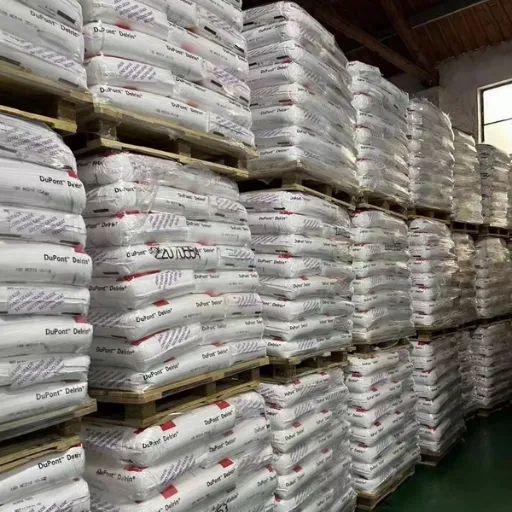 Read More
 -
How to Choose an Engineering Plastics Supplier That Protects Your Production Line
June 10, 2026Last March, a tier-2 automotive supplier in Stuttgart received a shipment of PA66 GF30 that looked identical to every batch before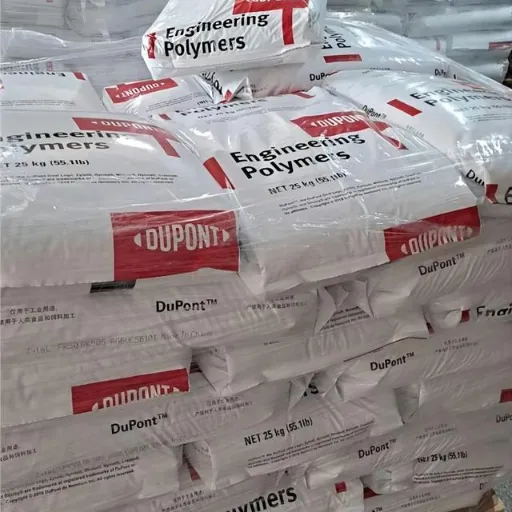 Read More
 -
How Long Does Plastic Last? A Materials Engineer's Guide to Polymer Lifespan
June 10, 2026A single polyethylene grocery bag can persist in a landfill for 500 years, yet the same material inside your refrigerator's in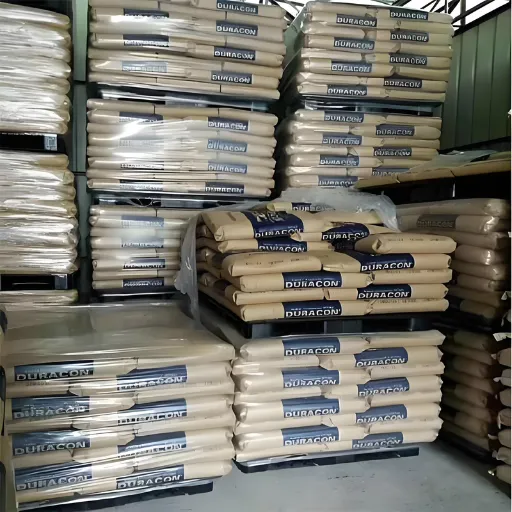 Read More

Contact Us
Recommended Products
-
 POM GF-10 Glass-Fiber Reinforced Resin Pellets for Industrial GearsNegotiableMOQ: 1 Kilogram
 -
Duracon POM SW-01 Granules - High-Performance Copolymer Resin for Industrial UseNegotiableMOQ: 1000 Kilograms
-
Basel Origin PP 4160/HP500N General Purpose Injection Molding Homopolymer Polypropylene PP PelletsNegotiableMOQ: 1000 Kilograms
-
Chimei ABS Resin D-1200 for Electronic Enclosures With Flame Retardant PropertiesNegotiableMOQ: 1 Kilogram
-
HDPE Film Grade Hta-001 Injection for High Strength ToughnessNegotiableMOQ: 1 Kilogram
-
High‑Heat‑Resistant Optical‑Grade Polycarbonate PC Resin Teijin SP‑1516 for Camera Lens ManufacturingNegotiableMOQ: 1 Kilogram
-
PC Resin Covestro 1803 With High Impact Resistance for Automotive PartsNegotiableMOQ: 25 Kilograms
-
General Purpose ABS GP-22 From Ineos Ideal for Daily Consumer Goods and Common Injection PartsNegotiableMOQ: 1 Kilogram
-
Celanese DuPont Precision XGC-25 DuPont Injection Molding Plastic Products POMNegotiableMOQ: 1 Kilogram
-
High Impact ABS Plastic Granules HI-121H Industrial Raw MaterialNegotiableMOQ: 1 Kilogram

-
Sinopec PP N-T30S Virgin Wire Drawing Grade Polypropylene GranulesNegotiableMOQ: 1 Kilogram
-
POM F10-03H With High Impact Resistance for Automotive Fuel System ComponentsNegotiableMOQ: 1 Kilogram
-
General Impact Grade ABS PA 737 Fit for Mass Production Daily Plastic and Office Supply PartsNegotiableMOQ: 1 Kilogram
-
366-5 PP Resin Granules With High Impact Strength for Industrial UseNegotiableMOQ: 1 Kilogram
-
PP Granules 3009 - Flame Retardant PP Compound for Electrical Components, UL94 V-2 RatedNegotiableMOQ: 1 Kilogram
-
PC-115P Polycarbonate Resin for 3D Printing Filaments With Low WarpageNegotiableMOQ: 1 Kilogram
-
Low‑Temperature Impact PP Pellets K4750 Modified Copolymer for Automotive BumpersNegotiableMOQ: 1 Kilogram
-
Chimei ABS Resin D-2200 for Luggage and Travel Cases With High RigidityNegotiableMOQ: 1 Kilogram
-
Natural Color Delrin POM M90NAT Celanese DuPont Virgin Resin Raw MaterialNegotiableMOQ: 1 Kilogram
-
FMA016 HDPE Grade for Large-Diameter Corrugated Pipe ProductionNegotiableMOQ: 1 Kilogram