
 Business License

Plastic Injection Molding Process: A Complete Technical Guide
In March 2024, Marcus Chen, a production manager at a Guangdong electronics manufacturer, watched his team scrap 12,000 laptop housings in a single week. The culprit was not a faulty mold or operator error. It was moisture. His newly sourced PA66 pellets had absorbed atmospheric humidity during transit, and the resulting splay and weak weld lines turned what should have been a routine production run into a $45,000 loss. The experience taught Marcus a lesson that many injection molding professionals learn the hard way: the plastic injection molding process rewards technical precision at every stage, and small oversights compound into expensive failures.
If you manage injection molding operations, specify materials, or source engineering plastics for manufacturing, you already know that consistent part quality depends on far more than pressing a button and waiting for the cycle to finish. The plastic injection molding process involves a precise interplay of temperature, pressure, material properties, mold design, and process control. Understanding these variables enables you to diagnose defects, optimize cycles, and select materials that perform reliably under real production conditions.
This guide explains how the injection molding process works, which parameters matter most, how to match thermoplastic grades to your application, and how to avoid the mistakes that derail production schedules. Whether you mold ABS electronics housings or PA66 automotive components, the principles here will help you achieve more predictable results.
How the Plastic Injection Molding Process Works
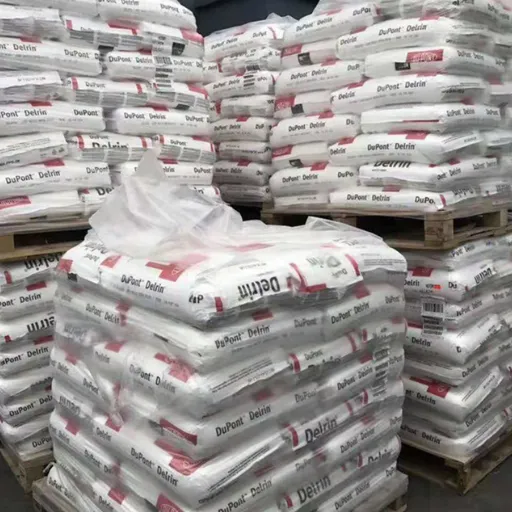
Injection molding transforms raw polymer pellets into finished parts through a controlled sequence of heating, injection, cooling, and ejection. Understanding each phase helps you identify where problems originate and how to adjust parameters for better outcomes.
Plastication and Melting
The process begins in the barrel of the injection molding machine, where a rotating screw feeds polymer pellets forward while heaters surrounding the barrel raise the material temperature. The screw's rotation generates shear heat, which supplements external barrel heating to create a homogeneous melt. For crystalline materials like PA66 and POM, reaching the proper melt temperature is critical. Underheating produces unmolten granules that create surface defects and weak points. Overheating causes thermal degradation, visible as discoloration, reduced mechanical properties, and volatile emissions.
Different materials demand different melt temperature ranges. ABS typically processes at 220-260°C. PA66 requires 280-310°C. PC demands even higher temperatures, often 280-320°C. The screw design, compression ratio, and back pressure during plastication all influence melt uniformity and color dispersion.
Injection and Packing
Once sufficient melt accumulates ahead of the screw, the machine injects the material into the mold cavity under high pressure. Injection speed, pressure, and time determine how completely the mold fills and how well the material reproduces fine surface details. After the cavity fills, the machine switches to a packing or holding phase, maintaining pressure to compensate for shrinkage as the material cools and solidifies.
Packing pressure that is too low creates sink marks, short shots, and dimensional inconsistency. Packing pressure that is too high causes flash, residual stress, and part sticking. Finding the optimal window requires systematic experimentation and attention to material behavior.
Cooling and Ejection
Cooling typically accounts for 50-80% of the total cycle time. During this phase, the mold temperature controlled by cooling channels extracts heat from the molten plastic until it rigidifies enough for ejection. Mold temperature significantly affects surface quality, crystallinity in semi-crystalline polymers, and warpage tendency.
After cooling, ejector pins push the part from the mold. Ejection must occur only after the part has developed sufficient rigidity to resist deformation. Ejecting too early causes bending or stretching. Ejecting too late wastes cycle time and may cause sticking due to shrinkage onto mold cores.
Technical Note: For glass-filled grades like PA66 GF30, mold temperatures of 80-120°C improve surface finish and crystallinity but extend cycle times. The trade-off between quality and productivity is a constant optimization challenge in high-volume molding.
Want to see how different engineering plastics behave during injection molding? Explore our injection molding grades and processing recommendations.
Critical Processing Parameters That Determine Part Quality
Every parameter in the plastic injection molding process interacts with others. Adjusting one variable often requires compensating changes elsewhere. The most influential parameters include melt temperature, mold temperature, injection speed, packing pressure, and cooling time.
Melt Temperature
Melt temperature affects material viscosity, flow length, surface finish, and mechanical properties. Higher melt temperatures reduce viscosity, enabling better flow into thin walls and complex geometries. However, excessive heat degrades polymers, particularly heat-sensitive materials like PVC and certain flame-retardant grades.
The melt temperature must suit the specific grade. Even within a polymer family, variations exist. High-flow ABS grades process more easily at the lower end of the standard range. High-heat ABS or PC grades require upper-range temperatures to achieve proper flow. Always consult the Technical Data Sheet (TDS) for the specific grade rather than relying on generic polymer guidelines.
Mold Temperature
Mold temperature controls surface quality, shrinkage, and crystalline structure. Amorphous polymers like ABS and PC benefit from moderate mold temperatures (50-80°C) that improve surface gloss and reduce weld line visibility. Semi-crystalline polymers like PA66, POM, and PP require warmer molds (80-120°C) to develop proper crystallinity, which maximizes stiffness and chemical resistance.
Cold molds produce higher residual stresses and increased warpage. Hot molds improve appearance and dimensional stability but extend cycle time. The optimal mold temperature balances quality requirements against production economics.
Injection Speed and Pressure
Injection speed determines how quickly the cavity fills. Fast injection reduces cooling during fill, improves weld line strength, and prevents premature freezing in thin sections. However, excessive speed causes jetting, burn marks from trapped air, and core deflection in delicate mold features.
Injection pressure must overcome flow resistance through the runner system and cavity. Pressure requirements increase with thinner walls, longer flow paths, higher-viscosity materials, and lower melt temperatures. Modern molding machines use velocity-controlled filling with pressure-limited backup, enabling consistent fill regardless of material batch variations.
Packing Pressure and Time
After the velocity-controlled fill phase, packing pressure forces additional material into the cavity to offset volumetric shrinkage during cooling. Proper packing eliminates sink marks behind ribs and bosses and ensures dimensional consistency. Packing time must last until the gate freezes, preventing backflow into the runner.
Insufficient packing produces sinks, voids, and oversized dimensions (due to uncontrolled shrinkage). Excessive packing creates residual stress, which leads to warpage and environmental stress cracking in susceptible materials like PC.
Cooling Time
Cooling continues until the part reaches sufficient rigidity for ejection. The required time depends on material thermal conductivity, part thickness, mold temperature, and ejection temperature limits. Thick sections cool more slowly than thin walls, creating differential shrinkage and internal stress.
Efficient mold cooling channel design minimizes cooling time while maintaining uniform temperature distribution. Hot spots in the mold cause differential shrinkage and warpage. Conformal cooling channels, which follow the cavity contour more closely than straight drilled channels, represent an advanced solution for demanding applications.
When Sarah Okonkwo switched mold temperatures from 60°C to 90°C for her company's PA66 GF30 electrical connectors, the change eliminated chronic warping that had plagued the line for months. The warmer mold allowed more uniform crystallization across the part, reducing differential shrinkage. Cycle time increased by four seconds, but first-pass yield jumped from 82% to 97%. Sarah's experience illustrates why optimizing the plastic injection molding process requires looking beyond speed alone.
Material Selection: Matching Grades to the Injection Molding Process
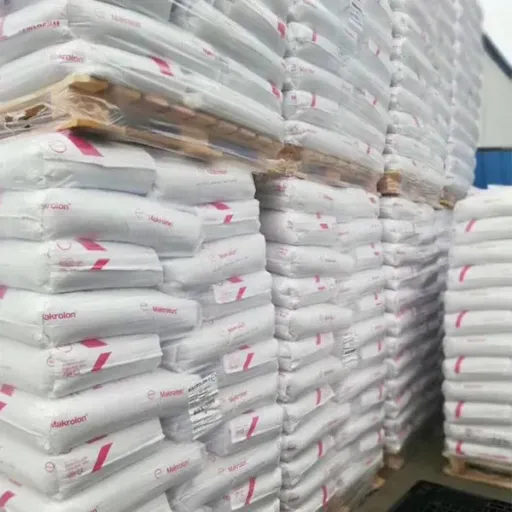
Not all engineering plastics process equally. Selecting a grade that matches your molding equipment, part geometry, and quality requirements prevents costly production issues.
Amorphous vs. Semi-Crystalline Polymers
Amorphous polymers like ABS, PC, and PMMA soften over a broad temperature range and exhibit lower shrinkage (typically 0.4-0.7%). They process at lower mold temperatures and offer excellent surface gloss and dimensional stability. ABS dominates electronics housings and appliance panels. PC provides transparency and impact resistance for lighting and safety applications. PMMA offers superior optical clarity for displays and lenses.
Semi-crystalline polymers like PA66, PA6, POM, PP, and PBT have sharp melting points and higher shrinkage (0.8-2.5% depending on grade and fillers). They offer superior chemical resistance, fatigue performance, and stiffness at elevated temperatures. However, they require precise drying, higher mold temperatures, and careful attention to crystallization behavior.
Impact of Fillers and Reinforcements
Glass fiber reinforcements dramatically change processing behavior. GF30 grades shrink less than unfilled versions, but shrinkage becomes anisotropic. Parts shrink more in the cross-flow direction than along flow lines due to fiber orientation. This differential creates warpage in flat or asymmetrical parts.
Filled grades also increase wear on barrels, screws, and molds. Hardened tool steels and wear-resistant machine components extend service life when molding glass-filled materials. Processing temperatures for filled grades typically run 10-20°C higher than unfilled base polymers to maintain adequate flow.
Moisture Sensitivity and Drying Requirements
Hygroscopic materials like PA66, PA6, PBT, and PC absorb atmospheric moisture, which causes hydrolytic degradation during processing. Splay, bubbles, and reduced mechanical properties signal inadequate drying.
Recommended drying conditions vary by material:
ABS: 80°C for 2-4 hours to <0.1% moisture
PA66: 80°C for 4-6 hours to <0.2% moisture
PC: 120°C for 3-4 hours to <0.02% moisture
PBT: 120°C for 3-4 hours to <0.04% moisture
Using a desiccant dryer rather than a hot-air oven ensures reliable moisture removal. Production managers should verify pellet moisture content before molding, not assume that delivered material is ready to process.
Ready to test the difference in your production? Request a sample of our injection molding grades for evaluation and qualification testing.
Melt Flow Index Considerations
Melt Flow Index (MFI), also called Melt Flow Rate (MFR), indicates material viscosity under standardized conditions. Higher MFI values mean lower viscosity and easier flow. Thin-wall applications and complex geometries benefit from high-MFI grades. Thick-section parts and applications requiring maximum toughness may use lower-MFI grades.
However, MFI alone does not predict real-world processing behavior. Shear rate sensitivity, thermal stability, and crystallization kinetics all influence how a material fills a specific mold. MFI serves as a starting point for grade comparison, not a definitive selection criterion.
Common Defects and Troubleshooting
Even well-designed molds and properly specified materials produce defects when parameters drift. Recognizing defect causes enables rapid correction without trial-and-error guessing.
Sink Marks and Voids
Sink marks occur when surface material pulls inward to compensate for shrinkage in thicker sections. Voids form internally when outer skins solidify before inner material finishes shrinking. Both indicate insufficient packing pressure or time. Solutions include increasing packing pressure, extending packing time until gate freeze, reducing melt temperature (to delay solidification), or modifying part design to achieve more uniform wall thickness.
Warping
Warping results from non-uniform shrinkage, caused by uneven cooling, differential fiber orientation, or excessive residual stress from over-packing. Solutions include optimizing mold temperature uniformity, adjusting packing pressure, using warmer molds for crystalline materials, and redesigning gate locations to balance flow patterns.
Weld Lines
Weld lines form where flow fronts meet after splitting around cores or holes. They create weak points and visible cosmetic defects. Solutions include increasing melt or mold temperature, raising injection speed to reduce premature cooling, optimizing venting at weld locations, and relocating gates to move welds to less critical areas.
Burn Marks
Burn marks result from compressed air or volatiles igniting in trapped pockets. Solutions include improving venting in the mold, reducing injection speed, lowering melt temperature, and ensuring adequate material drying to eliminate moisture-driven volatiles.
Splay and Silver Streaks
Splay appears as silver streaks radiating from the gate, caused by moisture, degraded material, or excessive shear. The first corrective step is always verifying proper drying. If drying is adequate, reduce melt temperature or injection speed to minimize shear heating and material degradation.
Quality Control and Documentation
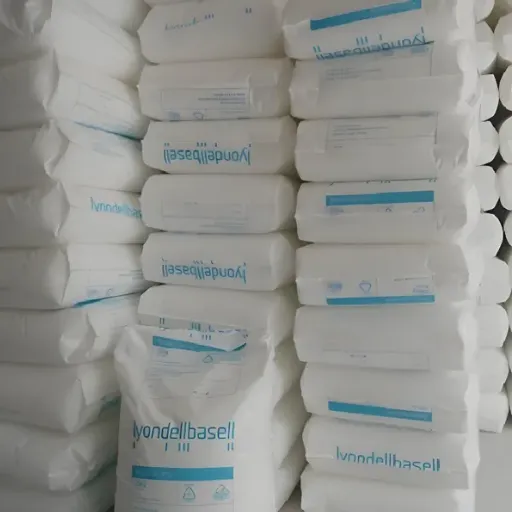
Consistent quality in the plastic injection molding process requires more than good parameter settings. It demands systematic documentation, incoming material verification, and ongoing process monitoring.
Incoming Material Inspection
Verify that every batch matches specifications before it enters production. Key checks include:
Visual inspection for pellet uniformity and contamination
Moisture content testing for hygroscopic materials
Melt flow index verification against TDS values
Certificate of Analysis (COA) review for critical properties
Suppliers who provide complete documentation with every shipment reduce your inspection burden and support traceability requirements. Learn more about our quality documentation and certification support.
Process Documentation
Document baseline parameters for each part and material combination. When deviations occur, compare current settings to documented baselines to identify changes. Maintain records of mold temperature, melt temperature, injection speed, packing pressure, cooling time, and cycle time. Modern molding machines with data logging capabilities simplify this task.
First-Article Inspection
Before full production, mold and measure first articles against dimensional drawings. Verify critical dimensions, gate vestige, surface quality, and weight consistency. Part weight serves as a fast, reliable indicator of process consistency. Weight variations exceeding 0.5% typically signal parameter drift or material inconsistency.
When David Patel switched suppliers for his automotive customer's PA66 GF30 engine covers, he insisted on receiving a COA with every batch and running first-article inspections before each production run. Over 18 months, his rejection rate dropped from 4.2% to 0.8%. The documentation discipline required minimal additional effort but saved his company an estimated $28,000 annually in scrap and rework costs. David's approach shows how treating the plastic injection molding process as a fully controlled system, rather than a black box, delivers measurable returns.
Conclusion
The plastic injection molding process demands technical attention at every stage. From material drying and melt preparation through injection, packing, cooling, and ejection, each parameter influences part quality, dimensional accuracy, and production economics. Understanding these relationships enables you to troubleshoot defects systematically, optimize cycle times without sacrificing quality, and select engineering plastic grades that match your equipment and application requirements.
Key takeaways for your operations:
Match melt and mold temperatures to the specific grade, not generic polymer categories
Dry hygroscopic materials properly before every production run
Use packing pressure and time to control shrinkage and dimensional consistency
Monitor part weight as a real-time indicator of process stability
Document baseline parameters and require complete supplier documentation for traceability
At Shanghai Wenqin Plastics, we supply a comprehensive range of ABS, PC, PA66, POM, PP, PBT, and PMMA injection molding grades backed by complete Technical Data Sheets, MSDS/SDS, and compliance certificates. Our technical team provides material selection guidance and processing recommendations to help you optimize your plastic injection molding process from the start.
Contact Our Technical Team → for material selection support, or Request a Quotation → for your engineering plastic requirements
Recently Posted
-
How to Choose an Engineering Plastics Supplier That Protects Your Production Line
June 10, 2026Last March, a tier-2 automotive supplier in Stuttgart received a shipment of PA66 GF30 that looked identical to every batch before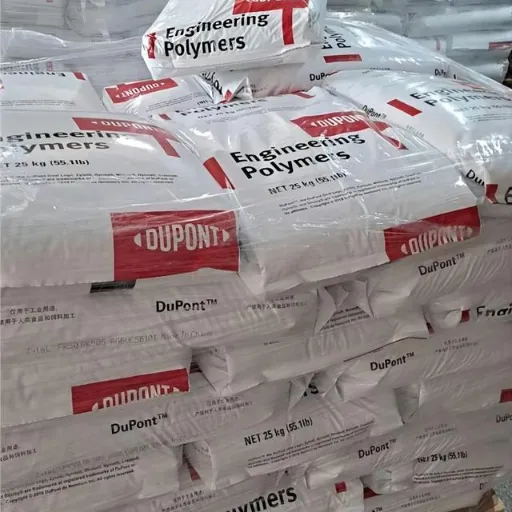 Read More
 -
How Long Does Plastic Last? A Materials Engineer's Guide to Polymer Lifespan
June 10, 2026A single polyethylene grocery bag can persist in a landfill for 500 years, yet the same material inside your refrigerator's in Read More
 -
How to Identify Plastic Type: A Practical Guide for Materials Engineers and Procurement Managers
June 10, 2026A shipment arrives at your receiving dock. The labels are damaged, the certificates of analysis are missing, and your production l Read More
 -
Which Plastics Are Food Safe? A Materials Engineer's Guide to FDA Food Contact Compliance
June 10, 2026Maria's production line ground to a halt on a Tuesday morning in March. Her injection molding facility had just shipped 50,000 Read More

Contact Us
Recommended Products
-
 POM GF-10 Glass-Fiber Reinforced Resin Pellets for Industrial GearsNegotiableMOQ: 1 Kilogram
 -
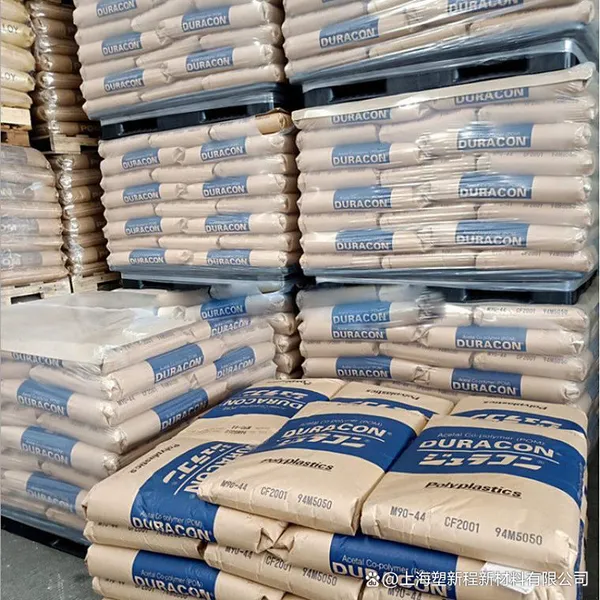
Duracon POM SW-01 Granules - High-Performance Copolymer Resin for Industrial UseNegotiableMOQ: 1000 Kilograms
-
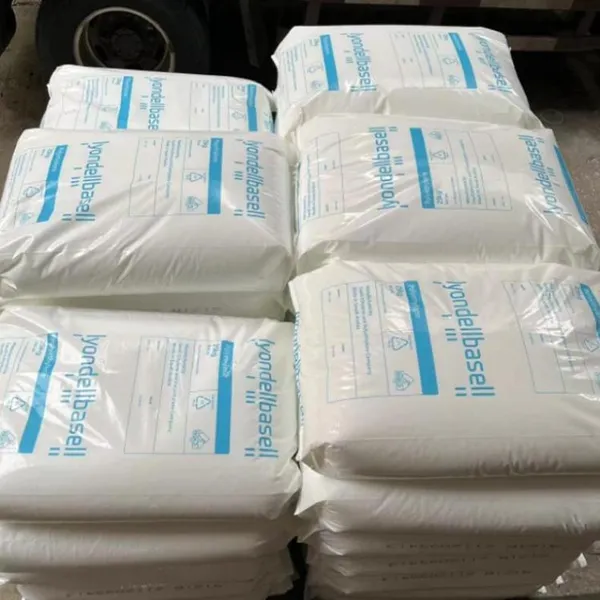
Basel Origin PP 4160/HP500N General Purpose Injection Molding Homopolymer Polypropylene PP PelletsNegotiableMOQ: 1000 Kilograms
-
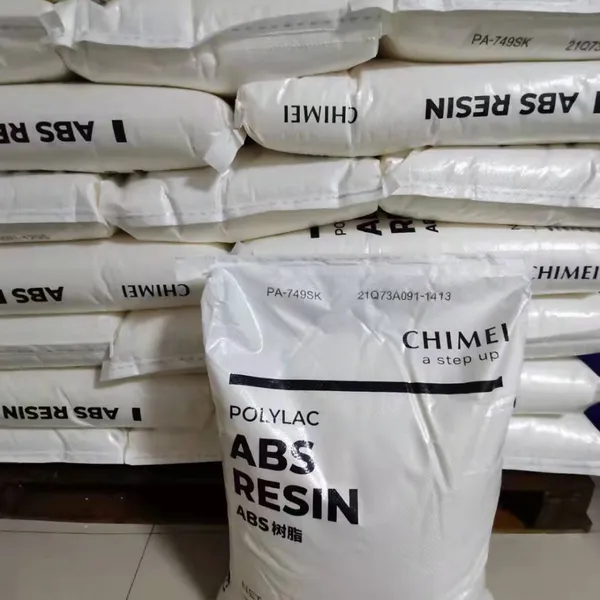
Chimei ABS Resin D-1200 for Electronic Enclosures With Flame Retardant PropertiesNegotiableMOQ: 1 Kilogram
-
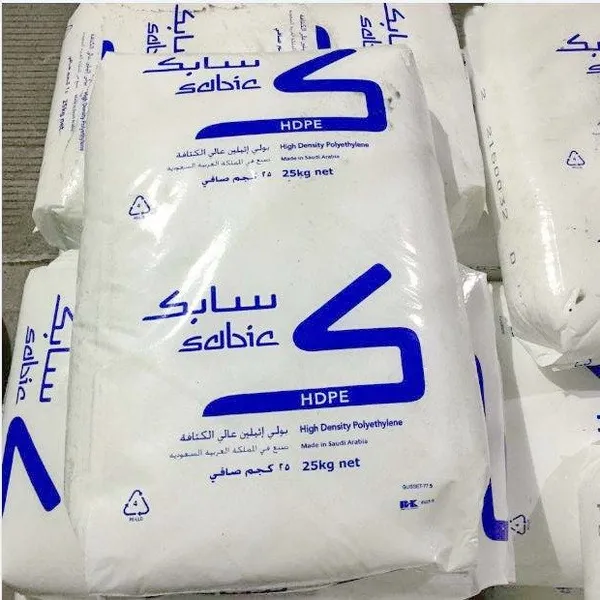
HDPE Film Grade Hta-001 Injection for High Strength ToughnessNegotiableMOQ: 1 Kilogram
-
High‑Heat‑Resistant Optical‑Grade Polycarbonate PC Resin Teijin SP‑1516 for Camera Lens ManufacturingNegotiableMOQ: 1 Kilogram
-
PC Resin Covestro 1803 With High Impact Resistance for Automotive PartsNegotiableMOQ: 25 Kilograms
-
General Purpose ABS GP-22 From Ineos Ideal for Daily Consumer Goods and Common Injection PartsNegotiableMOQ: 1 Kilogram
-
Celanese DuPont Precision XGC-25 DuPont Injection Molding Plastic Products POMNegotiableMOQ: 1 Kilogram
-
High Impact ABS Plastic Granules HI-121H Industrial Raw MaterialNegotiableMOQ: 1 Kilogram


-
Sinopec PP N-T30S Virgin Wire Drawing Grade Polypropylene GranulesNegotiableMOQ: 1 Kilogram
-
POM F10-03H With High Impact Resistance for Automotive Fuel System ComponentsNegotiableMOQ: 1 Kilogram
-
General Impact Grade ABS PA 737 Fit for Mass Production Daily Plastic and Office Supply PartsNegotiableMOQ: 1 Kilogram
-
366-5 PP Resin Granules With High Impact Strength for Industrial UseNegotiableMOQ: 1 Kilogram
-
PP Granules 3009 - Flame Retardant PP Compound for Electrical Components, UL94 V-2 RatedNegotiableMOQ: 1 Kilogram
-
PC-115P Polycarbonate Resin for 3D Printing Filaments With Low WarpageNegotiableMOQ: 1 Kilogram
-
Low‑Temperature Impact PP Pellets K4750 Modified Copolymer for Automotive BumpersNegotiableMOQ: 1 Kilogram
-
Chimei ABS Resin D-2200 for Luggage and Travel Cases With High RigidityNegotiableMOQ: 1 Kilogram
-
Natural Color Delrin POM M90NAT Celanese DuPont Virgin Resin Raw MaterialNegotiableMOQ: 1 Kilogram
-
FMA016 HDPE Grade for Large-Diameter Corrugated Pipe ProductionNegotiableMOQ: 1 Kilogram