
 Business License

Circular Economy Plastics: A Manufacturer's Guide to Closed-Loop Manufacturing
In March 2025, a product manager at a European appliance manufacturer received an ultimatum from his largest retail partner. By Q4, all packaging and non-structural components had to demonstrate a viable path to circularity: either recyclable within existing streams, made from verified recycled content, or designed for closed-loop recovery.
The company's engineering team had spent fifteen years optimizing their product around ABS housings and PP internal brackets. Suddenly, linear production -- make, use, dispose -- was no longer acceptable. Circularity wasn't a marketing angle. It was a supply chain requirement with a hard deadline.
His situation is increasingly common. Whether driven by customer mandates, regulatory pressure, or internal sustainability targets, manufacturers across automotive, electronics, and appliance sectors are actively evaluating how circular economy plastics fit into their operations.
The challenge isn't understanding the concept. It's implementing circularity in ways that perform reliably at scale without compromising the mechanical, thermal, and chemical properties their applications demand.
This guide examines what circular economy plastics mean for manufacturing. You'll learn how closed-loop systems work, which materials support circular designs, where recycling technologies fit, and how to evaluate trade-offs between circularity credentials and functional performance.
Why the Linear Model Is Breaking Down
For decades, plastics manufacturing followed a linear path: extract petroleum, synthesize polymers, mold parts, sell products, and assume disposal was someone else's problem. That model delivered low costs and high performance, but it is increasingly unsustainable from both an environmental and business perspective.
Raw material costs fluctuate with oil markets. Landfill capacity is tightening in many regions. And perhaps most importantly, customers and regulators are demanding accountability for the entire lifecycle of plastic products.
The European Union's Packaging and Packaging Waste Regulation mandates minimum recycled content percentages. Extended Producer Responsibility schemes in multiple jurisdictions place end-of-life costs directly on manufacturers. Automotive OEMs now request circularity roadmaps from Tier-1 and Tier-2 suppliers. Electronics brands specify recyclable or recycled housings. Appliance manufacturers face retailer packaging requirements that exclude virgin-only materials.
For procurement teams and materials engineers, the message is clear: linear consumption of plastics is becoming a business liability. Companies that transition to circular economy plastics now are positioning themselves ahead of regulatory curves and customer mandates.
Want to understand how recycled content grades perform in demanding applications? Explore our engineering plastics portfolio including grades suitable for post-industrial recycled content compounds.
What Circular Economy Plastics Actually Means
The term "circular economy plastics" gets used broadly, often interchangeably with recycling. In practice, it refers to a systems-level approach where plastic materials are kept in use for as long as possible through design, recycling, and reuse strategies.
The Ellen MacArthur Foundation defines a circular economy for plastics through three interconnected principles: design out waste and pollution, keep products and materials in use, and regenerate natural systems. For manufacturers, the first two principles are where material selection and processing decisions matter most.
Circular economy plastics can include:
Recycled content materials that reprocess post-industrial or post-consumer scrap into new compounds
Bio-based polymers derived from renewable feedstocks that reduce dependence on virgin petroleum
Design-for-recycling grades engineered to maintain properties through multiple processing cycles
Mono-material designs that simplify end-of-life sorting and recycling
Closed-loop manufacturing systems where production scrap is recovered and reintroduced into the same supply chain
The key insight for manufacturers: circularity is not a single material choice. It is a strategic approach that spans product design, material specification, supplier relationships, and end-of-life planning.
Designing Products for a Circular Plastics Economy
Circularity starts at the design stage. A product that cannot be disassembled, sorted, or reprocessed will never achieve circularity regardless of how sustainable the individual materials appear.
Design for Recycling
Engineering decisions made early in product development determine whether circular economy plastics are even an option. Multi-material assemblies are harder to recycle than mono-material designs. A housing that combines PC/ABS with metal inserts, adhesive labels, and incompatible coatings creates sorting challenges that make mechanical recycling uneconomical.
Best practices for design-for-recycling include:
Use mono-material or compatible-material assemblies wherever function allows
Avoid incompatible additives like certain flame retardants or colorants that contaminate recycling streams
Design for disassembly with snap fits instead of adhesives, and standard fasteners instead of permanent welding
Mark materials clearly with resin identification codes to support automated sorting
Minimize coatings and laminates that complicate reprocessing
Material Selection for Circularity
Not all plastics are equally circular. Some polymers degrade significantly with each reprocessing cycle. Others maintain mechanical properties through multiple lives.
Commodity plastics like PE and PP have established recycling infrastructure and relatively stable properties through mechanical recycling. Engineering plastics like ABS, PC, and PA66 require more careful handling but are increasingly available in recycled content grades that perform adequately for many applications.
For manufacturers, the practical question is not "which material is most circular?" but "which circular option meets my performance requirements at acceptable cost and supply risk?"
Closed-Loop Manufacturing in Practice
The most immediate form of circular economy plastics for many manufacturers is closed-loop manufacturing using post-industrial recycled content. This approach recovers scrap from your own production processes -- sprues, runners, off-spec parts -- and reintroduces it into your material supply.
When Sarah, a sourcing manager at an automotive Tier-2 supplier, switched from virgin PA66 GF30 to a 30% post-industrial recycled compound for a non-structural bracket, she expected processing challenges. Instead, her molder reported nearly identical melt flow behavior. The recycled grade cost 12% less and carried a recycled content certification that satisfied her customer's sustainability audit. The bracket's application didn't demand maximum mechanical performance, so the slight reduction in tensile strength had no functional impact.
Post-industrial scrap offers the highest quality recycled material because it is clean, well-characterized, and mechanically similar to virgin material. The main limitation is supply: you can only recycle as much as your own processes generate. For manufacturers with consistent scrap volumes, closed-loop agreements with compounders can transform waste into a cost-saving circular input.
Shanghai Wenqin Plastics can supply modified compounds incorporating post-industrial recycled content for customers seeking to meet circular economy targets while maintaining processing consistency. Contact our technical team to discuss recycled content grades for your application.
Mechanical Recycling Technologies for Engineering Plastics
Mechanical recycling -- grinding, washing, melting, and re-pelletizing -- is the dominant method for recovering circular economy plastics. For engineering plastics, the process requires more control than commodity recycling but is increasingly viable at commercial scale.
The Mechanical Recycling Process
Collection and sorting -- Scrap is separated by polymer type, color, and contamination level
Size reduction -- Shredding and grinding to uniform flake size
Washing and separation -- Removing labels, dust, metal fragments, and incompatible materials
Extrusion and pelletizing -- Melting and reforming into pellets with property stabilization additives
Quality testing -- Melt flow index, mechanical properties, and color verification
Performance Considerations
Each mechanical recycling cycle degrades polymer chains through thermal and shear history. Glass fiber length shortens during reprocessing, reducing stiffness in filled grades. Impact modifiers may degrade. Color consistency can drift with mixed feedstock sources.
These limitations do not rule out mechanical recycling for engineering applications. They simply define where recycled content grades are appropriate. Non-structural brackets, interior trim, packaging components, and appliance housings are excellent candidates. Load-bearing structural components and safety-critical parts typically require virgin or carefully controlled recycled compounds with full qualification data.
Chemical Recycling: When Mechanical Methods Fall Short
For contaminated, degraded, or complex multi-material scrap that cannot be mechanically recycled, chemical recycling offers an alternative pathway to circular economy plastics. Chemical recycling breaks polymers down into monomers or basic hydrocarbons that can be re-polymerized into virgin-quality material.
Pyrolysis and Depolymerization
Pyrolysis heats plastics in the absence of oxygen to produce synthetic crude oil or fuel fractions. Depolymerization uses chemical catalysts to reverse polymerization, recovering monomers like caprolactam from PA6 or terephthalic acid from PET.
Current Limitations
Chemical recycling is energy-intensive and currently more expensive than mechanical recycling. Commercial capacity is limited compared to mechanical recycling infrastructure. For most engineering plastics applications today, mechanical recycling or post-industrial closed-loop systems remain the more practical circular path.
However, chemical recycling is advancing rapidly. As capacity scales and costs decline, it will likely become a viable option for recovering value from difficult-to-recycle engineering plastic waste streams that currently go to landfill or incineration.
Regulatory Drivers Accelerating Plastic Waste Circularity
Regulation is the strongest accelerant for circular economy plastics adoption. Understanding the regulatory landscape helps manufacturers anticipate which requirements will affect their industry and timeline.
European Union Requirements
The EU Packaging and Packaging Waste Regulation mandates minimum recycled content percentages. The proposed End-of-Life Vehicle directive targets 25% recycled plastic content in new vehicles by 2030. Extended Producer Responsibility schemes across member states place end-of-life management costs on manufacturers.
Corporate Sustainability Mandates
Beyond regulation, major OEMs and retailers are setting their own circularity requirements. Automotive OEMs request recycled content declarations and circularity roadmaps. Electronics brands specify recyclable housings and halogen-free formulations. Appliance manufacturers face retailer packaging requirements that demand closed-loop recoverability.
Documentation Requirements
Circularity claims require substantiation. Manufacturers need material certificates, recycled content declarations, chain-of-custody documentation, and lifecycle assessment data. Maintaining these records is now a standard procurement requirement for suppliers to major OEMs.
Material Selection Framework for Circular Applications
Selecting materials for circular economy plastics applications requires evaluating trade-offs across performance, cost, supply, and sustainability metrics.
Evaluation Criteria
| Criterion | Virgin ABS | Recycled ABS | Virgin PA66 GF30 | Recycled PA66 GF30 | Bio-Based PA |
|---|---|---|---|---|---|
| Mechanical properties | Excellent | Good | Excellent | Good-Good | Good |
| Heat resistance | Good | Good | Excellent | Excellent | Good |
| Cost | Baseline | -10-15% | Baseline | -8-12% | +30-50% |
| Recycled content | 0% | 30-100% | 0% | 30-50% | 0% |
| Supply stability | High | Moderate | High | Moderate | Low-Moderate |
| Processing ease | Excellent | Excellent | Good | Good | Moderate |
| Circularity contribution | Low | High | Low | High | Moderate |
Decision Framework
Start with the sustainability objective. Are you targeting recycled content targets, carbon footprint reduction, or end-of-life recyclability? Each objective points toward different material strategies.
Match performance requirements. A non-structural bracket can tolerate recycled content with modest property reduction. An under-hood component exposed to 150°C requires carefully specified grades regardless of circularity goals.
Evaluate supply chain maturity. Emerging sustainable materials often face supply constraints. Verify production capacity, lead times, batch consistency, and technical support before specifying.
Qualify thoroughly. Recycled content grades often have narrower processing windows than virgin materials. Implement full qualification protocols including processing trials, molded part testing, and long-term aging evaluation.
Practical Steps to Implement Circular Plastics Manufacturing
For manufacturers ready to incorporate circular economy plastics, here is a practical roadmap:
Start with non-critical applications. Packaging, internal brackets, and non-structural housings offer lower risk for material transitions than load-bearing or safety-critical components.
Audit your scrap streams. Quantify the volume, polymer types, and contamination levels in your current post-industrial waste. This inventory reveals closed-loop opportunities you may already be paying to dispose of.
Qualify thoroughly. Sustainable materials often have narrower processing windows than their conventional counterparts. Invest in proper molding trials and long-term testing.
Document everything. Circularity claims require substantiation. Maintain records of material sources, recycled content percentages, compliance certificates, and chain-of-custody documentation.
Plan for scale. A material that works in pilot production may face supply constraints at volume. Confirm supply agreements before committing to specification changes.
Monitor regulations. The regulatory landscape is evolving rapidly. Materials that comply today may need reformulation as standards tighten.
Consider the full lifecycle. A material with renewable feedstock but poor recyclability may not outperform a durable, recyclable conventional plastic on overall environmental impact. Lifecycle assessment provides the complete picture.
When the Circular Model Isn't the Right Fit
A balanced perspective on circular economy plastics acknowledges that circularity is not always the optimal strategy. In some engineering applications, conventional or recycled engineering plastics outperform alternatives on total lifecycle metrics.
Lightweighting and Fuel Efficiency
In automotive applications, plastic components reduce vehicle weight. The fuel savings over a vehicle's life often outweigh the environmental impact of plastic production. PA66 GF30 engine covers, POM fuel system components, and PP bumper fascias all contribute to efficiency gains that benefit overall lifecycle emissions.
Durability and Product Lifespan
A plastic component engineered to last fifteen years may have lower lifecycle impact than a material that requires replacement every three years. Circularity calculations must account for product lifespan, not just end-of-life scenarios.
Performance-Critical Applications
For applications where mechanical failure has safety or liability implications, virgin engineering plastics may remain the responsible choice. Circularity goals should never override functional requirements in safety-critical or heavily loaded components.
When a German electronics manufacturer decided to replace virgin PC/ABS housings with a 50% recycled content grade, their qualification process revealed a subtle color shift under UV aging that hadn't appeared in virgin material. The issue was solvable with a UV stabilizer adjustment, but only because they caught it during qualification rather than in production. The lesson: circularity transitions require the same rigorous validation as any material change.
Conclusion
The transition to circular economy plastics is not an all-or-nothing proposition. It is a strategic evolution where manufacturers identify which applications can tolerate recycled content, where closed-loop manufacturing reduces cost and waste, and where virgin materials continue to offer the best performance.
Bio-based polymers, recycled content engineering plastics, and closed-loop manufacturing systems each play a role in a sustainable plastic economy. The right mix depends on your application requirements, regulatory pressures, customer mandates, and supply chain constraints.
For manufacturers, the practical path forward is systematic: audit your waste streams, qualify recycled content grades for appropriate applications, design future products for recyclability, and build supplier relationships that support circular material flows.
Shanghai Wenqin Plastics supplies ABS, PC, PA6, PA66, POM, PP, PE, PBT, and PMMA grades, including modified compounds that can incorporate recycled content for customers with circular economy targets. Our technical team helps evaluate material options that balance environmental requirements with mechanical performance, processing behavior, and cost constraints. Contact our material selection team or request a technical data sheet to explore options for your next project.
Recently Posted
-
How to Choose the Right Engineering Plastics Distributor for Your Manufacturing Supply Chain
June 12, 2026When a production line at a German automotive tier-1 supplier ground to a halt last year, the cause was not equipment failure or l Read More
 -
The Plastic Extrusion Process: A Complete Technical Guide for Manufacturers
June 12, 2026When the quality team at a window profile plant in Poland measured wall thickness drift on their PVC line last spring, the culprit Read More
 -
How to Choose an Engineering Plastics Supplier That Protects Your Production Line
June 10, 2026Last March, a tier-2 automotive supplier in Stuttgart received a shipment of PA66 GF30 that looked identical to every batch before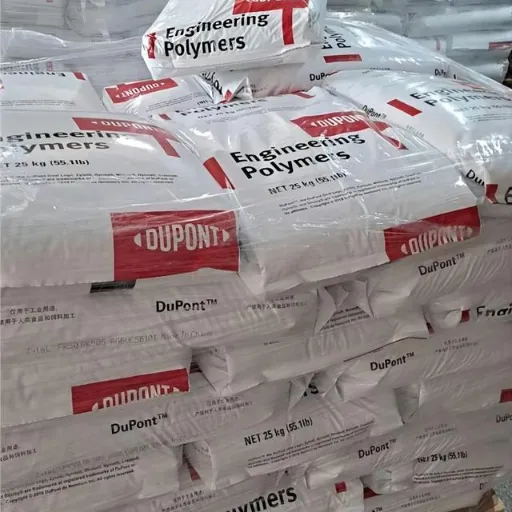 Read More
 -
How Long Does Plastic Last? A Materials Engineer's Guide to Polymer Lifespan
June 10, 2026A single polyethylene grocery bag can persist in a landfill for 500 years, yet the same material inside your refrigerator's in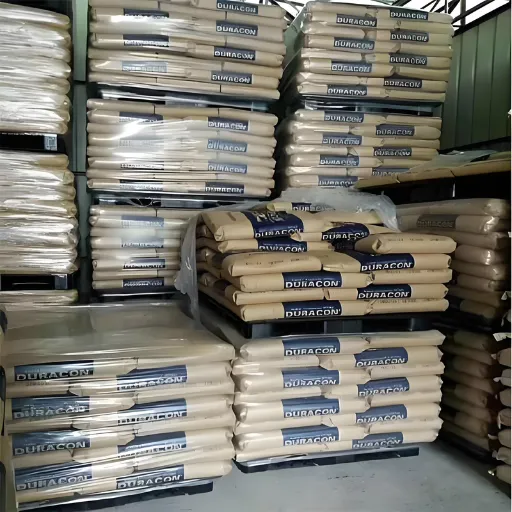 Read More

Contact Us
Recommended Products
-
 POM GF-10 Glass-Fiber Reinforced Resin Pellets for Industrial GearsNegotiableMOQ: 1 Kilogram
 -
Duracon POM SW-01 Granules - High-Performance Copolymer Resin for Industrial UseNegotiableMOQ: 1000 Kilograms
-
Basel Origin PP 4160/HP500N General Purpose Injection Molding Homopolymer Polypropylene PP PelletsNegotiableMOQ: 1000 Kilograms
-
Chimei ABS Resin D-1200 for Electronic Enclosures With Flame Retardant PropertiesNegotiableMOQ: 1 Kilogram
-
HDPE Film Grade Hta-001 Injection for High Strength ToughnessNegotiableMOQ: 1 Kilogram
-
High‑Heat‑Resistant Optical‑Grade Polycarbonate PC Resin Teijin SP‑1516 for Camera Lens ManufacturingNegotiableMOQ: 1 Kilogram
-
PC Resin Covestro 1803 With High Impact Resistance for Automotive PartsNegotiableMOQ: 25 Kilograms
-
General Purpose ABS GP-22 From Ineos Ideal for Daily Consumer Goods and Common Injection PartsNegotiableMOQ: 1 Kilogram
-
Celanese DuPont Precision XGC-25 DuPont Injection Molding Plastic Products POMNegotiableMOQ: 1 Kilogram
-
High Impact ABS Plastic Granules HI-121H Industrial Raw MaterialNegotiableMOQ: 1 Kilogram

-
Sinopec PP N-T30S Virgin Wire Drawing Grade Polypropylene GranulesNegotiableMOQ: 1 Kilogram
-
POM F10-03H With High Impact Resistance for Automotive Fuel System ComponentsNegotiableMOQ: 1 Kilogram
-
General Impact Grade ABS PA 737 Fit for Mass Production Daily Plastic and Office Supply PartsNegotiableMOQ: 1 Kilogram
-
366-5 PP Resin Granules With High Impact Strength for Industrial UseNegotiableMOQ: 1 Kilogram
-
PP Granules 3009 - Flame Retardant PP Compound for Electrical Components, UL94 V-2 RatedNegotiableMOQ: 1 Kilogram
-
PC-115P Polycarbonate Resin for 3D Printing Filaments With Low WarpageNegotiableMOQ: 1 Kilogram
-
Low‑Temperature Impact PP Pellets K4750 Modified Copolymer for Automotive BumpersNegotiableMOQ: 1 Kilogram
-
Chimei ABS Resin D-2200 for Luggage and Travel Cases With High RigidityNegotiableMOQ: 1 Kilogram
-
Natural Color Delrin POM M90NAT Celanese DuPont Virgin Resin Raw MaterialNegotiableMOQ: 1 Kilogram
-
FMA016 HDPE Grade for Large-Diameter Corrugated Pipe ProductionNegotiableMOQ: 1 Kilogram